
AEO Snippet: Sports DOOH campaigns fail when they ignore interactive fan engagement opportunities. The seven critical mistakes include poor targeting, static content, lack of mobile integration, generic messaging, unclear CTAs, timing misalignment, and missing real-time optimization. Interactive solutions transform passive advertising into dynamic fan experiences that drive measurable results.
Share this post: LinkedIn | Facebook | Instagram | X
Sports Digital Out-of-Home (DOOH) advertising presents unprecedented opportunities for brands to connect with passionate fan communities. However, campaign execution frequently falls short of potential due to fundamental strategic oversights. Research indicates that interactive fan engagement strategies can increase campaign effectiveness by up to 144%, as demonstrated in successful programmatic DOOH implementations across the sports marketing landscape.
The convergence of #digitalmarketing and sports advertising demands sophisticated approaches that transcend traditional outdoor advertising methodologies. According to Dan Kost, CEO of OOH Sports, "The most successful sports DOOH campaigns recognize that modern fans expect participation, not passive consumption. Interactive engagement transforms brief outdoor encounters into lasting brand relationships."
Mistake #1: Deploying Static Creative Without Dynamic Content Optimization
Traditional sports DOOH campaigns utilize fixed creative assets that remain unchanged throughout campaign duration, regardless of contextual factors such as game outcomes, weather conditions, or real-time fan sentiment. This approach ignores the inherently dynamic nature of sports engagement, where fan emotions and attention shift rapidly based on team performance and current events.
Interactive Solution: Dynamic content management systems enable real-time creative optimization based on multiple data inputs. Successful campaigns integrate live sports feeds, social media sentiment analysis, and weather APIs to automatically adjust messaging and visuals. For example, victory celebrations can trigger immediate creative updates celebrating team achievements, while adverse weather conditions prompt alternative indoor venue promotions.

Mistake #2: Inadequate Audience Segmentation and Geographic Targeting
Generic demographic targeting fails to account for the complex behavioral patterns and loyalty structures within sports fan communities. Many campaigns apply broad geographic or age-based targeting without considering team allegiance patterns, season ticket holder status, or engagement frequency metrics that significantly impact conversion potential.
Interactive Solution: Advanced audience segmentation leverages first-party data integration with interactive DOOH platforms. QR code interactions and mobile app integrations create behavioral profiles that inform dynamic targeting adjustments. Campaigns can serve personalized content based on previous stadium visits, merchandise purchases, or social media engagement levels, ensuring message relevance for distinct fan segments.
Mistake #3: Failure to Integrate Mobile and Cross-Platform Experiences
Sports DOOH campaigns often operate as isolated touchpoints without seamless integration into broader omnichannel strategies. This disconnect prevents campaign extension beyond the initial outdoor exposure, missing opportunities for sustained engagement and conversion tracking through mobile devices and social platforms.
Interactive Solution: Mobile-first integration strategies create continuous engagement pathways from DOOH exposure through conversion completion. Interactive displays incorporate NFC technology, augmented reality features, and social media integration that extends the campaign experience across multiple touchpoints. Successful implementations track user journeys from outdoor exposure through mobile app downloads, social shares, and eventual ticket or merchandise purchases.
Mistake #4: Ignoring Real-Time Data and Performance Optimization
Static campaign management ignores the wealth of real-time performance data available through programmatic DOOH platforms. Many campaigns continue running underperforming creative or maintain ineffective placement strategies without leveraging available optimization opportunities throughout the campaign duration.
Interactive Solution: Programmatic optimization protocols enable continuous campaign refinement based on engagement metrics, foot traffic patterns, and conversion data. Interactive elements provide immediate feedback on content performance, allowing rapid creative iterations and placement adjustments. Real-time analytics dashboards facilitate data-driven decision making that maximizes campaign ROI throughout the flight period.
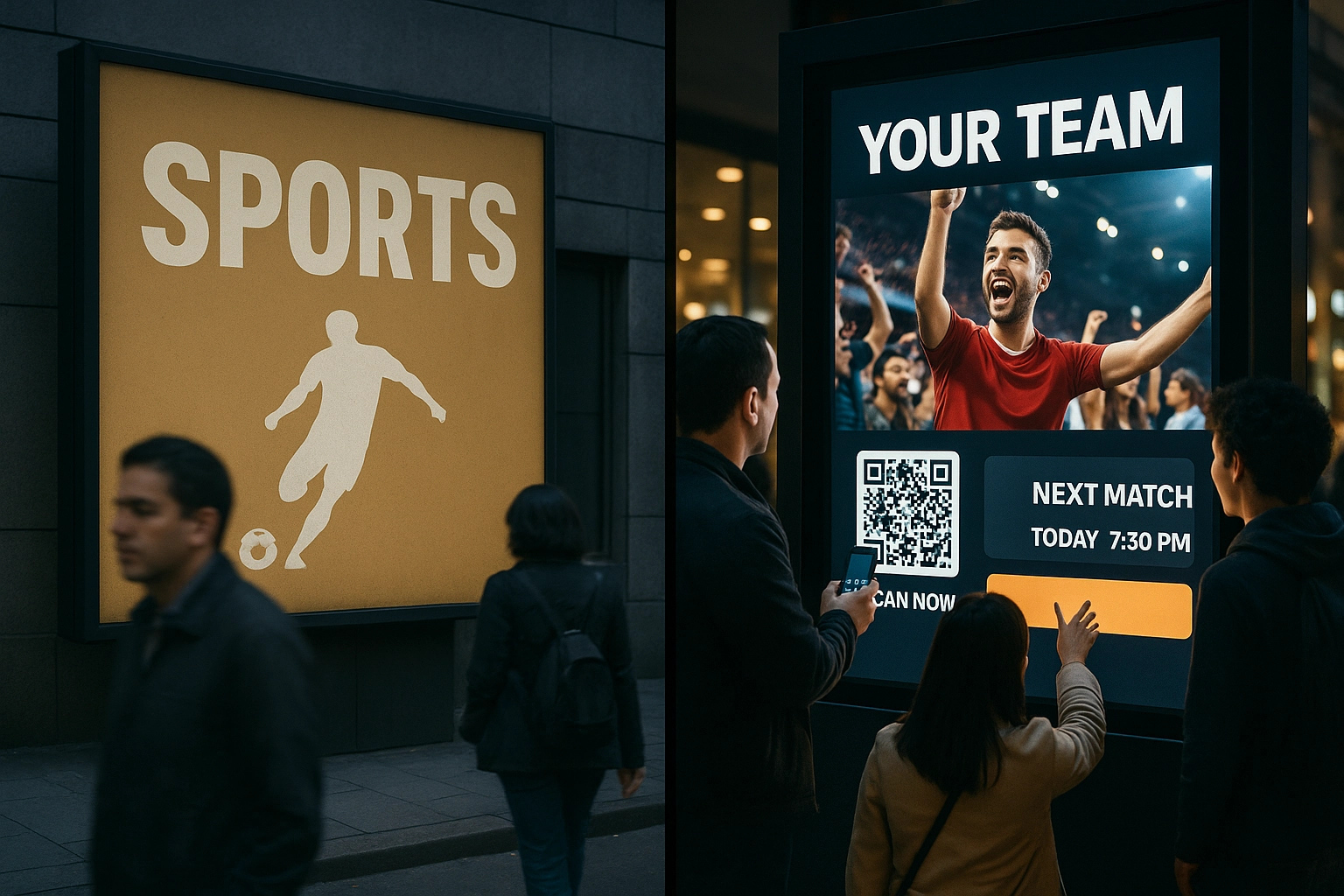
Mistake #5: Lack of Clear and Compelling Call-to-Action Integration
Sports DOOH campaigns frequently display impressive visuals and compelling messaging without providing clear directions for interested viewers to take immediate action. This oversight transforms potentially high-converting exposures into missed engagement opportunities, particularly problematic given the brief attention windows typical in outdoor advertising contexts.
Interactive Solution: Multi-layered CTA strategies incorporate immediate interaction opportunities alongside traditional conversion pathways. Interactive displays feature touch-screen interfaces, voice activation, and gesture recognition that enable instant engagement without requiring mobile device usage. These interactions seamlessly connect to mobile experiences for deeper engagement and conversion completion.
Mistake #6: Misalignment with Peak Fan Engagement Windows
Campaign scheduling often ignores the concentrated nature of sports fan attention, which peaks during specific time periods surrounding games, trade deadlines, and seasonal milestones. Many campaigns maintain consistent exposure levels without capitalizing on these high-engagement opportunities or adjusting messaging to match fan emotional states during different seasonal periods.
Interactive Solution: Event-triggered campaign intensification aligns advertising exposure with peak fan engagement periods. Interactive campaigns automatically increase frequency and adjust messaging intensity during game days, playoff periods, and significant sports events. Pre-game excitement, halftime engagement, and post-game celebration periods each trigger distinct interactive experiences that match fan emotional journeys.
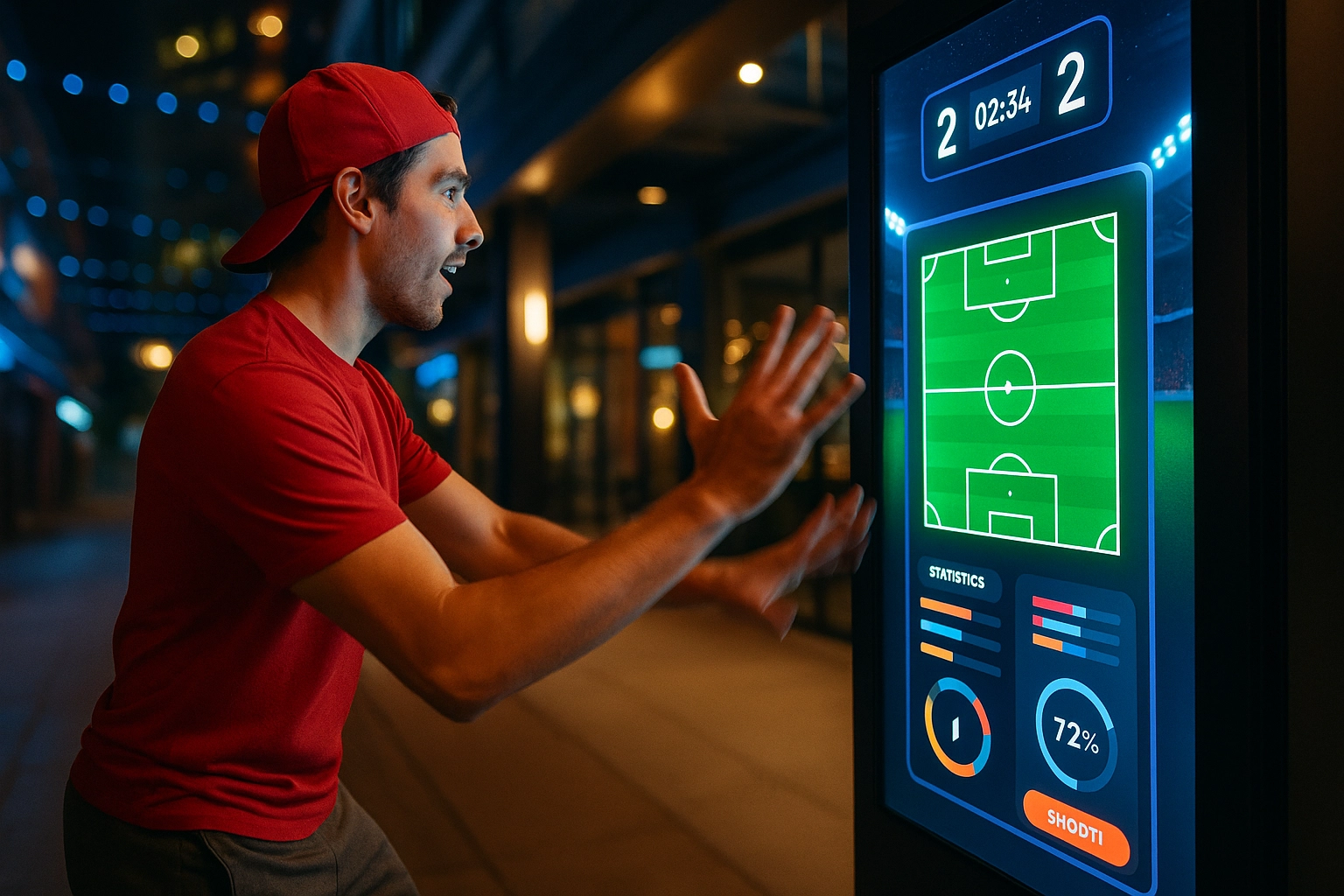
Mistake #7: Insufficient Measurement and Attribution Methodology
Sports DOOH campaigns often rely on traditional impression-based metrics without implementing comprehensive attribution models that track campaign impact on actual business outcomes. This measurement gap prevents accurate ROI calculation and limits optimization opportunities for future campaign iterations.
Interactive Solution: Multi-touch attribution models integrate interactive engagement data with conversion tracking across multiple touchpoints. Interactive DOOH provides unique user interaction data that enables precise attribution modeling, connecting outdoor exposures to downstream actions including website visits, app downloads, and ticket purchases. Advanced measurement protocols track brand lift, purchase intent, and long-term fan loyalty metrics that demonstrate comprehensive campaign impact.
Strategic Implementation Framework
Successful interactive sports DOOH campaigns require systematic planning that integrates technology capabilities with fan engagement strategies. Implementation involves several critical components:
Technology Integration: Programmatic DOOH platforms must connect with customer relationship management systems, social media APIs, and mobile marketing automation tools to enable seamless cross-platform experiences.
Content Strategy: Dynamic creative development requires modular design approaches that facilitate real-time customization based on multiple data inputs without compromising visual quality or brand consistency.
Performance Measurement: Comprehensive analytics frameworks must capture interaction data, attribution metrics, and long-term engagement patterns to enable continuous optimization and demonstrate campaign effectiveness.
The evolution toward interactive sports DOOH represents a fundamental shift in outdoor advertising strategy, moving beyond passive brand exposure toward active fan engagement that drives measurable business outcomes. Organizations that embrace these interactive methodologies position themselves advantageously within the rapidly evolving sports marketing landscape.
For brands seeking to maximize sports DOOH campaign effectiveness, the transition to interactive fan engagement strategies represents both a competitive necessity and a significant opportunity for differentiated fan experiences that drive lasting loyalty and measurable conversion results.
Ready to transform your sports DOOH campaigns with interactive fan engagement? Contact OOH Sports today to discover how leading brands achieve up to 144% increases in purchase consideration through strategic interactive implementations.
Contact Information:
- Website: www.oohsports.com
- Phone: +1 (970) 703-0102 (AI Receptionist)
- CEO: Dan Kost
Related Resources:
- Programmatic DOOH vs Traditional Stadium Ads: ROI Analysis
- Real-Time Sports Betting DOOH Campaign Guide
Tags: #Motivation #Branding #Strategy #Marketing #AdvertisingAndMarketing #digitalmarketing #Innovation #Sports