

The sports-focused digital out-of-home landscape continues to evolve at a rapid pace. OOH Sports has reached a significant milestone in its network expansion, surpassing 25,000 digital screens strategically positioned across sports venues, entertainment districts, and high-traffic zones where passionate fans gather.
This expansion represents more than a numerical achievement. For media buyers and brand marketers targeting sports audiences, the growth signals increased access to premium inventory, enhanced programmatic capabilities, and improved reach across key demographic segments.
Network Scale and Geographic Coverage
The expanded network encompasses digital screens positioned at stadiums, arenas, sports bars, fitness centers, golf courses, and surrounding commercial districts. Each location has been selected based on verified audience concentration and measurable foot traffic patterns.
Geographic distribution spans major metropolitan areas and emerging sports markets. The network includes placement density around professional sports venues, college athletic facilities, and recreational zones where active lifestyle consumers concentrate their time and attention.
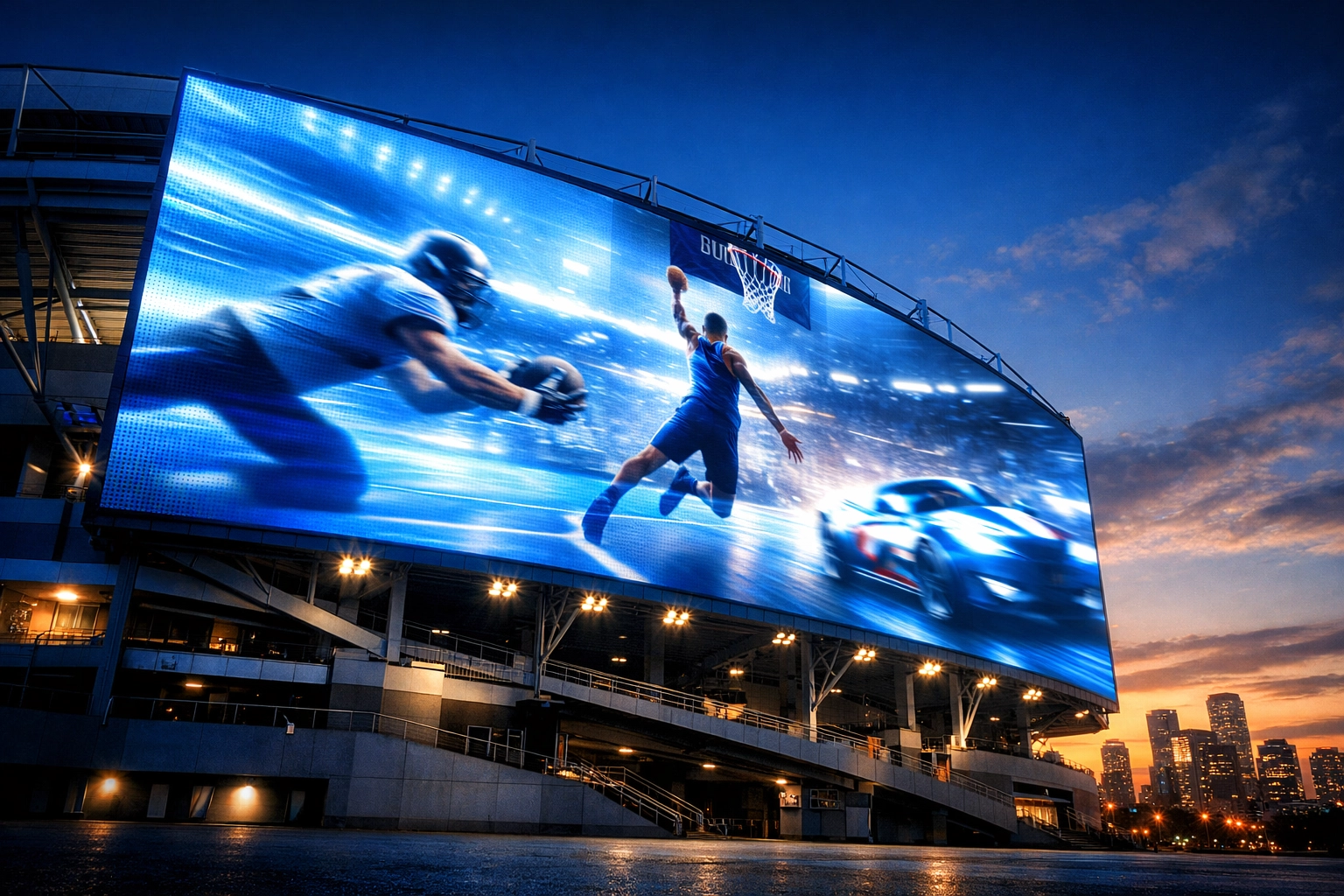
Screen formats within the network vary to match specific environments and viewing contexts. Large-format displays dominate venue exteriors and main concourses. Medium-sized screens populate bar and restaurant interiors. Smaller digital units serve point-of-purchase locations and fitness facility common areas.
This diversity in screen types allows media buyers to construct campaigns that adapt creative messaging to match viewer proximity, dwell time, and engagement opportunity.
Programmatic Access and Buying Efficiency
The expansion coincides with enhanced programmatic infrastructure that streamlines campaign activation for media buyers. Integration with major demand-side platforms enables automated buying workflows, real-time bidding capabilities, and direct access to premium sports inventory.
Buyers can now execute campaigns across the full network through familiar programmatic interfaces. Audience targeting parameters include demographic filters, behavioral indicators, geographic boundaries, and daypart specifications. Creative rotation occurs dynamically based on game schedules, team performance, and real-time events.
Attribution tools track device IDs exposed to screen content, enabling measurement of downstream actions including website visits, store traffic, and conversion events. This closed-loop reporting provides media buyers with performance data comparable to digital channels.
The shift toward programmatic access reduces traditional barriers associated with out-of-home buying. Campaign launch timelines compress from weeks to hours. Budget allocation becomes flexible rather than fixed. Performance optimization happens in-flight rather than post-campaign.
Audience Precision in Sports Environments
Sports fans represent a valuable and often elusive audience segment. They demonstrate higher-than-average household incomes, strong brand loyalty, and active purchasing behaviors across multiple categories including automotive, financial services, consumer packaged goods, and technology.
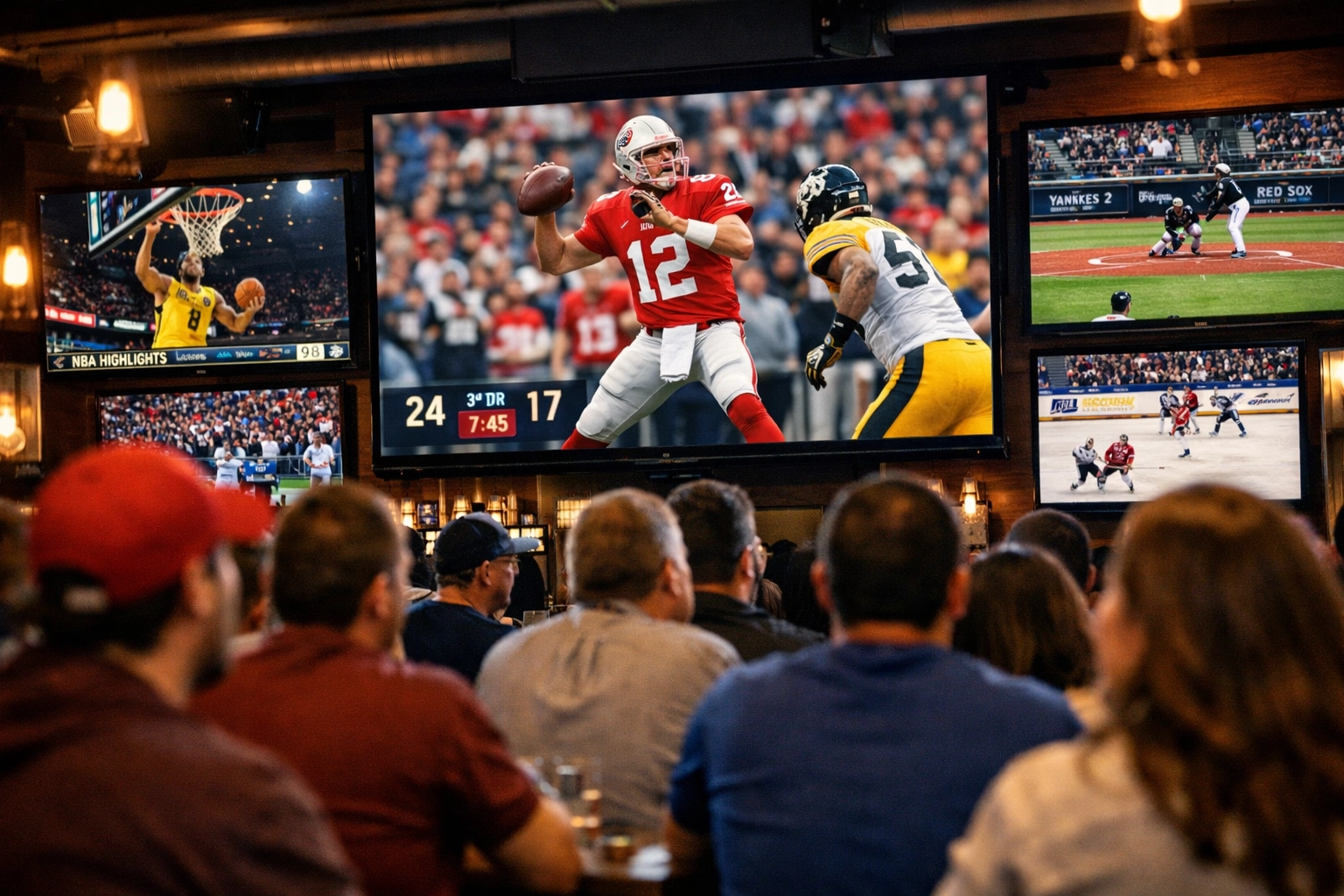
The expanded network delivers access to this audience at moments of peak engagement. Screens positioned near venue entrances capture fans during arrival periods when attention levels are high and mobile device usage intensifies. Interior placements reach audiences during extended dwell periods before events, during intermissions, and in hospitality areas.
Surrounding commercial districts extend reach beyond event attendees to include pre-game and post-game socializing patterns. Sports bars and restaurants with screen placements capture viewing parties, fantasy league participants, and casual fans who consume sports content outside physical venues.
Mobile location data verifies audience composition at each screen location. Buyers can target specific fan bases, isolate corporate hospitality attendees, or reach family demographic segments based on verified visitation patterns rather than assumptions.
Flexibility for Multi-Market and National Campaigns
National brands benefit from the ability to execute coordinated campaigns across multiple markets simultaneously. The network structure supports both broad reach strategies and localized market customization.
A national automotive brand might run consistent creative across all markets while adjusting calls-to-action based on regional dealer inventory. A beverage company could maintain brand messaging consistency while highlighting local retail partners or market-specific promotions.
Regional and local advertisers gain access to premium inventory previously dominated by national budgets. The expanded network increases available impressions, reducing competition for specific dayparts and allowing smaller buyers to secure meaningful reach within target markets.
Campaign pacing controls distribute impressions evenly across flight dates or concentrate delivery around specific events. Brands activating around playoff seasons, championship games, or tournament periods can align spending with peak audience interest.
Creative Opportunities and Dynamic Content
Digital screen capabilities enable creative executions that static billboards cannot accommodate. Motion graphics, video content, and sequential messaging increase attention capture and information retention compared to traditional formats.
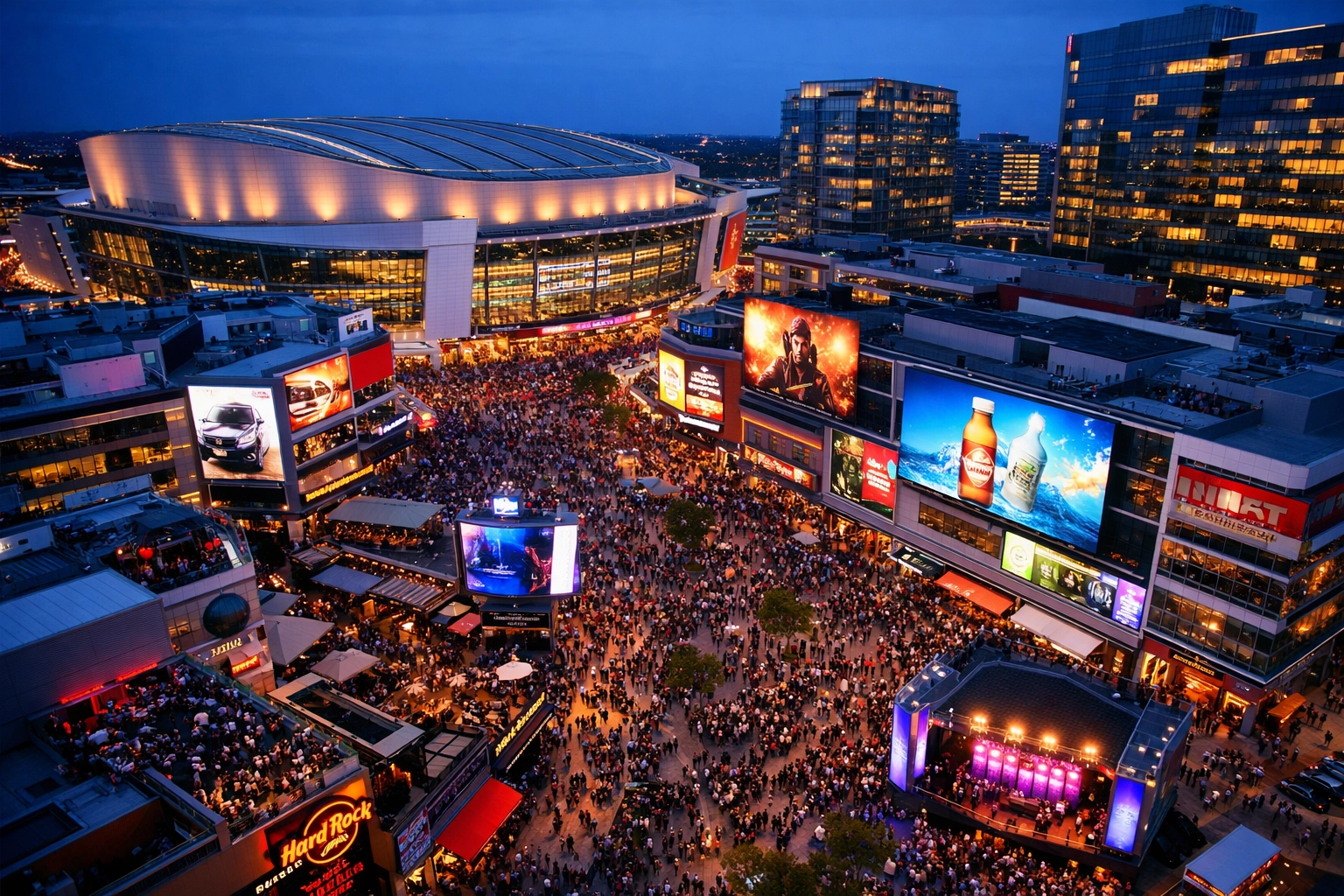
The network supports dynamic creative optimization, allowing brands to test multiple message variations and automatically allocate impressions to top-performing content. Real-time triggers adjust creative based on game scores, weather conditions, local team performance, or breaking sports news.
A sports betting operator might display live odds that update throughout game days. A quick-service restaurant could highlight breakfast offerings during morning hours and shift to lunch promotions as dayparts change. An apparel brand might feature team-specific merchandise based on venue location.
Creative specifications accommodate standard video formats and aspect ratios familiar to buyers executing multi-channel campaigns. The same assets developed for connected TV, online video, or social media can often be deployed to the DOOH network with minimal modification.
Measurement Standards and Performance Benchmarks
Accountability in out-of-home advertising has historically lagged behind digital channels. The expanded network addresses this gap through partnerships with measurement providers that validate impressions, verify audience demographics, and attribute business outcomes.
Third-party verification confirms screen operational status and content delivery. Impression counts reflect verified play cycles rather than theoretical traffic estimates. Audience measurement integrates mobile location data to validate viewer demographics against campaign targeting parameters.
Brand lift studies quantify awareness, consideration, and preference shifts among exposed audiences compared to control groups. Purchase intent measurement tracks campaign impact on downstream consumer behavior. Attribution modeling connects screen exposure to website visits, store traffic, and sales transactions.
These measurement capabilities enable media buyers to evaluate DOOH performance using the same frameworks applied to programmatic display, video, and social media campaigns. Return on ad spend calculations become possible. Performance comparisons across channels guide budget allocation decisions.
Competitive Positioning and Market Dynamics
The milestone positions the network among the largest sports-focused DOOH offerings available to media buyers. Scale advantages include improved geographic coverage, reduced campaign minimums, and increased inventory availability during high-demand periods.
Buyers managing multi-channel campaigns benefit from consolidated access to sports audiences across physical and digital environments. A brand could coordinate messaging across stadium perimeter screens, sports bar televisions, mobile devices, and connected TV platforms, creating true omnichannel reach.
The competitive landscape for sports audiences continues to fragment. Traditional broadcast viewership declines while streaming platforms, social media, and out-of-home channels gain share. Media buyers seeking comprehensive sports audience reach increasingly require multi-platform strategies that extend beyond linear television.
The expanded DOOH network serves as a complement to broadcast and streaming buys rather than a replacement. Screens capture fans during moments when traditional media consumption is interrupted, including travel to venues, socializing before games, and participation in watch parties at commercial locations.
Activation Considerations for Media Buyers
Brands considering the expanded network should evaluate several strategic factors. Audience alignment remains the primary consideration. Campaigns targeting sports fans, active lifestyle consumers, or males aged 21-54 typically perform well within sports environments.
Budget requirements have decreased as network scale has increased. Minimum spend thresholds that previously limited access to larger advertisers now accommodate mid-sized brands and regional campaigns. Cost-per-thousand-impression rates compete favorably with other video formats when viewed on a reach and frequency basis.
Campaign timing should align with sports calendar peaks when audience concentration reaches maximum levels. Playoff seasons, championship events, and rivalry games drive higher venue traffic and increased commercial district activity. Off-season periods offer reduced competition for inventory and lower rates.
Creative production should emphasize visual impact, concise messaging, and clear calls-to-action. Viewers encounter screens during high-distraction environments. Effective creative captures attention quickly, communicates a single primary message, and provides obvious next steps for interested consumers.
Implications for the Broader DOOH Market
Network expansion of this magnitude influences broader market dynamics. Increased inventory supply benefits buyers through improved availability and competitive pricing. Enhanced measurement standards raise performance expectations across the channel.
The sports vertical demonstrates proof points for DOOH effectiveness that extend to other categories. Brands achieving measurable results in sports environments often expand to retail, transit, and place-based networks. Media buyers validating attribution methodologies in controlled sports settings gain confidence applying similar approaches across DOOH channels.
Industry growth projections suggest continued investment in digital screen infrastructure. Venues built in coming years will integrate digital displays as standard features rather than aftermarket additions. Transportation systems, mixed-use developments, and entertainment districts increasingly incorporate digital screens during initial construction phases.
The expanded OOH Sports network represents both current capability and future trajectory. Media buyers evaluating the channel gain access to immediate campaign opportunities while positioning for continued growth in sports audience reach through digital out-of-home formats.
Additional information about network specifications, audience verification methodologies, and campaign activation processes is available at oohsports.com.