

Sports fans represent one of the most engaged, passionate audiences available to brands. The challenge for media buyers and brand managers is converting that emotional energy into measurable customer action. Digital out-of-home (DOOH) advertising solves this problem by reaching fans at high-engagement moments with dynamic, location-specific content that drives conversions.
The strategies outlined below demonstrate how brands have successfully transformed passive sports viewers into active customers through innovative DOOH applications. Each approach leverages the unique advantages of digital outdoor advertising: real-time updates, location targeting, and the ability to create immersive brand experiences at scale.
Real-Time Dynamic Content Strategies
1. Live Score and Countdown Integration
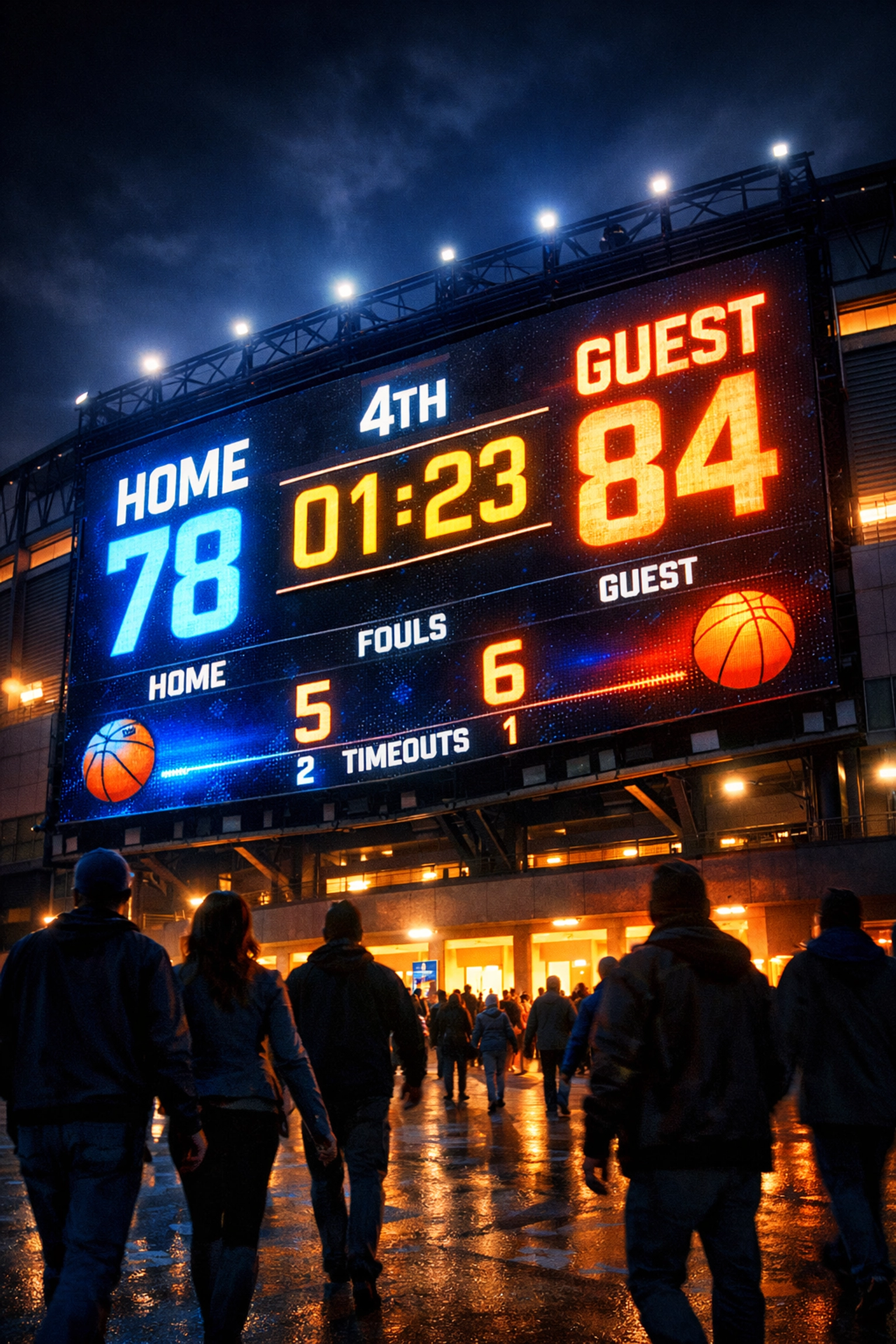
Automated game countdowns, live scores, and player statistics displayed on digital screens near stadiums and fan gathering locations create immediate relevance. This approach works because it delivers information fans actively seek while they're in a receptive mindset.
The NBA implemented this strategy by populating ad templates with local game information and scaling the campaign nationwide. The results included a 25% increase in tune-in intent and a 7% gain in brand awareness. The success came from making each screen feel personalized to the local market while maintaining operational efficiency through template automation.
Media buyers can implement this by working with DOOH networks that offer dynamic content capabilities and API integrations with live sports data feeds. The key is ensuring creative templates are flexible enough to accommodate different team names, scores, and timing while maintaining brand consistency.
2. Event-Reactive Creative Messaging
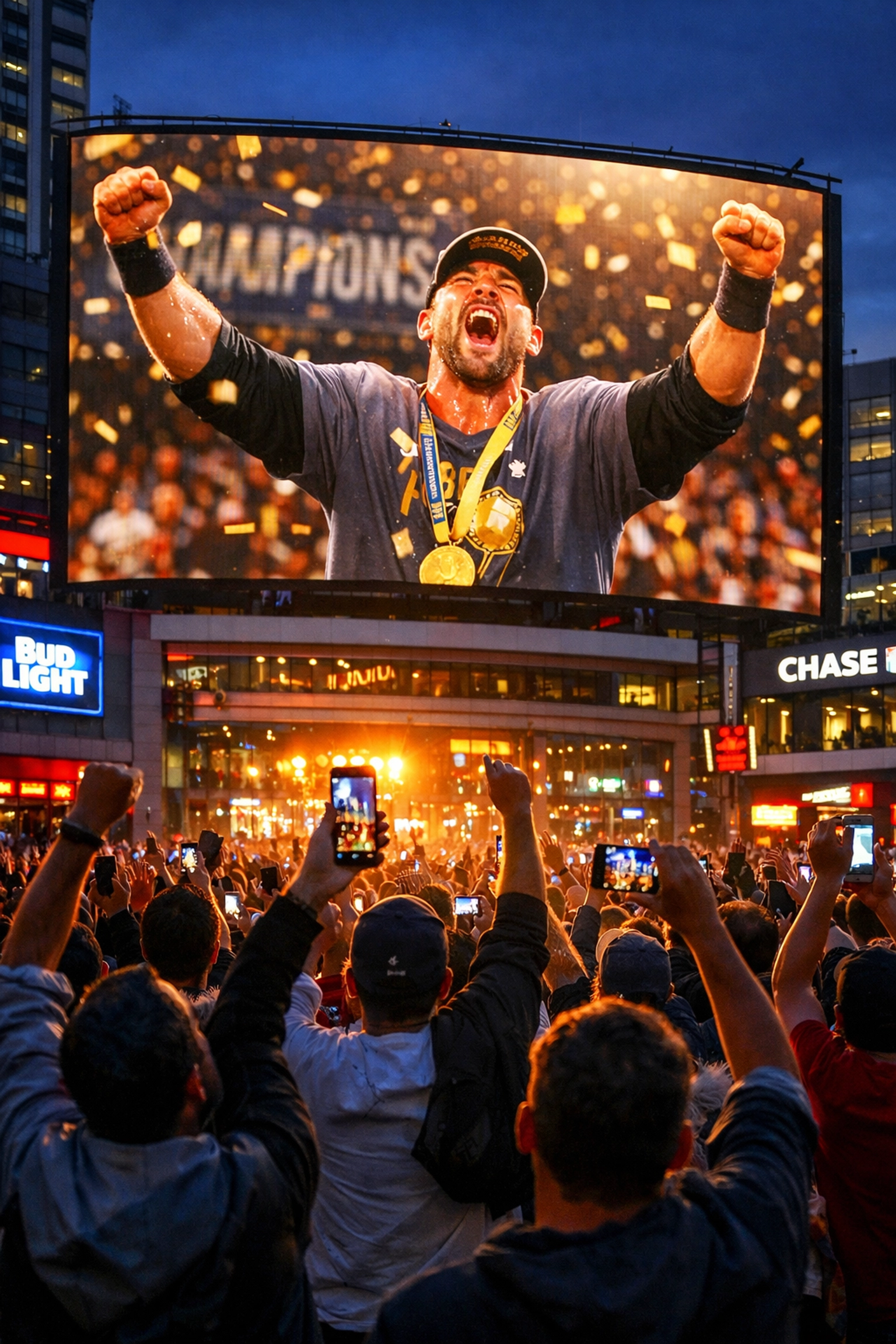
Responsive creative that shifts instantly based on game outcomes or player performances capitalizes on peak emotional moments. Fans experience heightened engagement immediately after significant sports events, creating ideal conditions for brand messaging.
New Balance deployed a real-time campaign celebrating Dutch athlete Femke Bol's championship victory, which resonated because it felt timely and personal. Similarly, the Jordan brand published a record-breaking tribute billboard after Jayson Tatum's Game 7 performance, capturing attention while the achievement was still trending on social media.
This strategy requires pre-approved creative variations and rapid deployment capabilities. Brands must establish clear triggers (win/loss scenarios, milestone achievements, record-breaking performances) and have creative assets ready to activate within minutes of each outcome.
Engagement and Conversion Drivers
3. Interactive Quiz and Social Integration
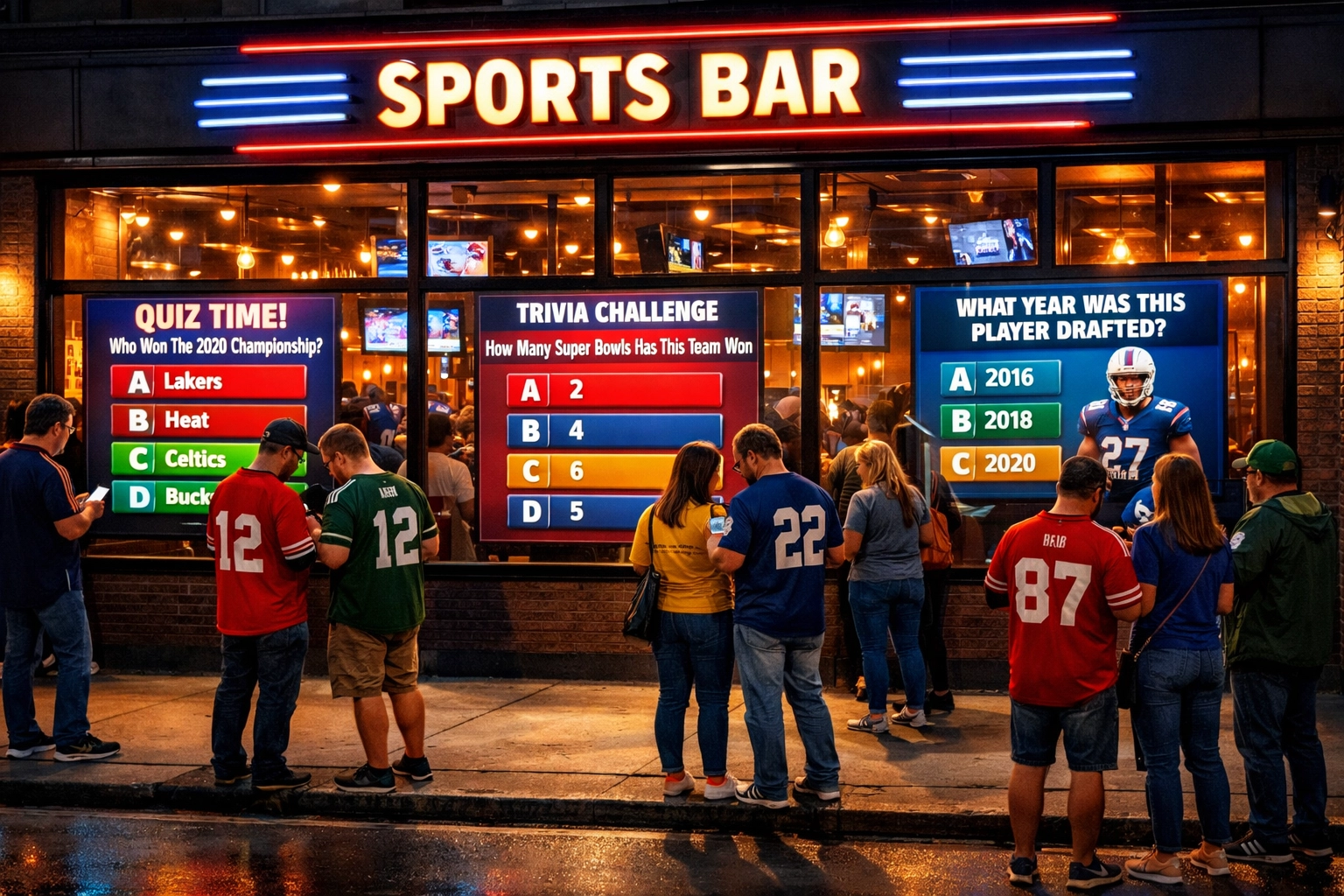
On-screen quiz opportunities connected to social media engagement extend the reach of DOOH campaigns beyond the physical screen location. This approach transforms one-way advertising into participatory experiences that generate user-generated content and amplify campaign visibility.
Continental Tyres displayed quiz questions on outdoor screens, offering fans tickets for answering correctly on social media using branded hashtags. The strategy worked because it provided clear value exchange (tickets for participation) and leveraged social proof as more fans shared their entries.
Implementation requires coordination between DOOH placements and social media management teams. Questions should be simple enough to answer quickly but relevant enough to demonstrate brand knowledge or sports fandom. Prize fulfillment processes must be streamlined to maintain participant trust.
4. Location-Based Promotional Offers
Digital screens deployed at restaurants, bars, and entertainment venues near sports facilities deliver promotional messages when fan energy peaks. Post-game moments represent optimal timing because fans are already in celebratory or social moods and making immediate purchasing decisions.
Jack in the Box drove 1.3 million customers to locations by using video and static OOH across indoor and outdoor venues to promote new menu items. The campaign succeeded by meeting fans where they naturally gathered after games and providing time-sensitive offers that encouraged immediate action.
Media buyers should map fan movement patterns around major sporting venues and identify high-traffic locations within a 15-minute walk or drive. Promotional offers should feature clear calls to action with time limits that create urgency without seeming pushy.
5. Influencer-Led Localized Campaigns
Targeting fans near major sports venues with influencer-driven creative and localized messaging builds credibility while maintaining geographic precision. Sports fans trust athletes and sports personalities, making influencer partnerships particularly effective for this audience.
PrizePicks combined programmatic DOOH with direct buying near sports venues, achieving an 80% lift in consideration, 121% increase in message association, and 103% boost in brand favorability. The campaign worked because it featured recognizable sports personalities in contexts where the target audience was already thinking about sports.
This approach requires identifying influencers whose audience demographics align with target customer profiles and negotiating usage rights for outdoor advertising placements. Creative should feel authentic to the influencer's style rather than overly scripted or branded.
Immersive and Multi-Sensory Experiences
6. 3D Billboard Moments and Viral Creative
Shareable, immersive experiences that generate social media buzz extend campaign reach far beyond the physical screen location. Three-dimensional displays and innovative creative executions capture attention in crowded environments and motivate viewers to photograph and share the experience.
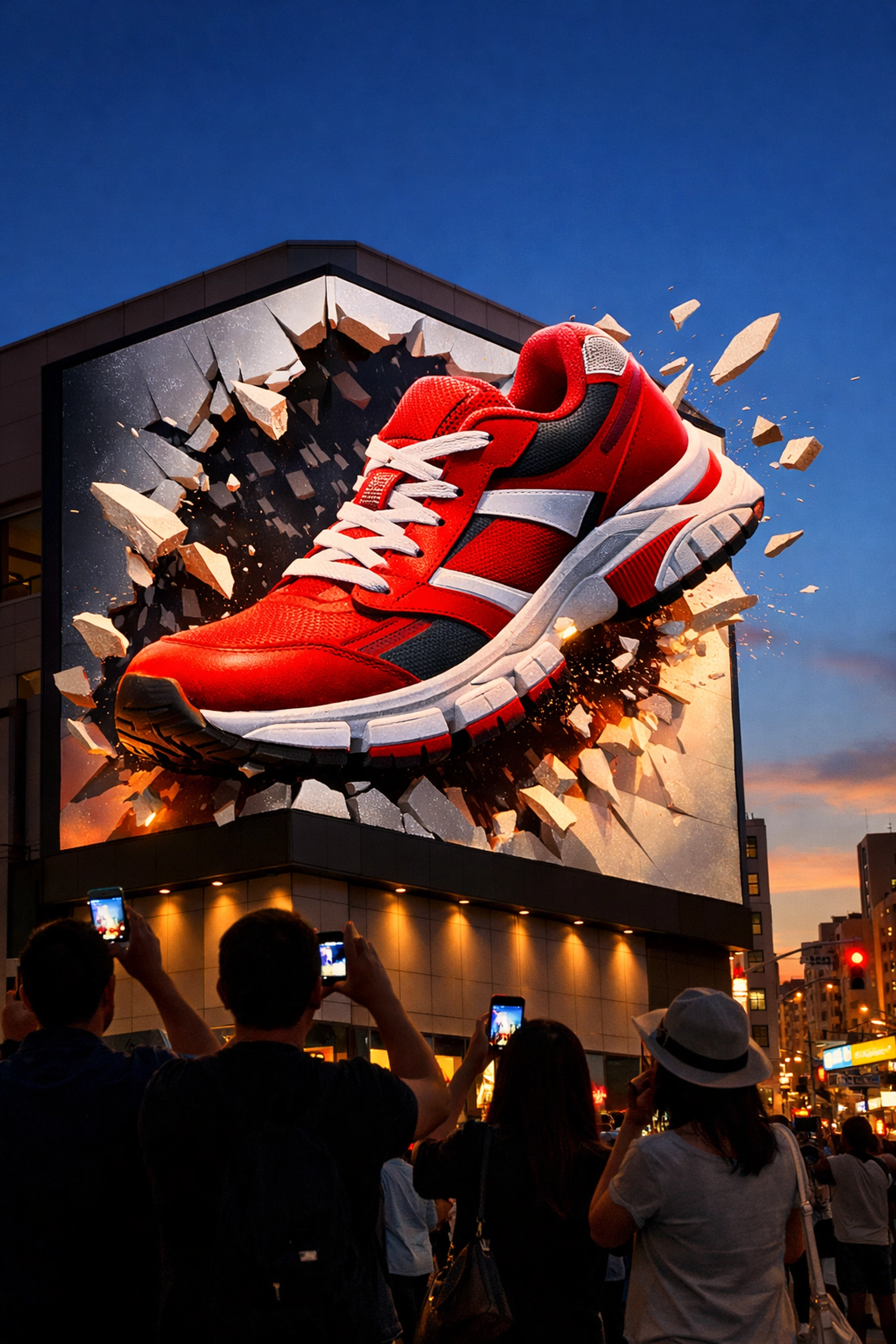
Nike's 3D Tokyo billboard featuring a periodically opening shoebox transformed a local campaign into a global social media phenomenon. The creative worked because it surprised viewers with unexpected movement and created a "you had to see it" moment that encouraged sharing.
While 3D capabilities require premium placements and specialized production, the investment generates value through earned media and social amplification. Brands should budget for both the placement costs and the creative production required to execute these high-impact displays effectively.
7. Fan Celebration Pop-Ups at Venues
Experiential brand activations at major venues that engage fans directly create memorable interactions that traditional advertising cannot replicate. These activations work best when they provide genuine value to fans rather than simply promoting products.
A sports apparel brand's pop-up featuring social media football influencers offering fans styling services generated 57 million impressions from 22 posts, earned 52 million net reach through news coverage, and boosted sales by 18%. The success came from creating an experience fans wanted to participate in and share rather than passively view.
Execution requires coordinating venue permissions, staffing, inventory management, and social media documentation. The key is ensuring the activation feels like a fan benefit rather than a sales pitch.
Omnichannel Activation Strategies
8. Multi-Touchpoint Game-Day Sequencing
Strategic DOOH activation at city centers before games, near stadiums during fan arrival, along commute routes, and at venues after games maintains top-of-mind awareness throughout the fan journey. This approach recognizes that fans interact with brands multiple times during game-day experiences.
The strategy works by creating repeated exposure at different emotional states. Pre-game messaging builds anticipation, arrival messaging reinforces presence, and post-game messaging capitalizes on heightened emotions. Following up with retargeting via streaming, podcasts, and digital displays extends the campaign into the days following the game.
Media buyers should map typical fan journeys and identify key touchpoints where different message types resonate. Pre-game creative differs from post-game creative in tone, call to action, and urgency level.
9. Data-Driven Personalization
Location data and fitness app integration enable delivery of personalized messaging to specific fan segments. This precision targeting ensures advertising dollars reach individuals most likely to convert rather than broad, undifferentiated audiences.
Brands like Gymshark and On Running leveraged Strava data to drive foot traffic with targeted campaigns promoting inclusivity. The approach worked because messaging aligned with recipients' demonstrated behaviors and interests rather than assumptions about sports fan preferences.
Implementation requires partnerships with data providers, compliance with privacy regulations, and creative variations tailored to different audience segments. The investment in personalization typically generates higher conversion rates that justify the additional planning complexity.
10. Celebrity and Athlete Endorsements in High-Traffic Placements
Recognizable athletes featured in premium OOH placements across multiple digital and static locations build brand credibility while capturing attention in competitive environments. Sports fans demonstrate strong affinity for athletes they admire, making endorsements particularly effective for this audience.
Cotton On's partnership with AFL player Bailey Smith across 200+ Melbourne placements drove significant social media engagement from both sports and lifestyle audiences. The campaign succeeded by selecting an athlete whose personal brand aligned with company values and whose fan base matched target customer demographics.
Media buyers should evaluate athletes based on audience alignment rather than pure follower counts. Micro-influencers with highly engaged, demographically specific audiences often deliver better ROI than celebrities with massive but less targeted followings.
Measuring Impact and Optimizing Performance
Research demonstrates that OOH combined with social media boosts business effects such as profit and sales by 20%. Dynamic DOOH ensures real-time relevance and contextual messaging that transforms casual viewers into engaged customers ready to convert.
Success requires establishing clear measurement frameworks before campaign launch. Device ID tracking, brand lift studies, foot traffic attribution, and social media monitoring provide quantifiable data that demonstrates DOOH effectiveness and guides optimization decisions.
Media buyers and brand managers implementing these strategies should start with pilot campaigns in one or two markets, measure results rigorously, and scale successful approaches. The flexibility of programmatic DOOH enables rapid testing and iteration without the long lead times required for traditional outdoor advertising.
Sports fans represent a unique opportunity for brands willing to meet them at moments of peak engagement with relevant, dynamic messaging. The ten strategies outlined above demonstrate proven approaches for transforming passive viewers into active customers through innovative DOOH applications.