
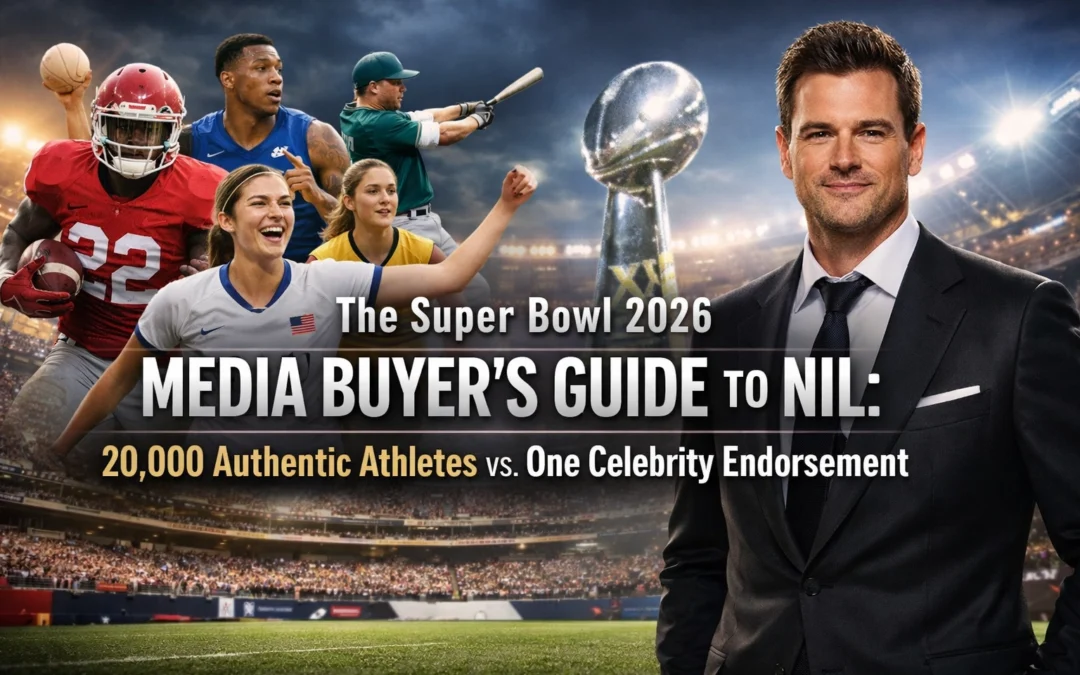
Media buyers preparing for Super Bowl 2026 face a strategic inflection point. The traditional playbook of securing a celebrity endorser and a 30-second spot no longer delivers optimal returns. The shift toward Name, Image, and Likeness (NIL) partnerships with college athletes represents a fundamental restructuring of how brands achieve authenticity, engagement, and cost efficiency in the current advertising landscape.
The Authenticity Performance Gap
Celebrity endorsements face measurable challenges in audience perception, particularly among younger demographics who comprise the majority of Super Bowl viewership. Research indicates that younger audiences possess sophisticated filters for inauthentic partnerships. When endorsements appear purely transactional, engagement rates decline significantly and brand affinity suffers.
College athletes deliver what celebrities cannot provide: genuine connection with niche audiences and credibility within specific communities. The distinction becomes clear in engagement metrics. NIL partnerships generate higher engagement rates and stronger brand affinity among Gen Z consumers when brands co-create content with athletes rather than placing them in pre-scripted advertisements.
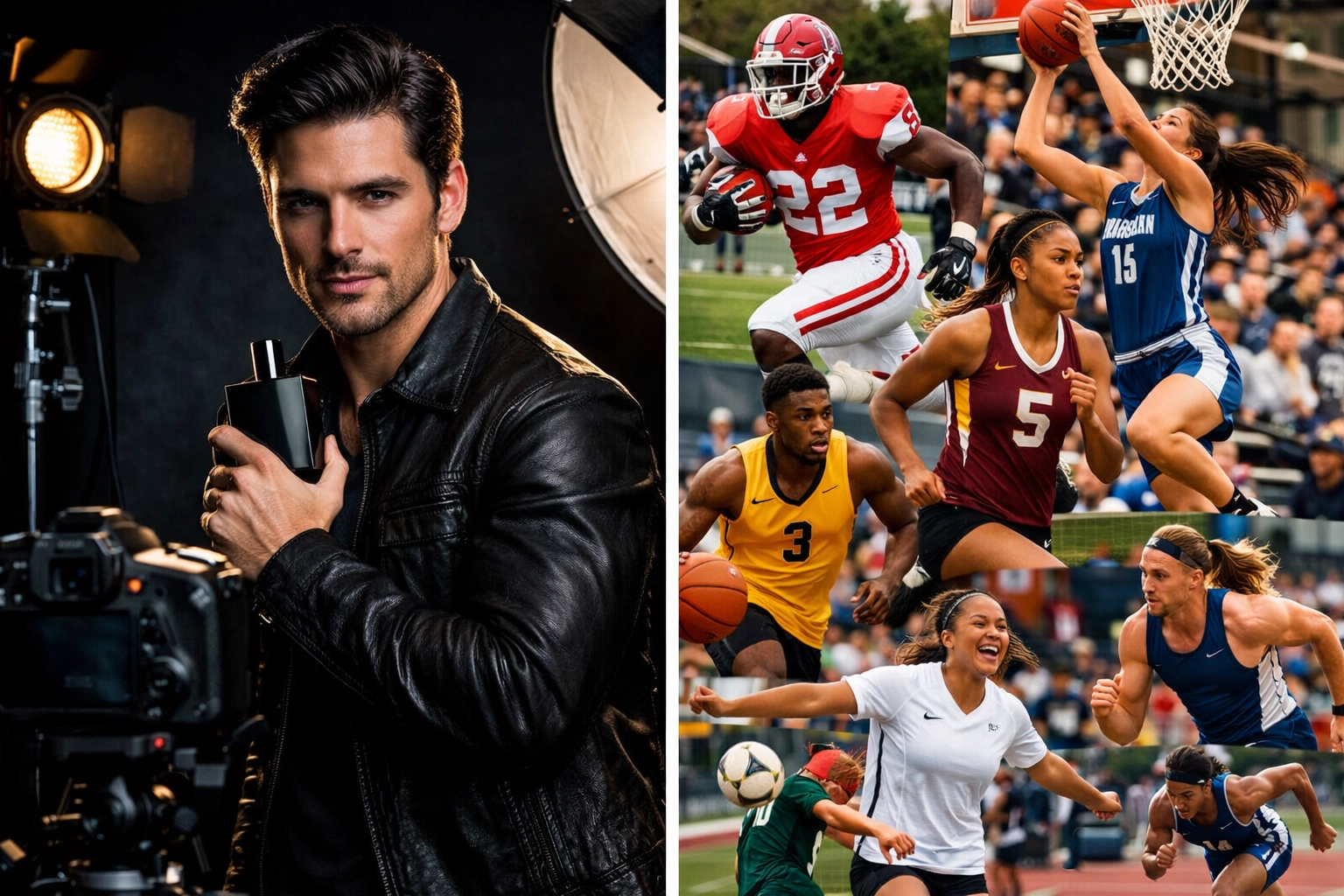
The content creation approach matters significantly. Athletes who maintain their voice and integrate brand messaging naturally into their existing content ecosystems create campaigns that feel inevitable rather than transactional. This authenticity translates directly into performance metrics that outpace traditional celebrity endorsement benchmarks.
The 20,000 Athlete Network Advantage
Access to over 20,000 authenticated student-athletes across multiple markets and sports creates strategic opportunities impossible with single-celebrity partnerships. This scale enables several distinct advantages:
Geographic Specificity: A quarterback at a major state university may reach more engaged consumers in that region than a national celebrity endorser, at a fraction of the cost. For Super Bowl 2026 in Phoenix, brands can simultaneously dominate the host city while building presence in college towns nationwide through localized credibility.
Demographic Precision: Different sports attract different audience segments. Track and field athletes connect with fitness-conscious consumers. Basketball players reach urban markets. Football connects with traditional sports audiences. A diversified athlete portfolio allows brands to target multiple demographic segments simultaneously.
Risk Mitigation: Portfolio diversification across multiple athletes protects campaigns from the reputational risks inherent in betting on a single high-profile endorser. If one athlete faces unexpected challenges, the campaign maintains momentum through the broader network.
Strategic Portfolio Construction
The optimal NIL strategy for Super Bowl 2026 emphasizes portfolio construction across multiple athlete tiers rather than concentrating investment in a single celebrity partnership:
- Combine 1-2 high-profile athletes with networks of mid-tier partners who collectively deliver broader reach and deeper market penetration
- Leverage geographic specificity that single celebrities cannot achieve
- Build redundancy that protects campaign performance from individual athlete challenges
- Create sustained engagement across multiple platforms and audience segments
This portfolio approach transforms the traditional endorsement model from a single point of contact into a distributed network of authentic voices reaching distinct but complementary audience segments.
Cost Efficiency and Performance Metrics
NIL partnerships create measurable cost advantages compared to traditional celebrity endorsements. Strike Social reported up to 70% Cost Per Landing Page Click (CPLC) efficiency on Meta platforms when utilizing influencer-driven content strategies. This efficiency stems from two factors: lower endorsement costs of mid-tier athletes compared to premium celebrity rates, and higher engagement rates that improve campaign metrics across platforms.
The economic model shifts from paying premium rates for single high-profile endorsers to distributing budget across multiple authentic voices. Each athlete delivers targeted reach within specific communities at significantly lower CPM rates than national celebrity campaigns.
For media buyers allocating Super Bowl 2026 budgets, this cost structure creates opportunities to expand reach, increase frequency, and maintain presence across longer campaign windows without increasing total investment.
Phoenix and Beyond: Geographic Targeting Strategy
Super Bowl 2026 in Phoenix creates specific opportunities for geographically targeted NIL partnerships. Arizona State University athletes provide authentic local connection in the host market. Simultaneously, athletes from universities in key markets nationwide extend campaign reach beyond the Super Bowl footprint.
This geographic flexibility enables brands to dominate in Phoenix while building presence in college towns across the country. The strategy transforms a single-event activation into a sustained multi-market campaign using local credibility as the foundation.
Athletes from regional universities create content that resonates specifically within their communities. A campaign featuring athletes from universities in Texas, California, Florida, and the Midwest simultaneously activates multiple high-value markets with locally authentic voices.
Integration with Traditional Super Bowl Advertising
https://www.youtube.com/watch?v=l6J-0zileKE
The optimal strategy does not eliminate traditional Super Bowl commercials. It enhances them through strategic integration. Design campaigns with NIL integration as a core component from the outset, using college athletes to preview, amplify, or extend national advertising narratives across social platforms.
Athletes create pre-game buzz through social content that builds anticipation. During the game, they provide real-time commentary that extends brand presence beyond the 30-second spot. In the days following the game, athlete-generated content sustains engagement when traditional ad impact typically declines sharply.
This integrated approach leverages expensive 30-second spots for massive reach while deploying NIL partnerships for authenticity, localized reach, and sustained engagement that complements the massive but brief impact of a television commercial.
Content Co-Creation Methodology
Successful NIL campaigns for Super Bowl 2026 require content co-creation rather than dictated messaging. Athletes who receive scripted content produce material that audiences immediately recognize as inauthentic. The engagement metrics reflect this perception.
Effective partnerships provide athletes with brand guidelines and campaign objectives, then allow them to create content in their authentic voice. This approach produces material that integrates naturally into the athlete's existing content ecosystem and resonates with their specific audience.
Brands that adopt co-creation methodologies report higher completion rates, increased sharing behavior, and stronger brand affinity metrics compared to campaigns using scripted athlete content.
Measurement and Attribution
NIL campaign measurement requires specific attribution methodologies distinct from traditional celebrity endorsement tracking. Key performance indicators include:
- Engagement rate by athlete tier and sport
- Audience overlap analysis across athlete networks
- Geographic penetration in target markets
- Cost per engagement compared to celebrity benchmarks
- Brand lift studies in key demographic segments
- Conversion tracking through unique promo codes or landing pages
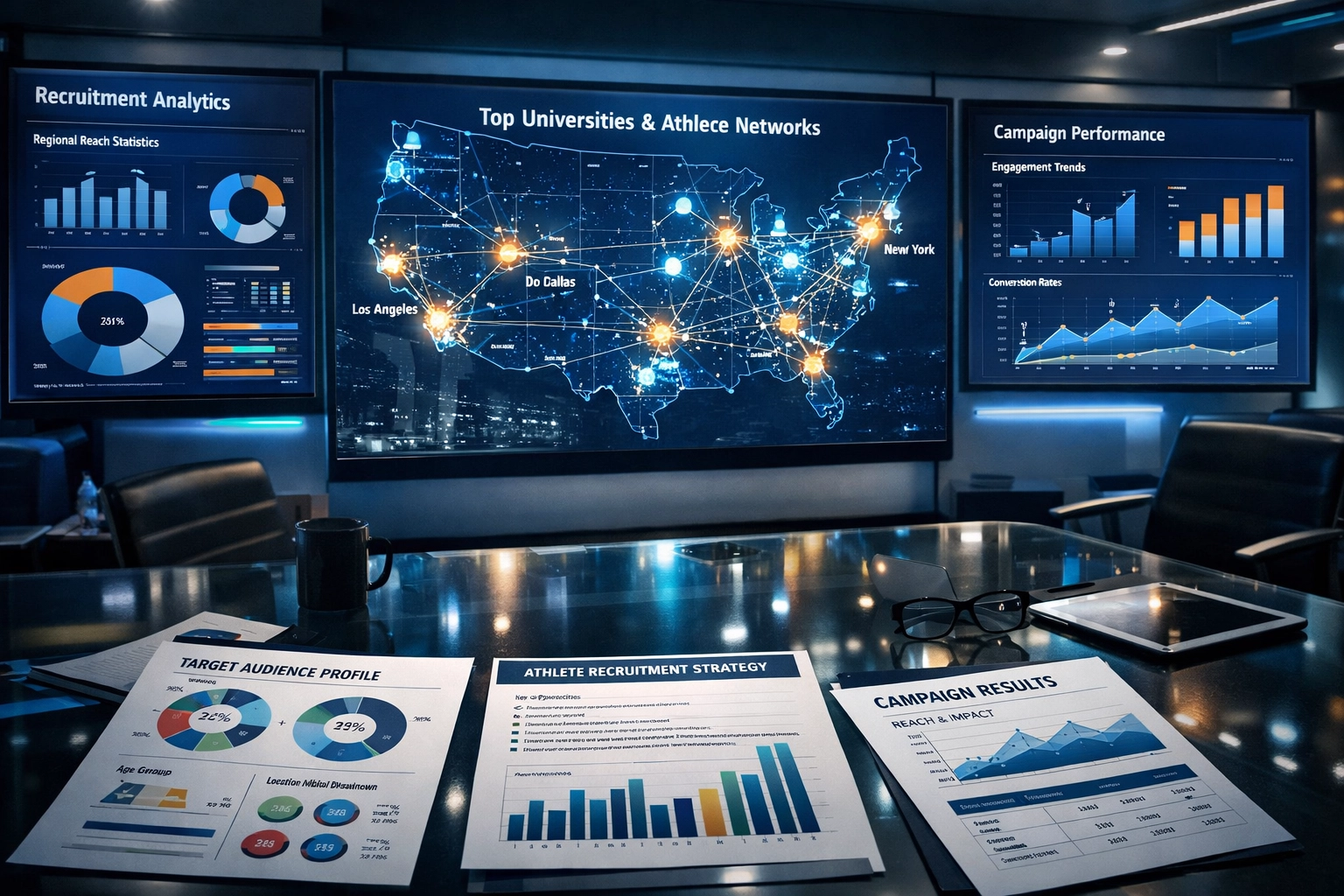
Platforms providing access to authenticated athlete networks typically include measurement dashboards that track performance across the entire portfolio. This data enables real-time optimization and budget reallocation to highest-performing segments.
Strategic Recommendations for Media Buyers
Media buyers allocating Super Bowl 2026 budgets should consider the following strategic framework:
Phase 1 (Now through December 2025): Secure athlete partnerships and begin content development. Early activation creates momentum heading into Super Bowl season.
Phase 2 (January 2026): Intensify athlete-generated content production. Create anticipation through behind-the-scenes material, predictions, and pre-game commentary.
Phase 3 (Super Bowl Week): Deploy real-time content, game commentary, and reactive messaging that extends traditional advertising narratives.
Phase 4 (Post-Game): Sustain engagement through post-game analysis, brand integration content, and extended campaign messaging when traditional ad recall declines.
This phased approach transforms a single-event activation into a sustained multi-month campaign using authentic athlete voices as the connective tissue across phases.
The brands dominating Super Bowl 2026 conversation will be those successfully integrating both traditional advertising and NIL partnerships. The combination delivers massive reach through expensive television spots while maintaining authenticity, localized presence, and sustained engagement through strategic athlete partnerships. For media buyers, the question is no longer whether to incorporate NIL into Super Bowl strategy, but how to optimize the integration for maximum performance and cost efficiency.