
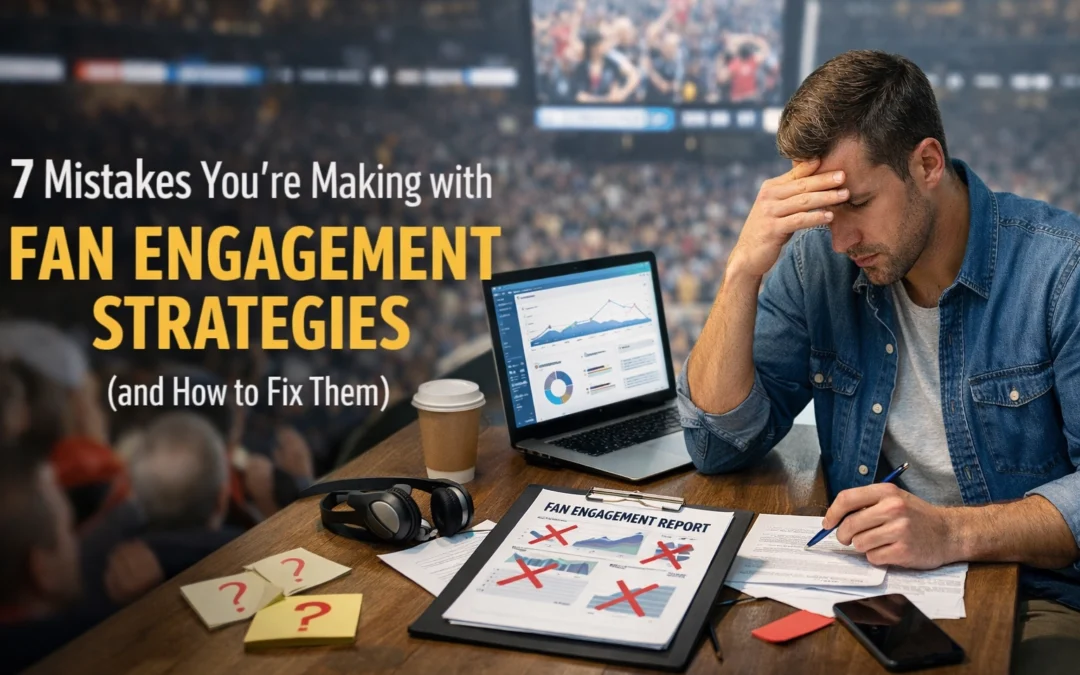
Fan engagement is the heartbeat of sports marketing. When a brand connects with a fan inside a stadium, it is tapping into a level of passion and attention that is nearly impossible to replicate in a living room. However, many Creative Directors and CMOs fall into common traps that dilute their brand impact and waste valuable advertising spend.
Effective fan engagement requires more than just putting a logo on a screen. It requires a strategic blend of timing, technology, and psychological resonance. By identifying and correcting these seven common mistakes, brands can transform their stadium presence from background noise into a powerful driver of purchase intent and brand loyalty.
1. The Trap of Inconsistent Messaging
One of the most frequent errors in fan engagement is the lack of a steady pulse. Brands often launch a high-energy campaign during a major championship but remain silent during the regular season. This inconsistency creates a "ghosting" effect where the audience loses familiarity with the brand. When messaging is irregular, fans do not build the cognitive associations necessary for long term brand recall.
The Fix: Establish a Reliable Rhythm
The solution lies in developing a consistent messaging schedule. Utilizing stadium perimeter advertising, such as those offered by OOH Sports, ensures that the brand remains a constant companion to the fan experience. By maintaining a presence throughout the entire season, a brand becomes part of the game day ritual. Consistency establishes reliability, which is the foundation of trust between a brand and its audience.
2. Viewing Fans as a Passive Audience
Many strategies fail because they treat fan engagement as a one-way street. A common mistake is focusing exclusively on self promotion without considering the fan's perspective or emotional state. If a brand only talks about itself without acknowledging the excitement of the game, it risks being ignored.
The Fix: Create a Two-Way Conversation
Messaging should be designed to mirror the energy of the crowd. This can be achieved through interactive elements or content that reacts to the game’s progress. Actively listening to the audience involves understanding their needs and interests during the event. Integrating fan feedback or live social media feeds into stadium displays turns a passive viewer into an active participant.

3. Sending Contradictory Brand Signals
In the rush to be creative, some campaigns drift too far from the core brand identity. When a brand’s stadium ads look and feel completely different from its digital or television presence, it creates a sense of uncertainty. Conflicting messages dilute brand equity and make it difficult for fans to understand the true value proposition.
The Fix: Maintain Strategic Alignment
Every piece of creative, from the stadium perimeter boards to the mobile retargeting ads, must align with the core brand values. This cohesion ensures that every touchpoint reinforces the same message. Clear, concise, and unified communication is essential for building a strong, recognizable brand identity in a crowded sports environment.
4. The Failure to Personalize the Experience
Treating 50,000 fans as a single monolithic group is a missed opportunity. In the era of big data, a "one size fits all" approach feels outdated and impersonal. Fans have different reasons for being at the game, different spending habits, and different levels of loyalty.
The Fix: Leverage Data and Programmatic DOOH
Building effective personalization requires organized data from various fan touchpoints. By using programmatic Digital Out-of-Home (DOOH) technology, brands can tailor their creative based on real-time factors like weather, game score, or time of day. Sportrons and other specialized OOH tools allow for dynamic content delivery that feels relevant to the individual fan rather than the generic crowd.

5. The Social-to-Owned Platform Drop-Off
Many brands successfully engage fans on social media during a game but fail to move those fans into their own marketing ecosystem. This is known as the "drop-off." If a fan likes a post but never signs up for a newsletter or downloads an app, the brand loses the ability to communicate with them once the game ends.
The Fix: Implement In-Game Triggers
To bridge this gap, brands should use stadium perimeter advertising to drive specific actions. For example, a promotion displayed on a stadium screen can encourage fans to scan a QR code or visit a specific URL to enter a giveaway. This moves the fan from a third party platform (like a social network) into an owned channel (like an email list). This transition is vital for moving fans deeper into the engagement funnel.
6. The "One-and-Done" Interaction
A significant mistake is the lack of a follow-up strategy. Many organizations view a stadium advertisement as a single transaction rather than the start of a relationship. If there is no plan to re-engage the fan after they leave the stadium, the initial investment yields a lower return.
The Fix: Strategic Retargeting and Attribution
Successful campaigns utilize technology to bridge the gap between the physical and digital worlds. By identifying device IDs exposed to stadium advertising, brands can later retarget those same fans with relevant digital ads. This approach was highly effective in the Sea-Doo campaign, which saw a 144% increase in purchase consideration through a multi-layered OOH and digital approach. Following up turns a single moment of attention into a sustained brand preference.
7. Ignoring the "Always-On" Habit
Some marketing teams treat fan engagement like a light switch that they only turn on during big events. This sporadic approach creates gaps in the fan connection. When a brand disappears for months at a time, it loses the "top of mind" status required for consumer decision making.
The Fix: Continuous Presence and Long-Term Strategy
Maintaining an "always-on" engagement habit means finding ways to stay connected between major events. This could involve off-season content, community involvement, or year-round OOH placements. A brand that stays present is the brand that is remembered when the consumer is ready to make a purchase.

The Power of Stadium Perimeter Advertising
Stadium perimeter advertising remains one of the most effective tools for correcting these mistakes. Unlike digital ads that can be skipped or blocked, stadium ads are an unmissable part of the visual landscape of sports. They provide the scale needed for brand awareness and the frequency required for message retention.
Consider the results seen by major brands in the industry. For instance, AB InBev’s Mike’s Hard Iced Tea utilized programmatic DOOH to achieve a 119% lift in positive brand image. Similarly, White Claw saw a 74% lift in purchase consideration for their vodka launch by leveraging the power of high-impact OOH placements.
These results are not accidental. They are the product of avoiding the seven mistakes listed above and embracing a data-driven, consistent, and fan-centric approach to advertising.
Final Strategic Considerations
For Creative Directors and CMOs, the goal is to move beyond simple visibility. The objective is to create a seamless journey for the fan, starting with the high-impact visual of a stadium ad and ending with a measurable action.
To achieve this, brands should focus on:
- Centralizing Data: Clean and organized data is essential for any personalization strategy.
- Omnichannel Execution: Ensuring that the stadium message is amplified by digital and social channels.
- Measurement and Attribution: Using brand lift studies and foot traffic analysis to quantify the success of the campaign.
Fan engagement is a complex challenge, but by fixing these common errors, brands can unlock the true potential of the sports marketing environment. For more information on how to optimize stadium advertising, visit the OOH Sports marketing page or explore recent case studies to see these strategies in action.

The stadium is more than just a venue for a game. It is a premium advertising environment where brands have a captive and passionate audience. By approaching fan engagement with precision and consistency, brands can build lasting connections that extend far beyond the final whistle. For companies looking to refine their strategy, the OOH Sports contact page provides a gateway to expert consultation on maximizing stadium impact.