
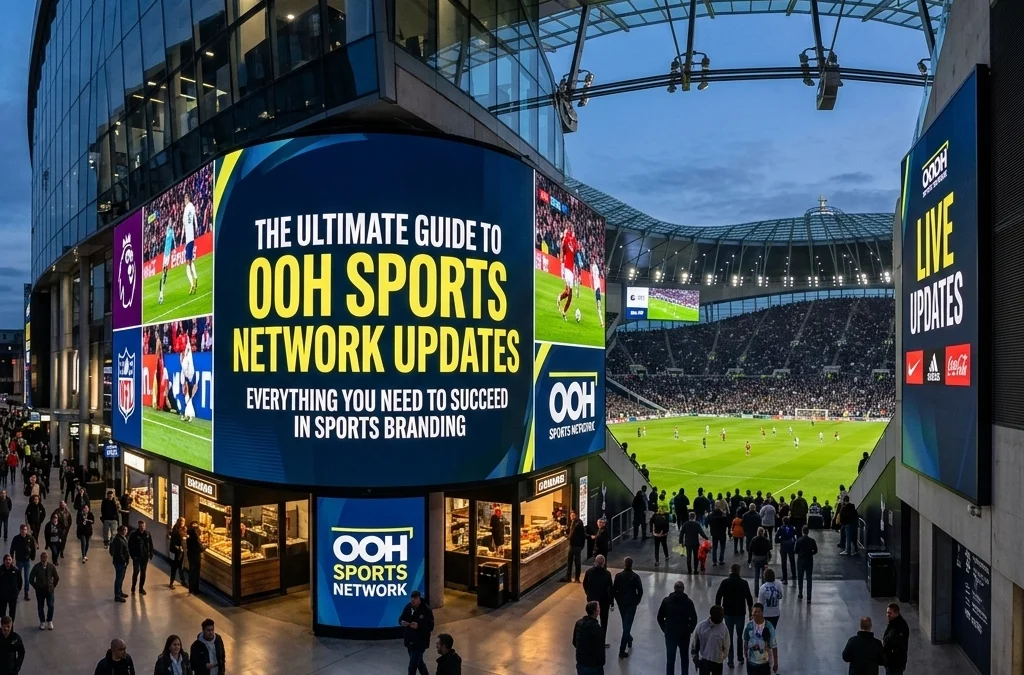
The landscape of sports advertising is shifting toward a model that prioritizes agility, measurement, and ubiquity. As traditional television viewership becomes increasingly fragmented, the physical environments where fans gather have emerged as the premier frontier for brand engagement. OOH Sports continues to lead this transition, announcing a significant expansion of its digital out-of-home (DOOH) network to provide media buyers with unprecedented access to the sports fan ecosystem.
This expansion represents a milestone in the company’s mission to bridge the gap between digital precision and the massive scale of live sports. By integrating thousands of additional screens across high-traffic venues, the network now offers a comprehensive solution for brands looking to dominate the sports narrative.
The Evolution of the Sports Branding Strategy
For decades, sports branding was defined by static billboards and expensive, long-term stadium naming rights. While these assets provided visibility, they lacked the flexibility to respond to real-time events or provide granular data on audience engagement. The current digital era demands more.
The OOH Sports network update introduces a programmatic framework that allows brands to activate campaigns based on live triggers, such as game scores, player performance, or weather conditions. This move from static to dynamic advertising ensures that brand messaging remains relevant to the immediate context of the fan experience. The objective is to move beyond simple impressions and toward meaningful brand favorability.

Expanding the Digital Footprint: A New Milestone
The recent growth of the OOH Sports network has resulted in a footprint of over 25,000 digital screens located in strategic environments. This includes sports bars, gyms, transit hubs, and stadium perimeters. This scale is designed to capture the audience at every touchpoint of their journey, from the pre-game commute to the post-game celebration.
Research indicates that the out-of-home audience for sports is notably different from the in-home viewer. According to industry data, OOH sports viewers tend to be younger, more diverse, and more affluent. Including OOH measurement in overall campaign ratings has been shown to provide an audience lift of approximately 16 percent for major sporting events. By expanding into these venues, OOH Sports provides media buyers with a direct line to this premium demographic.
For more information on how this scale compares to legacy models, consider how 25,000 digital screens are changing sports marketing.
Programmatic DOOH vs. Traditional Stadium Ads
The choice between traditional stadium sponsorships and programmatic DOOH often comes down to ROI and accessibility. Traditional sponsorships often require multi-million dollar investments and long-term commitments. In contrast, the updated OOH Sports network allows for flexible budgeting and short-term activations that can be scaled up or down based on performance.
Key Strategic Advantages:
- Cost Efficiency: Brands can achieve significant reach without the high entry costs of official stadium partnerships.
- Precision Targeting: Utilizing perimeter targeting and geographic fencing ensures that ads are only shown to relevant audiences.
- Speed to Market: Campaigns can be launched in under 24 hours, a necessity for the fast-paced sports betting and apparel industries.
The efficiency of this model is explored in the analysis of programmatic DOOH vs. traditional stadium ads.
Technology Partners and Execution
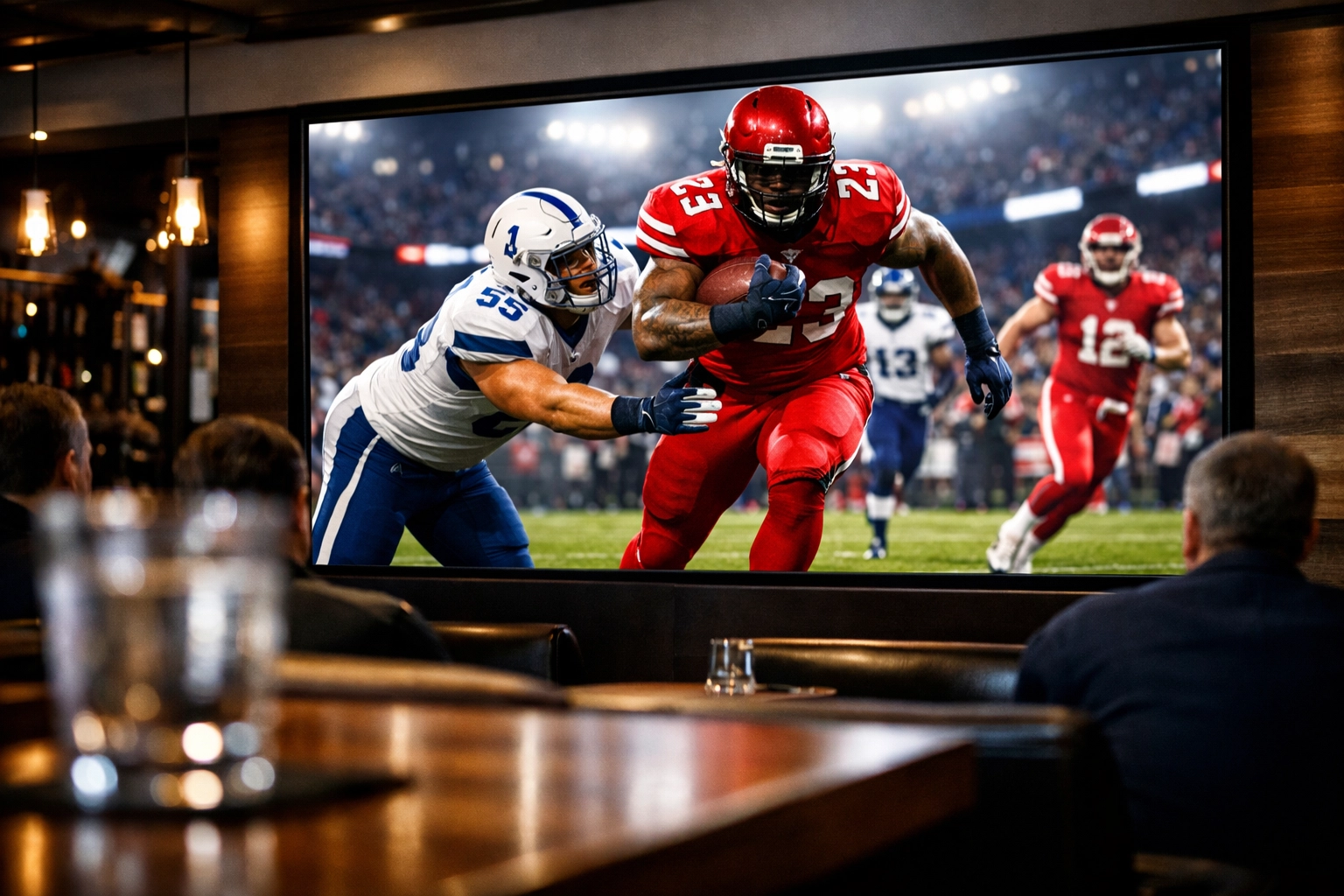
The backbone of the OOH Sports network is its integration with top-tier Demand-Side Platforms (DSPs). By partnering with industry leaders like StackAdapt, OOH Sports enables an omnichannel approach. This allows media planners to coordinate their OOH efforts with mobile, social, and display ads, creating a unified brand experience.
The execution process is straightforward. Media buyers select their target venues, define their triggers, and upload creative assets. The programmatic engine then handles the distribution, ensuring that the content is displayed at the optimal time for maximum impact. This level of automation reduces the administrative burden on agencies and allows for more creative experimentation.
The role of these platforms is further detailed in the spotlight on StackAdapt DSP driving programmatic DOOH adoption.
Quantifiable Results and Impact Measurement
Success in modern sports branding is measured through data. The OOH Sports network utilizes AI-powered analytics to track campaign performance with high precision. Metrics such as brand lift, purchase consideration, and foot traffic attribution are standard features of the reporting suite.
Recent campaign data across the network has demonstrated the effectiveness of this approach:
- Beverage Sector: A programmatic DOOH campaign for a major vodka launch resulted in a 74 percent lift in purchase consideration.
- Apparel Industry: Targeted campaigns during major marathons have seen brands achieve significant visibility without being official sponsors, proving the power of "ambush" marketing via DOOH.
- Consumer Goods: Hard tea brands have reported up to a 119 percent lift in positive brand image when utilizing real-time sports triggers.
These results highlight the shift toward performance-based OOH. For more on the data driving these decisions, see the guide on AI-powered DOOH analytics.

Real-Time Engagement: The Competitive Edge
The ability to react to live sports events is perhaps the greatest advantage of the updated OOH Sports network. For industries like sports betting, the window of opportunity is often measured in minutes. The network’s infrastructure supports real-time updates to creative assets, allowing brands to feature live odds or celebrate a game-winning goal as it happens.
This fan-centric approach fosters a deeper connection between the brand and the audience. When a brand participates in the excitement of the moment, it ceases to be a background advertisement and becomes a part of the event itself. This strategy has been shown to boost fan engagement by up to 90 percent in specific geographically targeted campaigns.
Learn more about launching real-time sports betting DOOH campaigns.
Future Outlook for the OOH Sports Network
The growth of the OOH sports advertising market is projected to reach 50 billion dollars by 2030. As the technology continues to mature, OOH Sports remains committed to expanding its network and refining its analytical capabilities. The focus will remain on providing media buyers with a simple, transparent, and highly effective way to reach sports fans globally.
The expansion of the network is not just about more screens, it is about better screens. High-definition displays, better venue placement, and more sophisticated data integration are all part of the ongoing roadmap. For brands looking to secure their share of this growing market, the OOH Sports network offers the tools and the reach necessary for success.
Strategic Considerations for Media Buyers
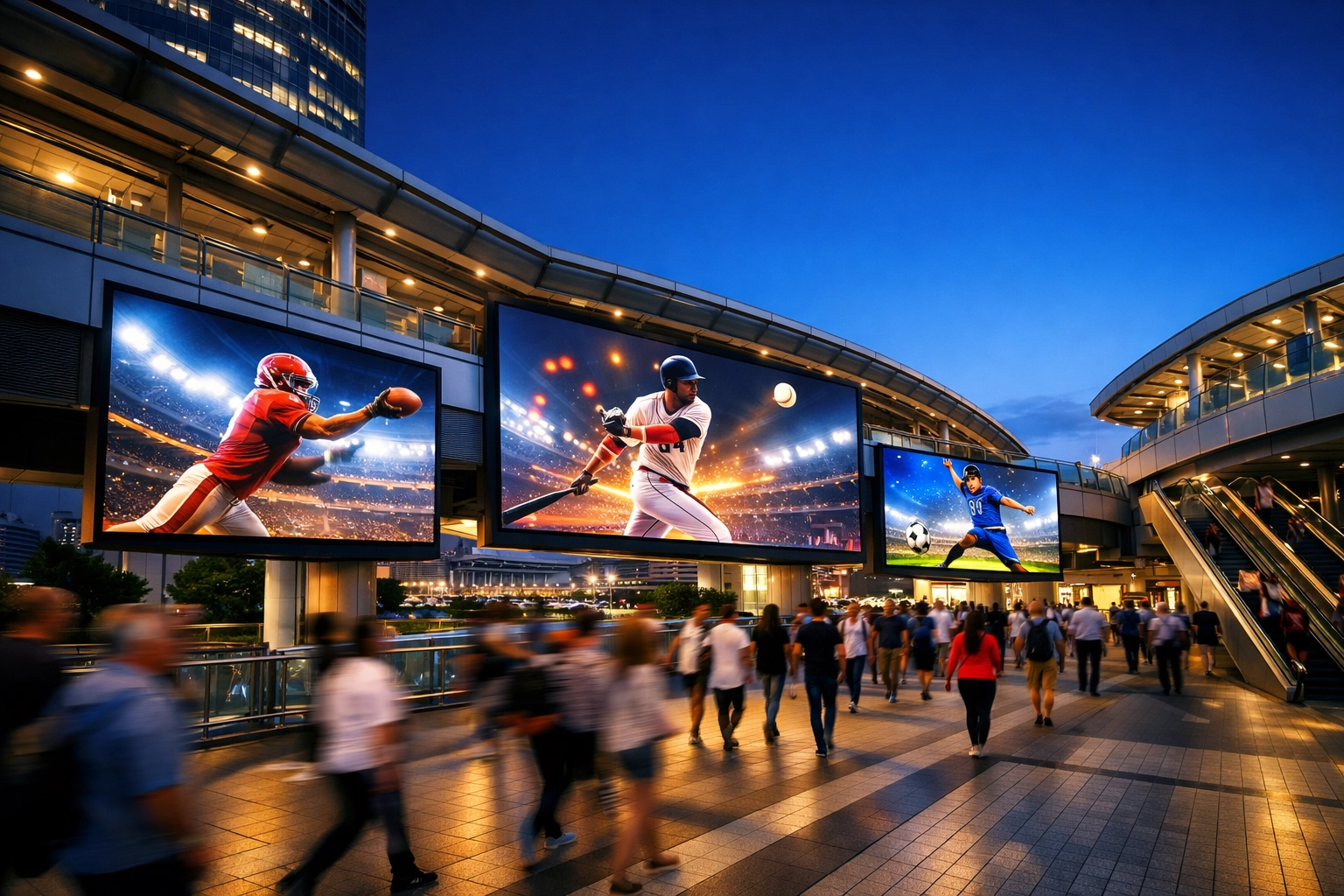
To maximize the benefits of the OOH Sports network updates, media buyers should focus on three core areas:
- Contextual Relevance: Align creative content with the specific venue and the mindset of the fan at that location.
- Data Integration: Use the available AI-powered analytics to refine targeting and creative messaging mid-campaign.
- Omnichannel Alignment: Ensure that OOH efforts are synchronized with other digital channels to reinforce the brand message.
By following these principles, brands can navigate the "sports DOOH gold rush" and achieve measurable ROI. The shift in media planning is clear, with a majority of planners now allocating significant portions of their budgets to DOOH to capture the attention of the modern sports fan.
For those ready to scale their sports branding efforts, the resources and network provided by OOH Sports offer a clear path forward in an increasingly competitive market. Explore the 7 strategies to capture your share of the DOOH sports market.