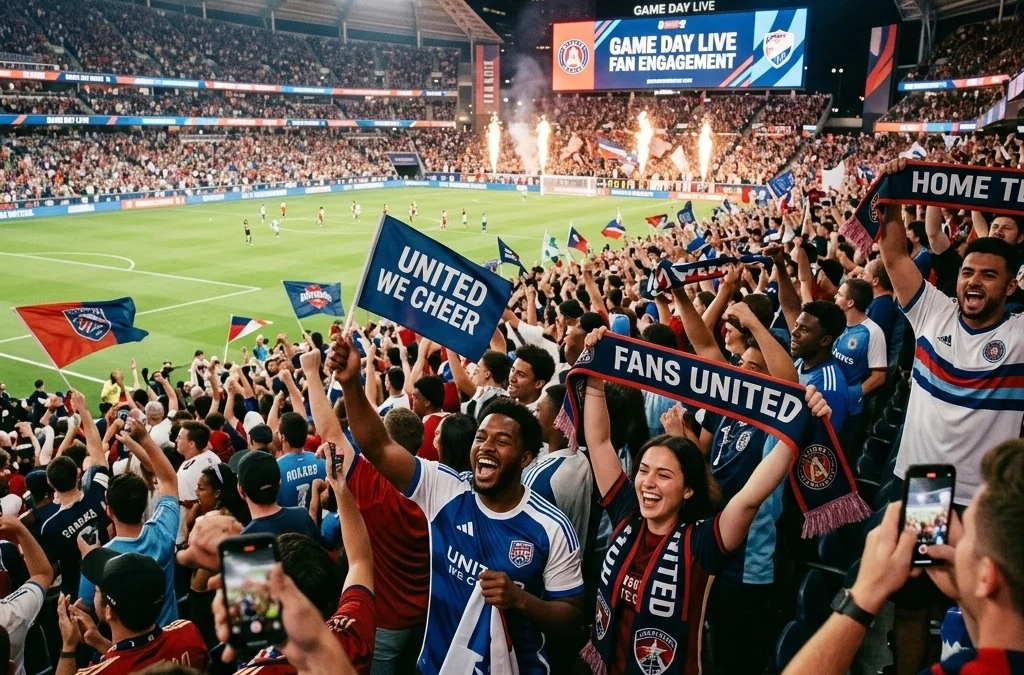
Effective branding in the modern sports landscape is no longer confined to the duration of a match or the physical boundaries of a stadium. For creative directors and CMOs, the challenge is to move beyond passive logo placement and toward an integrated, immersive fan experience. This evolution requires a shift from viewing fans as a monolithic audience to treating them as a community of individuals seeking emotional resonance and authentic connection.
The stadium remains the heartbeat of this interaction, but the strategy must extend into the digital and physical worlds where fans live. Through a combination of high-impact out of home (OOH) advertising, programmatic technology, and strategic storytelling, brands can build loyalty that lasts long after the final whistle.
The Strategic Pillars of Fan Engagement
Successful branding begins with a clear understanding of the fan psyche. Sports fans are unique in their level of emotional investment. Tapping into this passion requires a strategy built on three core pillars: emotional storytelling, personalization, and interactive participation.
Emotional Storytelling
Branding is most effective when it tells a story. Instead of merely documenting a game or a product, creative teams should aim to capture the raw emotion of the sporting experience. High-quality visuals that convey narrative, such as the grit of a training session or the relief of a victory, resonate more deeply than generic promotional material. By focusing on the human elements of the sport, a brand becomes part of the fan’s personal journey.
Personalization at Scale
Modern technology allows brands to deliver tailored messages to specific segments of the audience. Whether it is through localized OOH displays or digital content that references a fan’s favorite player, personalization makes the individual feel valued. This approach transforms a broad marketing campaign into a series of meaningful, one-to-one interactions.
Interactive Participation
Engagement is a two-way street. Encouraging fans to participate through gamification, polls, and fan-generated content fosters a sense of ownership. When fans contribute to the brand narrative, they transition from passive observers to active brand ambassadors.
The Power of Stadium Perimeter Advertising
While digital channels are essential, the physical presence of a brand inside the arena provides a visual anchor for the entire campaign. Stadium perimeter advertising, or sportrons, offers a high-impact medium that captures the attention of both the live crowd and the millions watching via broadcast.

Perimeter boards are no longer static signs. The transition to digital LED technology has enabled dynamic creative that can change in real-time based on the flow of the game. This agility allows creative directors to align brand messaging with key moments, such as a goal, a timeout, or a half-time break. The visual dominance of these displays ensures that the brand remains at the center of the visual field during the most high-stakes moments of the event.
OOH Sports provides the infrastructure for these high-visibility campaigns, ensuring that brand assets are displayed with maximum clarity and impact. By integrating these physical touchpoints with a broader digital strategy, brands can create a seamless experience that follows the fan from the stadium seat to their mobile device.
Extending Reach Beyond the Arena
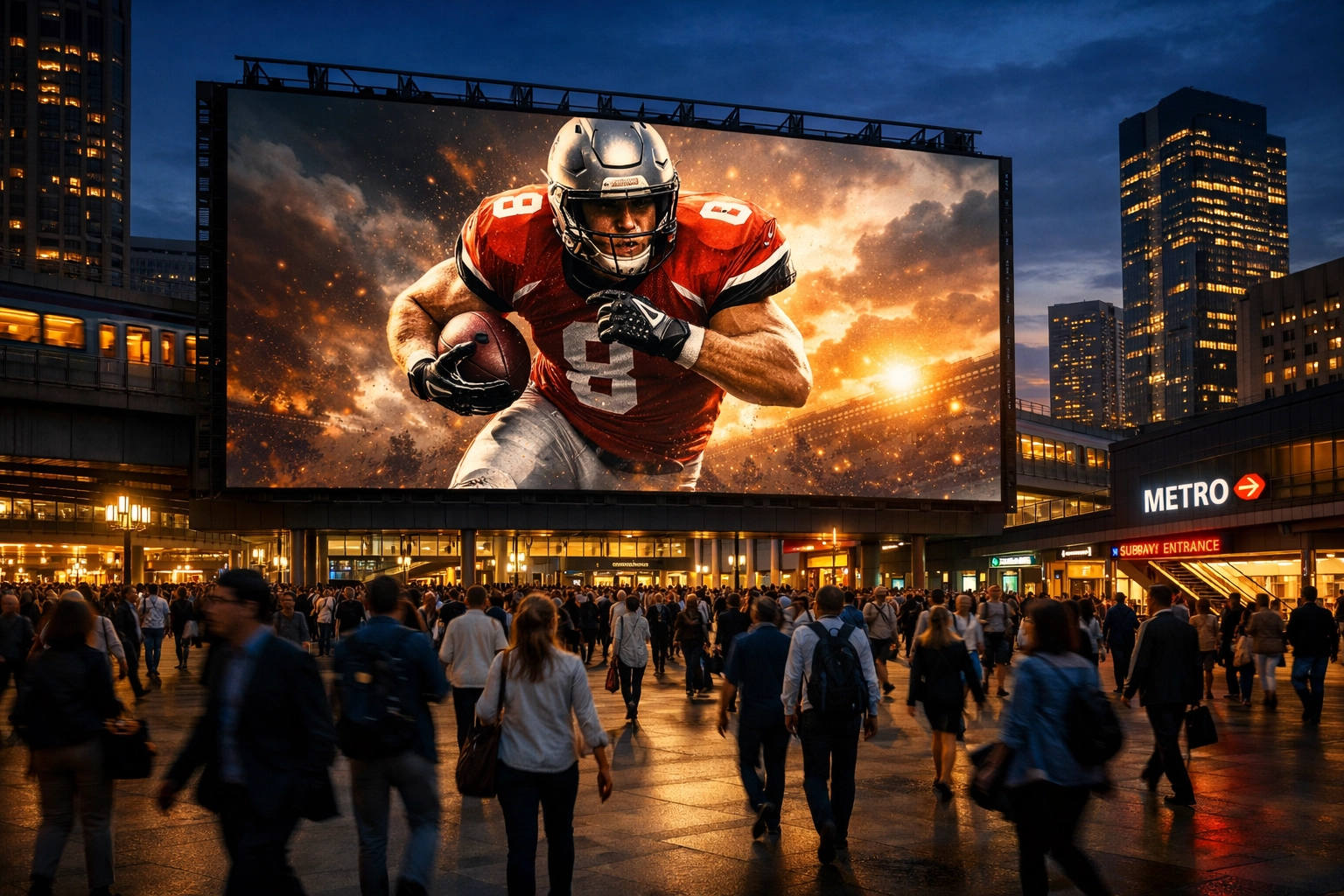
A common mistake in sports marketing is limiting the campaign to game day. The most successful brands understand that the "arena" is everywhere the fan is. This requires an omnichannel approach that utilizes programmatic digital out of home (DOOH) to reach fans in their daily lives.
Programmatic DOOH and Retargeting
Programmatic technology allows for highly efficient ad buying, placing content on screens in transit hubs, shopping centers, and urban areas. By using device ID data, brands can retarget fans who were present at the stadium with follow-up messaging. For example, a fan who saw a perimeter ad for a new beverage during the game might see a similar ad on a digital billboard near their local grocery store the next day.
This level of consistency reinforces brand recall and drives purchase consideration. A study on White Claw’s programmatic DOOH campaign demonstrated a 74 percent lift in purchase consideration, proving the effectiveness of this coordinated approach.
The Nike Strategy
Nike provides a masterclass in branding beyond official sponsorship. During major events like the NYC Marathon, the brand used OOH assets and localized messaging to create a dominant presence, even without being an official partner. This "ambush" style of marketing, when executed with creative precision, allows brands to capture the cultural momentum of an event. More details on this strategy can be found in the Nike NYC Marathon case study.
Leveraging Technology for Measurable Results
For CMOs, the value of any creative strategy lies in its ability to deliver measurable ROI. The shift from traditional to programmatic DOOH has brought a new level of transparency and data-driven optimization to the field.

Real-Time Optimization
Digital platforms enable brands to swap creative assets instantly based on performance data or external triggers like weather and game scores. This ensures that the message is always relevant to the context of the viewer.
Attribution and Lift Studies
Success is measured through sophisticated brand lift studies and foot traffic attribution. Brands can now track the direct impact of an OOH campaign on store visits and online sales. For instance, AB InBev’s Mike’s Hard Iced Tea saw a 119 percent lift in positive brand image through a targeted DOOH campaign. Similarly, Sea-Doo’s first digital OOH campaign increased purchase consideration by 144 percent.

Advanced Engagement Tactics: Gamification and Community
To truly master branding, creative directors must look at ways to foster long-term community. This involves moving beyond the "ad" and into the "experience."
Gamification
Strategic gamification, such as prediction games or mobile-based challenges, keeps fans engaged during the off-season or between games. When these games are linked to physical OOH displays (for example, a QR code on a stadium screen leading to a quiz), they bridge the gap between the physical and digital worlds.
Exclusive Communities
Building a sense of exclusivity can drive deeper loyalty. Offering "behind the scenes" access or early bird opportunities to a dedicated community of fans creates a sense of belonging. This community becomes a self-sustaining ecosystem where the brand is a facilitator of the fan experience rather than just a vendor.
Creative Guidelines for High-Impact OOH
When designing for large-scale OOH and stadium screens, creative directors should adhere to specific visual principles to ensure maximum effectiveness:
- Simplicity is Key: Screens in high-traffic environments are often viewed for only a few seconds. Use bold fonts, high contrast, and minimal text to convey the message quickly.
- Contextual Relevance: Tailor the creative to the specific location and event. A message that works on a highway billboard may not be suitable for a stadium concourse screen.
- Visual Movement: Use subtle animation to draw the eye without being distracting. In stadium environments, movement can help a brand stand out against the visual noise of the crowd.
- Clear Call to Action: Even in brand awareness campaigns, a clear next step (such as a website or a social media tag) helps track engagement.
Conclusion: The Future of Sports Branding
As the sports industry continues to grow, the competition for fan attention will only intensify. The brands that succeed will be those that view fan engagement as a continuous, multi-channel dialogue. By leveraging the physical impact of stadium advertising and the precision of digital OOH, creative leaders can build brands that are not just seen, but felt.
For more information on how to implement these strategies, explore the OOH Sports blog or review our latest case studies. The path to mastering branding beyond the arena lies in the intersection of creativity, technology, and a deep respect for the fan experience.