
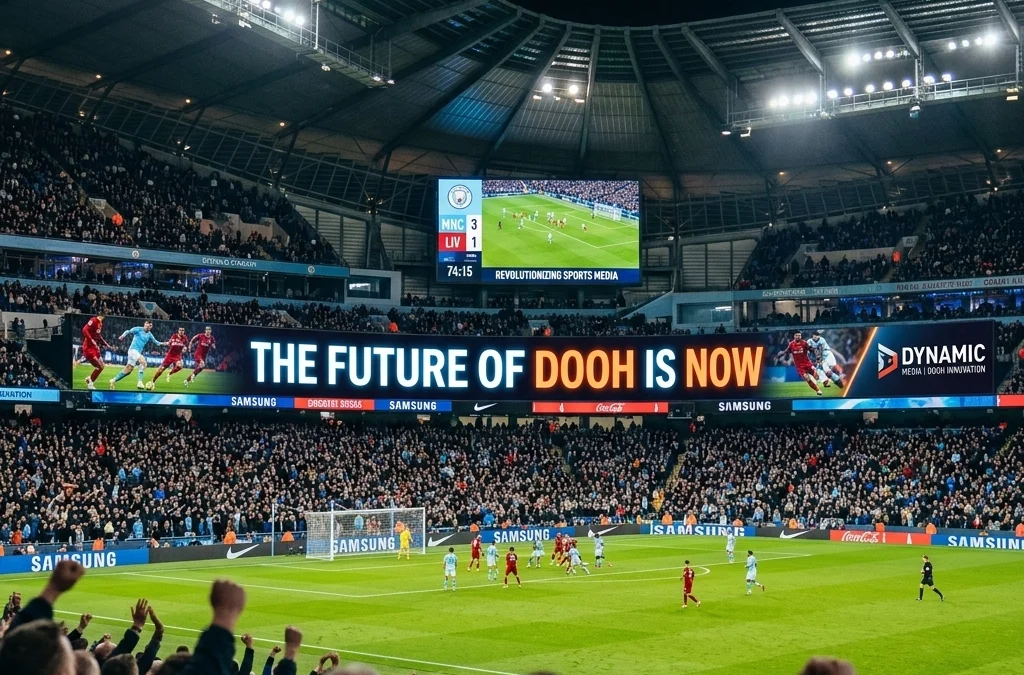
The landscape of sports marketing is undergoing a massive transformation. For decades, the visual backdrop of every professional game consisted of static vinyl banners and painted signs. These advertisements were permanent fixtures of the stadium experience. However, as fan expectations change and technology advances, the question arises: are static stadium ads still effective? While they served a purpose in the past, the industry is moving toward a more dynamic, data driven approach. Innovation in Digital Out-of-Home (DOOH) is no longer just an option for brands. It is the future of sports media.
For media buyers and brand managers, the shift from traditional static placements to programmatic DOOH represents a leap in efficiency and engagement. This evolution allows for real time updates, precise targeting, and measurable ROI that static signs simply cannot match. This post explores why static ads are losing their edge and how OOH Sports is leading the charge into a new era of digital innovation.
The Limitations of Static Stadium Advertising
Static advertisements have long been a staple of sports venues. These are the signs that sit behind home plate or line the walls of a football stadium. While they offer high visibility during a broadcast, they come with significant drawbacks in a modern advertising environment.
One major limitation is the lack of flexibility. Once a static banner is printed and installed, the message is locked in for the duration of the contract. This prevents brands from reacting to real time events. If a team wins a championship or a player breaks a record, a static ad remains unchanged. It cannot celebrate the moment or adjust its messaging to reflect the current mood of the fans.
Furthermore, static ads suffer from creative fatigue. Fans who attend games regularly or watch every broadcast eventually stop noticing the same unchanging visuals. This "ad blindness" reduces the overall impact of the campaign. There is also the issue of measurement. Calculating the exact ROI of a physical sign is notoriously difficult. Brands often have to rely on broad estimates of foot traffic or broadcast impressions, which lack the granular detail required for modern marketing budgets.

The Rise of Digital Out-of-Home (DOOH)
Digital Out-of-Home advertising addresses the shortcomings of static media by bringing the capabilities of online advertising to the physical world. DOOH involves the use of digital screens to display dynamic content. In the context of sports, this means high resolution boards, concourse screens, and Sportrons that can change content in an instant.
The primary driver of this shift is the ability to use data to inform ad delivery. Through programmatic DOOH, brands can buy ad space in real time. This process is similar to how digital display ads are purchased on the web but applied to large scale screens in high traffic environments. This allows for a level of precision that was previously impossible in the out-of-home space.
Strategic Advantages of DOOH in Sports
The transition to digital media provides several strategic advantages for brand managers looking to maximize their impact during sporting events.
1. Contextual Relevance and Real-Time Triggers
One of the most powerful features of DOOH is the ability to use real-time triggers. For example, a sports betting brand can launch specific campaigns that convert in under 24 hours based on upcoming game odds. This is detailed in the strategy for launching real-time sports betting DOOH campaigns.
Advertisements can be programmed to change based on the score of the game, the weather outside the stadium, or even the time of day. If it starts to rain during a baseball game, a brand can instantly switch its creative to promote umbrellas or ponchos available at the team store. This level of contextual relevance ensures that the ad is always helpful and interesting to the viewer.
2. Enhanced Audience Targeting
Unlike static signs that reach everyone who passes by with the same message, DOOH allows for sophisticated audience targeting. By leveraging mobile location data and device IDs, advertisers can understand the demographics and behaviors of the fans in the venue. This data allows brands to reach the right people at the right time.
For instance, Nike successfully navigated the competitive landscape of the NYC Marathon by using strategic placements to reach runners and fans, even without being an official sponsor. This "ambush" style of marketing is made much more effective through the precision of digital placements. You can read more about how Nike executed this strategy.
3. Programmatic Efficiency
The use of Demand Side Platforms (DSPs) has revolutionized how DOOH is bought and sold. Platforms like StackAdapt allow media buyers to integrate DOOH into their omnichannel campaigns seamlessly. This means a brand can coordinate its stadium ads with its social media, search, and mobile display ads, creating a unified brand experience for the fan.

Measurable Results: The Proof in the Data
The most compelling argument for the shift to DOOH is the measurable success of recent campaigns. Unlike the estimated metrics of the past, modern DOOH campaigns provide hard data on brand lift, purchase consideration, and foot traffic.
Case Study: White Claw
When White Claw launched its vodka line, it utilized a programmatic DOOH campaign to drive awareness. The results were significant, showing a 74% lift in purchase consideration. By using digital screens to reach consumers in high intent moments, the brand was able to move the needle more effectively than with traditional media alone. Details on this campaign can be found in the White Claw case study.
Case Study: AB InBev’s Mike’s Hard Iced Tea
AB InBev saw a 119% lift in positive brand image through a programmatic DOOH campaign. By targeting specific geographic areas and utilizing engaging digital creative, the brand was able to reshape consumer perception in a way that static banners cannot. The full breakdown is available in the Mike's Hard Iced Tea report.
Case Study: Sea-Doo
Sea-Doo’s first digital OOH campaign resulted in a 144% increase in purchase consideration. This massive jump demonstrates that even for high ticket recreational items, the visibility and targeting of DOOH are incredibly effective. You can view the Sea-Doo case study for more information.

Comparing ROI: Traditional vs. Programmatic
When evaluating marketing budgets, ROI is the ultimate metric. Traditional stadium ads often require a large upfront investment with a long term commitment. This "lock in" can be risky if the team performs poorly or if market conditions change.
Programmatic DOOH, on the other hand, offers a much higher degree of flexibility. Advertisers can start, stop, or adjust campaigns mid-stream based on performance. This ability to optimize on the fly leads to better overall ROI. For a deeper dive into this comparison, see the analysis of Programmatic DOOH vs. Traditional Stadium Ads.
The Future of Sports Media
The growth of the DOOH market shows no signs of slowing down. Industry projections suggest that DOOH sports advertising will hit $50 billion by 2030. This growth is driven by the continuous improvement of screen technology, the availability of better data, and the increasing demand from brands for measurable advertising solutions.
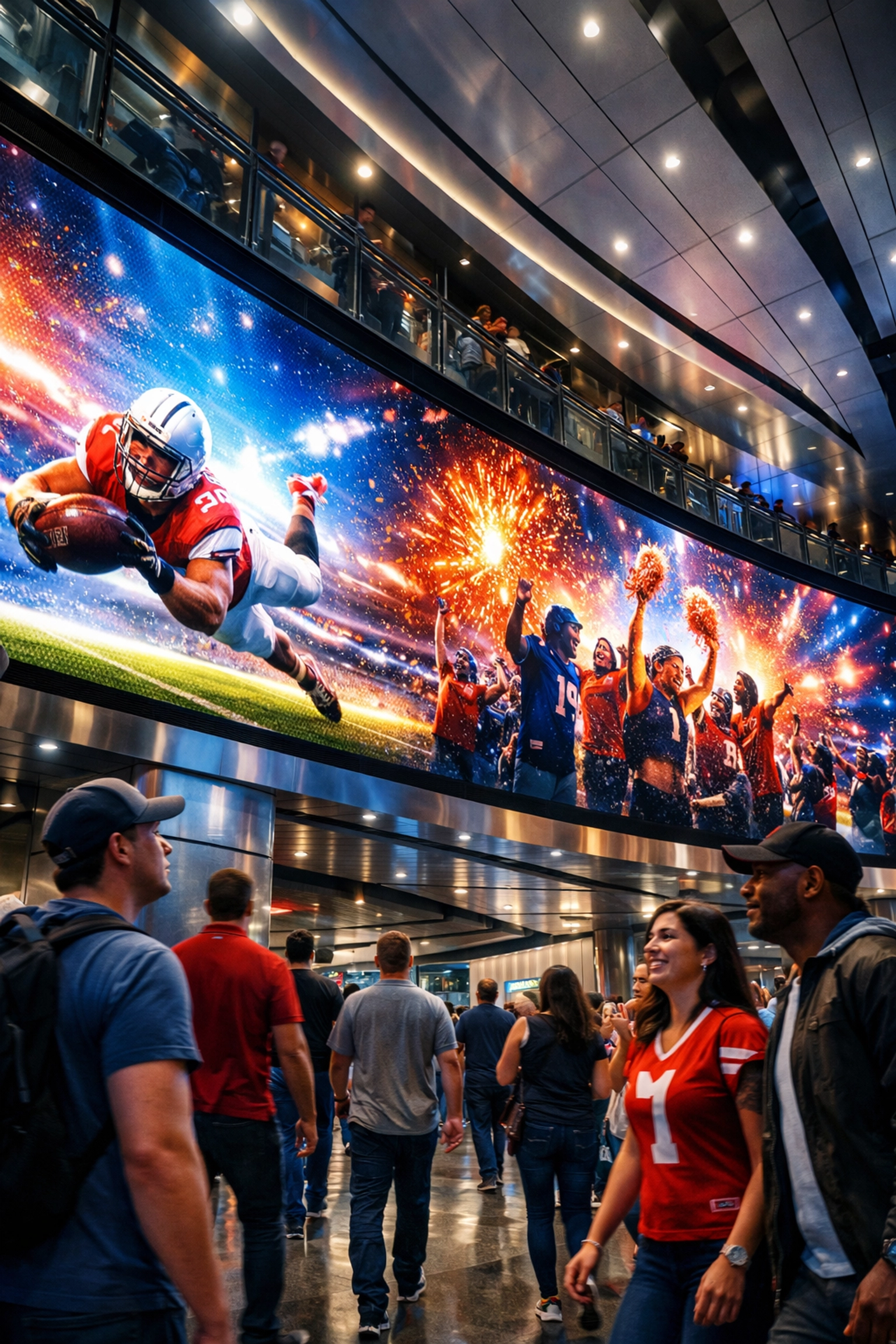
Innovation in this space also includes the integration of augmented reality (AR) and interactive elements. Imagine a fan being able to scan a digital board with their phone to enter a contest or receive a discount code for the stadium's concessions. This level of interaction turns a passive viewer into an active participant.
How Brands Can Transition to DOOH
For brands and media buyers currently relying on static media, the transition to DOOH should be a strategic priority. The process involves a few key steps:
- Define Objectives: Identify what the campaign aims to achieve, whether it is brand awareness, purchase consideration, or foot traffic to a specific location.
- Select the Right Technology Partners: Working with specialists like OOH Sports ensures access to the best screens and programmatic platforms.
- Develop Dynamic Creative: Instead of a single static image, create a series of assets that can be swapped out based on different triggers and data points.
- Measure and Optimize: Use the data provided by the DOOH platform to analyze performance and make adjustments in real time.
The era of set-it-and-forget-it stadium advertising is ending. The future belongs to brands that are agile, data driven, and willing to embrace the technological innovations offered by DOOH. By moving away from the limitations of static ads, marketers can create more meaningful connections with sports fans and drive superior business results.
To learn more about how to elevate your sports marketing strategy, explore the various resources and case studies available at OOH Sports. The future of sports media is digital, and it is happening now.