
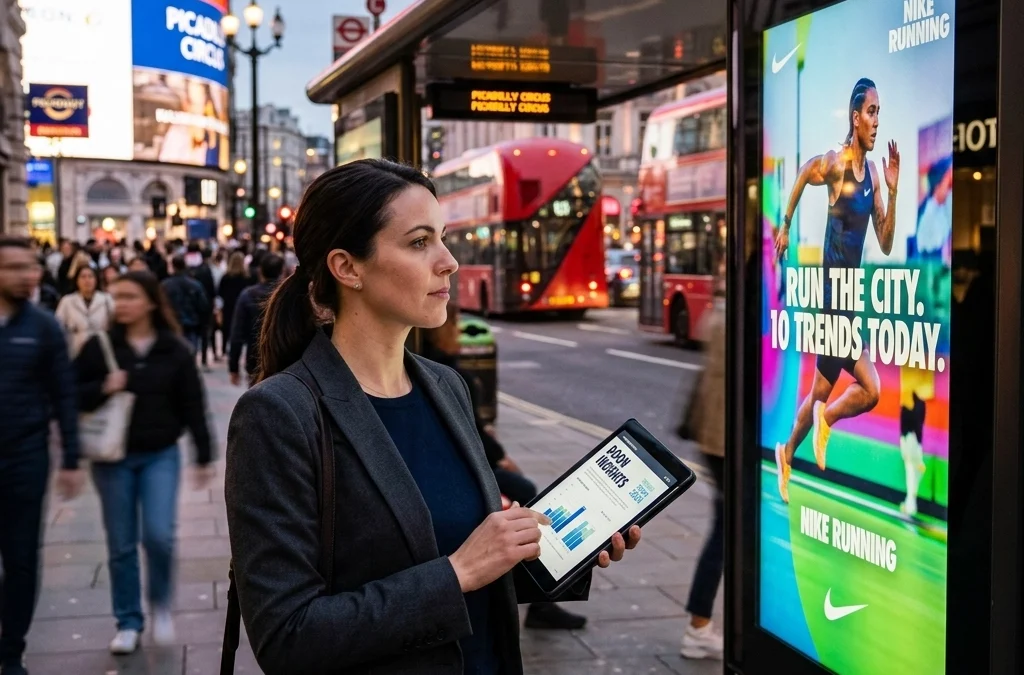
The landscape of Digital Out-Of-Home (DOOH) advertising is undergoing a rapid transformation, moving away from static billboards toward a data-driven, programmatic ecosystem. For media planners, staying ahead of these shifts is no longer optional. It is a requirement for delivering measurable Return on Investment (ROI). As the boundaries between digital and physical advertising continue to blur, understanding how to leverage new technologies and audience insights becomes the primary differentiator between a standard campaign and a high-performing one.
OOH Sports provides a gateway to these innovations, offering specialized solutions that bridge the gap between sports fans and brand messaging. The following ten trends represent the most significant movements in the industry today, providing a roadmap for any media planner looking to optimize their out-of-home strategy.

1. Audience Intelligence Drives Planning
Traditional OOH planning once relied heavily on simple location-based metrics, such as traffic counts or proximity to a specific storefront. In the current market, planning has shifted toward sophisticated audience intelligence. This approach incorporates mobility data, geolocation insights, and behavioral analytics to understand exactly who is passing a screen at any given moment.
By utilizing these data sets, media planners can move beyond "dots on a map" and instead target specific segments, such as frequent gym-goers, sports enthusiasts, or luxury shoppers. This precision ensures that ad spend is concentrated on the screens most likely to reach the intended demographic, significantly reducing waste.
2. Programmatic DOOH Is Now Standard
What was once considered an experimental method for buying OOH inventory has officially become standard practice. Programmatic DOOH (pDOOH) allows for automated buying and real-time triggers, providing media planners with a level of flexibility previously reserved for online display ads.
The ability to pause, pivot, or scale a campaign based on real-time performance or changing external factors is a major advantage. Platforms such as the StackAdapt DSP are driving this adoption by making it easier for planners to integrate DOOH into their existing digital workflows. This shift toward automation is projected to push programmatic spend into the billions as more brands recognize the efficiency of real-time execution.
3. Dynamic Creative Optimization Moves Beyond Experimentation
One-size-fits-all creative is being replaced by Dynamic Creative Optimization (DCO). This technology allows brands to adapt their messaging in real-time based on data signals like weather, time of day, or live sports scores. For example, a beverage brand might display ads for hot coffee during a cold morning and switch to iced tea as the temperature rises.
In the world of sports advertising, DCO is particularly powerful. If a local team wins a game, digital screens can instantly update to show celebratory creative, capturing the immediate emotional high of the fans. This level of context and intent makes the advertising feel like a relevant part of the audience's experience rather than an interruption.
4. First-Party Data Becomes Essential
With the ongoing depreciation of third-party cookies in the broader digital landscape, DOOH has emerged as a vital channel for leveraging first-party data. Brands are now integrating their own customer data, such as loyalty program insights and purchase history, into their DOOH planning.
By matching first-party audience segments with geographic high-traffic areas, planners can deliver moment-driven messaging that feels highly personalized. For instance, a brand could target screens near retail locations where their most loyal customers are known to shop. Campaigns like the White Claw programmatic launch demonstrate how using targeted data can result in significant lifts in purchase consideration.
5. DOOH Is the Primary Growth Engine
While traditional OOH formats remain stable, DOOH is the clear driver of growth for the sector. Industry data indicates that digital formats accounted for 55% of all OOH revenue growth recently. Current projections suggest that DOOH spending will grow by approximately 14.5%, vastly outpacing traditional OOH formats which are growing at a modest 1.5%.
This growth is fueled by the rapid conversion of static inventory to digital screens and the increasing demand for the flexibility that digital offers. As the sector moves toward a $50 billion valuation by 2030, media planners who capture their share of this growth will be the ones who successfully integrate digital formats into every level of their media mix.
6. Advertising Budgets Are Shifting Toward OOH
Major industry verticals, including airlines, banking, and software companies, are increasingly redirecting their advertising budgets toward OOH. These sectors recognize the unique ability of large-scale digital screens to deliver high-impact brand visibility that cannot be skipped, blocked, or ignored.
As digital fatigue sets in with consumers on mobile and social platforms, the physical presence of DOOH offers a sense of credibility and scale. This shift is expected to generate over $1.3 billion in incremental revenue for the OOH sector, as planners look for channels that offer high brand safety and massive reach.
7. Omnichannel Integration Is Essential
Modern media planning no longer treats DOOH as a siloed channel. Instead, it is being integrated into omnichannel campaigns alongside mobile, social, and video platforms. When a consumer sees a DOOH ad and is subsequently retargeted with a mobile ad or a social media post, the frequency and impact of the message are amplified.
Media owners are fostering closer relationships with digital and programmatic buying teams to ensure that DOOH is part of a seamless journey. The integration of mobile device IDs and retargeting capabilities allows planners to track the consumer journey from the physical screen to a digital conversion, proving the medium's role in a holistic strategy.
8. DOOH Elevates to a Core Channel
For many years, OOH was viewed as a supporting act or a "top-of-funnel" brand awareness tool. Today, it has stepped forward as a grown-up pillar of modern media planning. This elevation is driven by better data, smarter creative, and a renewed focus on context.
Marketers chasing privacy-safe channels find DOOH particularly attractive because it does not rely on invasive personal tracking. Its ability to combine the scale of broadcast television with the precision of digital targeting has made it essential for brands looking to build long-term brand equity while also driving short-term performance.
9. Screen Inventory Expansion Is Critical
One of the few remaining constraints for faster DOOH adoption is the availability of digital screen inventory. However, massive infrastructure expansions are currently underway. This expansion is moving beyond city centers into transit hubs, grocery stores, gyms, and sports stadiums.
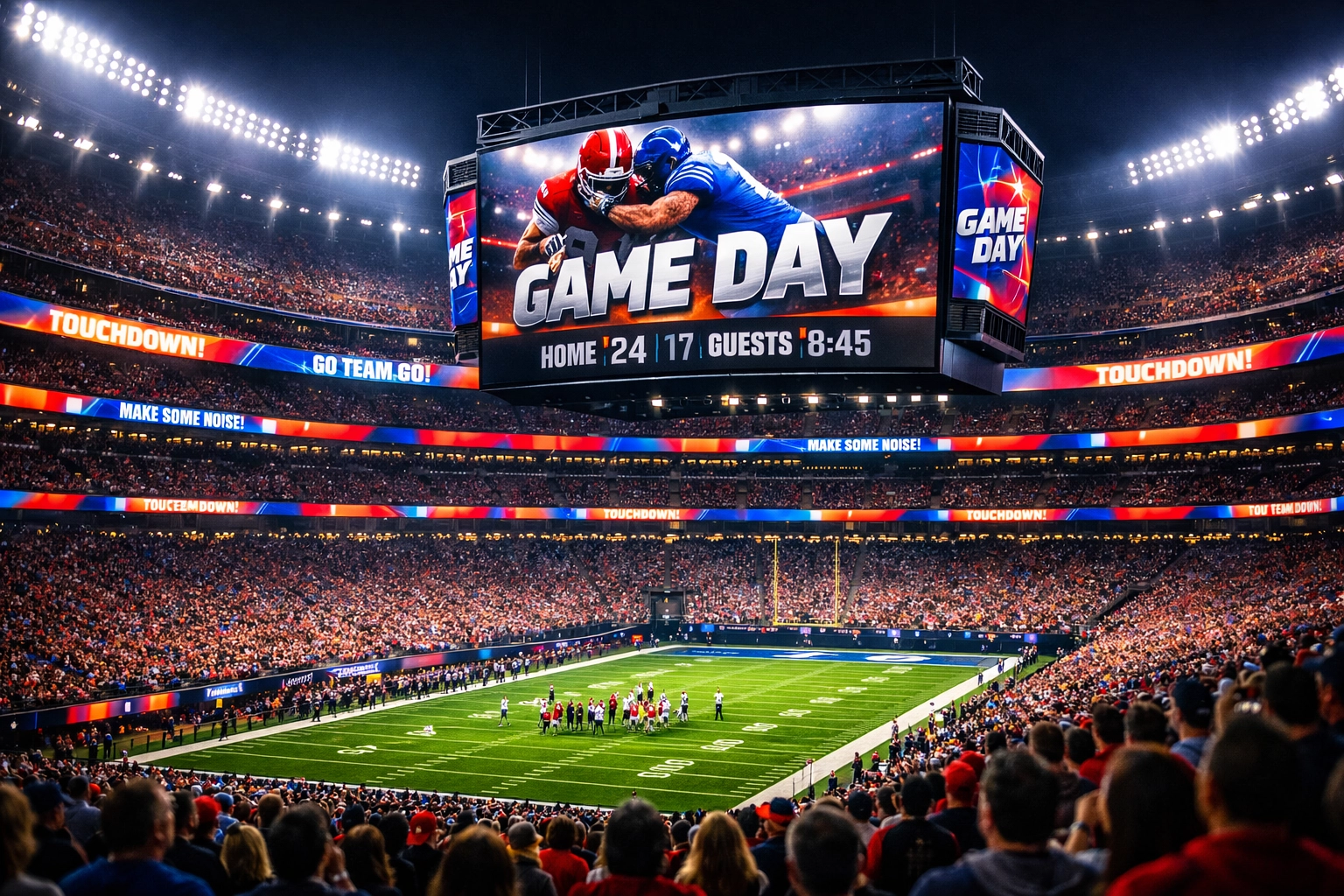
The addition of new screens, particularly Sportrons and stadium-based digital displays, provides media planners with more opportunities to reach audiences in high-intent environments. As inventory becomes more ubiquitous, the cost of entry for smaller brands is also decreasing, making the medium accessible to a wider variety of advertisers.
10. Measurement Standards and Accountability Drive Growth
The industry's commitment to standardized measurement and accountability is perhaps the most important trend for media planners. The use of brand lift studies, foot traffic attribution, and sales lift data has transformed DOOH into a highly accountable channel.
By comparing the ROI of programmatic DOOH vs. traditional stadium ads, planners can make data-backed decisions about where to allocate their budget. With programmatic DOOH expected to exceed $1.25 billion, the demand for cross-channel comparability is pushing the industry toward a unified standard that allows OOH to be measured alongside other digital media on a level playing field.
Strategic Implications for Media Planners
The shift toward a more digital, data-centric OOH landscape offers immense opportunities, but it also requires a new set of skills. Media planners must now be as comfortable with data signals and programmatic bidding as they are with site selection and creative design.
The convergence of these trends suggests that the most successful campaigns will be those that prioritize context and audience behavior over simple geography. By leveraging the tools and insights available through OOH Sports, planners can create campaigns that are not only visible but also impactful and measurable.
As the industry continues to evolve, those who embrace these trends will be well-positioned to drive growth and deliver exceptional results for their brands and partners. For those looking to start their next campaign or explore the latest in sports-focused advertising, the contact page provides a direct line to experts who can help navigate this changing landscape.