

The landscape of sports advertising is undergoing a significant transformation. As traditional marketing channels face increasing fragmentation, the ability to reach a captive audience in high energy environments has become a primary objective for major brands and media buyers. OOH Sports has reached a new milestone in this space, expanding its network to over 25,000 digital screens across North America. This expansion represents more than just a numbers game, it marks a fundamental shift in how brands engage with sports fans throughout their daily routines.
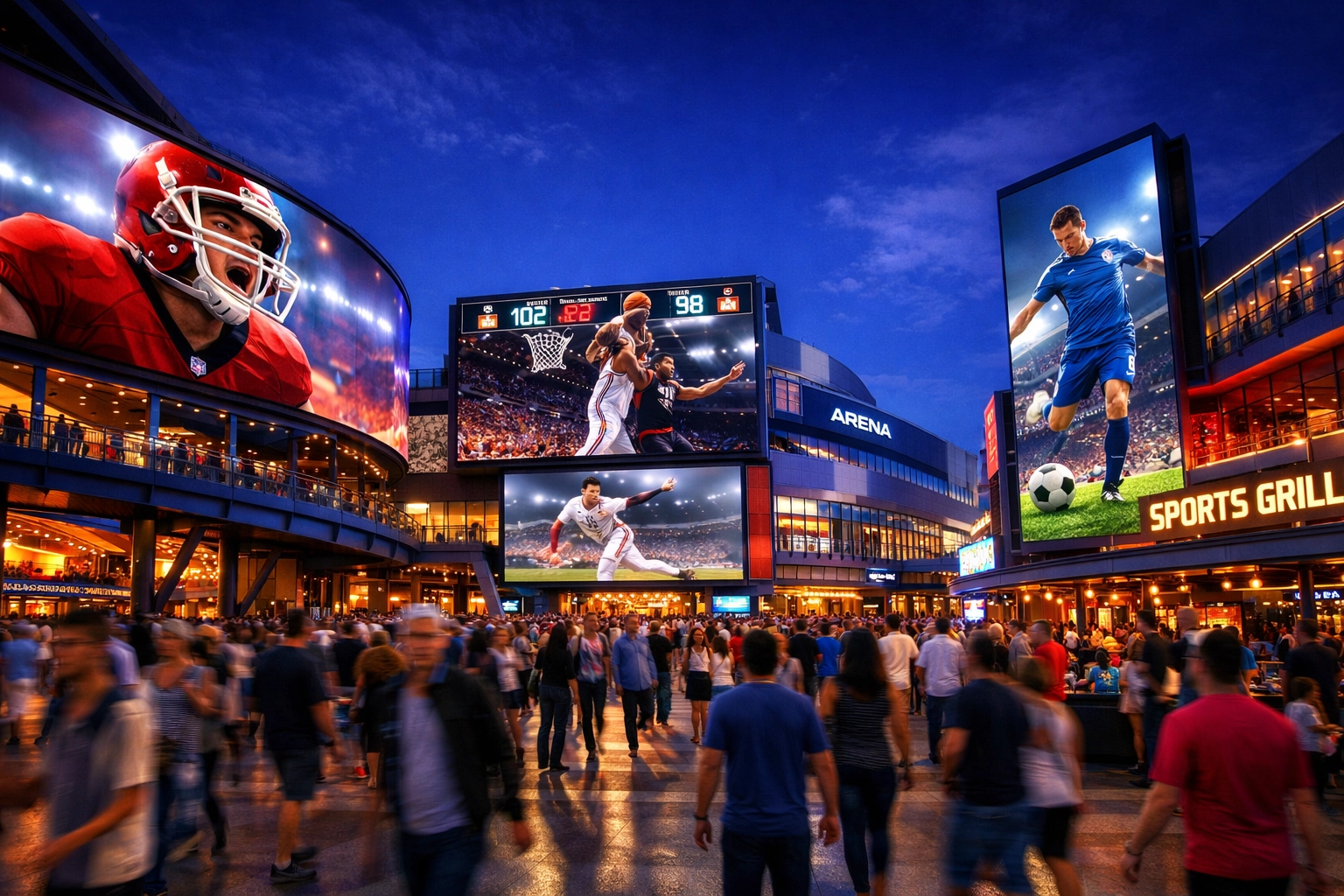
By moving beyond the physical walls of the stadium and into the locations where fans congregate to watch, play, and talk about sports, OOH Sports is providing a scalable solution to the limitations of traditional sports marketing. This network growth allows for a level of precision and flexibility that was previously unavailable in the out-of-home (OOH) sector.
The Strategy: Beyond the Stadium Walls
The core strategy behind the OOH Sports network expansion is the concept of the "fan journey." While major league stadiums offer high impact visibility, they are often restricted by high entry costs, rigid long term contracts, and a limited window of engagement. The OOH Sports model focuses on reaching the sports fan where they are most active: sports bars, fitness centers, bowling alleys, golf courses, and entertainment complexes.
This approach acknowledges that the modern sports fan does not just exist for three hours on a Sunday afternoon. They are active participants in sports culture throughout the week. By placing screens in venues where sports are the primary focus of the environment, the network ensures that brand messaging is delivered to an audience that is already in a receptive, high energy mindset.

Network Reach and Venue Diversity
The expansion to 25,000 screens covers a vast array of venue types, ensuring that advertisers can tailor their campaigns to specific lifestyle segments. This network scale allows for national reach while maintaining local relevance.
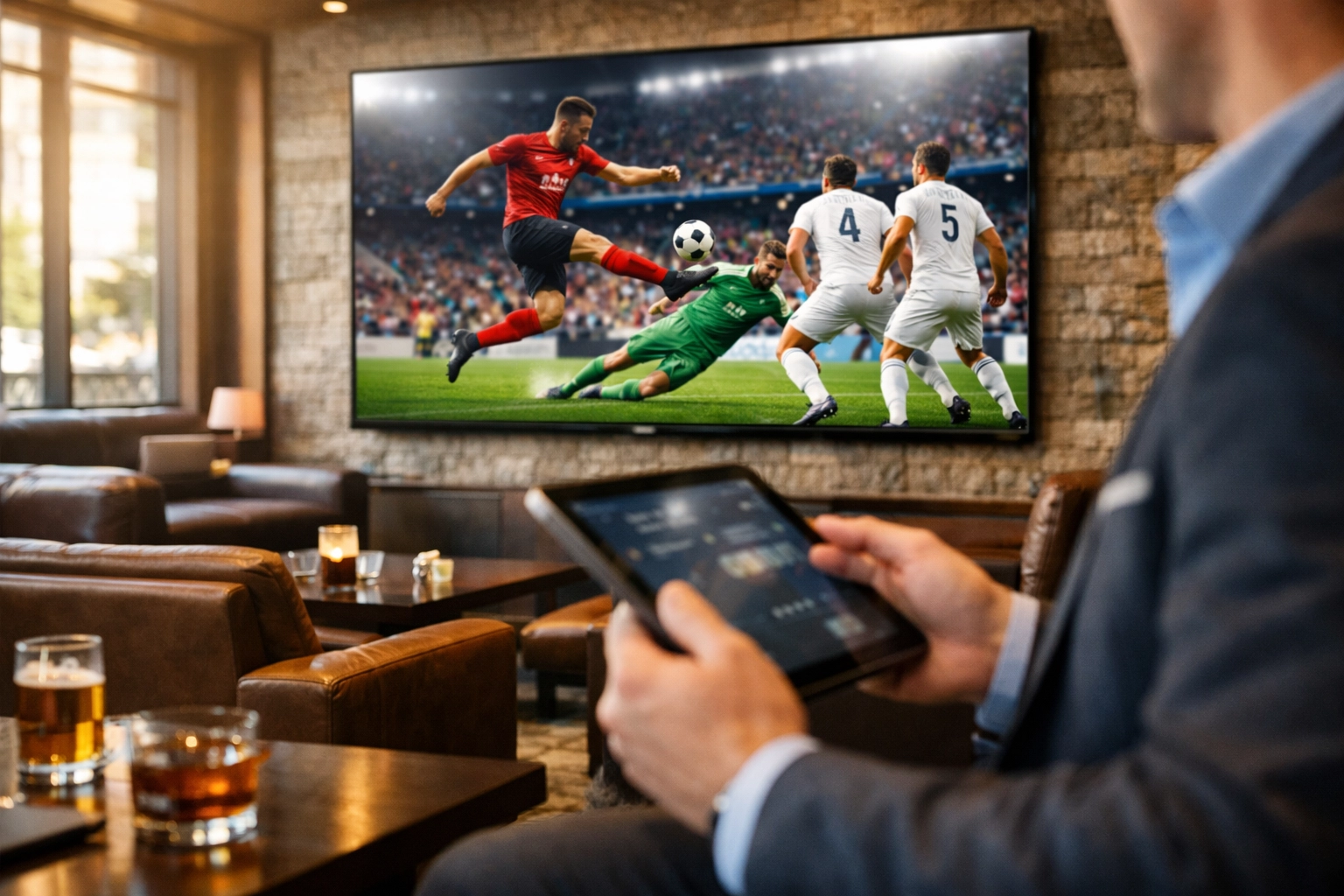
- Sports Bars and Restaurants: These venues serve as the "neighborhood stadium," where fans gather for communal viewing experiences. Messaging in these locations benefits from long dwell times and high brand receptivity during key game moments.
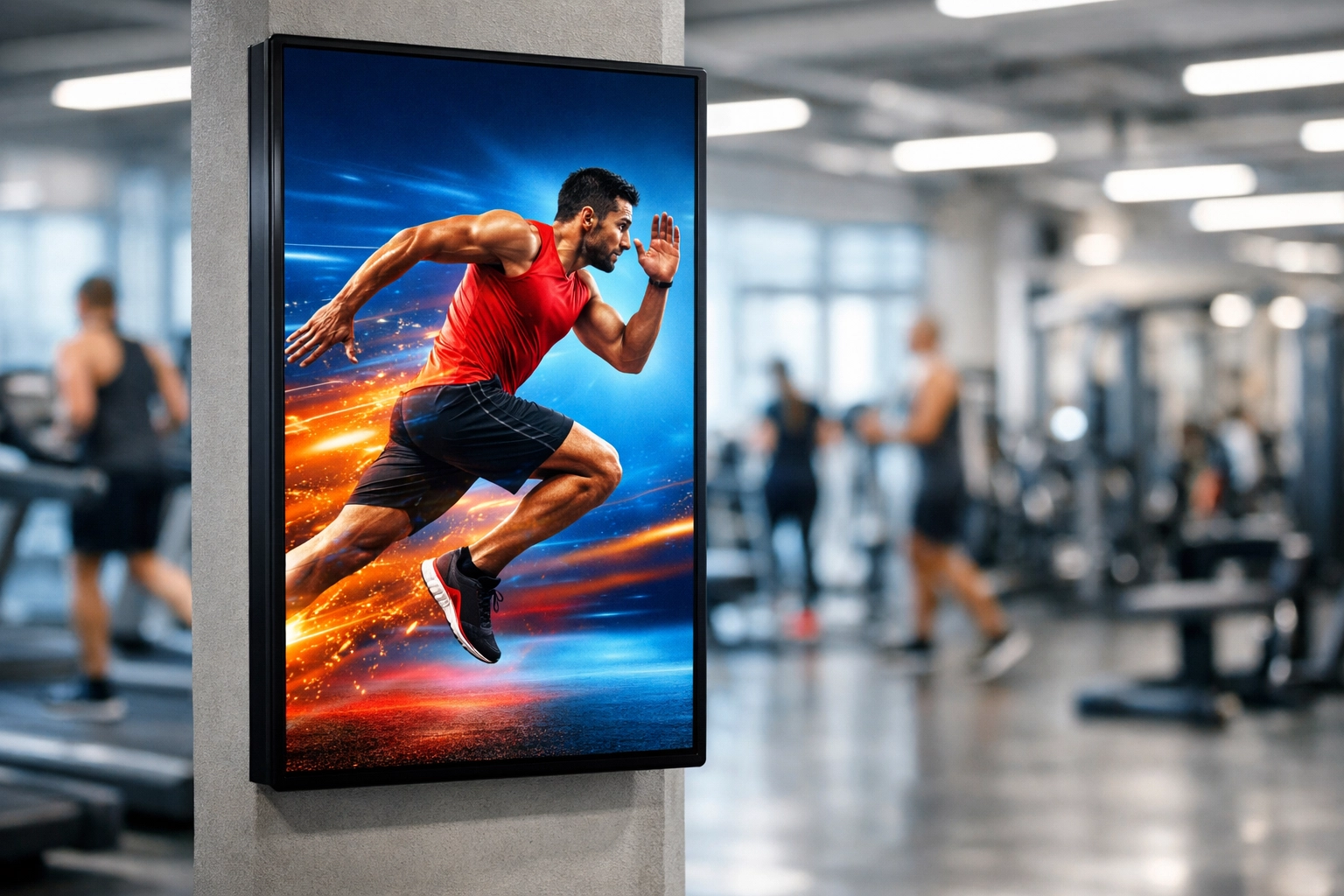
- Fitness Centers and Gyms: Reaching the active sports participant is a key objective for health, wellness, and apparel brands. These screens capture the attention of consumers focused on performance and personal improvement.
- Golf Courses and Country Clubs: This segment offers access to a high net worth demographic in a relaxed, leisure-focused environment.
- Entertainment Complexes: Venues such as bowling alleys and multi-sport centers provide a family-friendly environment for broad consumer reach.
By diversifying the types of venues within the network, OOH Sports allows media buyers to move away from a one-size-fits-all approach and toward a more nuanced, data-driven strategy.
Objective and Strategy: Solving the Flexibility Problem
For decades, the biggest hurdle for sports advertisers was the lack of flexibility. Traditional stadium sponsorships often required multi-year commitments and massive upfront capital. If a team’s performance declined or a brand’s strategy changed, there was little room for adjustment.
The OOH Sports network expansion solves this problem through the implementation of programmatic technology. By utilizing Sportrons, the network allows for real-time bidding and short-term campaign cycles. Media buyers can now launch, pause, or optimize campaigns with the same ease as a digital display or social media buy. This level of control is a significant reason why the industry is shifting focus toward this model.
Technology Partners and Programmatic Integration
A major driver of the network's success is its integration with top-tier demand-side platforms (DSPs). The use of advanced programmatic DOOH (Digital Out-of-Home) technology allows for seamless execution across the entire 25,000-screen footprint. Partners like StackAdapt have been instrumental in driving the adoption of these programmatic strategies, allowing media buyers to integrate OOH Sports inventory into their broader omnichannel campaigns.
The programmatic nature of the network expansion enables:
- Dynamic Creative Optimization: Brands can change their messaging based on live scores, weather conditions, or local events.
- Dayparting: Messaging can be scheduled to appear only during specific hours, such as just before kickoff or during happy hour.
- Geofencing: Campaigns can be targeted down to specific ZIP codes or around specific competitive locations.
Precision Targeting and Audience Measurement
In the past, OOH advertising was often criticized for its lack of precise measurement. The OOH Sports expansion addresses this by utilizing sophisticated data layers and attribution modeling. By connecting physical ad exposures to digital actions, the network provides a clear picture of how an OOH campaign drives consumer behavior.
Through the use of anonymized mobile device IDs, the company can track "exposed" audiences and determine if they later visited a brand's website or physical location. This level of marketing data is vital for proving ROI in a competitive advertising landscape. Recent case studies have shown that this approach is highly effective. For example, a campaign for Mike’s Hard Iced Tea saw a 119% lift in positive brand image, while Sea-Doo’s first digital OOH campaign increased purchase consideration by 144%.
Results and Market Impact
The impact of this network expansion is reflected in broader industry trends. Current projections suggest that the global digital out-of-home market is on track to reach $50 billion by 2030. As traditional television viewership continues to decline and ad-skipping technology becomes the norm, the unskippable nature of venue-based digital screens becomes increasingly valuable.
When comparing programmatic DOOH vs. traditional stadium ads, the data consistently points toward better ROI for the programmatic model. The ability to reach 25,000 screens across various markets ensures that a brand’s message is not confined to a single city or team fan base, but can follow the sports conversation wherever it goes.
For instance, during major events like the NYC Marathon, brands that were not official sponsors were able to achieve significant presence by leveraging DOOH networks in the surrounding areas. This strategy was famously utilized to create a massive brand presence that rivaled official sponsors, as detailed in our look at Nike’s NYC Marathon strategy.
Why Media Buyers are Paying Attention
Media buyers are gravitating toward the OOH Sports expansion for several specific reasons:
- Low Barrier to Entry: Unlike traditional sports sponsorships, the OOH Sports network is accessible to brands of all sizes. There are no prohibitive minimum spend requirements to get started.
- Speed to Market: A campaign can be live across thousands of screens in a matter of days, rather than the months of planning required for traditional OOH.
- National Scale, Local Execution: The network allows for a massive national footprint while still providing the ability to hyper-localize content for specific regions or venues.
- Efficiency: By targeting specific dayparts and venues, brands can reduce "waste" and ensure their impressions are being served to the most relevant audience.
Future Outlook for the OOH Sports Network
The milestone of 25,000 screens is just the beginning of the growth trajectory. As more venues recognize the value of providing high quality digital content to their patrons, the network is expected to continue its upward climb. This growth is supported by a robust set of company policies and a commitment to maintaining the highest standards of advertising integrity and terms of service.
For brands looking to capture their share of the growing sports marketing market, the OOH Sports expansion provides the necessary infrastructure to compete at a high level. Strategies for capturing this market share often involve a combination of high impact visuals and data-backed placement, as outlined in our report on strategies to capture your share of the $50 billion market.
Conclusion: Joining the Expansion
The expansion of the OOH Sports network is a response to a clear market demand for more flexible, measurable, and impactful sports advertising. By providing a bridge between the physical world of sports and the digital precision of modern marketing, OOH Sports has created a platform that delivers results for brands and media buyers alike.
Whether the goal is to drive immediate purchase consideration, like the White Claw vodka launch, or to dominate a local market during a holiday season as seen in New York City, the scale and technology of the OOH Sports network make it an essential component of any modern media mix.
For more information on how to leverage this expanded network for your next campaign, visit the OOH Sports contact page or explore our about page to learn more about the company's mission and history in the advertising space. The network is growing, and the opportunity for brands to connect with fans in a meaningful way has never been greater.