
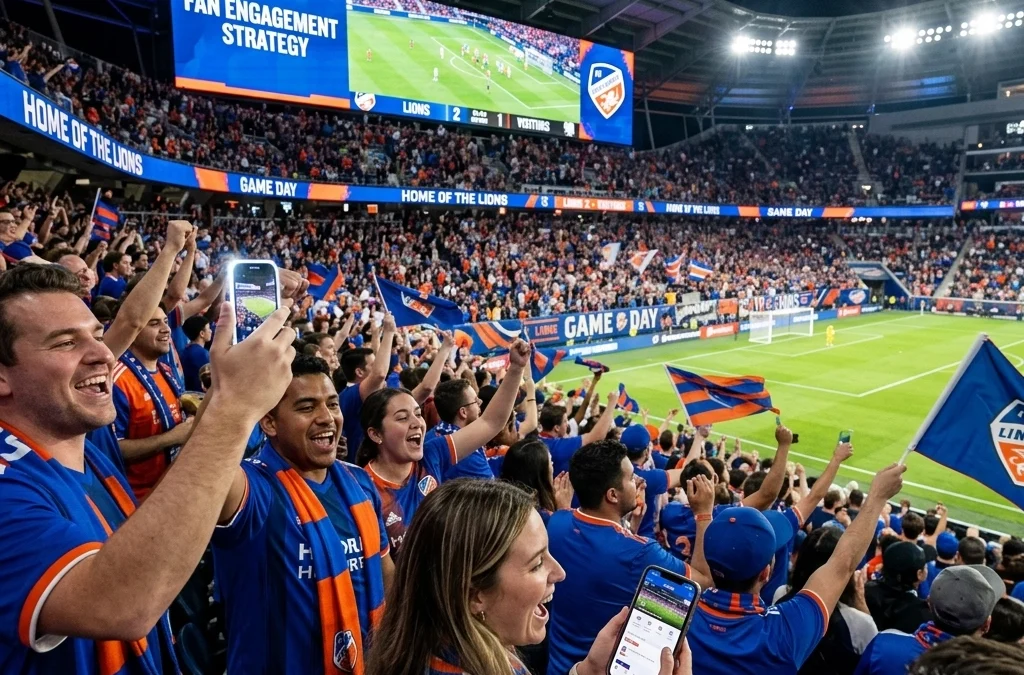
Effective fan engagement is the holy grail for CMOs and Creative Directors in the sports marketing world. The environment inside a stadium is electric, filled with high emotions and a captive audience. However, many brands fail to translate this energy into lasting brand loyalty. Instead of creating a connection, they often blend into the background or, worse, annoy the very people they want to reach.
Stadium perimeter advertising offers a unique canvas for branding. When executed correctly, it turns a passive viewer into an active brand advocate. When executed poorly, it is a wasted line item in the marketing budget. Identifying and correcting these common mistakes is the first step toward a more impactful sports marketing strategy.
1. Using One-Way Communication
The most common mistake in fan engagement is treating the audience as a passive target. Many brands use stadium signage to simply broadcast a message, much like a traditional billboard on a lonely highway. In a sports setting, fans are looking for an experience, not a lecture.
The fix involves turning a one-way message into a two-way conversation. Modern technology, such as the solutions found at oohsports.com/sportrons, allows for interactive elements that bridge the gap between the field and the fan. Branding should invite participation. Whether it is a call to action that triggers a mobile experience or a social media tie-in that displays fan content on the big screen, the goal is to make the fan feel like a part of the brand story.

2. Ignoring the Second Screen
Sports fans are notorious for multitasking. Even while sitting in the front row, they are checking stats, posting to social media, or texting friends about the play they just witnessed. A branding strategy that ignores the smartphone is a strategy that is missing half the battle.
To fix this, branding must be omnichannel. The perimeter boards should act as a gateway to the second screen. Creative Directors can design campaigns where the visual cues on the stadium perimeter match the digital ads fans see on their devices. This creates a cohesive brand ecosystem. By leveraging programmatic DOOH, marketers can sync their stadium presence with mobile retargeting, ensuring the brand stays top of mind long after the final whistle.
3. Lack of Contextual Relevance
A generic ad that works in a shopping mall rarely works in a football stadium. Fans are in a specific mindset. They are excited, stressed, or celebratory depending on the score. A brand that fails to acknowledge the context of the game feels out of place and corporate.
The fix is to lean into the environment. Branding should reflect the energy of the sport. This might mean using team colors, sports-centric language, or timing the messaging to coincide with specific moments in the game, such as a halftime break or a scoring play. Contextual branding makes the brand feel like a fellow fan rather than an outside intruder.

4. Over-complicating the Creative
Creative Directors often fall into the trap of trying to say too much. In the fast-paced world of live sports, fans have a limited attention span. A perimeter board with three lines of text, a complex logo, and a tiny QR code is a recipe for invisibility.
The solution is simplicity. A strong branding strategy relies on bold visuals and a singular, clear message. High-contrast colors and large, legible fonts are essential for stadium environments. The brand should be identifiable in a split second, even during high-speed action. For more insights on design best practices, the Ultimate Guide to Stadium Perimeter Branding provides a comprehensive look at what works visually.

5. Failing to Personalize the Experience
Treating 50,000 fans as a single monolithic group is a missed opportunity. While the stadium is a mass-media environment, the branding does not have to be generic. Data-driven insights now allow for a much higher degree of personalization than in the past.
Fixing this requires a shift toward data-informed branding. By understanding the demographics of a specific stadium or the interests of fans for a particular sport, CMOs can tailor their messaging. For example, the branding for a luxury car might be more effective at a tennis tournament than at a high-energy motor race. Using programmatic technology allows brands to swap creative in real-time based on the audience profile, making the engagement feel more personal and relevant.
6. Static Messaging in a Dynamic Environment
Sports are defined by movement. A static, unmoving ad on a digital perimeter board can feel "dead" compared to the action on the pitch. In a world where digital out-of-home (DOOH) is the standard, staying static is a mistake that leads to brand fatigue.
The fix is to embrace motion. Subtle animations, transitions, and dynamic content updates keep the brand feeling alive. This does not mean the ad should be distracting, but it should have a rhythm that matches the game. Dynamic branding can also include live data, such as score updates or social media feeds, which keeps fans looking at the boards throughout the entire event.

7. Neglecting Post-Game Measurement
The biggest mistake occurs after the fans leave the stadium. Many marketers treat stadium branding as a "vanity" play, assuming it works without actually measuring the impact. Without data, there is no way to optimize the branding strategy for future events.
The fix is to implement rigorous measurement and attribution. Modern OOH Sports technology allows for the tracking of device IDs exposed to the ads, which can then be tied to website visits, app downloads, or even in-store purchases. By analyzing the "brand lift" after a game, CMOs can justify the spend and refine their creative approach. Understanding industry secrets regarding media buying and attribution is essential for any brand looking to maximize ROI.
The Strategy for Success
Fixing fan engagement mistakes is not about spending more money. It is about spending it more intelligently. A stronger branding strategy focuses on the intersection of technology and human emotion. When a brand respects the fan's experience, simplifies its message, and uses data to drive its choices, the results are undeniable.
Stadium perimeter advertising is one of the few remaining ways to capture a large, attentive audience in a fragmented media landscape. By avoiding these seven common mistakes, brands can move beyond simple visibility and achieve genuine engagement.
For those looking to dive deeper into the technical side of these strategies, visiting the OOH Sports marketing page offers a look at how these campaigns are executed on the ground. The transition from a "sign on a wall" to a "brand in the heart" is what separates the winners from the losers in the world of sports advertising.

Key Takeaways for CMOs
To build a fan engagement strategy that lasts, consider these final points:
- Prioritize interaction over broadcasting.
- Ensure the visual creative is optimized for the stadium environment.
- Bridge the gap between the physical stadium and the digital second screen.
- Use data to measure success and inform future creative choices.
Fan engagement is a marathon, not a sprint. By refining the branding strategy and focusing on the fan's needs, companies can turn every match into a major win for their brand identity. For more information on how to get started, the OOH Sports contact page is the best place to begin the journey toward better stadium branding.