
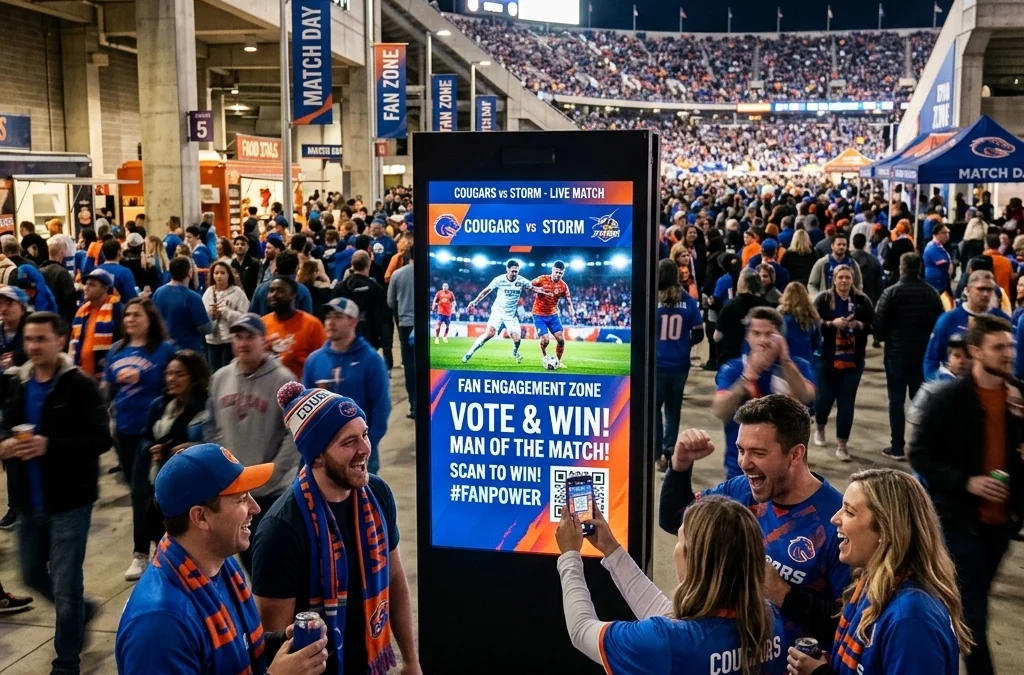
The landscape of sports marketing is undergoing a significant transformation. As traditional advertising methods face increasing fragmentation, digital out of home (DOOH) technology has emerged as a primary driver for fan engagement. Recent industry data suggests that DOOH sports advertising will hit 50 billion by 2030, highlighting a massive shift in how brands allocate their budgets to reach captive audiences.
To navigate this evolving environment, advertisers must look beyond simple impressions and focus on the technical trends that define modern fan interaction. The following ten insights provide a framework for maximizing the impact of digital displays in a sports-centric context.
1. Map the Comprehensive Fan Journey
Fan engagement is no longer confined to the duration of the game. Successful campaigns now consider a window that spans 6 to 12 hours surrounding an event. This strategy involves identifying key touchpoints where fans congregate before and after the whistle blows.
The journey begins during the morning commute on transit and roadside screens. It continues through pre-game hangouts in city centers and fan zones. Even after the game ends, the ritual moves to restaurants, bars, and rideshare screens. By placing DOOH assets at each of these stages, a brand maintains a consistent presence as fan emotions build and eventually cool down. This persistent visibility creates a narrative thread that follows the fan throughout their entire experience, rather than competing for limited attention within the stadium itself.
2. Execute Real-Time Messaging via Programmatic DOOH
Static billboards are often out of sync with the fast-paced nature of live sports. The rise of programmatic DOOH (pDOOH) allows advertisers to move away from "set-and-forget" campaigns. This technology enables the use of live data feeds to trigger specific creative assets based on real-time events.
For example, creative content can update instantly to reflect live scores, the game clock, or betting odds. If a team enters overtime or secures a significant win, the messaging can shift immediately to mirror the audience's mood. Brands like White Claw have utilized programmatic strategies to drive massive lifts in purchase consideration by staying relevant to the immediate context of the consumer.
3. Synchronize DOOH with TV and CTV Campaigns
DOOH is most effective when it functions as part of an omnichannel strategy. While a hero spot might run on television or connected TV (CTV), DOOH serves to reinforce those high-production messages in the physical world.
The most efficient approach involves recutting TV creative into shorter, punchier segments, typically 6 to 10 seconds in length. These variants are then deployed on screens near fan hotspots. This repetition across different mediums boosts brand recall and consideration significantly. Integration with platforms like the StackAdapt DSP has been instrumental in driving the adoption of these omnichannel sports campaigns.
4. Prioritize Everyday Fan Spaces Over Stadiums
A common misconception in sports marketing is that the stadium is the only place to reach fans. In reality, a large portion of fan attention is concentrated in everyday environments. Advertising plans should prioritize screens in sports bars, gyms, transit hubs, and shopping districts.
By targeting these locations, brands can reach fans where they live, work, and socialize. This contextual approach allows for more localized messaging. For instance, a campaign might focus on a specific neighborhood known for its loyalty to a local team, providing a more intimate connection than a generic stadium-wide broadcast.
5. Implement Context-Aware Creative
Modern DOOH technology is highly data-aware, allowing for creative assets that adapt to their surroundings. This goes beyond simple scheduling. Creative can be programmed to change based on location, such as showing different copy in a home city versus a rival city.
Contextual triggers might also include the time of day or stock availability at nearby retailers. A brand could set a rule to display celebratory copy and a limited-time offer near the stadium immediately following a home win. This level of relevance ensures that the message is always aligned with the specific circumstances of the viewer.

6. Bridge the Gap from Screens to Mobile Devices
Digital screens are increasingly serving as the entry point for a mobile-driven marketing funnel. Every screen should be viewed as an invitation for direct action. This is commonly achieved through the integration of QR codes, NFC taps, or short, memorable URLs.
Fans can use their phones to claim offers, participate in live polls, or access exclusive digital content. The key is to provide a single, clear call to action (CTA) that a fan can complete in under 30 seconds while passing the screen. This converts a passive viewing experience into an active lead generation or sales opportunity.
7. Utilize Geo-Fencing for Continued Retargeting
The interaction between a fan and a DOOH screen does not have to end when the fan walks away. By establishing geo-fences around high-traffic areas like stadiums or fan zones, advertisers can capture anonymous device IDs.
These exposed devices can then be retargeted later on mobile social media or CTV. This follow-up might include a discount code or a reminder of the message they saw earlier in the day. This multi-touch approach ensures that the initial DOOH impression is reinforced throughout the consumer's digital journey.
8. Leverage Dynamic Creative Optimization (DCO)
Dynamic Creative Optimization (DCO) allows for the automation of personalized content. For betting brands, this means showing live odds and in-game props directly on screens in sports bars. For apparel brands, it could mean switching the display to show rain gear if the local weather forecast changes.
DCO relies on a creative template with swappable elements. By connecting these templates to external data feeds, the system can automatically generate the most relevant version of an ad for a specific moment. This level of automation reduces manual workload while maximizing the utility of the content for the viewer.
9. Capitalize on Major Cultural Moments
Tentpole events, such as the World Cup, playoffs, or championships, create intense concentrations of public attention. During these periods, DOOH can be used to tap into the shared emotional experience of a city or nation.
Brands can execute high-impact "takeovers" at city landmarks or public viewing areas. These moments allow a brand to associate itself with the collective pride and excitement of a major event. Even without official sponsorship, clever placement and timing can make a brand feel central to the conversation. This was demonstrated in how certain brands leveraged the NYC Marathon to maintain a high-profile presence through strategic out of home placements.
10. Focus on Outcome-Based Measurement
The final and perhaps most important trend is the shift toward rigorous measurement. Modern DOOH offers more than just estimated "eyeballs." Advertisers can now utilize impression verification and attribution tools to link DOOH exposure to concrete results like web visits, app installs, or physical store traffic.
When planning a campaign, it is essential to define clear KPIs from the outset. Whether the goal is a lift in brand preference or a direct increase in merchandise revenue, the data is now available to prove the return on investment. Comparing programmatic DOOH vs traditional stadium ads often reveals that the former delivers a more measurable and cost-effective outcome due to these advanced tracking capabilities.
Strategic Execution for the Future
Adopting these trends requires a shift in how sports marketing is structured. It demands a focus on technology, data integration, and a deep understanding of fan behavior outside the arena. By utilizing specialized tools like Sportrons, advertisers can bridge the gap between digital precision and the physical scale of out of home media.
The objective is to create a seamless experience for the fan, one where the brand provides value through relevant information, timely offers, and a shared passion for the game. As the industry moves toward 2030, those who master these ten trends will be best positioned to capture a significant share of the growing DOOH market.
For those looking to refine their strategy, exploring detailed case studies on past successes, such as the AB InBev Mike’s Hard Iced Tea campaign, can provide a roadmap for achieving similar brand lift and consumer engagement. Success in this field is determined by the ability to turn data into action and screens into connections.