
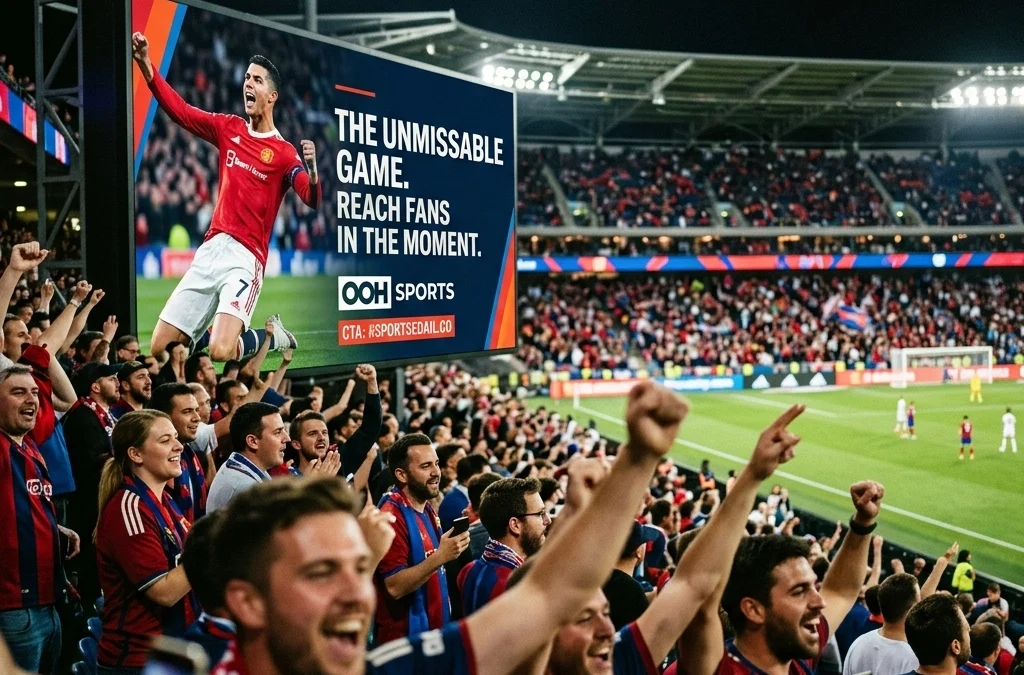
The landscape of sports marketing is undergoing a significant transformation. Traditional methods of reaching fans, such as static billboards and standard television spots, are being supplemented or replaced by highly sophisticated digital out-of-home (DOOH) technology. This shift is not merely about moving from paper to pixels. It represents a fundamental change in how media buyers and brand managers engage with a passionate, mobile, and tech-savvy audience.
For brands looking to maintain relevance in a competitive attention economy, understanding sports DOOH innovation is no longer optional. It is the key to moving beyond generic awareness and into the realm of real-time, measurable fan engagement.
Shifting Focus from Locations to Fan Moments
In the past, outdoor advertising was defined by geography. A brand bought a specific board because it was near a stadium or on a major highway. Today, innovation in the OOH Sports sector allows advertisers to transition from buying physical locations to buying specific fan moments.
The modern fan journey is complex. It does not start and end at the stadium gates. It begins with the morning commute in team apparel, continues through lunchtime score checks, and extends into pre-game gatherings at bars or fan zones. Programmatic DOOH enables brands to activate screens across this entire journey. This includes transit hubs, gym screens, elevators, and sports bars.
By leveraging these touchpoints, a campaign can weave a brand into the rhythm of the entire game day. Instead of a single impression during a broadcast, the brand achieves dozens of smaller, high-impact interactions. This approach ensures that the message is present during the peak emotional states of the audience, whether they are experiencing the anticipation of kickoff or the celebration of a victory.
Real-Time Content: Turning Ads into Utilities
One of the most impactful innovations in sports DOOH is the ability to integrate live data feeds. When an advertisement provides value beyond a sales pitch, it stops being an interruption and becomes a utility. Fans have an insatiable appetite for live information, including scores, player statistics, and betting odds.
Modern DOOH technology allows for several real-time triggers:
- Live scoreboards and game clocks that update every few seconds.
- Dynamic betting odds that fluctuate based on game developments.
- Countdown timers to major events, such as the start of the playoffs or a championship final.
- Creative shifts based on live outcomes, such as "congratulations" messages appearing immediately after a win.
When a screen in a high-traffic area displays the current score alongside a relevant brand message, it commands attention. This relevance leads to higher memory retention and more positive brand sentiment. The advertisement is viewed as a helpful part of the sports experience rather than a distraction from it.

Precision Targeting for High-Intent Audiences
Traditional out-of-home advertising was often criticized for being a "blunt" instrument. It reached everyone, but not necessarily the right someone. Sports DOOH innovation has solved this by utilizing aggregated movement and behavioral data to build precise audience segments.
Advertisers can now target specific groups such as fans of a particular team, frequent visitors to arenas, or participants in major sporting events like the NYC Marathon. This data-driven approach allows for highly localized and relevant creative. For example, a brand can run one set of visuals in a neighborhood known for its local team support and a completely different set in a rival city.
This level of precision reduces media waste significantly. Instead of buying a broad city-wide campaign, a media buyer can purchase impressions specifically where high concentrations of sports enthusiasts are known to congregate. This strategy aligns the physical world with the targeting capabilities usually reserved for digital or social media channels. More details on these strategies can be found in the article regarding strategies to capture market share.
Bridging the Gap Between Physical and Digital Fandom
DOOH is no longer a standalone, top-of-funnel channel. It now serves as a launchpad into a brand's digital ecosystem. Innovation in screen technology and mobile connectivity has made it possible to create a seamless bridge between a physical billboard and a smartphone.
Common integration tactics include:
- QR Codes: These allow fans to quickly access special offers, sign up for newsletters, or download apps while waiting for a train or sitting in a sports bar.
- Social Media Integration: Real-time displays of user-generated content or live hashtag walls create a sense of community.
- Mobile Retargeting: Advertisers can identify device IDs that were in the vicinity of a DOOH screen and serve follow-up ads on their mobile devices later.
A practical example of this is a fan seeing live betting odds on a screen in a sports bar. A quick scan of a QR code can take them directly to a sportsbook app with a pre-loaded promotion. This reduces the friction between seeing an ad and taking an action. This methodology has proven successful in various sectors, as seen in the Sea-Doo case study, which saw a 144% increase in purchase consideration through strategic DOOH use.

Data and Measurement: A New Performance Channel
The lack of accurate measurement was once the primary barrier to OOH investment. However, the move toward programmatic DOOH has introduced a level of accountability that matches other digital formats. Media buyers can now access verified impressions based on actual foot traffic rather than outdated estimates.
Attribution modeling is now a standard part of innovative sports DOOH. Brands can measure:
- Footfall Lift: Determining if people who were exposed to a screen later visited a physical retail location.
- Online Conversion: Tracking app installs or website visits from users in the target area during the campaign period.
- Brand Lift: Using survey-based data to measure shifts in awareness and purchase intent.
For instance, a programmatic DOOH campaign for White Claw saw a 74% lift in purchase consideration. This was achieved by using data to place ads where the target audience was most active. This type of measurable success makes it much easier for brand managers to justify budget allocations toward out-of-home media. You can read the full details of that White Claw campaign success here.

Transforming Cities into Extended Stadiums
Major sporting events naturally turn a city into a large-scale arena. The atmosphere spills out from the stadium and into the streets, restaurants, and transit systems. Innovative DOOH allows brands to amplify this atmosphere and act as a "host" for the cultural moment.
By coordinating screens across a city, a brand can create a cohesive environment. This is especially effective during high-stakes periods like the playoffs or a world championship. Using neighborhood-specific messaging, such as "Congrats, New York" after a major win, fosters a deeper connection with the local fan base. This approach ensures that the brand impact extends far beyond the duration of the actual game and the walls of the stadium.
This strategy was effectively utilized during the NYC Marathon, where brands achieved significant visibility despite not being official sponsors. More information on this can be found in the post about Nike and the NYC Marathon.
Maintaining Always-On Fan Relationships
Sports fandom does not end when the final whistle blows or when the season concludes. Fans remain engaged through the off-season via drafts, trade rumors, and training camp updates. Programmatic DOOH provides the flexibility to maintain an "always-on" presence that adjusts to the sports calendar.
During the off-season, the creative can focus on hype and building anticipation. As the season approaches, the messaging can shift to ticket sales or jersey launches. This consistency ensures that the brand remains at the top of mind for fans throughout the entire year, rather than just during peak broadcast windows.

Strategic Implementation for Media Buyers
To take full advantage of these innovations, media buyers should consider the following steps when planning a sports DOOH campaign:
- Define the Journey: Map out where the target fan is likely to be throughout the day, not just where they are during the game.
- Utilize Dynamic Creative: Plan for live data integration to ensure the content remains relevant to the current state of play.
- Leverage Programmatic Platforms: Use Demand Side Platforms (DSPs) to buy impressions efficiently and at scale. Detailed insights on this can be found in the StackAdapt DSP spotlight.
- Prioritize Measurement: Set clear KPIs and use attribution partners to measure the real-world impact on foot traffic and brand lift.
The combination of sports-driven emotion and data-driven technology is a powerful tool. By embracing these innovations, brands can reach fans in more meaningful and effective ways than ever before. For further information on how to implement these strategies, visit the OOH Sports marketing page or contact the team for a consultation.