
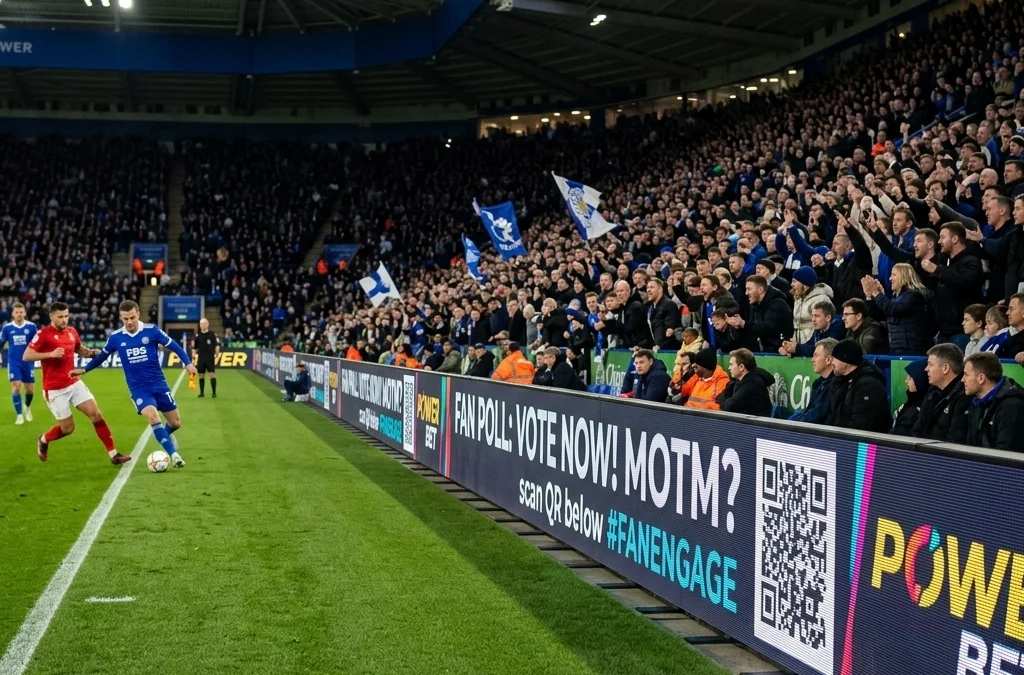
Stadium environments offer a unique psychological setting for advertising. Fans are present in a state of high emotional arousal, intense focus, and communal participation. This environment creates a powerful "halo effect" for brands that can successfully integrate into the experience. Stadium perimeter Digital Out-of-Home (DOOH) advertising has evolved from static boards to dynamic, data-driven assets that serve as the centerpiece of modern fan engagement.
For Creative Directors and CMOs, the challenge is no longer just about visibility. The goal is to move from passive logo placement to active participation in the fan journey. By leveraging OOH Sports and programmatic technology, brands can synchronize their messaging with the live action on the field, creating a seamless connection between the game and the brand.
Defining Strategic Objectives
A successful integration begins with clear KPIs that align with the broader marketing funnel. Perimeter DOOH is versatile enough to support various goals, but the creative and technical execution must be tailored accordingly.
Upper-Funnel Awareness
The primary objective here is to maximize reach and brand recall. Because stadium crowds often include thousands of in-person attendees and millions of broadcast viewers, perimeter boards provide high-frequency exposure. Success is measured through reach counts, device exposure data, and brand lift studies that track sentiment shifts.
Mid-Funnel Engagement
Brands can use perimeter DOOH to drive specific actions such as app downloads, newsletter signups, or participation in digital contests. This often involves the use of QR codes or short, memorable URLs that bridge the physical and digital worlds.
Lower-Funnel Conversion
By promoting limited-time offers or stadium-exclusive deals, brands can drive immediate sales at concessions or via e-commerce. For instance, a beverage brand might trigger a specific promotion during a timeout, encouraging fans to visit a nearby kiosk.

Mapping the Full Fan Journey
Integration is most effective when it covers the entire fan journey, rather than just the duration of the match. Perimeter DOOH should be viewed as one touchpoint in a larger omnichannel narrative.
The Pre-Game Phase
The journey begins before the fan enters the stadium. Brands can use DOOH on transit routes, city center screens, and near fan festivals to set the stage. These screens can tease in-stadium moments or encourage fans to download an app to participate in half-time activations. This creates a sense of anticipation and ensures the brand is already top-of-mind when the fan reaches their seat.
The In-Stadium Experience
Once the game starts, the perimeter Sportrons become the focus. These screens are positioned in the primary line of sight for both fans in the stands and the TV cameras. The strategy here should focus on emotional alignment and high-impact visuals that complement the live action without distracting from it.
The Post-Game Connection
The engagement does not end at the final whistle. By using device ID tracking and geo-fencing, brands can retarget fans who were exposed to the stadium ads. These fans can be reached via mobile, social media, and Connected TV (CTV) in the days following the event. This persistence helps move the needle on purchase consideration and long-term loyalty.
Emotional Synchronization and Live Triggers
One of the most significant advantages of modern DOOH is the ability to sync creative content with live game data. This process, often referred to as emotional synchronization, allows a brand to capitalize on the psychological peaks of the event.
When a goal is scored, a home run is hit, or a crucial penalty is called, fan emotion spikes. Brands that appear on the perimeter boards during these moments benefit from a massive boost in recall and positive association.
Implementing Data Triggers
Programmatic DOOH platforms allow brands to set automated triggers based on real-time events. Common triggers include:
- Score changes (goals, touchdowns, points).
- Time-based events (kick-off, half-time, final minutes).
- Game states (timeouts, VAR reviews, injury breaks).
- Weather conditions (temperature drops triggering ads for hot beverages).
By pre-approving creative packages for different scenarios, a brand ensures it always has the right message for the right moment. A "Goal Celebration" creative can be high-energy and celebratory, while a "Tense Moment" creative might use more suspenseful, minimalist visuals.

Creative Principles for Stadium Perimeter
The technical constraints of perimeter LED boards require a specific approach to creative design. Because these screens are often viewed from a distance or on a television screen, clarity and simplicity are paramount.
Visual Hierarchy and Contrast
Creative directors should prioritize high-contrast colors and bold typography. The brand logo must be large and unobstructed. Messaging should be limited to three to five words to ensure readability during fast-paced play.
Movement with Purpose
While motion attracts the eye, excessive animation can be distracting or even violate league regulations. Successful campaigns use subtle movement, such as a shimmering effect on a product or a slow pan, to draw attention without interfering with the viewing experience.
Contextual Relevance
Dynamic Creative Optimization (DCO) allows ads to change based on the specific context of the game. For example, a food delivery brand might show different messages based on the score. If the home team is winning, the ad might suggest a "victory meal." If the game is tied late in the second half, the ad might suggest "fuel for the finish."
Connecting to Mobile and Social Ecosystems
Perimeter DOOH should never exist in a vacuum. It is the visible tip of a deep digital strategy that leverages mobile connectivity and social sharing.
Geo-Fencing and Retargeting
By geo-fencing the stadium, marketers can identify mobile devices present during the game. This data allows for precise retargeting. A fan who saw a perimeter ad for a new sneaker can be served a follow-up ad on Instagram the next morning with a "Shop Now" link. This strategy has been shown to significantly increase purchase consideration, as seen in various case studies.
Social Media and UGC
Fans are constantly capturing photos and videos of the stadium atmosphere. When a brand occupies the perimeter boards during a major moment, it often appears in the background of thousands of social media posts. Brands can encourage this behavior by integrating social calls-to-action on the screens. For example, a brand might display a hashtag or a prompt to use a custom AR filter, creating a feedback loop between the physical stadium and digital social platforms.

Measuring Impact and ROI
The shift to digital has made stadium advertising more measurable than ever. Rather than relying on vague "impressions" based on attendance, brands can now look at granular data to determine the effectiveness of their campaigns.
Key Performance Metrics
- Unique Device Exposure: The number of unique mobile devices detected within the stadium during the ad flight.
- Brand Lift: Pre- and post-campaign surveys that measure shifts in awareness, favorability, and intent.
- Conversion Tracking: Measuring the uplift in website visits, app downloads, or promo code redemptions that occur during or immediately after the game.
- Attribution: Linking in-stadium exposure to later purchases, either online or in-store, using anonymized data sets.
Research indicates that the sports advertising market is expected to grow significantly, with DOOH sports advertising projected to hit 50 billion by 2030. This growth is driven by the superior ROI delivered by programmatic DOOH compared to traditional static signage.
Operational Best Practices
Executing a high-level fan engagement strategy requires close coordination between the brand, the agency, and the technology partner.
- Early Alignment: Ensure that all creative assets meet the specific technical requirements of the venue's LED systems.
- Real-Time Monitoring: Have a dedicated team or automated system monitoring the game to ensure triggers are firing correctly.
- Privacy Compliance: All data collection, especially device ID tracking, must adhere to strict privacy standards. Reviewing company policies and local regulations is a critical step in the planning phase.

Conclusion
Integrating stadium perimeter DOOH into a fan engagement strategy represents a move toward more intelligent, responsive, and effective marketing. By treating the stadium as a data-rich environment and the fan as an active participant, brands can create lasting connections that extend far beyond the final score. Whether through emotional synchronization or seamless mobile retargeting, the power of OOH Sports lies in its ability to turn a simple sideline ad into a comprehensive brand experience.

For those looking to explore the technical advantages of digital over traditional methods, comparing programmatic DOOH vs. traditional stadium ads provides a clear framework for decision-making. As the technology continues to advance, the brands that master these integrations will be best positioned to capture the attention and loyalty of the modern sports fan.