
QR code stadium campaigns are experiencing a renaissance, not a decline. The QR code market reached 41.77 million scans in 2025, representing a staggering 433% increase over four years. Modern stadium campaigns have evolved beyond static codes into sophisticated, AI-powered interactive experiences that transform how fans engage with brands and venues.
The sports advertising landscape continues to shift toward data-driven, measurable engagement strategies. As DOOH sports advertising approaches $50 billion by 2030, stadium operators and advertisers are discovering that interactive QR campaigns deliver unprecedented engagement rates when executed with strategic precision.
Real-Time Adaptive QR Experiences Drive 60% Higher Engagement
The first transformative trend involves dynamic, location-aware QR interactions that adapt in real-time based on fan behavior, location, and game status. These systems replace static QR codes with intelligent experiences that respond to stadium conditions, crowd dynamics, and individual preferences.
AI-powered QR code solutions are generating measurable results across stadium implementations. Campaigns utilizing adaptive QR technology report 60% higher engagement rates compared to traditional static codes, with scan rates increasing by 40%. The technology leverages smartphone sensors and machine learning algorithms to create personalized navigation experiences without requiring additional hardware infrastructure.
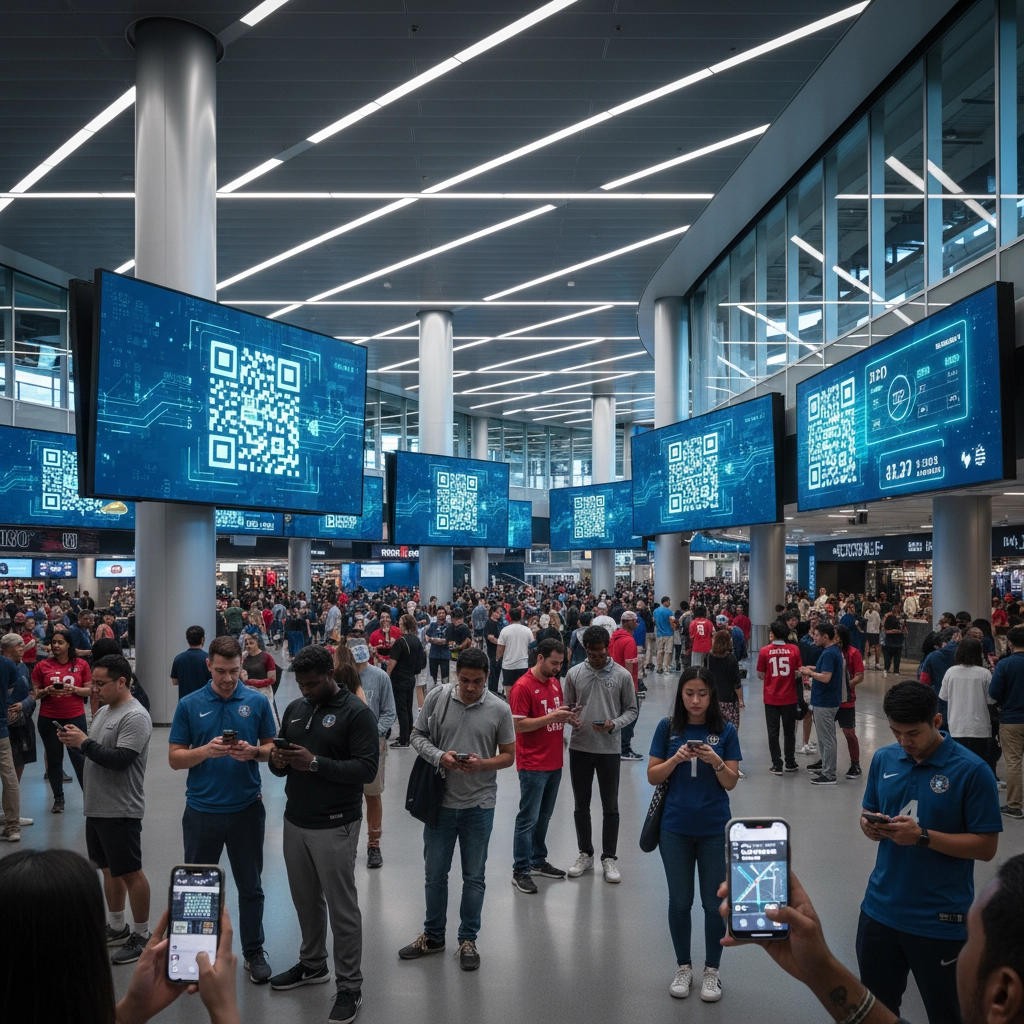
Stadium operators deploy these systems to provide dynamic wayfinding, where a single QR scan opens live maps showing optimal routes to seats, shortest concession lines, and real-time venue information. The codes automatically update based on crowd density data, game progression, and facility operations, eliminating frustration from outdated information.
Advanced implementations integrate with stadium Wi-Fi networks to track fan movement patterns and optimize code placement for maximum visibility and engagement. This data-driven approach allows operators to adjust campaigns in real-time, moving high-performing codes to premium locations and modifying underperforming placements.
The technology also enables cross-promotional opportunities through contextual triggers. Codes placed near team merchandise stores can dynamically switch between product promotions, player statistics, and exclusive content based on game performance and fan sentiment analysis.
Gamified Interactive Polling Transforms Passive Viewing Into Active Participation
The second major trend centers on gamification through interactive polls, surveys, and real-time challenges that convert passive spectators into active participants. These campaigns strategically deploy QR codes during peak engagement moments like halftime, crucial plays, and pre-game activities to maximize response rates.
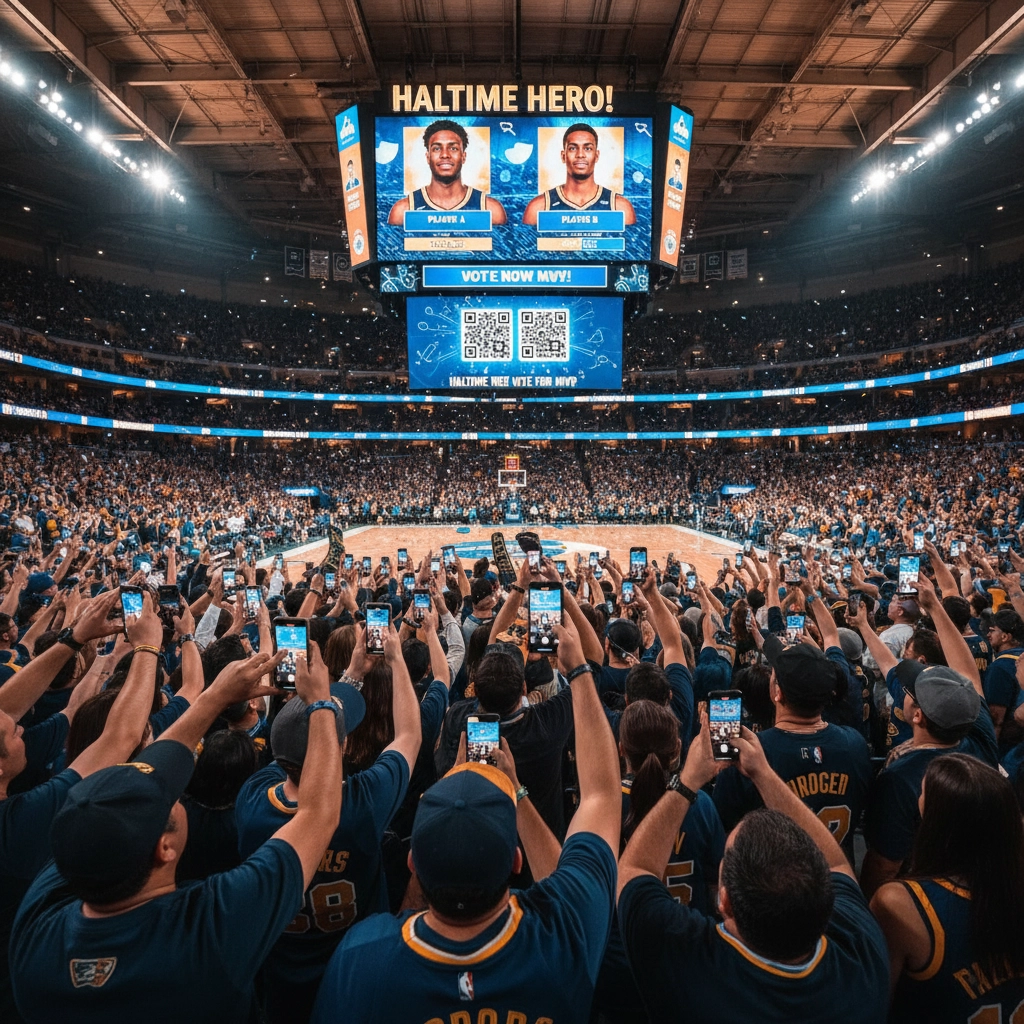
Interactive polling campaigns achieve significant engagement improvements through compelling call-to-action messaging. Rather than generic "Scan Me" prompts, successful campaigns use specific engagement hooks like "Vote for Your Favorite Player!" or "Predict the Next Play!" This approach generates higher participation rates by clearly communicating the value proposition to fans.
The gamification strategy has proven particularly effective for brand partnerships. M&M's interactive game campaign on digital screens increased engagement by 150% while driving measurable product sales increases. The campaign integrated QR codes with touchscreen displays to create multi-layered brand experiences that extended beyond simple product promotion.
Stadium implementations now feature sophisticated analytics platforms that track behaviors beyond initial scans. These systems monitor completion rates, response quality, and engagement duration to optimize content dynamically. Real-time feedback loops allow campaign managers to adjust poll questions, modify game mechanics, and personalize subsequent interactions based on individual fan preferences.
The polling approach also creates valuable data collection opportunities for sponsors and stadium operators. Fan response data provides insights into preferences, demographics, and engagement patterns that inform future campaign development and venue operations.
Metaverse Integration Creates Multi-Dimensional Brand Experiences
The third transformative trend involves blending physical stadium experiences with digital and virtual worlds through QR code gateways. These campaigns connect fans to augmented reality filters, virtual brand experiences, NFT drops, and immersive digital content that extends engagement beyond the physical venue.
Modern implementations leverage NFC technology alongside QR codes to create layered digital experiences. Fans can scan codes to access AR filters that overlay digital content onto stadium environments, participate in virtual brand activations, or claim exclusive digital collectibles tied to game events.
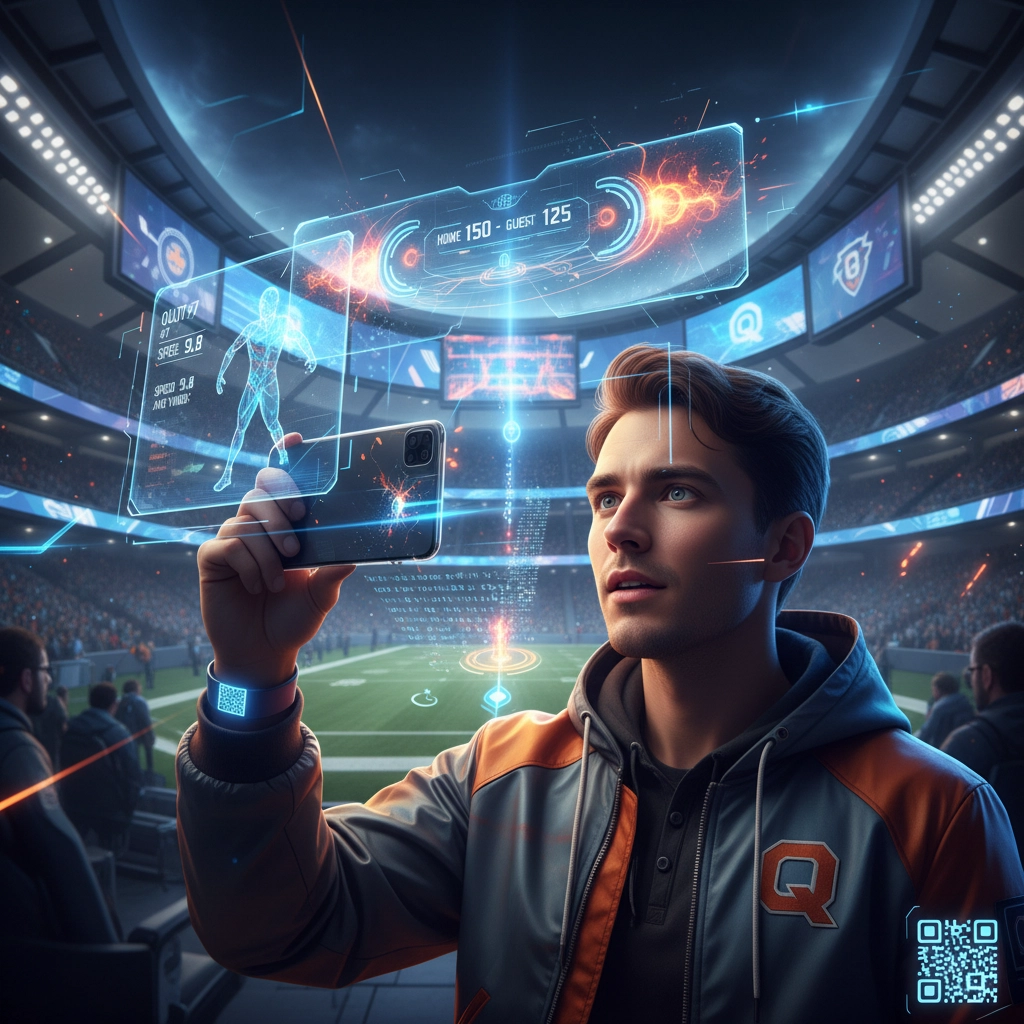
Neuro-DOOH technology represents the most advanced implementation of this trend. These systems utilize eye-tracking sensors and anonymized facial recognition to gauge attention levels and optimize content presentation in real-time. The technology enables live A/B testing of creative elements, adjusting campaigns based on crowd engagement patterns and attention metrics.
The metaverse integration approach allows brands to create persistent digital relationships that continue beyond game day. QR codes serve as entry points to branded virtual spaces where fans can access exclusive content, participate in ongoing challenges, and engage with brand communities throughout the sports season.
Stadium operators benefit from expanded revenue opportunities through virtual sponsorships and digital merchandise sales. These campaigns create new inventory categories that supplement traditional advertising placements while providing measurable engagement data for sponsor reporting.
Measurable Business Impact Validates Interactive DOOH Investment
The engagement results from interactive DOOH campaigns demonstrate substantial business impact across multiple metrics. Companies implementing AI-powered QR solutions report a 25% increase in conversions and 30% increase in sales, with customer acquisition costs reduced by 20%.

Stadium-specific implementations show even stronger performance indicators. Interactive campaigns generate boosted conversion rates, improved operational efficiency through reduced staff inquiries, and enhanced sponsor ROI through trackable engagement metrics. The combination of real-time analytics and behavioral data creates actionable insights that inform venue operations and marketing strategies.
Brand lift studies conducted across stadium QR campaigns reveal significant improvements in key performance indicators. Campaigns achieve measurable increases in brand awareness, purchase consideration, and positive brand sentiment. The ability to track individual customer journeys from initial QR scan through conversion provides unprecedented attribution accuracy for stadium advertising investments.
The technology also delivers operational benefits for stadium management. Reduced crowding at information desks, decreased staff workload for routine inquiries, and improved fan satisfaction scores create measurable value beyond direct advertising revenue.
Strategic Implementation Considerations
Successful interactive QR campaigns require strategic planning across technology infrastructure, content development, and performance measurement. Stadium operators must invest in robust Wi-Fi networks, dynamic content management systems, and real-time analytics platforms to support advanced QR functionality.
Creative development for interactive campaigns demands different approaches than traditional advertising. Content must be optimized for mobile consumption, designed for quick engagement, and structured to encourage sharing and repeat interaction. The most effective campaigns integrate with existing fan engagement platforms and social media channels to amplify reach.
Performance measurement strategies should encompass both immediate engagement metrics and long-term relationship indicators. Tracking systems must capture scan rates, completion rates, conversion data, and subsequent engagement to provide comprehensive campaign assessment.
As sports venues continue embracing digital transformation, interactive QR campaigns represent a critical component of modern fan engagement strategies. The technology delivers measurable business results while creating memorable experiences that strengthen relationships between fans, brands, and venues.
Sports marketing professionals considering QR campaign implementation should evaluate technology partners carefully, focusing on platforms that provide real-time optimization capabilities and comprehensive analytics reporting. The investment in sophisticated QR technology pays dividends through improved engagement rates, enhanced fan satisfaction, and measurable business outcomes.
For consultation on implementing interactive DOOH campaigns that drive measurable engagement, contact OOH Sports at +1 (970) 703-0102. Dan Kost, CEO of OOH Sports, specializes in developing data-driven sports advertising strategies that deliver exceptional ROI for stadium operators and brand partners.
What interactive DOOH strategies are you considering for your next stadium campaign? Share your thoughts in the comments below.
Share this article:
Tags: #Motivation #Branding #Strategy #Marketing #AdvertisingAndMarketing #digitalmarketing #Innovation #Sports
Ready to transform your stadium advertising strategy? Contact OOH Sports today to discover how interactive DOOH campaigns can drive 200%+ engagement for your brand.