
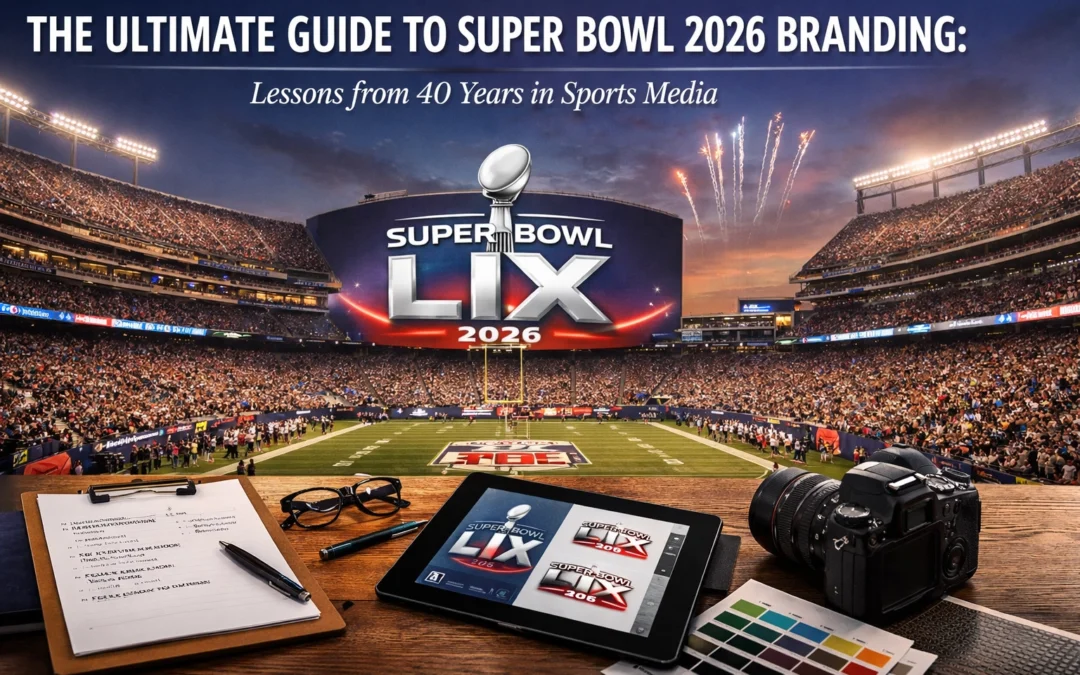
The landscape of sports advertising has undergone a massive transformation over the last four decades. As the industry looks toward the monumental scale of Super Bowl 2026, the strategies used by top tier brands reflect a sophisticated blend of traditional presence and cutting edge technology. Moving beyond the era of the isolated thirty second television commercial, modern branding now focuses on total venue saturation and digital integration.
This guide analyzes the evolution of sports media through the lens of OOH Sports, drawing on 40 years of leadership in the advertising sector to identify what drives success in the current market.
https://www.youtube.com/watch?v=l6J-0zileKE
The Evolution of Sports Media: 1986 to 2026
Forty years ago, sports branding was largely static. Advertisers relied on fixed signage and print media. Today, the approach is dynamic and multi layered. The transition from physical billboards to programmatic digital out of home (DOOH) has allowed brands to react in real time to the events on the field.
In the mid 1980s, a brand might secure a single stadium sign and consider the job done. In 2026, the strategy involves a cultural ecosystem. This includes everything from floor graphics in the concourse to massive digital displays that wrap around the stadium exterior. The goal is no longer just visibility, it is immersion.

Strategy: Total Venue Saturation
A key lesson from 40 years of sports media leadership is that a brand must own the space physically and digitally. Total venue saturation ensures that every person attending the event, as well as those in the surrounding city, encounters the brand multiple times.
From Floors to Billboards
The modern Super Bowl campaign starts long before a fan reaches their seat. Effective branding utilizes:
- Floor Graphics: High durability decals placed in high traffic areas like entryways and concessions.
- Sportrons: Advanced digital displays that provide high resolution content to fans throughout the stadium. More details on these can be found at oohsports.com/sportrons.
- Large Format Billboards: Placed along the primary transit routes to the venue to capture the attention of the millions of visitors in the host city.
By diversifying the physical placement of advertisements, brands create a "surround sound" effect for their messaging.
Objective and Strategy: The Three Phase Model
Research into the 2026 branding landscape reveals that the most successful campaigns follow a structured three phase approach. This ensures maximum ROI and sustained engagement.
Phase 1: Pre-Game Hype (January 15 – February 7)
The objective during this phase is to build awareness and anticipation. Brands utilize programmatic DOOH to target consumers in their daily routines, often using "behind the scenes" content or influencer collaborations to build a narrative.
Phase 2: Game Day Optimization
On the day of the Super Bowl, the focus shifts to real time engagement. Brands use data driven triggers to update creative content based on the score, weather, or key plays. This level of agility was impossible 40 years ago but is now a standard requirement for top level advertisers.
Phase 3: Post-Game Saturation
The final phase focuses on capturing viral momentum. By maintaining a presence on digital billboards and social media immediately following the game, brands can extend the life of their campaign and drive conversions while the event is still fresh in the public consciousness.

Key Marketing Themes for 2026
As analyzed by industry experts at OOH Sports, four dominant themes have emerged as the pillars of modern Super Bowl branding.
1. Humanizing AI
Artificial Intelligence is no longer a futuristic concept. In 2026, brands have shifted toward positioning AI as a helpful, accessible tool. Instead of focusing on technical specifications, advertisements emphasize how AI empowers creativity and simplifies daily life.
2. Thoughtful Nostalgia
Nostalgia remains a powerful tool, but it must be used with precision. Successful brands bridge generations by pairing heritage visuals with modern humor. This creates a sense of reliability while remaining relevant to younger demographics.
3. Authenticity Over Polish
There is a growing trend toward humor and self awareness. High budget, overly polished ads are often passed over in favor of content that feels authentic. Using celebrities as part of a joke, rather than as traditional endorsers, has proven to be a highly effective tactic.
4. Emotional Connection
Storytelling that focuses on unity and perseverance continues to resonate. These campaigns move away from grand corporate statements and instead focus on human connection, which fosters long term brand loyalty.
Technology Partners and Digital Integration
The integration of digital platforms is no longer optional. The modern sports media ecosystem spans across mainstream television, niche social platforms, and physical OOH assets.
Partnerships with Demand Side Platforms (DSPs) like StackAdapt have streamlined the process of launching omnichannel campaigns. For instance, the use of programmatic DOOH allows for precise targeting that traditional media simply cannot match. You can read more about these advancements in this spotlight on StackAdapt DSP.

Campaign Execution and Results
To understand the effectiveness of these strategies, it is helpful to look at measurable outcomes from recent high profile campaigns. These results serve as a benchmark for what brands can expect when executing a venue wide strategy.
Data Driven Success
- White Claw: By using programmatic DOOH for a vodka launch, the brand saw a 74% lift in purchase consideration. Detailed metrics are available in the White Claw case study.
- AB InBev: A campaign for Mike's Hard Iced Tea resulted in a 119% lift in positive brand image by leveraging real time digital assets.
- Sea-Doo: Their first digital OOH campaign increased purchase consideration by 144%, proving that even brands traditionally associated with summer can dominate the winter sports conversation through smart placement. See the full report at oohsports.com/case-study.
These figures demonstrate that the combination of physical presence and digital precision delivers a significantly higher ROI than traditional stadium ads alone. A more detailed comparison of these methods can be found in our analysis of programmatic DOOH vs. traditional stadium ads.

Strategic Tactics for 2026 and Beyond
As the market for sports advertising is projected to hit $50 billion by 2030, the competition for attention will only increase. Brands looking to capture their share of this market must adopt specific, data backed strategies.
Real Time Betting Integration
With the rise of sports betting, real time integration has become a major driver of engagement. Launching campaigns that reflect current odds and betting trends can drive conversions in under 24 hours. Guidelines for this can be found in our post on real-time sports betting campaigns.
Strategic "Ambush" Marketing
A brand does not necessarily need to be an official sponsor to dominate the conversation. By strategically placing OOH assets in and around the host city, brands can achieve massive visibility. A notable example is how Nike maintained a dominant presence during the NYC Marathon without being an official sponsor, a tactic detailed at oohsports.com/blog.
Conclusion: The Path Forward
The lessons learned from 40 years in sports media lead to one clear conclusion: success at Super Bowl 2026 requires a holistic approach. It is about the synergy between the physical venue and the digital world. By utilizing every available surface, from the floors to the massive highway billboards, and backing that presence with programmatic data, brands can ensure their message is not just seen, but remembered.
For those interested in exploring how to implement these strategies for their own brand, further information and contact details are available at oohsports.com/contact.

For more information on our advertising standards and company guidelines, please visit our Terms of Service and Privacy Policy pages.