
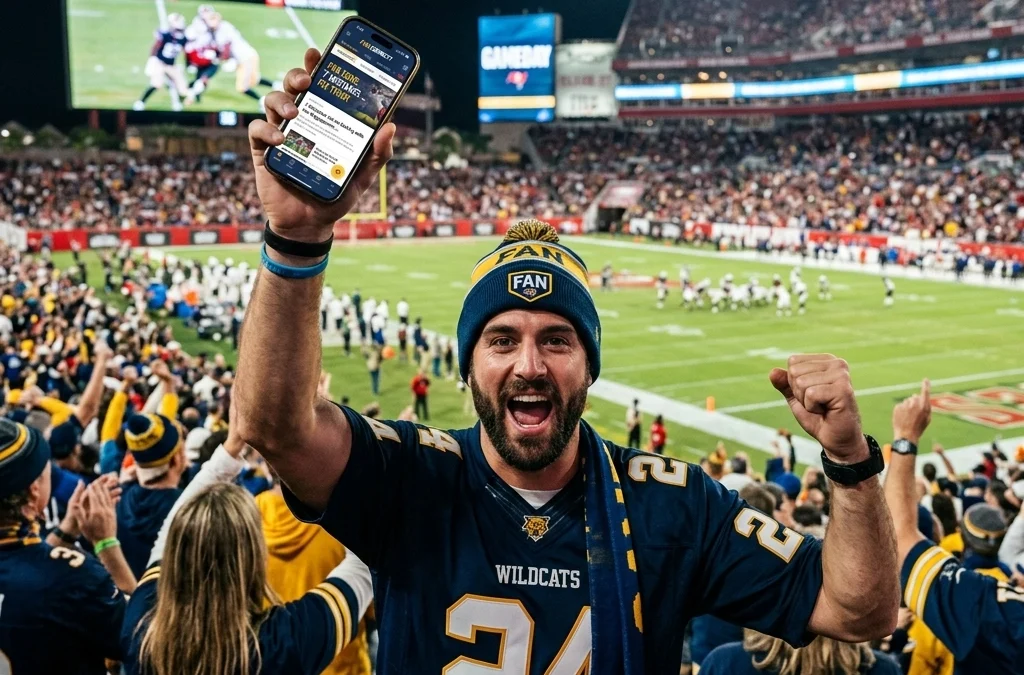
Fan engagement in the modern sports landscape is no longer about simply putting a logo on a scoreboard. For Creative Directors and CMOs, the challenge lies in breaking through the noise of a crowded stadium to create a lasting brand impression. Despite the massive budgets allocated to sports marketing, many campaigns fall short because they rely on outdated methods or fail to understand the psychology of a live audience.
When fans enter a stadium, they are in a high-arousal state. This emotional environment is a goldmine for brands, but it requires a strategic approach to navigate effectively. Here are seven common mistakes brands make with fan engagement and the data-driven ways to fix them.
1. Treating the Entire Crowd as a Monolith
One of the most frequent errors in stadium advertising is treating 50,000 people as a single demographic. A fan in the luxury suites has different motivations and purchasing power than a student in the bleachers or a family in the mid-tier seating. Using the same generic creative for every screen in the venue results in a lack of relevance.
The Fix: Strategic Segmentation
Brands should utilize the different zones within a stadium to tailor messaging. Digital Out of Home (DOOH) technology allows for localized content delivery. For instance, high-end automotive brands might focus their messaging on screens near VIP entrances and club levels, while quick-service restaurants target the main concourses. By segmenting the audience based on their location within the venue, brands can increase the resonance of their messaging.

2. Ignoring the Power of the "Last Mile" Journey
Many brands focus all their energy on the ninety minutes of gameplay, completely ignoring the hours leading up to and following the event. Fan engagement does not start at kickoff. It starts at the airport, the hotel, the parking lot, and the transit hubs.
The Fix: Expanding the Perimeter
The strategy should involve a multi-touchpoint approach that follows the fan journey. Using stadium perimeter branding and surrounding OOH assets ensures that the brand is the first thing a fan sees when they arrive and the last thing they see when they leave. Strategic placement in high-traffic areas outside the venue builds a narrative before the fan even reaches their seat. More information on expanding these touchpoints can be found at https://oohsports.com/marketing.
3. Falling into the Static Content Trap
In a live environment where everything is moving, static billboards often fade into the background. Research indicates that the human eye is naturally drawn to motion, especially in high-energy settings like a basketball arena or a football stadium. Relying on "set it and forget it" creative is a missed opportunity for higher recall rates.
The Fix: Implementing Dynamic Sportrons
The solution lies in using dynamic, high-definition digital displays known as Sportrons. These assets allow for motion graphics, video content, and real-time updates. By utilizing movement and vibrant colors, brands can command peripheral vision even when fans are focused on the field. Dynamic content has been shown to increase brand recall by significant percentages compared to traditional static signage.
4. Over-Reliance on Mobile Devices for Live Interaction
There is a common misconception that fans are constantly looking at their phones during a game. While social media is important for pre-game and post-game discussion, the "big moments" of a game happen on the field. During a game-winning drive or a crucial penalty kick, eyes are up, not down. Brands that dump their entire budget into mobile ads during game time often find their engagement metrics surprisingly low.
The Fix: Dominating Peripheral Vision
Instead of fighting the phone for attention, brands should embrace the "Heads Up" strategy. Stadium perimeter advertising places the brand directly in the line of sight of the action. When a fan watches a player run down the sideline, they are simultaneously viewing the LED perimeter boards. This creates a subconscious brand association with the excitement of the game without requiring the fan to look away from the play.

5. Neglecting Real-Time Contextual Triggers
A celebratory "We Won!" ad shown while the home team is down by twenty points is a branding nightmare. It makes the brand look out of touch and automated. Fans are deeply invested in the current state of the game, and messaging that ignores that context feels intrusive rather than inclusive.
The Fix: Programmatic DOOH and Live Triggers
Modern advertising technology allows for real-time triggers based on game data. Campaigns can be programmed to change creative based on the score, the weather, or even specific player milestones. If a player hits a home run, the creative can immediately pivot to a celebratory message. This level of responsiveness makes the brand feel like a fellow fan, participating in the experience rather than just observing it. Detailed insights into these technical strategies are available in the ultimate guide to stadium perimeter branding.

6. Transactional Rather Than Emotional Messaging
CMOs often fall into the trap of using stadium space for "Buy Now" calls to action. However, the stadium is a place of community and tribal loyalty. Fans are there to support their team, not to be sold to. Purely transactional messaging often results in "ad blindness" where the audience subconsciously filters out the commercial noise.
The Fix: Authentic Community Integration
The objective should be to celebrate the fan experience. Instead of a direct sales pitch, successful brands use their space to highlight community initiatives, fan of the match segments, or authentic partnerships with local icons. By shifting the tone from "selling to" the fan to "celebrating with" the fan, brands build long-term equity and loyalty that outlasts the final whistle. This approach focuses on brand preference ratings rather than immediate clicks.
7. Failing to Measure the Right Metrics
Many sports marketing campaigns are judged solely on attendance figures or general "impressions." This lack of precision makes it difficult to justify ROI to the board. Without understanding the actual reach, frequency, and brand lift, creative teams are essentially flying blind.
The Fix: Data-Driven Attribution
Campaigns must be backed by sophisticated measurement tools. This includes using device ID data to track fans who were exposed to OOH ads and later visited a website or physical location. By utilizing brand lift studies and retargeting audiences who were physically present at the venue, marketers can create an omnichannel loop. Understanding the conversion path from a stadium LED board to a mobile purchase is key to a successful long-term strategy. For a deeper look at how this compares to traditional methods, see the analysis on programmatic DOOH versus traditional sponsorships.

Strategy and Execution for Maximum Impact
Fixing these mistakes requires a shift in how media is planned and purchased. The goal is to move away from fragmented, one-off placements and toward a cohesive, technology-driven presence.
Objective and Strategy
The objective for any sports-focused campaign should be 100 percent share of voice during key emotional moments. This is achieved through a combination of high-impact visuals and strategic timing. The strategy involves identifying the most valuable moments within the fan journey and ensuring the brand is present with relevant, dynamic content.
Technology Partners
Leveraging the right technology is non-negotiable. Whether it is programmatic platforms that allow for flexible bidding or high-resolution LED hardware, the infrastructure must support the creative vision. Companies like OOH Sports provide the necessary bridge between creative intent and technical execution.
The Results of a Corrected Strategy
When these seven mistakes are addressed, the impact on brand performance is measurable. Campaigns that move from static to dynamic content often see a significant increase in brand recall. Those that expand their perimeter beyond the stadium walls report higher frequency of exposure and better top-of-mind awareness.
By focusing on real-time triggers and localized messaging, brands can achieve a deeper level of engagement that traditional television or digital banner ads cannot match. The stadium remains one of the few places where a brand can reach a massive, captivated audience that is physically and emotionally present.
For more information on how to optimize your sports marketing budget and avoid these common pitfalls, you can visit the OOH Sports contact page or explore our latest case studies. Building a winning fan engagement strategy is not about spending more: it is about spending smarter and respecting the fan experience.