
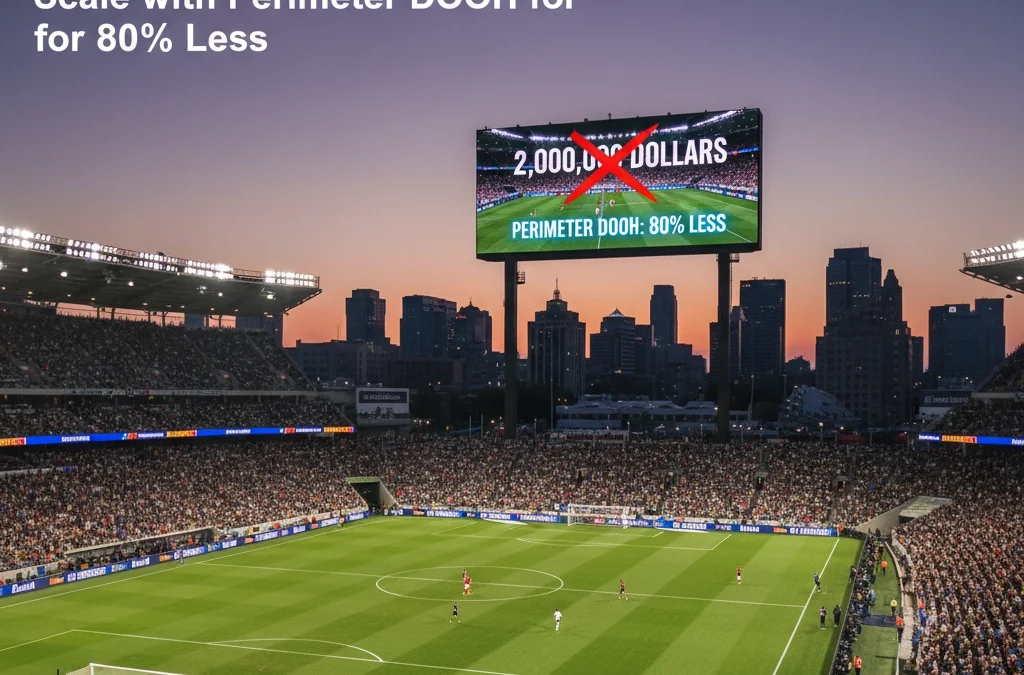
The sports marketing landscape has reached a critical inflection point. While traditional stadium sponsorship costs continue to skyrocket, with NFL naming rights deals increasing 200% over the past two decades, smart brands are discovering more efficient pathways to reach sports audiences. The question facing marketing executives today is not whether to invest in sports advertising, but how to maximize ROI while minimizing the astronomical costs associated with traditional sponsorship models.
The Reality of Modern Stadium Sponsorship Costs
Traditional stadium sponsorships have become increasingly expensive investments. Major naming rights deals now command multi-million dollar commitments spanning 10-20 years, with premium visibility placements requiring substantial upfront investments that many brands cannot justify against measurable outcomes.
The sponsorship model that dominated sports marketing for decades relied on broad visibility assumptions rather than precise audience targeting. Brands paid premium rates for logo placements, assuming exposure translated directly to brand awareness and purchase intent. However, this approach provides limited measurement capabilities and minimal flexibility for campaign optimization.
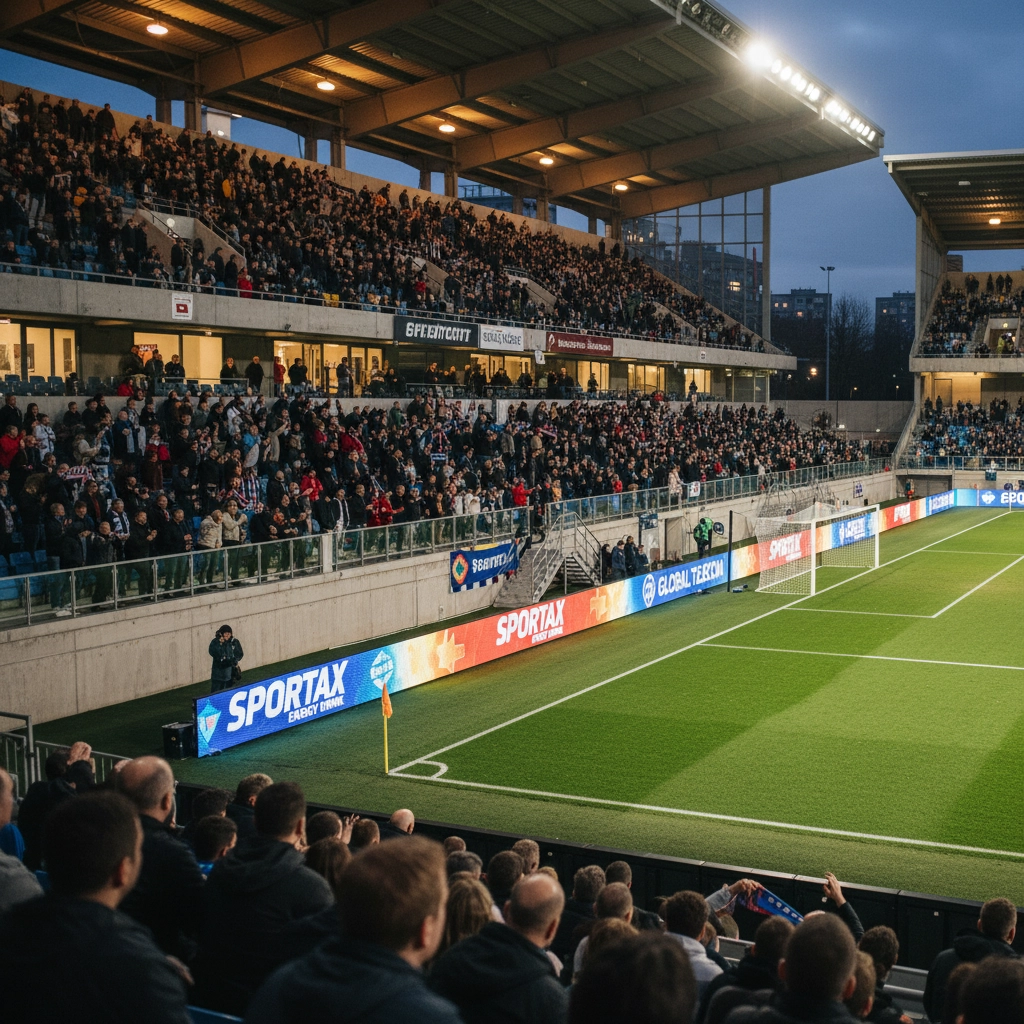
Stadium sponsorships often require long-term contractual commitments that lock brands into static placements regardless of performance metrics or changing marketing objectives. The inflexibility of traditional sponsorship agreements creates challenges for brands seeking agile marketing strategies that can adapt to market conditions and consumer behavior patterns.
Perimeter DOOH Technology Transforms Sports Advertising
Digital Out-of-Home (DOOH) technology surrounding sports venues offers brands unprecedented targeting precision and cost efficiency. Perimeter DOOH systems utilize programmatic advertising platforms that enable real-time campaign optimization based on audience demographics, weather conditions, game performance, and other dynamic variables.
The technology infrastructure supporting modern perimeter DOOH campaigns provides granular audience segmentation capabilities. Brands can target specific demographic profiles, geographic markets, and behavioral segments without paying for broad audience exposure that may not align with campaign objectives.
Perimeter DOOH platforms integrate with existing programmatic advertising ecosystems, allowing brands to leverage existing audience data and attribution models. This integration capability enables omnichannel campaign coordination that extends sports venue exposure across digital touchpoints for enhanced campaign effectiveness.
Cost Analysis: Traditional Sponsorships vs. Perimeter DOOH
The financial advantages of perimeter DOOH become apparent when comparing cost-per-impression metrics against traditional sponsorship investments. While a $2 million stadium naming rights deal provides fixed exposure over extended timeframes, perimeter DOOH campaigns deliver targeted impressions at significantly lower cost thresholds.
Perimeter DOOH campaigns typically operate on cost-per-thousand-impression (CPM) models that range from $15-40 depending on venue tier and audience demographics. Traditional sponsorship agreements often result in effective CPMs exceeding $200 when calculated against verifiable audience exposure metrics.
The flexibility of perimeter DOOH pricing models allows brands to scale campaign investments based on performance metrics and budget availability. Brands can increase investment during high-performance periods and adjust spending during lower-engagement timeframes, optimizing cost efficiency throughout campaign lifecycles.

Campaign measurement capabilities provide detailed attribution analysis that enables brands to calculate precise return on advertising spend (ROAS). Unlike traditional sponsorships that rely on estimated exposure metrics, perimeter DOOH platforms deliver verified impression data, engagement rates, and conversion tracking through device ID matching and geofencing technology.
Strategic Advantages of Dynamic Sports Advertising
Perimeter DOOH technology enables real-time creative optimization based on game conditions, player performance, and audience engagement levels. Brands can display different creative messages during various game situations, maximizing relevance and emotional connection with sports audiences.
The programmatic nature of perimeter DOOH allows brands to coordinate sports venue advertising with broader digital marketing campaigns. Brands can retarget venue attendees through mobile advertising, social media platforms, and connected TV advertising for comprehensive audience engagement strategies.
Weather-triggered creative capabilities enable brands to display contextually relevant messaging based on current conditions. Beverage brands can promote cold drinks during hot weather, while apparel brands can feature appropriate seasonal products based on real-time weather data.
Measurement and Attribution Excellence
Modern perimeter DOOH platforms provide comprehensive measurement capabilities that traditional sponsorships cannot match. Attribution analysis connects venue exposure to online search behavior, website visits, and purchase activities through privacy-compliant tracking methodologies.
Brand lift studies measure the impact of perimeter DOOH exposure on key performance indicators including brand awareness, purchase consideration, and preference ratings. These measurement capabilities enable brands to quantify campaign effectiveness and optimize future investment strategies.
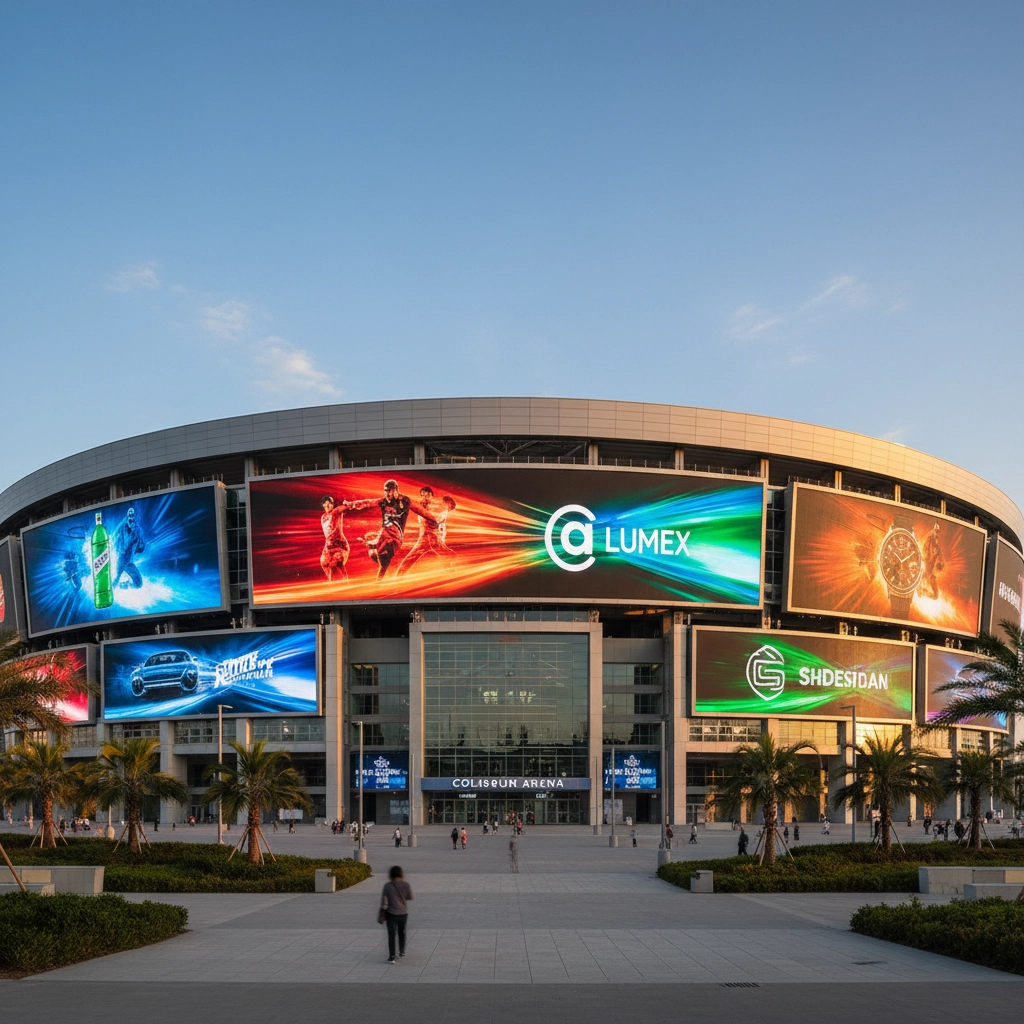
Audience verification technology confirms actual exposure metrics rather than relying on estimated attendance figures or visibility assumptions. This verification process ensures brands receive accurate performance data for informed decision-making and budget allocation.
Technology Integration and Scalability
Perimeter DOOH campaigns integrate with existing marketing technology stacks through API connections and data management platforms. Brands can incorporate sports venue advertising data into customer relationship management systems and marketing automation workflows for enhanced personalization capabilities.
The scalability of perimeter DOOH technology enables brands to expand successful campaigns across multiple venues and markets without negotiating individual sponsorship agreements. Programmatic platforms provide access to inventory across venue networks with consistent measurement and optimization capabilities.
Cross-platform attribution models connect perimeter DOOH exposure to performance metrics across digital channels, providing holistic campaign performance analysis. Brands can evaluate the incremental impact of sports venue advertising on overall marketing campaign effectiveness.
Future of Sports Venue Advertising
The evolution toward data-driven sports advertising continues accelerating as brands demand measurable outcomes and flexible investment options. Virtual overlay technology and augmented reality capabilities will further enhance the precision and engagement potential of perimeter DOOH campaigns.
Artificial intelligence and machine learning algorithms will optimize creative delivery and audience targeting in real-time, maximizing campaign performance while minimizing waste. These technological advancements will continue expanding the cost efficiency advantages of perimeter DOOH over traditional sponsorship models.

The integration of IoT sensors and mobile device data will provide enhanced audience insights for more precise targeting and measurement capabilities. Brands will access detailed behavioral analytics that enable sophisticated campaign personalization and optimization strategies.
Strategic Implementation Recommendations
Brands considering the transition from traditional sponsorship models to perimeter DOOH should begin with pilot campaign testing during high-visibility sporting events. This approach enables performance validation while maintaining existing sponsorship commitments during the transition period.
Campaign success requires coordination between media planning, creative development, and data analytics teams to maximize the technological capabilities of perimeter DOOH platforms. Brands should invest in staff training and technology integration to fully leverage available optimization features.
The selection of appropriate technology partners becomes critical for campaign success. Brands should evaluate partners based on inventory quality, measurement capabilities, and integration options with existing marketing technology infrastructure.
Sports marketing efficiency no longer requires multi-million dollar sponsorship commitments to achieve meaningful audience engagement. Perimeter DOOH technology provides brands with cost-effective alternatives that deliver superior measurement capabilities and campaign flexibility.
As Dan Kost, CEO of OOH Sports, continues to guide brands through the evolving sports advertising landscape, the opportunities for intelligent campaign optimization and cost efficiency continue expanding. The future belongs to brands that embrace data-driven approaches over traditional visibility assumptions.
Ready to explore how perimeter DOOH can transform your sports marketing strategy? Contact OOH Sports at www.oohsports.com or call +1 (970) 703-0102 to discuss your campaign objectives with our AI receptionist and connect with our strategic planning team.
Share this insight:
📱 LinkedIn | 📘 Facebook | 📸 Instagram | ✖️ X
What strategies have you implemented to optimize sports marketing ROI? Share your experiences in the comments below.
Tags: #Motivation #Branding #Strategy #Marketing #AdvertisingAndMarketing #digitalmarketing #Innovation #Sports #DOOH #ProgrammaticAdvertising #SportsMarketing #ROI #CostEfficiency