

The sports marketing landscape has undergone a fundamental transformation, with programmatic digital out-of-home (DOOH) advertising emerging as a formidable challenger to traditional stadium sponsorships. Recent data reveals that programmatic DOOH typically delivers 23-40% better ROI than traditional stadium advertising, forcing marketers to reconsider their approach to sports marketing budgets.
This performance gap stems from revolutionary advances in targeting precision, measurement capabilities, and operational flexibility. As marketing budgets tighten and accountability increases, understanding the strategic implications of each approach becomes critical for campaign success.
The Programmatic DOOH Advantage: Data-Driven Precision at Scale
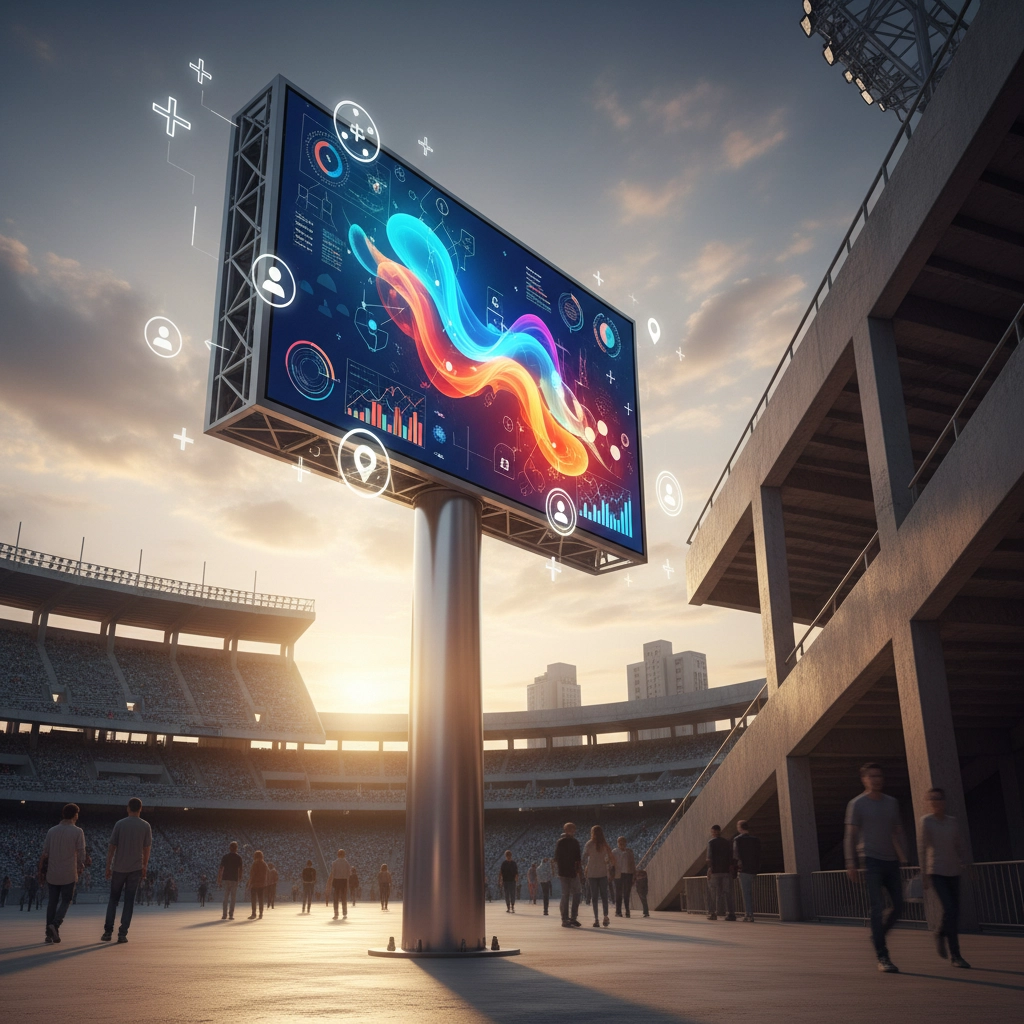
Programmatic digital out-of-home advertising leverages automated bidding systems and real-time optimization to maximize campaign effectiveness. The technology enables persona-based audience targeting using demographics, interests, and behavioral patterns to build accurate audience profiles.
Advanced Targeting Capabilities
Unlike traditional sponsorships that rely on broad demographic assumptions, programmatic DOOH platforms utilize sophisticated data integration to identify and reach specific audience segments. The technology analyzes device IDs, location patterns, and behavioral data to create detailed audience profiles that extend far beyond basic demographic categories.
This precision targeting allows brands to reach high-value prospects during optimal engagement windows. For example, a luxury automotive brand can target high-income professionals during their commute patterns, while a sports beverage company can focus on fitness enthusiasts near gyms and athletic facilities.
Real-Time Campaign Optimization
Programmatic platforms provide actionable campaign data in real time, allowing buyers to adjust strategies immediately during active campaigns. This capability represents a fundamental shift from the post-campaign analysis approach of traditional sponsorships.
Campaign managers can monitor engagement metrics, audience response rates, and conversion indicators throughout the campaign lifecycle. When performance data indicates suboptimal results, immediate adjustments to creative content, targeting parameters, or budget allocation can optimize outcomes without waiting for campaign completion.
Enhanced Audience Engagement Metrics
Performance data demonstrates that DOOH drives significantly greater audience intent, encouraging 66% more people to search online and 50% more people to take action compared to traditional advertising methods. This enhanced engagement stems from the medium's ability to deliver contextually relevant messages at optimal moments in the consumer journey.
The technology enables dynamic content delivery based on real-time conditions such as weather, traffic patterns, local events, and audience composition. This contextual relevance increases message resonance and drives higher engagement rates across all campaign touchpoints.
Traditional Stadium Sponsorships: Established Brand Presence with Limitations
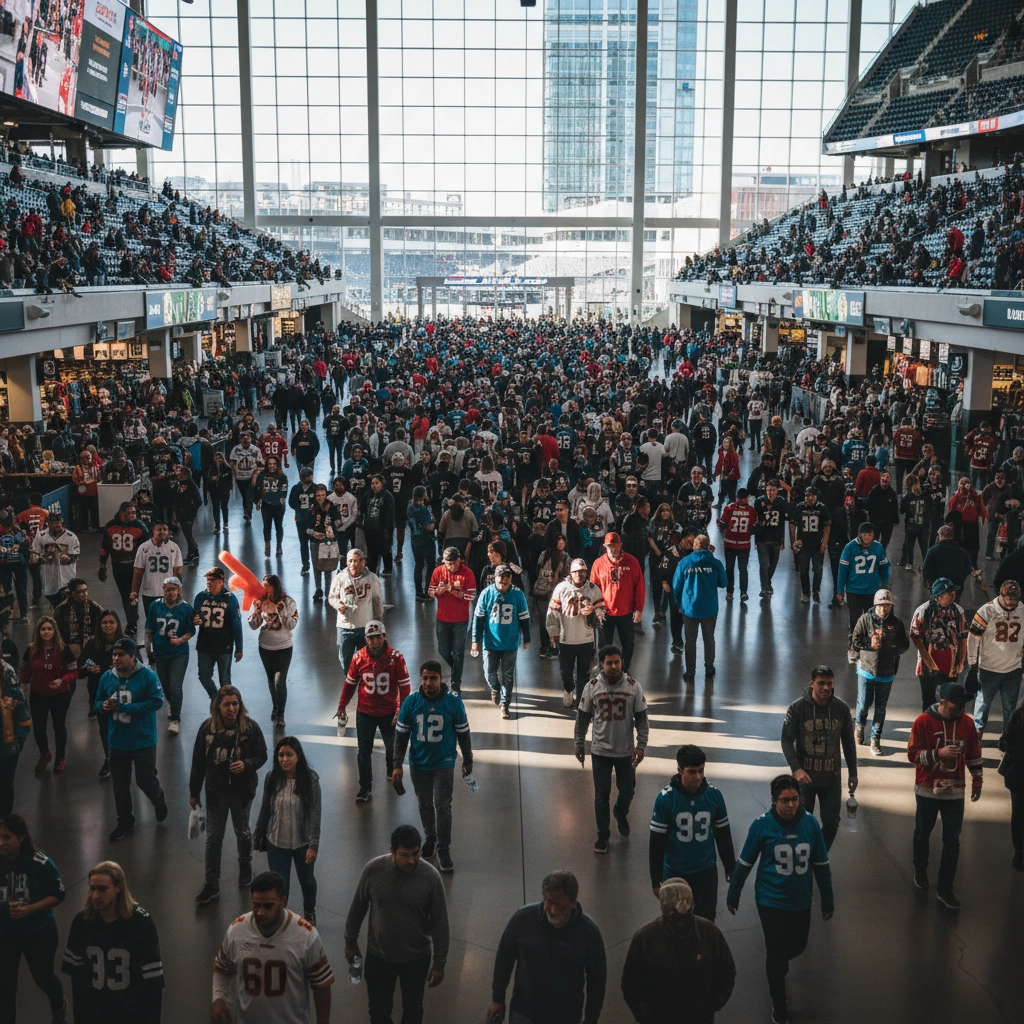
Traditional stadium sponsorships offer established brand visibility and long-term association with sports properties. These partnerships typically involve multi-year agreements that build brand recognition through consistent exposure during games and events.
Brand Association Benefits
Stadium sponsorships create direct partnerships with sports teams or venues, fostering emotional connections with passionate fan bases. The association between brand and team can generate significant brand equity, particularly when teams achieve success or participate in high-profile events.
Long-term sponsorship agreements provide consistent brand visibility throughout sports seasons, creating repeated exposure opportunities that can enhance brand recall and recognition. Premium sponsorship packages often include additional benefits such as hospitality opportunities, networking events, and cross-promotional partnerships.
Measurement and Optimization Challenges
Traditional sponsorships suffer from limited tracking capabilities and inability to optimize campaigns in real time. The measurement methodology relies primarily on basic footfall estimates and impression calculations that provide minimal insight into audience engagement or campaign effectiveness.
Data availability remains restricted and is not provided in real time, creating significant challenges for performance assessment and campaign optimization. Marketers must rely on post-event analysis and broad demographic assumptions rather than granular audience behavior data.
This measurement limitation prevents sponsors from understanding which creative elements, messaging strategies, or placement locations generate optimal results. The lack of real-time feedback mechanisms means potential optimization opportunities remain unexploited throughout campaign durations.
Performance Comparison: Quantifying the ROI Differential
The performance differential between programmatic DOOH and traditional stadium sponsorships becomes evident when examining key campaign metrics and capabilities.
ROI and Efficiency Metrics
Programmatic DOOH's 23-40% ROI advantage stems from several operational efficiencies. Automated bidding reduces transaction costs and eliminates inefficient manual processes. Real-time optimization ensures budget allocation focuses on high-performing placements and audience segments.
Traditional sponsorships require significant upfront commitments with limited flexibility for performance-based adjustments. Fixed pricing models prevent dynamic budget optimization based on campaign performance data.
Targeting Precision and Reach
Programmatic platforms enable granular audience segmentation using behavioral data, location patterns, and demographic profiles. This precision targeting reduces waste and increases message relevance for target audiences.
Stadium sponsorships provide broad demographic reach but lack the ability to segment audiences or deliver personalized messaging. The one-to-many communication model limits message customization and audience-specific optimization.
Measurement Granularity
Programmatic DOOH offers comprehensive analytics including engagement rates, conversion tracking, and attribution modeling. Advanced behavioral analysis tools provide detailed performance metrics that enable campaign optimization and future strategy development.
Traditional sponsorships rely on basic impression estimates and footfall data without granular engagement metrics or conversion attribution. The measurement limitations prevent detailed performance analysis and strategic optimization.
Strategic Implementation Considerations
The choice between programmatic DOOH and traditional stadium sponsorships should align with specific campaign objectives, budget constraints, and performance requirements.
Programmatic DOOH Optimization Strategies
Successful programmatic DOOH campaigns require sophisticated technology partnerships and platform integration. Brands must establish relationships with demand-side platforms (DSPs) that provide access to premium inventory and advanced targeting capabilities.
Campaign success depends on data quality and integration capabilities. Brands benefit from combining first-party customer data with third-party audience insights to create comprehensive targeting strategies.
Creative optimization becomes critical in programmatic environments. Dynamic creative optimization (DCO) allows for real-time creative adjustments based on audience characteristics, environmental conditions, and performance data.
Traditional Sponsorship Relationship Management
Stadium sponsorships require long-term strategic thinking and relationship management. Successful partnerships extend beyond advertising placement to include experiential marketing, content collaboration, and fan engagement initiatives.
Premium sponsorship packages often provide additional value through hospitality opportunities, networking events, and exclusive access to team personnel and facilities. These relationship-building benefits can generate business value beyond direct advertising impact.
Budget Allocation and Investment Strategy
Marketing teams must evaluate programmatic DOOH and traditional sponsorships within their overall sports marketing strategy and budget allocation framework.

Cost Structure Analysis
Programmatic DOOH typically requires lower minimum investments and provides flexible budget allocation options. The automated bidding process allows for efficient budget utilization and performance-based optimization.
Traditional sponsorships often require significant upfront commitments and multi-year contracts. While premium placements provide guaranteed exposure, the fixed cost structure limits flexibility for budget optimization.
Performance Measurement ROI
The superior measurement capabilities of programmatic DOOH enable more accurate ROI calculation and campaign attribution. Advanced analytics platforms provide detailed performance insights that support strategic decision-making and budget optimization.
Traditional sponsorship measurement limitations create challenges for accurate ROI assessment and campaign attribution. Brands must rely on broad impact estimates rather than precise performance metrics.
Technology Integration and Innovation
The evolution of sports marketing technology continues to favor programmatic approaches that leverage data integration, automation, and real-time optimization capabilities.
Programmatic Platform Development
Leading programmatic DOOH platforms continue to enhance targeting capabilities, measurement precision, and creative optimization tools. Integration with customer relationship management (CRM) systems and marketing automation platforms enables comprehensive omnichannel campaign coordination.
Artificial intelligence and machine learning algorithms improve audience targeting accuracy and campaign optimization over time. These technological advances create sustained competitive advantages for programmatic approaches.
Traditional Sponsorship Digital Integration
Traditional sponsors increasingly seek to integrate digital components into sponsorship packages. Hybrid approaches combine stadium presence with digital activation and social media integration to enhance campaign reach and engagement.
However, these digital enhancements often lack the sophisticated targeting and measurement capabilities available through native programmatic platforms.
Strategic Recommendations and Future Outlook
The data strongly indicates that programmatic DOOH represents the future of sports marketing efficiency, offering superior ROI through precision targeting, real-time optimization, and comprehensive analytics.
Dan Kost, CEO of OOH Sports, advocates for data-driven marketing strategies that leverage programmatic technology to maximize campaign effectiveness and budget efficiency. The company's approach focuses on delivering measurable results through advanced targeting and optimization capabilities.
Brands should consider programmatic DOOH when performance optimization, audience targeting precision, and real-time responsiveness represent critical campaign requirements. The 23-40% ROI advantage makes programmatic approaches ideal for campaigns where measurable returns drive strategic decisions.
Traditional stadium sponsorships retain value for brands prioritizing long-term relationship building, brand prestige, and sustained association with sports properties. Multi-year partnerships with teams or venues provide networking opportunities and brand equity development beyond direct advertising impact.
The optimal approach often combines elements of both strategies within an integrated sports marketing framework. Brands can leverage programmatic DOOH for performance-driven campaigns while maintaining selective traditional sponsorships for relationship building and brand positioning objectives.
For more information about implementing programmatic DOOH strategies in sports marketing, contact OOH Sports at +1 (970) 703-0102 or visit www.oohsports.com to explore comprehensive digital out-of-home advertising solutions.
Share this article: LinkedIn | Facebook | Instagram | X
Quick Answer: Programmatic DOOH delivers 23-40% better ROI than traditional stadium sponsorships through precision targeting, real-time optimization, and comprehensive analytics. Choose programmatic for performance-driven campaigns and traditional sponsorships for long-term brand relationship building.