
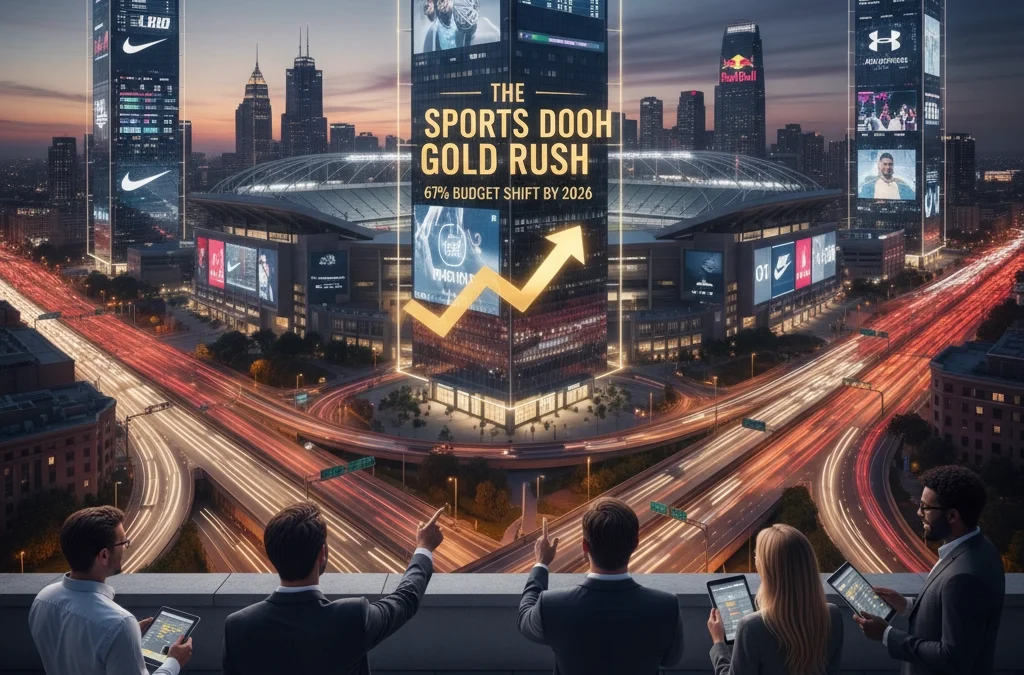
The digital out-of-home (DOOH) advertising landscape is experiencing unprecedented growth, with sports marketing leading the charge. Industry analysts project that 67% of media planners will reallocate significant portions of their budgets toward sports DOOH campaigns by 2026, marking what many consider a modern-day gold rush in the advertising world.
This dramatic shift represents more than a passing trend. Media planners are responding to fundamental changes in consumer behavior, technology capabilities, and measurement standards that position DOOH as the most effective bridge between digital precision and real-world impact.
The Perfect Storm Driving Budget Reallocation
Traditional sports advertising faces mounting challenges that make DOOH increasingly attractive. Stadium sponsorships continue escalating in cost while delivering diminishing returns on investment. The NBA's recent 11-year, $76 billion domestic media rights deal exemplifies how premium sports properties consume larger budget portions, leaving marketers seeking more cost-effective alternatives.
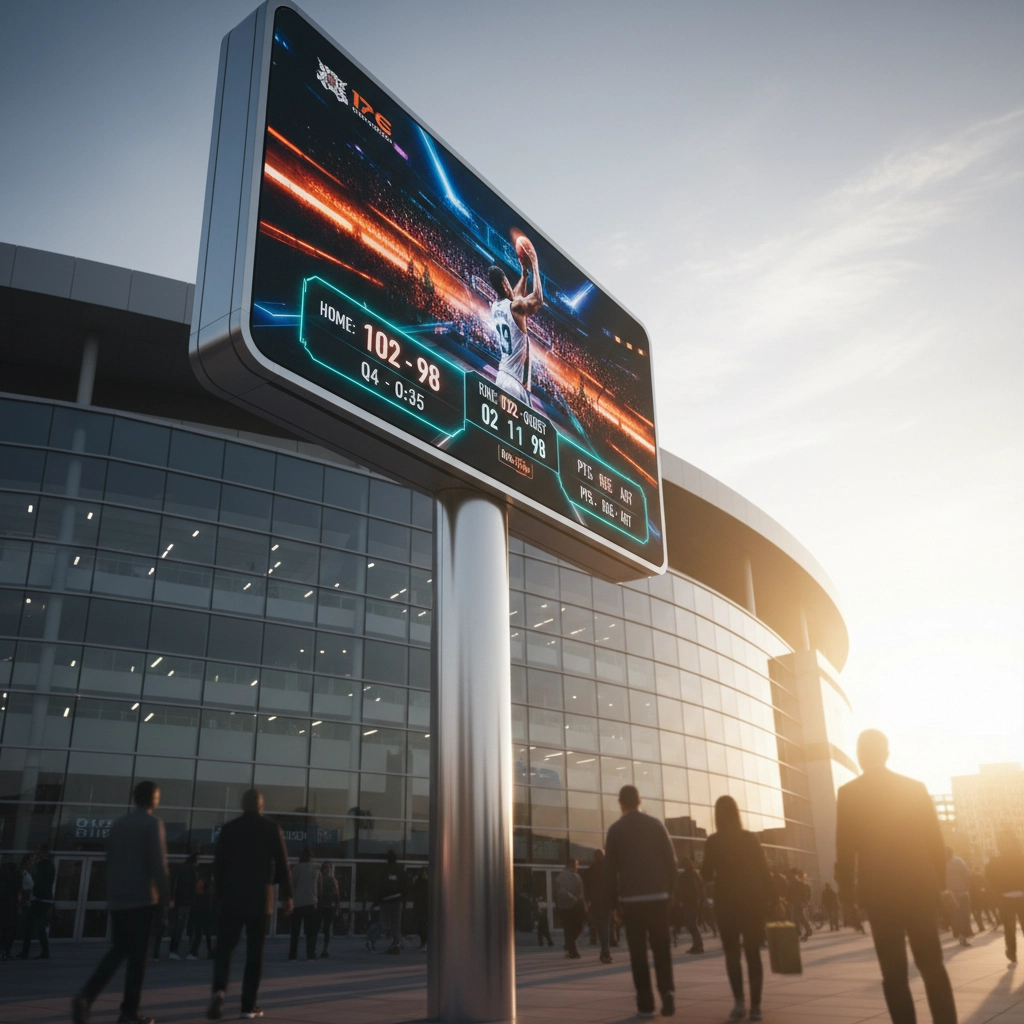
Simultaneously, audience fragmentation across digital platforms has created measurement complexities that DOOH elegantly solves. Unlike social media campaigns that struggle with attribution accuracy, DOOH provides clear exposure metrics and verifiable reach data that media planners demand.
Sports fans themselves are driving this transformation. Research indicates that 73% of sports enthusiasts engage with multiple screens during live events, creating opportunities for synchronized campaigns that traditional stadium advertising cannot match. DOOH screens positioned strategically around sports venues, entertainment districts, and high-traffic areas capture these multi-screen moments with precision timing.
Technology Innovation Fuels Investment Confidence
Programmatic DOOH capabilities have reached maturity levels that rival traditional digital advertising. Real-time bidding platforms now enable sports marketers to purchase premium screen inventory with the same precision used for search and social campaigns.
Advanced targeting technologies allow campaigns to activate based on live sports data, weather conditions, and local events. A campaign for sports betting applications can trigger different creative executions depending on game scores, remaining time, or weather delays. This level of responsiveness was impossible with traditional advertising formats.
Machine learning algorithms optimize campaign performance by analyzing foot traffic patterns, demographic composition, and engagement rates across different screen locations. These insights enable media planners to allocate budgets toward the highest-performing placements while maintaining cost efficiency.
Dan Kost, CEO of OOH Sports, observes that technological advancement has eliminated traditional barriers to DOOH adoption. Campaigns that once required weeks of planning can now launch within 24 hours, providing the agility that sports marketing demands.
Measurement Precision Drives Strategic Confidence
DOOH advertising delivers measurement capabilities that address longstanding concerns about out-of-home attribution. Device ID matching enables precise audience tracking from screen exposure through website visits and conversions. This attribution accuracy provides media planners with confidence levels previously unavailable in traditional outdoor advertising.

Brand lift studies consistently demonstrate DOOH's effectiveness in sports contexts. Recent campaigns have achieved purchase consideration increases exceeding 140% when properly executed. These results stem from DOOH's ability to reach audiences during high-engagement moments when sports emotions run highest.
Viewability metrics provide additional measurement advantages. Unlike digital display advertising, where viewability rates often fall below 50%, DOOH screens guarantee 100% viewability for displayed content. This certainty eliminates waste and provides clear ROI calculations that traditional advertising formats cannot match.
The integration of mobile location data enables sophisticated attribution modeling. Marketers can track foot traffic to retail locations, venue attendance patterns, and competitive analysis with precision that surpasses traditional measurement methods.
Cost Efficiency Accelerates Adoption
DOOH campaigns deliver cost advantages that traditional sports advertising cannot match. While stadium naming rights require multi-million dollar commitments, strategic DOOH placements achieve similar reach levels at substantially lower investment thresholds.
Programmatic buying has introduced pricing transparency that benefits media planners. Real-time bidding ensures competitive rates while maintaining premium placement access. This efficiency enables budget allocation toward creative development and campaign optimization rather than excessive media costs.
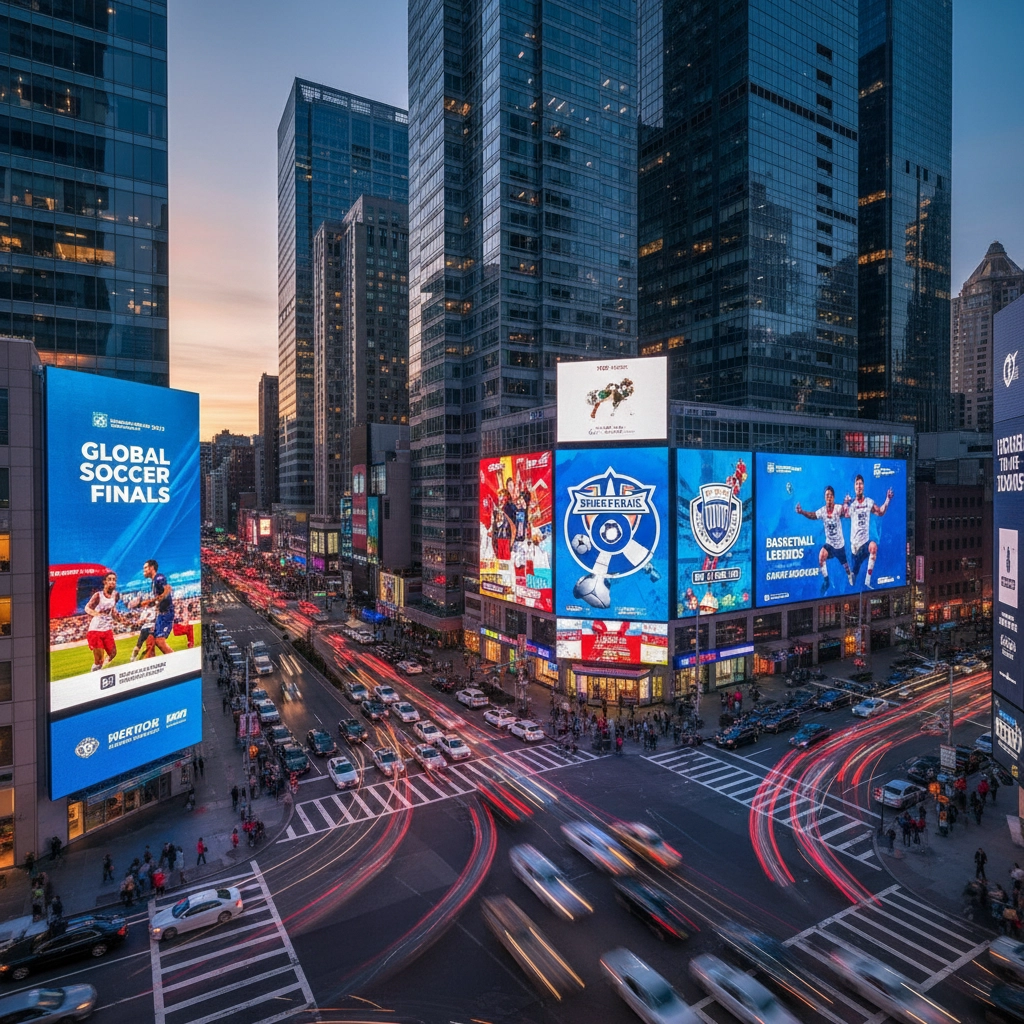
The flexibility of DOOH inventory allows campaigns to scale incrementally. Media planners can test markets with limited budgets before expanding successful strategies. This approach reduces risk while maintaining growth potential that traditional advertising commitments cannot provide.
Dynamic creative capabilities eliminate production costs associated with multiple advertisement versions. Single creative templates can adapt messaging based on location, time, weather, or live data feeds. This efficiency reduces campaign overhead while improving relevance and engagement rates.
Strategic Advantages Beyond Traditional Advertising
DOOH provides strategic benefits that extend beyond cost and measurement improvements. The format enables contextual relevance that traditional advertising struggles to achieve. Screens positioned near sports venues can display team-specific messaging that resonates with local fan bases.
Timing precision allows campaigns to synchronize with live events, creating emotional connections during peak engagement moments. Pre-game, halftime, and post-game messaging can align with fan sentiment to maximize impact effectiveness.
The visual impact of large-format digital screens creates memorable brand experiences that smaller digital formats cannot replicate. This presence factor contributes to brand recall rates that significantly exceed traditional display advertising performance.
Cross-channel integration capabilities enable DOOH campaigns to trigger complementary activities across social media, mobile applications, and email marketing. This orchestration creates cohesive customer journeys that amplify campaign effectiveness across all touchpoints.
Future Outlook and Strategic Considerations
The trajectory toward DOOH investment acceleration shows no signs of slowing. Technology improvements continue expanding targeting capabilities while reducing operational complexities. Artificial intelligence integration will enable predictive campaign optimization that learns from historical performance data.
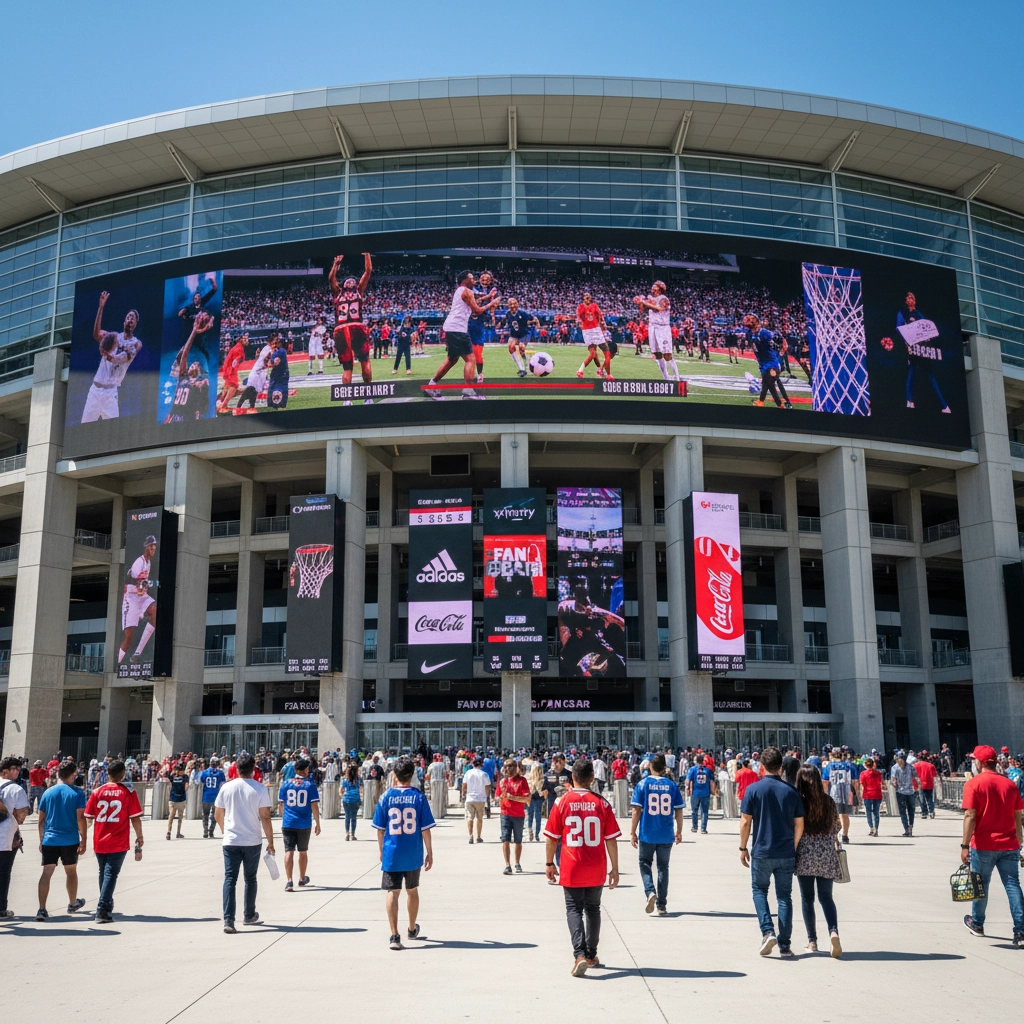
The expansion of 5G networks will enhance creative possibilities through higher resolution content and real-time interactivity features. These capabilities will blur the lines between digital advertising and experiential marketing, creating new engagement opportunities that traditional formats cannot provide.
Media planners preparing for this shift should prioritize partnerships with technology-forward DOOH providers. The complexity of programmatic buying, creative optimization, and measurement integration requires expertise that generic advertising agencies may not possess.
Investment in cross-channel attribution capabilities will become essential as DOOH campaigns integrate more closely with digital marketing ecosystems. The ability to track customer journeys from screen exposure through purchase completion will determine campaign success in an increasingly competitive landscape.
Strategic Implementation for Maximum Impact
Success in the sports DOOH landscape requires strategic thinking beyond traditional advertising approaches. Media planners should focus on location intelligence that identifies high-value placement opportunities near sports venues, entertainment districts, and commuter routes frequented by target demographics.
Creative development must adapt to the unique characteristics of DOOH viewing experiences. Content should be optimized for brief exposure periods while maintaining visual impact that cuts through environmental distractions. Dynamic elements that respond to real-time data create engagement opportunities that static content cannot match.
Campaign timing becomes crucial in sports DOOH execution. Understanding fan behavior patterns, traffic flows, and event schedules enables optimal message delivery when audiences are most receptive. This precision timing multiplies campaign effectiveness while maintaining budget efficiency.
The sports DOOH gold rush represents a fundamental shift in advertising strategy rather than a temporary trend. Media planners who recognize this transformation and adapt their approaches accordingly will capture disproportionate value as budgets continue flowing toward this dynamic advertising format.
Ready to capitalize on the sports DOOH opportunity? Contact OOH Sports today to learn how programmatic DOOH campaigns can transform your sports marketing strategy. Our AI-powered receptionist at +1 (970) 703-0102 can connect you with DOOH experts who understand the complexities of sports audience targeting.
Share this insight: Help other marketers understand why DOOH represents the future of sports advertising by sharing this analysis across your professional networks.
Connect with us:
- Website: oohsports.com
- Learn more about programmatic DOOH strategies
- Discover real-time sports betting campaigns
Share this article:
Tags: #Motivation #Branding #Strategy #Marketing #AdvertisingAndMarketing #digitalmarketing #Innovation #Sports