
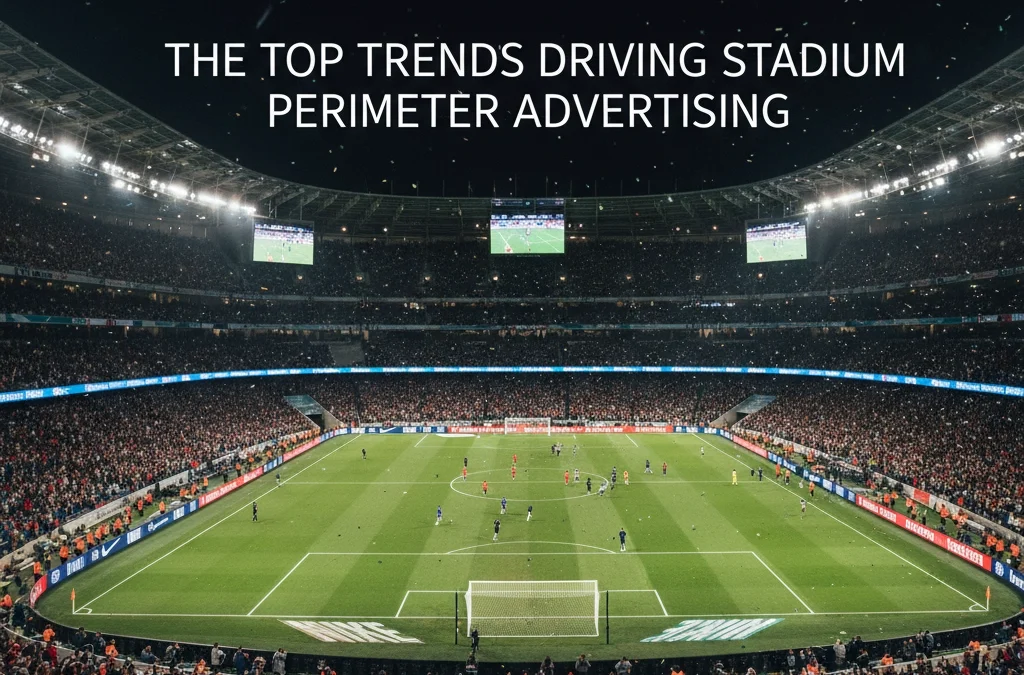
Stadium perimeter advertising continues to evolve rapidly as technological advancements, changing consumer behaviors, and market dynamics reshape the sports marketing landscape. The transformation from static boards to sophisticated digital ecosystems represents one of the most significant shifts in sports advertising history, creating new opportunities for brands to engage with audiences in ways previously impossible.
Digital Transformation and LED Innovation
The most profound trend driving stadium perimeter advertising is the wholesale migration from traditional static signage to advanced LED display systems. High-resolution LED perimeter displays have fundamentally altered how brands communicate during sporting events, enabling dynamic content rotation that can showcase multiple advertisements within a single match.
This technological shift delivers substantial inventory expansion for venues. Where static boards previously displayed one sponsor for an entire game, LED systems can rotate dozens of advertisements, significantly increasing revenue opportunities. Industry projections indicate that over 35% of global sports advertising will utilize dynamic LED systems by 2025, representing a dramatic acceleration from current adoption rates.

Virtual replacement technology has emerged as a particularly sophisticated advancement within this digital transformation. This capability allows broadcasters to display region-specific advertisements to different global audiences simultaneously during the same live event. A match broadcast to UK viewers might showcase one sponsor's message while Asian audiences see completely different content, maximizing global reach and enabling precise market targeting.
The technical infrastructure supporting these systems continues advancing at remarkable speed. 8K resolution displays are becoming more prevalent, delivering unprecedented visual clarity that enhances brand messaging impact and viewer engagement metrics.
Dynamic Content and Real-Time Adaptation
Dynamic advertising solutions have demonstrated measurably superior performance compared to static alternatives. Research indicates that dynamic advertisements generate nearly 50% more engagement than traditional static displays, prompting major brands including Coca-Cola and Nike to allocate larger portions of their marketing budgets toward these dynamic solutions.
Artificial intelligence integration enables contextually relevant content delivery by analyzing match situations in real-time. This technology allows brands to display sports drink advertisements during particularly intense gameplay moments or celebratory messages when home teams score, creating stronger emotional connections with audiences and improving brand recall rates.

The sophistication of these systems extends to weather-responsive advertising, where content automatically adjusts based on stadium conditions. Rain might trigger umbrella or warm beverage advertisements, while sunny conditions could prompt sunscreen or cold drink messaging, demonstrating the technology's ability to enhance relevance and engagement.
Interactive Fan Engagement Solutions
Modern perimeter advertising increasingly prioritizes direct fan interaction through integrated technological solutions. QR codes embedded within LED displays enable immediate mobile engagement, allowing fans to access exclusive content, participate in live polls, or claim promotional offers without leaving their seats.
Social media integration has become a strategic component of perimeter advertising design. LED board content is specifically crafted with social sharing in mind, ensuring advertisements remain visible across countless fan-generated photos, videos, and live streams shared online. This approach multiplies advertising reach exponentially beyond the physical stadium audience.
Augmented reality applications are beginning to transform fan interaction with perimeter advertising. Mobile device users can point their cameras at LED displays to unlock interactive experiences, virtual product demonstrations, or exclusive digital content, creating multi-layered engagement opportunities that extend far beyond traditional viewing.
Data-Driven Personalization and Targeting
Real-time audience data collection and analysis have become central to optimizing perimeter advertising effectiveness. Geo-fencing technology enables precise targeting of fans' smartphones within stadium proximity, reinforcing physical advertisements with personalized digital messaging through push notifications and customized mobile content.
This multi-layered approach combines physical and digital touchpoints to create comprehensive campaign ecosystems. Fans exposed to perimeter advertising during matches subsequently receive retargeted digital advertisements on their mobile devices, reinforcing brand messaging and improving conversion rates through sustained engagement.

Advanced analytics platforms now provide granular insights into fan behavior patterns, enabling advertisers to optimize content timing, placement, and messaging based on detailed demographic and psychographic data. These insights drive more strategic decision-making and demonstrate measurable return on advertising investment.
Sustainability and Environmental Responsibility
Environmental consciousness has emerged as a significant driver of innovation within stadium advertising. LED technology manufacturers are developing more energy-efficient systems with reduced carbon footprints, addressing growing stakeholder demands for sustainable practices.
Solar-powered LED systems are gaining traction in venues committed to renewable energy adoption. These installations reduce operational costs while demonstrating corporate social responsibility, appealing to environmentally conscious consumers and sponsors alike.
Sustainable messaging content is becoming more prevalent as clubs and sponsors embrace environmental advocacy. Climate change awareness campaigns, recycling initiatives, and sustainability-focused brand messaging are increasingly common within perimeter advertising content strategies.
Augmented and Virtual Reality Integration
Emerging augmented reality and virtual reality technologies are beginning to influence perimeter advertising design and execution. These technologies create immersive experiences that extend beyond traditional visual advertising, engaging multiple senses and creating memorable brand interactions.
Virtual reality headset integration at select venues allows fans to experience enhanced advertising content during match intervals, creating premium engagement opportunities for high-value sponsors. These experiences generate significant social media attention and word-of-mouth marketing benefits.

Augmented reality applications enable fans to visualize products in their own environments by scanning perimeter advertisements with mobile devices. Automotive sponsors can allow fans to virtually place vehicles in their driveways, while apparel brands can enable virtual try-on experiences directly from stadium seating.
Market Growth and Industry Expansion
The broader sports viewership landscape is driving sustained growth in stadium perimeter advertising demand. Global football viewership reached over 3.5 billion in 2022, representing a 10% increase from previous periods and creating expanded opportunities for advertiser reach.
Industry projections indicate the global Stadium LED Perimeter Advertising System Market will grow at a compound annual growth rate of 6.9% from 2025 to 2035. The broader digital signage in stadiums market is expected to reach $1.07 billion by 2034, expanding at a compound annual growth rate of 5.1%.
This growth is supported by increasing sports engagement across demographic segments, rising disposable incomes in key markets, and expanding global sports broadcast distribution. These factors combine to create a robust foundation for continued investment in perimeter advertising technology and content development.
The convergence of these trends represents a fundamental transformation in how brands engage with sports audiences. Stadium perimeter advertising has evolved from simple static messaging to sophisticated, data-driven, interactive experiences that create lasting impressions and drive measurable business outcomes. As technology continues advancing and consumer expectations evolve, the most successful campaigns will be those that seamlessly integrate digital innovation with authentic fan engagement strategies.