
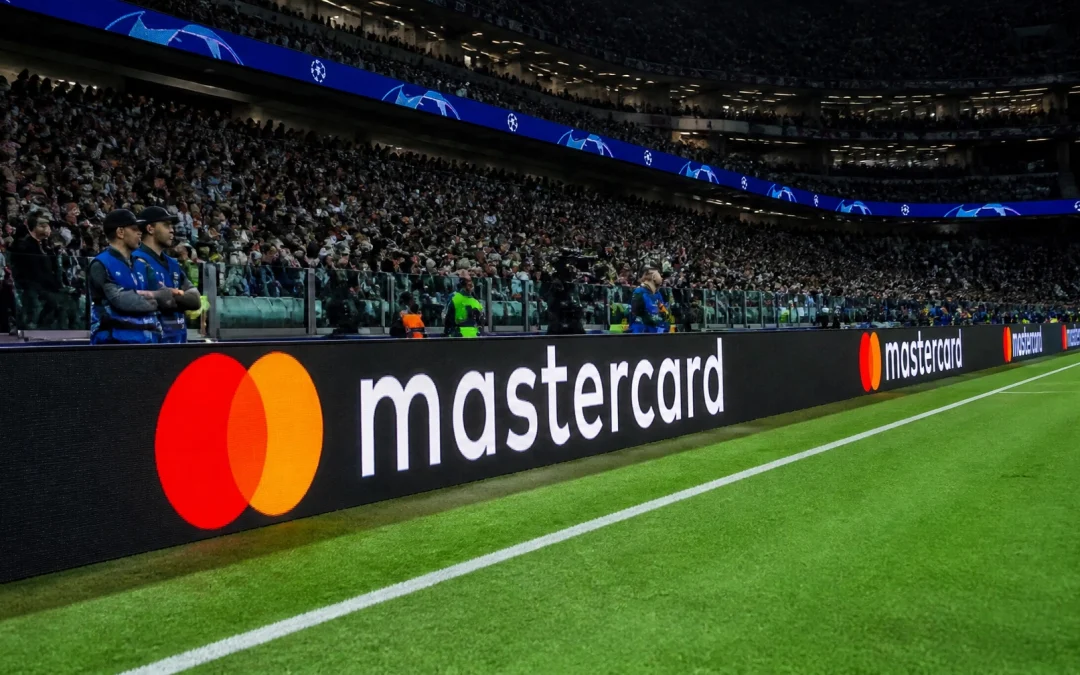
Building brand loyalty in a fragmented media landscape requires more than just high-frequency exposure. It requires presence during moments of high emotional intensity. In the world of sports marketing, few assets offer the same level of visibility and psychological impact as stadium perimeter advertising. These digital displays do more than circle a pitch. They anchor a brand within the most memorable experiences of a consumer's life.
For Chief Marketing Officers and Creative Directors, the challenge is no longer just reaching an audience. It is about becoming part of the story. Digital Out of Home (DOOH) networks, specifically those focused on the high-energy environments of professional arenas, provide a unique opportunity to bridge the gap between traditional awareness and long-term affinity. By understanding the mechanics of fan engagement and the strategic placement of perimeter boards, brands can transform a simple impression into a lasting relationship.
Strategy: Connecting with the Captive Audience
Stadium perimeter advertising succeeds because it reaches a captive and emotionally charged audience. Unlike television commercials that can be skipped or digital banners that are often ignored, perimeter boards are integrated into the primary field of vision. Fans watching the game, whether in the stands or via a broadcast, must focus on the field of play. The advertising boards sit at the edge of that action, capturing peripheral and direct attention during the most critical moments of the match.
The emotional state of a sports fan is fundamentally different from that of a casual internet user. Fans experience peaks of adrenaline, joy, and tension. When a brand appears on a perimeter board during a goal, a touchdown, or a game-winning point, that brand is subconsciously associated with those positive emotions. This process, often referred to as emotional transfer, is the foundation of brand loyalty. It is the reason why fans often view stadium sponsors with a higher degree of trust and credibility than brands seen in other contexts.
Objective & Strategy: The 10-Mile Network
Effective stadium advertising extends beyond the four walls of the venue. A modern strategy utilizes a DOOH sports network to create a halo effect around the event. This involves activating digital video advertising boards not just inside the stadium, but within a strategic 10-mile radius.
The objective is to dominate the consumer journey from the moment a fan leaves their home until they return. By coordinating perimeter messaging with external digital billboards, transit displays, and retail screens, a brand maintains a consistent presence. This omnichannel approach ensures that the message is reinforced multiple times, increasing the likelihood of brand recall.
Strategic steps for a successful perimeter-led campaign include:
- Identifying key high-traffic zones within the 10-mile stadium perimeter.
- Synchronizing perimeter board creative with external mobile and digital inventory.
- Targeting media buyers and planners who specialize in high-impact sports placements.
- Ensuring creative assets are optimized for both long-distance viewing and close-up digital interaction.

Technology Partners: Leveraging Digital Video Advertising Boards
The transition from static boards to high-definition digital video has revolutionized the perimeter space. These systems, often referred to as Sportrons, allow for dynamic motion graphics that significantly outperform static images. Data indicates that animated content on perimeter boards attracts attention 23 percent better than static displays. This movement naturally draws the human eye, ensuring the brand remains at the forefront of the viewer's consciousness throughout the broadcast.
Technology partners play a vital role in this execution. Programmatic DOOH platforms allow brands to buy perimeter space with the same precision as online ads. This includes the ability to trigger creative based on real-time triggers, such as weather conditions, game scores, or specific time slots. By utilizing sophisticated tracking and attribution models, brands can measure the precise media value generated by every frame of exposure.
Tactics for Maximum Impact: Dynamic Content and Second-Screen Engagement
To move from awareness to loyalty, creative directors must focus on engagement. The perimeter board should not be a dead end. It should be a gateway to a broader brand experience. Because approximately 50 percent of fans use a mobile device while watching a game, the perimeter board serves as the perfect prompt for second-screen behavior.
Effective tactics include:
- Hashtag Integration: Using clear, bold hashtags on perimeter boards to spark real-time social media conversations.
- Time-Sensitive Offers: Displaying limited-time discount codes or "unlockable" content that fans can access via their smartphones.
- Dynamic Creative Optimization: Changing the messaging based on the flow of the game. For example, a brand might show a celebratory message immediately following a home team score.
- QR Code Deployment: While best suited for slower-paced sports or specific seating sections, QR codes can lead fans directly to loyalty program sign-up pages.

The proximity of the advertisement to the live action is another critical factor. When a board is placed at pitch-side, it is frequently captured in close-up shots of players, especially during penalties or corners. This creates high-value "prestige" impressions that place the brand on equal footing with the athletes themselves.

Results: Quantifying the Shift in Brand Preference and ROI
The success of stadium perimeter advertising is measurable through both immediate ROI and long-term brand lift. Research into dynamic, data-driven LED perimeter displays has shown a 20 percent increase in brand recall compared to static options. However, the most significant impact is seen in brand consideration and image perception.
Case studies from major brands demonstrate the power of this medium:
- Purchase Consideration: A programmatic DOOH campaign for a major beverage brand, similar to the strategy used for White Claw's vodka launch, resulted in a 74 percent lift in purchase consideration.
- Brand Image: Strategic sports placements have led to a 119 percent lift in positive brand image, as seen in campaigns for Ab InBev's Mike's Hard Iced Tea.
- Media Value: Brands moving from estimated metrics to precise frame-by-frame tracking have seen reported ROI increases of up to 269 percent.
These figures illustrate that perimeter advertising is not just an awareness tool. It is a performance driver. By capturing the attention of fans when they are at their most engaged, brands can significantly move the needle on key performance indicators. The growth of DOOH in sports is expected to continue, with the market projected to reach 50 billion by 2030, making it an essential component of any forward-thinking marketing mix.

Conclusion: Long-Term Loyalty Beyond the Game
Unstoppable brand loyalty is built through consistency, emotional connection, and strategic presence. Stadium perimeter advertising provides the platform for all three. By placing a brand at the heart of the sports experience, companies can transcend traditional advertising and become a recognized part of a fan's personal history.
When a brand is seen as a supporter of the sports that fans love, it gains a level of legitimacy that is difficult to replicate elsewhere. Through the use of advanced digital video boards and targeted 10-mile network strategies, creative directors and CMOs can ensure their brand message is not just heard, but remembered long after the stadium lights go out. The future of sports marketing is dynamic, programmatic, and deeply integrated into the fan journey.