
Quick Answer: Stadium perimeter DOOH campaigns can achieve rapid deployment and high conversion rates through pre-established programmatic partnerships, automated creative optimization, and strategic timing around peak fan engagement moments during live sporting events.
Stadium perimeter digital out-of-home advertising represents one of the most immediate and impactful opportunities for brands targeting sports audiences. The combination of programmatic technology, strategic partnerships, and optimized creative execution enables campaign launches that deliver measurable results within 24 hours of activation.
Foundation Strategy for Rapid Campaign Deployment
Pre-Established Media Partnerships
Successful rapid deployment requires advance preparation through private marketplace agreements with stadium media owners. These partnerships eliminate negotiation delays and provide controlled access to premium LED banner inventory along playing field perimeters. Private marketplace deals offer guaranteed access to high-visibility placements while maintaining cost efficiency compared to traditional sponsorship packages.
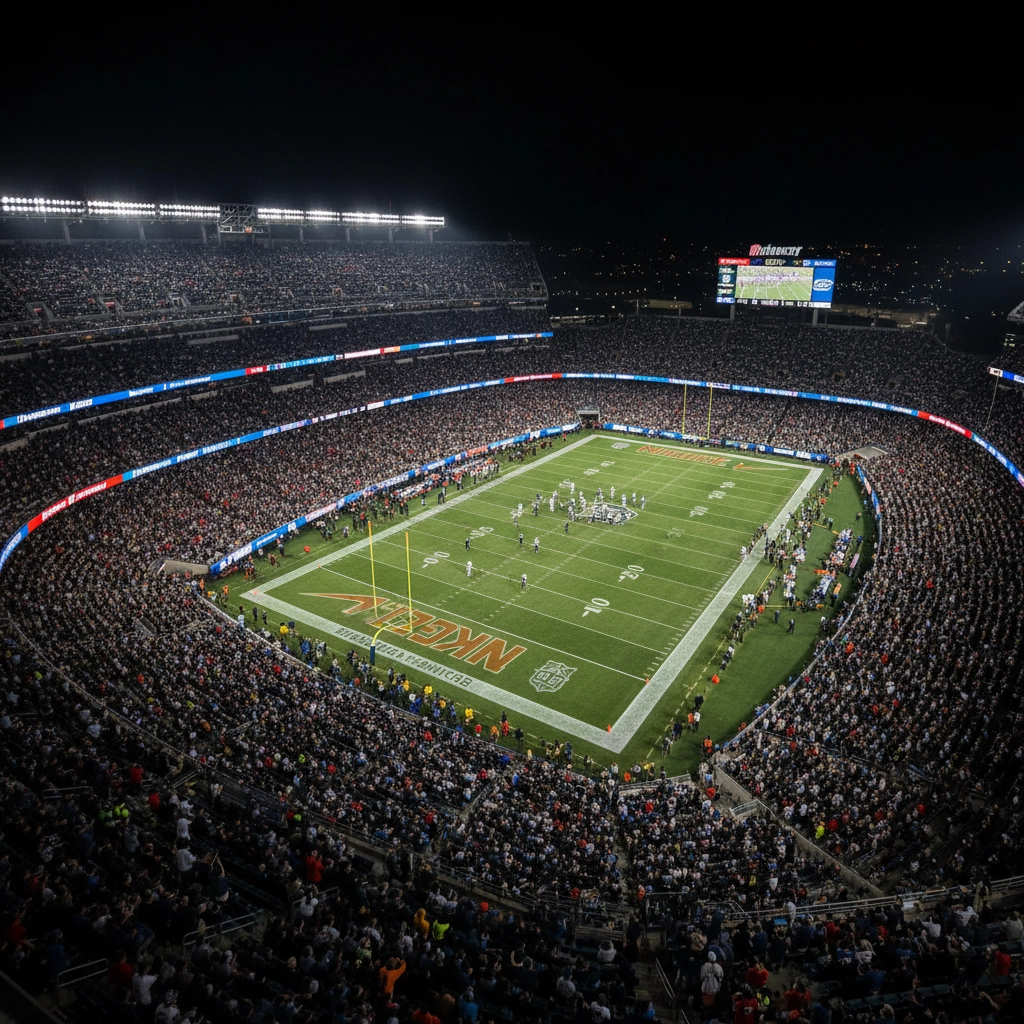
Stadium venues typically feature multiple perimeter advertising opportunities, including LED ribbon boards, corner displays, and goal-line signage. Each placement offers distinct advantages based on camera angles and fan sightlines during broadcasts and live attendance.
Programmatic Platform Integration
Modern digital out-of-home campaigns leverage automated buying platforms that streamline the entire activation process. These systems handle inventory allocation, creative distribution, and real-time optimization without manual intervention. Programmatic DOOH platforms enable advertisers to access diverse venue networks across multiple markets simultaneously.
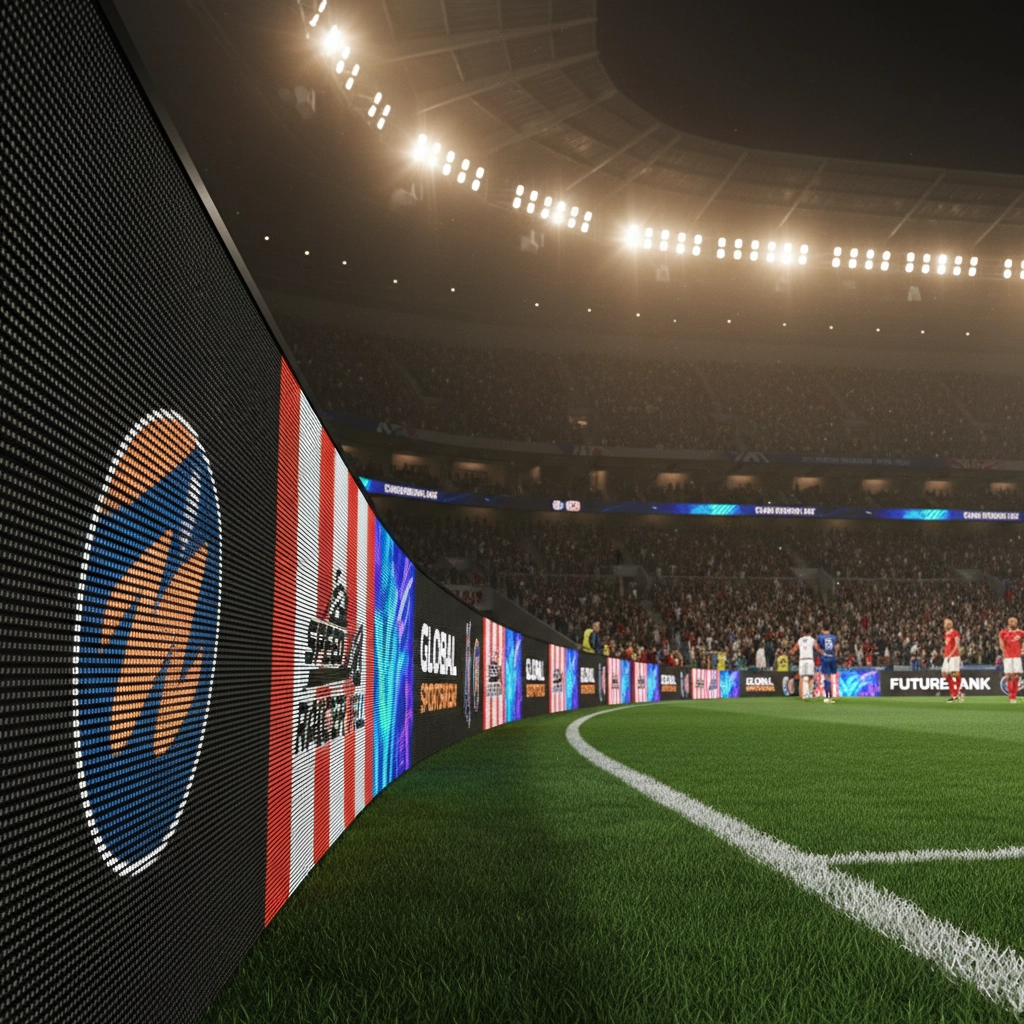
The technology infrastructure supporting programmatic DOOH includes demand-side platforms, supply-side platforms, and content management systems that coordinate seamlessly to deliver campaigns at scale. This automated approach reduces launch timelines from weeks to hours while maintaining precise targeting capabilities.
Creative Optimization for Stadium Environments
Visual Impact Requirements
Stadium perimeter displays demand specific creative considerations to achieve maximum visibility and engagement. Effective creative assets feature bold typography, high contrast color schemes, and minimal text elements that remain legible from both field-level and upper-deck viewing angles.
The unique viewing environment of sporting venues requires creative formats optimized for quick comprehension during brief exposure windows. Successful perimeter campaigns utilize large-format logos, clear value propositions, and strong calls-to-action that can be processed within 3-5 seconds of viewer attention.
Dynamic Content Integration
Real-time creative optimization represents a significant advantage for stadium perimeter campaigns. Dynamic content elements can incorporate live game statistics, countdown timers, and contextual messaging that responds to game situations. This approach increases relevance and urgency while maintaining brand messaging consistency.
Programmatic creative platforms enable automatic updates based on game events, team performance, or audience behavior patterns. The ability to modify messaging in real-time allows campaigns to capitalize on peak engagement moments and emotional states that drive conversion behavior.
Technology Partners and Platform Selection
Content Management Systems
Professional DOOH content management systems automate the distribution and scheduling process across multiple venue locations. These platforms integrate with programmatic buying systems to ensure seamless campaign execution without manual oversight requirements.
Leading content management solutions provide real-time monitoring, creative version control, and automated quality assurance checks that maintain brand standards across all placements. This infrastructure supports rapid scaling while minimizing technical complications that could delay campaign activation.

Measurement and Attribution Technology
Advanced attribution systems track campaign performance through device ID matching, location-based analytics, and conversion measurement across digital channels. These platforms provide real-time performance data that enables rapid optimization during the initial 24-hour period.
The integration of location intelligence and mobile advertising identifiers creates comprehensive audience profiles that support both immediate campaign optimization and future targeting refinement. This data foundation enables continuous improvement of conversion rates throughout the campaign duration.
Rapid Deployment Timeline and Execution
Hours 1-8: Campaign Setup and Asset Preparation
The initial phase focuses on campaign configuration within programmatic platforms and creative asset optimization for stadium-specific requirements. Pre-approved creative libraries accelerate this process by providing tested formats that meet technical specifications across different venue types.
Campaign targeting parameters require careful calibration based on expected audience demographics, geographic distribution, and behavioral characteristics associated with specific sporting events. Historical performance data from similar events provides baseline expectations for optimization algorithms.
Hours 9-16: Inventory Securing and Testing
Platform algorithms identify and reserve optimal inventory placements based on campaign objectives and budget parameters. Automated testing protocols verify creative display quality and technical compatibility across selected venue systems.
This phase includes coordination with venue operations teams to ensure proper content delivery and display timing. Technical validation prevents common issues that could impact campaign performance during critical engagement windows.
Hours 17-24: Full Activation and Initial Optimization
Complete campaign deployment begins with automated monitoring systems tracking initial performance metrics and audience response patterns. Real-time optimization adjustments refine targeting parameters and creative rotation based on early conversion data.
The final hours of the deployment period focus on scaling successful placements while eliminating underperforming inventory. Automated bidding systems adjust spend allocation to maximize return on investment during peak engagement periods.
Performance Measurement and Results Tracking
Conversion Attribution Methods
Stadium perimeter DOOH campaigns utilize multiple attribution methods to track conversion behavior and campaign effectiveness. Location-based attribution connects venue exposure to subsequent online and offline actions through device tracking and geographic correlation.
Brand lift studies measure awareness, consideration, and preference changes among exposed audiences compared to control groups. These methodologies provide comprehensive impact assessment beyond direct response metrics, enabling long-term strategic planning and budget allocation decisions.
Real-Time Optimization Strategies
Automated optimization systems continuously analyze performance data to identify the most effective combinations of creative assets, placement locations, and targeting parameters. Machine learning algorithms process audience response patterns to predict optimal campaign adjustments.
Performance optimization extends beyond basic click-through rates to include brand engagement metrics, audience quality scores, and conversion probability calculations. This comprehensive approach ensures campaign success measurement aligns with broader marketing objectives rather than focusing solely on immediate response metrics.
Strategic Integration with Broader Marketing Campaigns
Omnichannel Campaign Coordination
Stadium perimeter DOOH campaigns achieve maximum effectiveness when integrated with complementary digital marketing activities across social media, search, and mobile advertising channels. Cross-channel attribution systems track audience journeys from initial stadium exposure through final conversion actions.
Retargeting campaigns can leverage stadium audience exposure data to create highly qualified prospect lists for follow-up marketing activities. This approach extends the impact of stadium investments beyond the immediate event timeframe while maintaining cost efficiency.
Long-Term Partnership Development
Successful rapid deployment campaigns often lead to expanded partnership opportunities with venue networks and sports properties. Performance data from initial campaigns provides negotiation leverage for improved terms and exclusive access opportunities.
As Dan Kost, CEO of OOH Sports, frequently emphasizes, building strategic relationships within the sports advertising ecosystem creates competitive advantages that extend far beyond individual campaign performance. These partnerships form the foundation for sustained success in the rapidly evolving digital out-of-home landscape.
Ready to launch your own stadium perimeter DOOH campaign? Contact OOH Sports at +1 (970) 703-0102 to speak with our AI receptionist about rapid deployment strategies tailored to your brand objectives. Visit OOH Sports to explore our comprehensive approach to sports-focused digital advertising solutions.
Learn more about successful programmatic DOOH campaigns through our detailed case studies featuring brands like White Claw's 74% purchase consideration lift and other innovative digital marketing campaigns.
What stadium venues are you considering for your next DOOH campaign? Share your thoughts in the comments below.
#Motivation #Branding #Strategy #Marketing #AdvertisingAndMarketing #digitalmarketing #Innovation #Sports