
The digital out-of-home advertising landscape is experiencing unprecedented transformation. The overall DOOH market reached $18.8 billion in 2022 and projects to exceed $58 billion by 2030. Within this explosive growth, programmatic DOOH represents the fastest-expanding segment, with projections showing growth from $916.2 million in 2023 to $6.15 billion by 2030: a remarkable compound annual growth rate of 31.5%.
Sports marketing represents a premium segment within this ecosystem. Venues offer captive audiences with heightened engagement levels, creating optimal conditions for programmatic campaigns. The convergence of real-time data capabilities, automated bidding systems, and dynamic creative optimization positions sports-focused programmatic DOOH as a strategic imperative for brands seeking measurable impact.
The Growth Trajectory: Market Forces Driving Expansion
The programmatic DOOH revolution stems from fundamental shifts in advertising infrastructure and consumer behavior. Digital billboard installations have proliferated across major metropolitan areas, while sports venues have accelerated their transition to connected display networks. This digitalization coincides with enhanced data collection capabilities, enabling precise audience targeting and real-time campaign optimization.
Smart city initiatives further amplify these capabilities. Connected devices generate continuous data streams about foot traffic patterns, demographic compositions, and behavioral indicators. For sports marketers, this translates to granular insights about fan movements, venue attendance patterns, and engagement metrics during events.
The automation underlying programmatic systems drives efficiency gains that traditional out-of-home placements cannot match. Automated bidding algorithms process millions of data points to determine optimal ad placements, while dynamic creative systems adjust messaging based on contextual factors like weather conditions, game outcomes, or trending social media topics.
Strategy 1: Deploy Real-Time Event-Triggered Campaigns
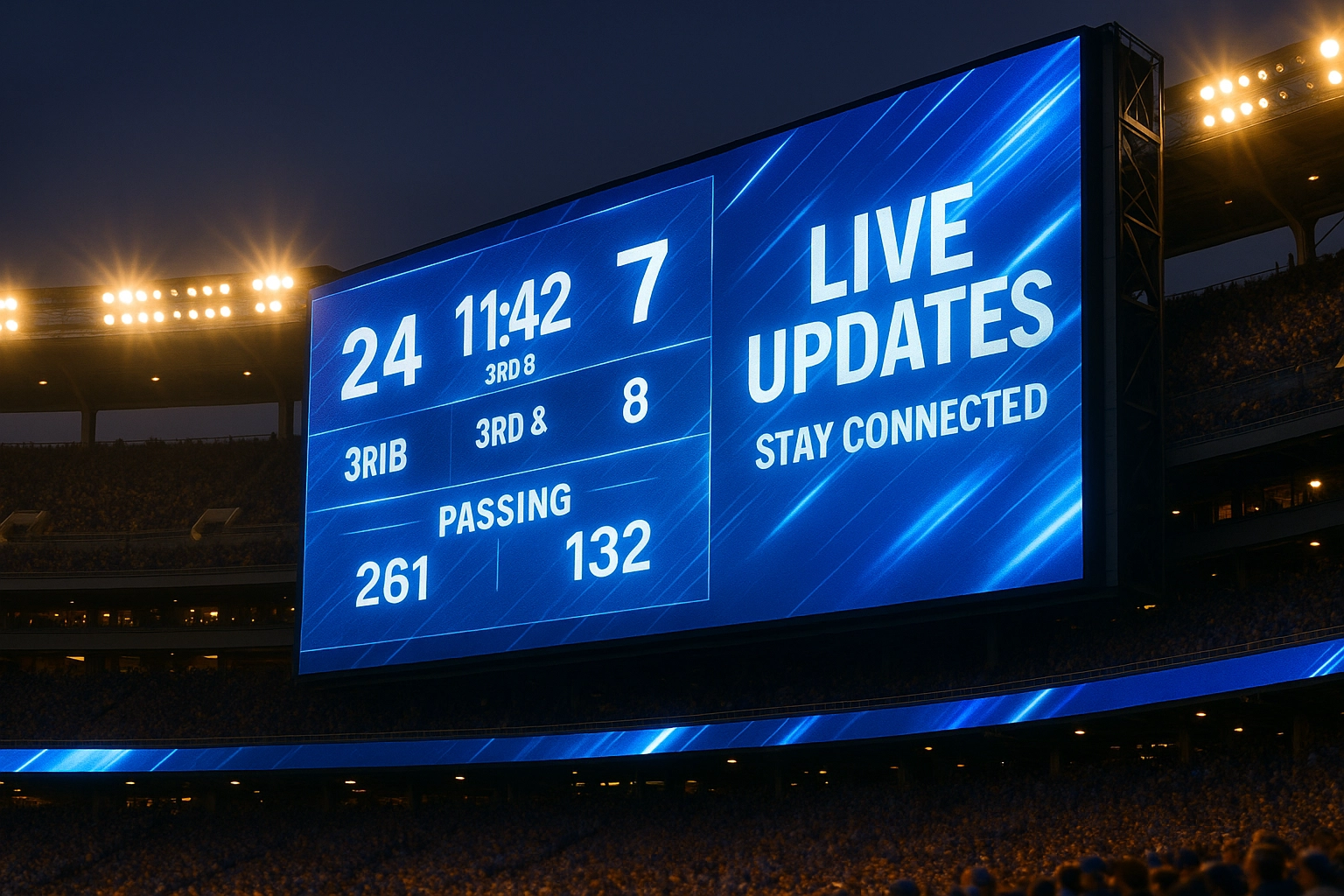
Event-triggered programming represents the cornerstone of effective sports DOOH campaigns. This approach leverages live data feeds to automatically adjust creative content and bidding strategies based on game developments, player performances, or audience reactions.
Campaign architecture includes pre-built creative variants corresponding to different game scenarios: victory celebrations, comeback narratives, or championship advancement. Automated systems monitor live scores, social media sentiment, and broadcast data to trigger appropriate messaging within minutes of triggering events.
Successful implementations demonstrate measurable lift in brand recall and purchase intent. Campaigns utilizing real-time triggers typically achieve 40-60% higher engagement rates compared to static placements, as messaging relevance peaks during emotional moments when audiences are most receptive.
Strategy 2: Implement Geofencing-Based Audience Targeting
Geofencing technology enables precise audience segmentation based on location patterns and venue attendance. Campaign targeting parameters can include specific stadiums, surrounding commercial districts, transportation hubs, and competitor venues to reach sports audiences across their journey.
Advanced geofencing strategies layer demographic and behavioral data onto location targeting. Systems can differentiate between season ticket holders, casual fans, and tourists based on historical location patterns and device identifiers. This segmentation enables customized messaging that resonates with distinct audience segments.
Attribution measurement through geofencing provides quantifiable campaign impact. Brands can track foot traffic to retail locations, app downloads, or website visits from exposed audiences, establishing direct connections between DOOH exposure and conversion actions.
Strategy 3: Leverage Cross-Platform Data Integration
Programmatic DOOH campaigns achieve optimal performance when integrated with broader omnichannel strategies. Data management platforms can synchronize audience segments across connected TV, social media, search, and mobile advertising to create cohesive customer journeys.
Integration enables sophisticated retargeting strategies. Audiences exposed to sports venue DOOH campaigns can receive follow-up messaging through mobile apps, social platforms, or streaming services. This approach reinforces brand messaging and improves conversion rates through repeated exposure across multiple touchpoints.
Campaign measurement benefits significantly from cross-platform data integration. Attribution models can track customer interactions across devices and channels, providing comprehensive understanding of campaign impact on brand awareness, consideration, and purchase behavior.

Strategy 4: Optimize Creative Dynamic Personalization
Dynamic creative optimization represents a competitive advantage in sports DOOH campaigns. Systems can adjust messaging elements including headlines, images, calls-to-action, and promotional offers based on real-time data inputs about audience composition, weather conditions, or trending topics.
Creative personalization extends beyond basic demographic targeting to include psychographic and behavioral factors. Campaigns can display different messaging to audiences identified as premium customers versus prospects, or adjust tone and imagery based on local team preferences and rivalries.
Performance data from dynamic creative campaigns provides actionable insights for broader marketing strategies. A/B testing capabilities enable continuous optimization of messaging elements, color schemes, and creative approaches to maximize engagement and conversion rates.
Strategy 5: Execute Weather and Context-Based Adaptations
Contextual advertising takes advantage of environmental factors that influence audience behavior and receptivity. Weather conditions, time of day, traffic patterns, and local events create opportunities for relevant messaging that resonates with immediate audience experiences.
Weather-triggered campaigns can promote cold beverages during heat waves, rain gear during storms, or indoor entertainment during poor weather conditions. Context-aware systems can adjust bids and creative elements automatically based on meteorological data and traffic conditions.
Local event integration extends contextual relevance beyond weather patterns. Campaigns can reference local festivals, concerts, or community events to create messaging that feels authentically connected to the immediate environment and audience experience.
Strategy 6: Deploy Advanced Attribution and Measurement
Programmatic DOOH campaigns require sophisticated measurement frameworks to quantify impact and optimize performance. Attribution systems track exposed device identifiers through multiple touchpoints to establish causal relationships between ad exposure and conversion actions.
Brand lift studies provide complementary measurement by surveying exposed and control audiences to measure changes in brand awareness, consideration, and purchase intent. These studies typically show programmatic DOOH campaigns generating 15-25% lifts in unaided brand recall and 10-20% improvements in purchase consideration.
Performance measurement extends to foot traffic attribution through location analytics. Campaigns can demonstrate measurable increases in venue visits, retail store traffic, or event attendance among exposed audiences, providing concrete evidence of campaign effectiveness.
Strategy 7: Implement Automated Budget Optimization
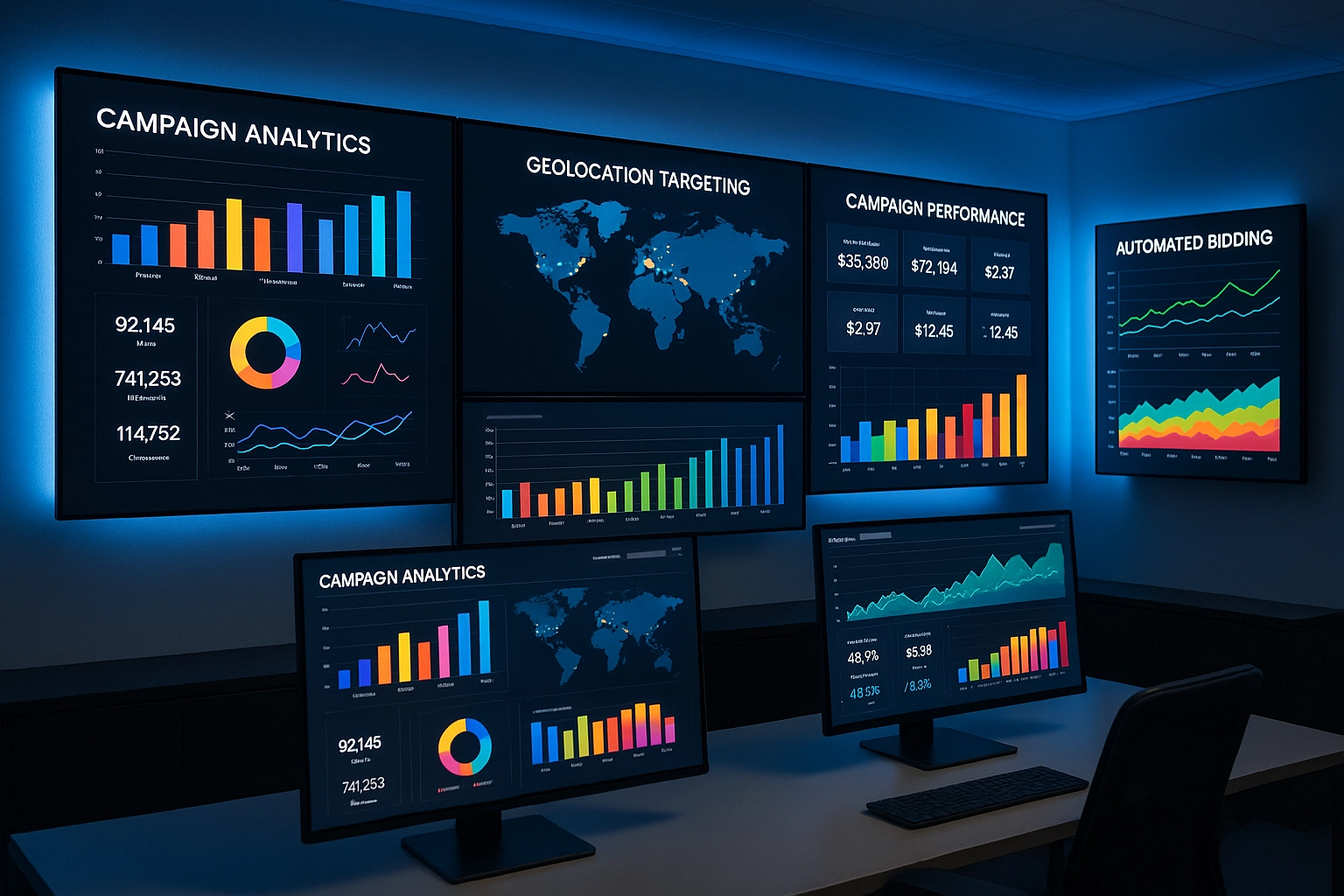
Automated budget allocation represents the final component of effective programmatic DOOH strategies. Machine learning algorithms analyze performance data across different placements, time periods, and audience segments to allocate spending toward highest-performing combinations.
Budget optimization systems can shift spending in real-time based on campaign performance metrics. High-performing placements receive increased budget allocation, while underperforming segments are reduced or eliminated automatically. This approach maximizes return on advertising spend without requiring constant manual intervention.
Advanced optimization includes predictive modeling capabilities that forecast performance based on historical data, seasonal patterns, and market conditions. These systems can preemptively adjust budget allocation to capitalize on high-opportunity periods or avoid low-performance scenarios.
Implementation Framework for Success
Campaign execution requires systematic approach to technology integration, creative development, and performance measurement. Successful implementations begin with clear objective definition, audience identification, and success metrics establishment.
Technology partners play crucial roles in campaign success. Demand-side platforms, data management systems, and creative optimization tools must integrate seamlessly to enable real-time decision-making and dynamic content delivery. Partner selection should prioritize platforms with proven track records in sports marketing and programmatic DOOH execution.
Creative development should anticipate dynamic requirements from campaign launch. Multiple creative variants, trigger-based messaging, and contextual adaptations require advance planning and production to ensure seamless execution during campaign periods.
Strategic Recommendations for Market Entry
The programmatic DOOH opportunity requires strategic commitment and systematic approach to capture market share effectively. Brands should begin with pilot campaigns in major metropolitan markets where digital infrastructure and audience density support optimal campaign performance.
Investment in data capabilities provides foundation for programmatic success. Customer data platforms, attribution systems, and analytics tools enable the sophisticated targeting and measurement required for competitive advantage in programmatic DOOH environments.
As noted by Dan Kost, CEO of OOH Sports, the convergence of programmatic technology and sports marketing creates unprecedented opportunities for brands willing to embrace data-driven approaches and real-time optimization strategies.
The $58 billion DOOH market projection reflects the massive opportunity available to brands that master programmatic capabilities. Sports marketing represents a premium segment within this growth, offering engaged audiences and measurable impact potential for forward-thinking advertisers.
Ready to capture your share of the programmatic DOOH sports market? Contact OOH Sports at www.oohsports.com or call +1 (970) 703-0102 to speak with our AI Receptionist about developing your real-time campaign strategy.
Share this insight: LinkedIn | Facebook | Instagram | X
Tags: #Motivation #Branding #Strategy #Marketing #AdvertisingAndMarketing #digitalmarketing #Innovation #Sports