

Brands pour millions into stadium advertising each year, yet many struggle to demonstrate tangible returns beyond basic impression counts. The static banner along the sideline or the logo on the scoreboard delivers visibility, but visibility alone rarely translates to brand preference, purchase intent, or lasting consumer relationships.
The fundamental issue lies in treating stadium advertising as a one-way broadcast rather than an engagement opportunity. Traditional approaches place a brand message in front of fans and hope for osmosis. Modern fan engagement strategies, by contrast, create interactive experiences that transform passive spectators into active participants who form emotional connections with brands.
Stadium perimeter advertising through platforms like OOH Sports represents a significant evolution in this space. Rather than settling for static placements that blend into the background, brands can now deploy dynamic, programmatic digital out-of-home campaigns that integrate with broader fan engagement ecosystems. The shift from generic to strategic requires understanding what actually drives fan connection in live sports environments.
The Engagement Imperative
Sports venues present unique advantages for brand building. Fans arrive emotionally invested, primed for memorable experiences, and surrounded by thousands of others sharing the same passion. This environment offers unparalleled attention compared to fragmented digital channels where users scroll past ads in seconds.
However, capturing that attention requires more than presence. It demands strategy, personalization, and genuine value exchange. Fans increasingly expect brands to enhance their experience rather than interrupt it. The most successful stadium advertising campaigns recognize this shift and design activations that fans actually want to engage with.
Seven Strategies That Transform Fan Engagement
1. Gamified Real-Time Interactions
Interactive elements during live games create continuous engagement throughout the event rather than limiting brand exposure to pre-game or halftime moments. Voting polls, score predictions, and trivia contests turn spectators into participants with agency over their experience.
Key implementation approaches include:
- Real-time prediction contests tied to game moments (next play type, quarter score)
- Fan voting that influences stadium displays or in-game features
- Trivia competitions with immediate leaderboards displayed venue-wide
- Prize mechanics that reward participation without requiring purchases
These activations keep fans engaged during natural lulls in action while creating shareable moments that extend reach beyond the venue. Brands become facilitators of entertainment rather than interruptions to it.
2. Location-Based Personalization
Proximity-triggered messaging delivers contextually relevant offers at precisely the moments fans can act on them. Rather than broadcasting generic promotions to an entire stadium, location-based strategies segment audiences by physical position and timing.
Effective applications include:
- Concession discounts triggered when fans approach food courts
- Family zone offers activated upon entry to kid-friendly areas
- Parking or transportation promotions sent as fans exit the venue
- Seat upgrade opportunities based on current section location
This approach drives immediate conversion while improving the fan experience through timely, useful information. The technology behind location triggers has matured significantly, enabling precise targeting without privacy concerns when implemented through opt-in mobile applications.
3. Behind-the-Scenes Content and Player Access
Exclusive access creates perceived value that generic advertising cannot match. Behind-the-scenes footage, player interviews, and operational insights give fans insider status, transforming them from observers to insiders.
Strategic content approaches include:
- Pre-game locker room footage exclusive to mobile app users
- Player interview segments shown on stadium displays between quarters
- Training footage or practice highlights during warmups
- Virtual meet-and-greet opportunities with team personalities
Fans who receive exclusive content develop stronger affinity and become natural advocates, sharing these moments organically across social channels. The authenticity of behind-the-scenes access carries more weight than polished marketing messages.
4. Immersive Technology Activations
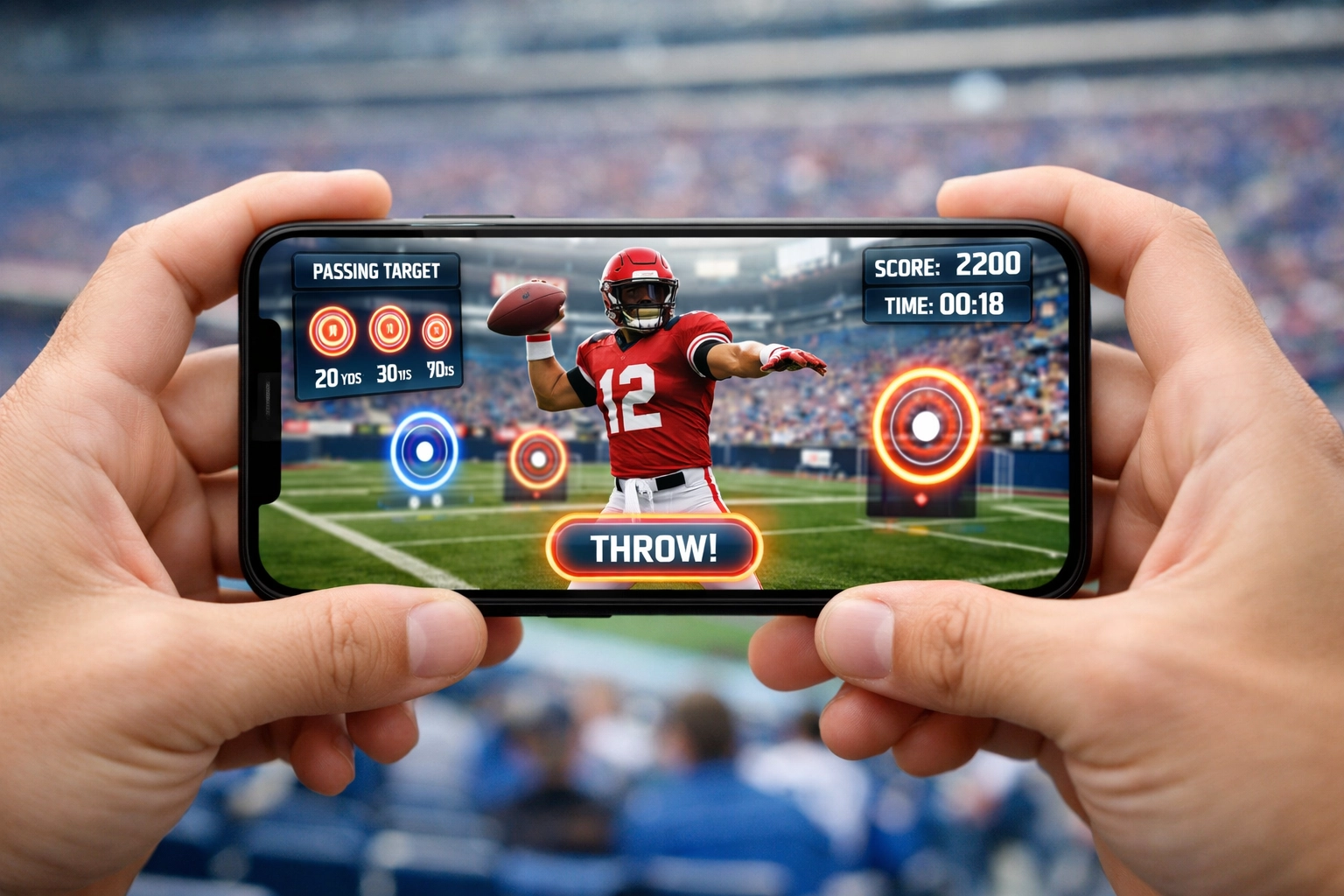
Augmented reality experiences and interactive displays create memorable moments that fans photograph and share without prompting. These activations turn brand touchpoints into destination experiences within the venue.
Deployment options include:
- AR games playable through mobile devices during pre-game periods
- Digital player overlays that allow fans to pose with virtual athletes
- Interactive displays responding to touch or motion
- Virtual reality stations offering unique perspective views of the action
The shareability of immersive technology experiences amplifies reach far beyond the stadium attendees. Each shared photo or video extends brand exposure to social networks organically.
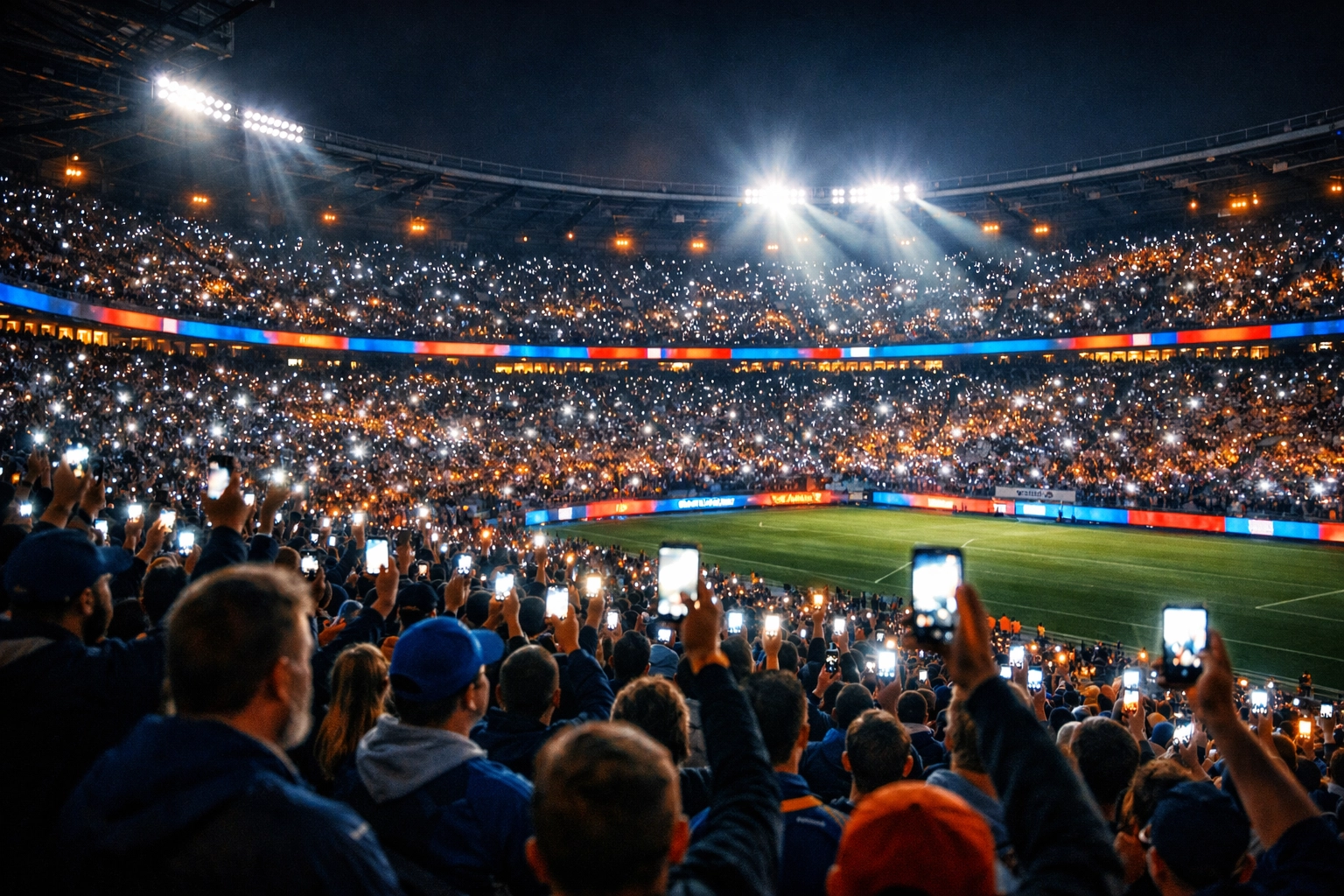
5. Synchronized Stadium-Wide Moments
Coordinated activations that involve the entire venue create powerful shared experiences. When thousands of fans participate in a single moment simultaneously, it generates collective memory that individual advertising cannot replicate.
Implementation strategies include:
- Coordinated lighting effects synchronized to music or game moments
- Sound visualization displays that react to crowd noise levels
- Full-stadium participation prompts (raising phones, synchronized cheers)
- Ambient branding integrated into venue-wide sensory experiences
These moments feel personal despite massive scale. Brands that facilitate these shared experiences become associated with the emotional high points of the event itself.
6. Fan Zones with Competition and Play
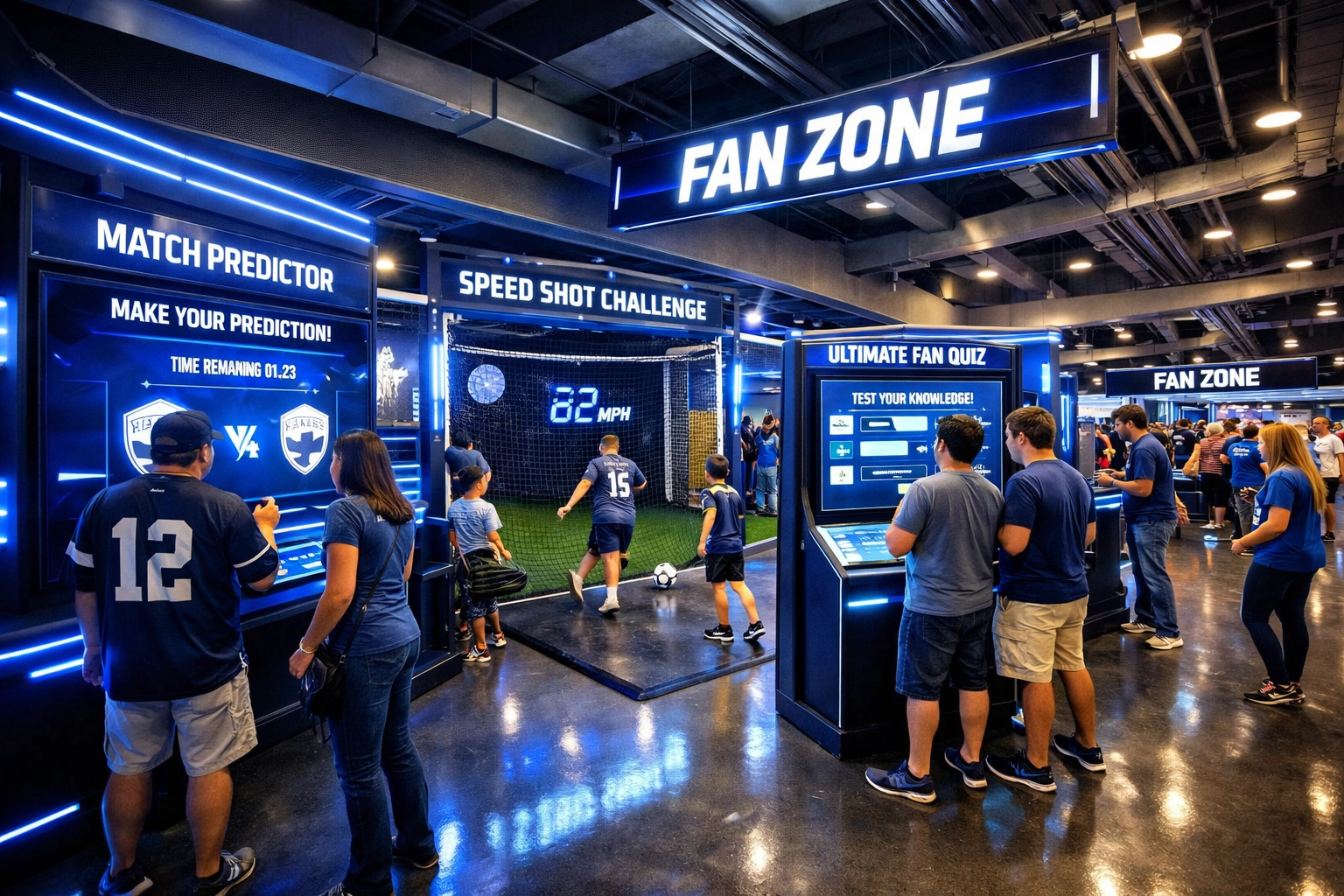
Dedicated interactive spaces within venues give fans agency over their experience while tapping into competitive spirit. These zones extend engagement beyond the game itself, particularly valuable for early arrivals or families with children.
Effective fan zone elements include:
- Skill competitions (shooting accuracy, speed challenges, virtual competitions)
- Leaderboards displaying top performers throughout the event
- Meet-and-greet opportunities with former players or team ambassadors
- Mini-games reflecting the sport being played
Competition naturally drives repeated attempts and sustained engagement. Fans linger in branded spaces voluntarily when the experience offers entertainment value independent of advertising.
7. Data-Driven Segmentation and Personalization
Behavioral tracking enables brands to move beyond demographic assumptions to true interest-based targeting. Digital and physical fan behavior reveals preferences that inform personalized messaging at scale.
Segmentation approaches include:
- Attendance frequency tiers (season ticket holders vs. occasional attendees)
- Concession purchase history for food and beverage targeting
- In-app behavior indicating merchandise interest or content preferences
- Geographic segmentation for local vs. traveling fan populations
When messaging reflects actual demonstrated interests, conversion rates increase substantially. Sponsorship integration feels organic rather than intrusive because offers align with individual fan priorities.
Implementation Considerations
The most effective fan engagement strategies integrate multiple channels into cohesive ecosystems. Stadium perimeter advertising serves as one touchpoint within a larger system connecting mobile applications, social media feeds, concession systems, and ticketing platforms.
Success requires coordination across several elements:
- Ensuring content remains shareable and visually compelling for social amplification
- Integrating social media feeds into stadium displays to recognize fan participation
- Connecting digital touchpoints with physical systems (ticketing, concessions, parking)
- Maintaining consistent brand presence across pre-game, in-game, and post-game moments
Brands achieving the strongest results treat stadium advertising as an engagement platform rather than a static placement. OOH Sports enables this approach through programmatic digital out-of-home technology that allows dynamic content, real-time updates, and integration with broader marketing technology stacks.
The shift from generic stadium advertising to strategic fan engagement represents more than tactical evolution. It reflects a fundamental reimagining of what sports venue marketing can accomplish. Brands willing to move beyond visibility metrics toward genuine engagement create lasting connections that drive preference, loyalty, and measurable business outcomes. The stadium environment offers unmatched attention and emotional intensity. The question is whether brands will continue broadcasting generic messages or start creating experiences fans actually value.