
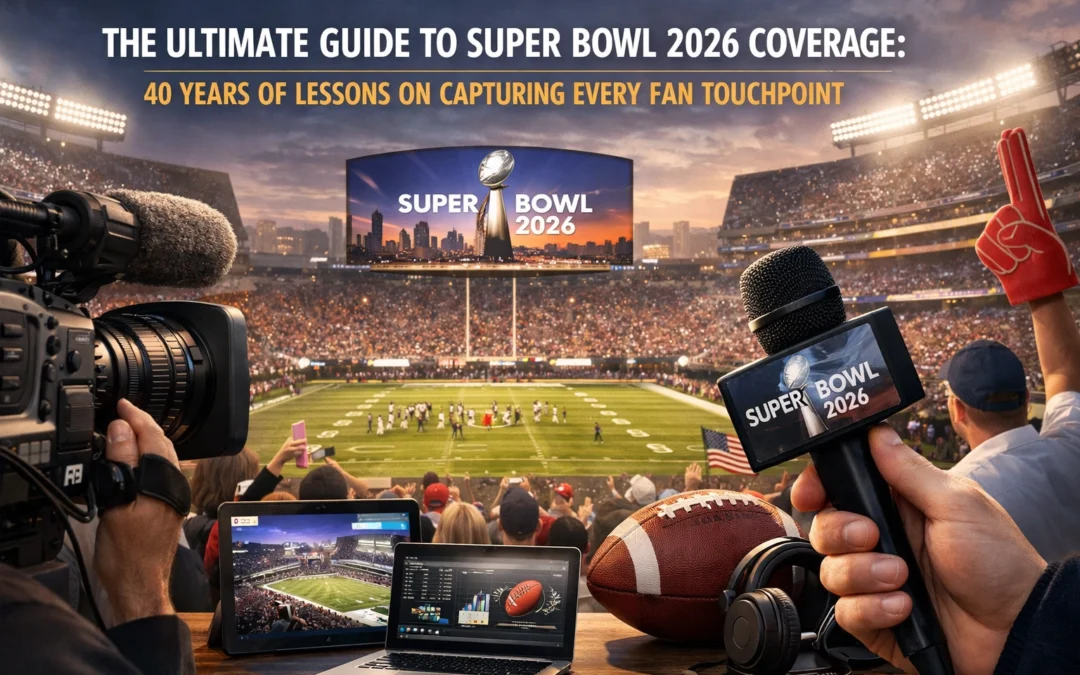
Super Bowl LX just wrapped up at Levi's Stadium in Santa Clara, California, and the Patriots-Seahawks matchup on February 8, 2026 delivered another masterclass in how the biggest sporting event in America continues to evolve. NBC broadcast the game for the 21st time, deploying nearly 100 cameras and announcing teams across seven Bay Area locations to capture every angle of the action.
But here's what most brands miss: while NBC focused on broadcasting the game, the real advertising opportunity lived in the thousands of physical touchpoints surrounding the event, from the moment fans left their homes to the second they returned after the final whistle.
After 40 years in the sports advertising game, OOH Sports has learned that Super Bowl coverage isn't just about game day. It's about capturing every single moment of the fan journey across every available surface.
The Evolution of Super Bowl Advertising Coverage
The Super Bowl advertising landscape has transformed dramatically since the 1980s. Early Super Bowl campaigns focused almost entirely on broadcast television spots, with minimal integration across other channels. Brands paid premium rates for 30-second commercials and hoped for cultural resonance.

Four decades of experience has revealed a different reality. The Super Bowl fan experience extends far beyond the living room or stadium seat. Fans interact with hundreds of touchpoints during Super Bowl week: airport terminals, rideshare vehicles, gas stations, bars, restaurants, retail locations, hotels, and convention centers. Each touchpoint represents an opportunity to connect with highly engaged, receptive audiences.
NBC's coverage demonstrated this expanded approach. The network presented more than 90 hours of Super Bowl-related content across multiple platforms from February 2-8, acknowledging that fan engagement begins days before kickoff. Smart advertisers recognized this window and deployed venue-wide coverage strategies that mirrored this extended timeline.
Venue-Wide Coverage: From Floors to Billboards
Modern Super Bowl advertising requires a comprehensive approach that spans multiple format types and locations. The most effective campaigns leverage every available advertising surface within the fan ecosystem.
Floor Graphics and Ground-Level Touchpoints
Airport floor decals captured travelers arriving for Super Bowl LX throughout the week. Rideshare vehicles featured branded seat-back displays and interior wraps. Gas station pump toppers reached fans making the drive to Santa Clara. Bar and restaurant table tents, coasters, and bathroom mirror clings created repeated brand exposures in social viewing environments.
These ground-level touchpoints delivered high visibility at moments when fans were actively engaged in Super Bowl-related activities. A fan filling up gas on the way to a viewing party or waiting for a rideshare to the stadium represented a captive, receptive audience.
Digital Billboards and Large-Format Displays
Traditional billboards surrounding Levi's Stadium and along major Bay Area highways provided large-scale brand presence. Digital out-of-home screens in downtown San Francisco, San Jose, and Santa Clara rotated Super Bowl messaging throughout the week, adapting creative based on time of day and audience demographics.
Transit shelters, mall directories, elevator screens, and convenience store networks extended reach into daily consumer routines. The combination of static and digital formats ensured consistent brand presence across the entire metro area.
https://www.youtube.com/watch?v=l6J-0zileKE
Stadium Proximity and Perimeter Targeting
The area immediately surrounding Levi's Stadium offered unique opportunities for high-impact advertising. Parking lot signage, pedestrian walkways, and nearby retail corridors captured fans during their approach to the venue. These premium locations delivered impressions during peak excitement and anticipation.
Street furniture, kiosks, and temporary event structures provided additional inventory specifically available during Super Bowl week. Brands that secured these placements benefited from proximity to the main event and the heightened emotional state of approaching fans.

Multi-Format Integration: The 40-Year Lesson
The most successful Super Bowl advertising campaigns share a common characteristic: seamless integration across multiple formats and channels. Broadcast commercials generate awareness, but out-of-home advertising extends that message into the physical world where fans live, work, and celebrate.
Timing and Sequencing
Effective campaigns layer exposure throughout the fan journey. Airport advertising greets arriving fans. Hotel elevator screens deliver messages during check-in. Rideshare displays reach fans heading to viewing parties. Bar and restaurant placements capture social viewing moments. Post-game billboards close the loop as fans return home.
This sequencing creates repeated exposures across different contexts, reinforcing brand messaging and increasing likelihood of recall. A fan might see a brand message five to seven times during Super Bowl weekend without any single exposure feeling repetitive or intrusive.
Geographic Concentration
Super Bowl advertising benefits from geographic concentration. Unlike year-round campaigns that spread budgets across multiple markets, Super Bowl campaigns can focus intensity in a single metro area. This concentration delivers higher frequency and greater share of voice.
For Super Bowl LX, the Bay Area became a temporary advertising epicenter. Brands that recognized this opportunity deployed concentrated coverage across the region, creating a dominant presence that would be cost-prohibitive to maintain year-round.

Audience Alignment
Super Bowl audiences skew affluent, brand-conscious, and willing to spend on premium experiences. This demographic alignment makes out-of-home advertising particularly effective. Fans attending the game or traveling to the host city represent high-value consumers actively engaged in a premium entertainment experience.
Airport lounges, upscale restaurants, luxury hotels, and premium retail locations allow brands to reach this audience in environments that match their consumption patterns and purchasing power.
Technology Meets Tradition
Modern Super Bowl advertising combines traditional out-of-home formats with programmatic capabilities and data-driven targeting. Programmatic DOOH platforms enable brands to adjust creative in real-time based on game developments, weather conditions, or audience behavior.
A brand could deploy different creative messages before kickoff versus halftime versus post-game. Creative could adapt based on score, weather conditions, or trending social media topics. This flexibility mirrors the dynamic nature of the Super Bowl itself.
Traditional formats like static billboards, floor graphics, and transit advertising provide consistent presence and high-impact visibility. The combination of static and digital inventory creates comprehensive coverage that leverages the strengths of each format type.
Measurement and Attribution
Forty years of experience has refined measurement approaches for Super Bowl advertising campaigns. Modern campaigns deploy multiple attribution methods to quantify impact and justify investment.
Foot Traffic Attribution
Mobile device data tracks foot traffic to retail locations, restaurants, and other physical destinations following ad exposure. Brands can measure whether fans who saw airport advertising visited specific stores or venues during their Bay Area visit.
Brand Lift Studies
Pre-and post-campaign surveys measure changes in brand awareness, consideration, and preference among exposed audiences. Super Bowl campaigns consistently deliver measurable lifts in these metrics due to high engagement and receptivity.
Digital Retargeting
Out-of-home advertising exposures create retargeting audiences for follow-up digital campaigns. Fans exposed to physical advertising during Super Bowl week can receive coordinated digital messages in the days and weeks following the event, extending campaign impact beyond the immediate timeframe.

Key Takeaways for Super Bowl 2027
Brands planning for next year's Super Bowl should consider several strategic principles refined over four decades:
Start Planning Early
Premium inventory in and around the Super Bowl host city books months in advance. The most impactful locations require early commitment and creative development. Brands that wait until weeks before the event face limited inventory and higher costs.
Think Beyond Game Day
Super Bowl advertising opportunities extend throughout the week leading up to the game and into the days following. Extended coverage captures fans during arrival, pre-game activities, viewing parties, and departure.
Layer Formats and Locations
Single-format campaigns limit reach and impact. Comprehensive programs combine ground-level touchpoints, large-format displays, digital screens, and transit advertising to create multiple exposures across different contexts.
Align Creative With Context
Different formats and locations call for different creative approaches. Airport advertising can deliver longer, more detailed messages. Transit shelters require quick visual impact. Restaurant table tents allow for extended engagement during meals.
Measure and Optimize
Deploy measurement frameworks before campaign launch. Track foot traffic, conduct brand lift studies, and analyze digital attribution to quantify impact and inform future investment decisions.
The 2026 Playbook
Super Bowl LX demonstrated once again that the game itself is just one component of a weeklong cultural phenomenon. NBC's 90-plus hours of coverage across multiple platforms reflected the extended nature of fan engagement.
The evolution of sports advertising continues to favor brands that recognize this reality and deploy comprehensive, venue-wide coverage strategies. From airport floors to highway billboards, from rideshare displays to restaurant table tents, every surface represents an opportunity to connect with highly engaged audiences.
After 40 years of Super Bowl advertising experience, the lesson remains consistent: capture every touchpoint, layer multiple formats, extend coverage throughout the week, and measure everything. The brands that follow this playbook don't just participate in the Super Bowl, they become part of the fan experience itself.