
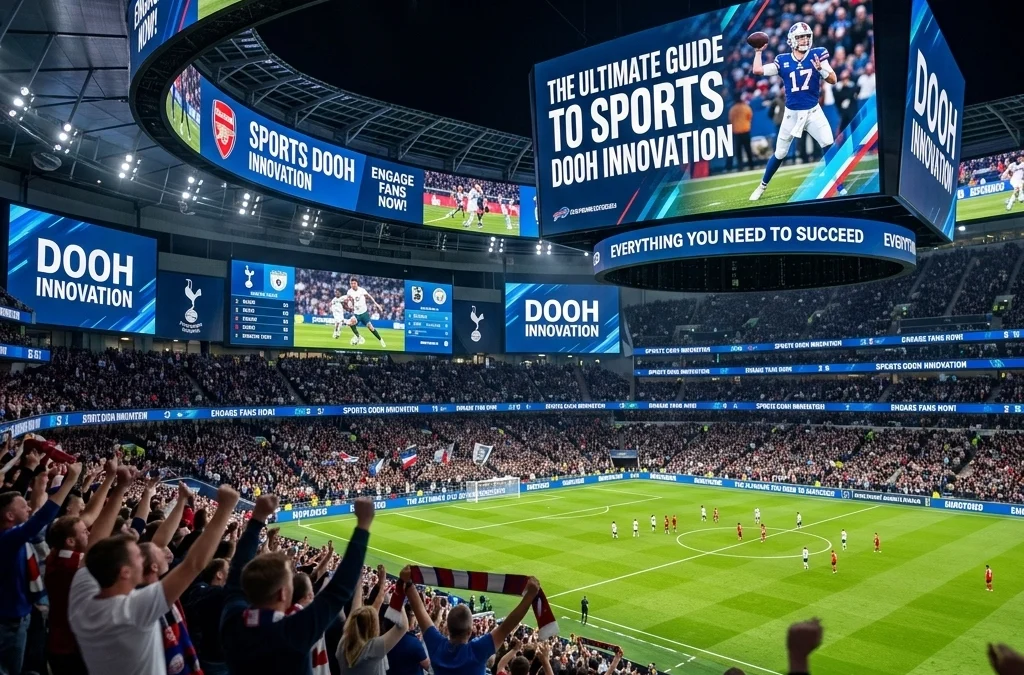
Digital Out-of-Home (DOOH) advertising has evolved into the primary link between brands and sports fans. It transforms traditional marketing into a routine-based strategy that reaches audiences during their daily lives. By utilizing digital screens in high-traffic areas, brands can engage with fans at scale, far beyond the limits of a stadium or a television broadcast.
The sports marketing landscape relies on the intersection of technology and physical presence. As audience habits shift, DOOH provides the infrastructure needed to maintain a constant brand presence. This guide explores the strategies, technology, and execution methods required to succeed in modern sports marketing.
Strategy: Why Sports Fans are the Ideal Audience
Sports fans represent a unique demographic characterized by high loyalty and emotional investment. Unlike passive viewers of traditional media, sports fans are often part of a shared cultural moment. This engagement creates a significant opportunity for brands to insert themselves into the conversation.
Research suggests that OOH advertising often outperforms other channels, including streaming and social media, when it comes to capturing the attention of sports fans. Many fans now use ad-free streaming services, making them difficult to reach via traditional commercials. DOOH solves this by placing advertisements in physical environments where fans spend time, such as transit hubs, shopping centers, and urban neighborhoods.
The effectiveness of these campaigns relies on four core pillars:
- Planning: Identifying where fans congregate before, during, and after events.
- Packaging: Creating visual content that resonates with the energy of the sport.
- Positioning: Placing screens in locations that align with the fan's journey.
- Perception: Building a brand image that feels like a natural part of the sporting experience.

Objective and Strategy: Reaching Fans Beyond the Stadium
A successful sports campaign does not start and end at the stadium gates. Effective strategies involve multiple touchpoints that keep a brand top-of-mind throughout the day.
Commute and Transit
Fans often travel long distances to attend games or meet friends at sports bars. Digital billboards and urban panels along major highways and transit lines build excitement. These placements reach fans while they are in a high state of anticipation.
Stadium Surround
Screens located near venue entrances and in surrounding entertainment districts are critical. These placements capture the highest concentration of fans at the peak of their engagement. Using real-time updates, brands can shift their creative messaging to reflect live scores or highlight plays, making the advertisement feel immediate and relevant.
Residential and Urban Centers
Engagement should continue even for those not attending the game in person. Digital displays in lobbies, bars, restaurants, and hotels maintain a brand presence in fan-heavy areas. These placements ensure that the message reaches those watching the game in social settings or following updates on their mobile devices.

Innovation: The Power of Programmatic DOOH
Programmatic Digital Out-of-Home (pDOOH) is the engine behind modern sports marketing innovation. It allows for automated buying and real-time content adjustments based on external data triggers. This flexibility ensures that the right message is shown at the exact moment it will have the most impact.
Score-Triggered Advertising
One of the most effective uses of pDOOH is the implementation of score-triggered ads. When a home team wins, creative content can shift instantly to a celebratory message. This might include a special promotion or a simple congratulatory note. This level of responsiveness creates a deeper connection between the fan and the brand.
Opponent-Specific Messaging
Campaigns can be tailored based on the specific matchup. If a local team is playing a major rival, the ad copy can be adjusted to reflect the intensity of that specific game. This contextual relevance makes the advertisement feel less like a generic message and more like a part of the local sports culture.
Live Countdown and Updates
Local businesses can sync their digital content with game updates or countdowns to the start of a season. This strategy makes consumers feel like they are part of the action, even if they are just walking down the street or waiting for a train.

Technology Partners and Logistics
Executing a high-level sports DOOH campaign requires a robust network of digital screens. The ability to manage thousands of screens across a national scale is what allows brands to achieve meaningful reach. Accessing a wide portfolio of digital assets enables unified campaign management through streamlined systems.
The logistics involve selecting the right screen types for the objective. For example, large-format digital billboards are ideal for broad brand awareness and "stopping power" on highways. In contrast, smaller urban panels or street furniture are better suited for high-dwell environments where fans have more time to digest information.
By utilizing the OOH Sports network expansion, brands can connect with fans across various environments, ensuring that the brand message is consistent and pervasive.
Omnichannel Integration: The Multiplier Effect
DOOH works best when it is integrated into a broader marketing mix. This is known as the "multiplier effect," where the combination of different channels leads to a higher overall impact than any single channel could achieve on its own.
A standard omnichannel progression for a sports campaign includes:
- Building Recognition: Introducing the brand through social media or streaming services before the sports season begins.
- Reinforcement: Deploying high-impact DOOH placements near stadiums and transit hubs during the height of the season.
- Retargeting: Reconnecting with audiences who were exposed to the DOOH ads by using digital display or audio ads on their mobile devices after the game.
This repetition strengthens memory and makes every advertising dollar more efficient. When a fan sees a short digital ad on a street panel after having seen a longer version online, the brand message is reinforced without being intrusive.

Results: Measuring Success through Data
The success of sports DOOH is not just anecdotal. It is measured through specific performance metrics such as brand lift, purchase consideration, and attribution. Data-driven insights allow media buyers to see exactly how their campaign influenced consumer behavior.
White Claw Case Study
In a campaign for a new vodka launch, White Claw utilized programmatic DOOH to reach consumers in key markets. The campaign resulted in a 74% lift in purchase consideration. By using data to target specific times and locations, the brand successfully moved consumers through the sales funnel. For more details on this execution, the White Claw programmatic case study provides a deep dive into the methodology.
AB InBev and Mike's Hard Iced Tea
This campaign focused on improving brand image through strategic digital placements. The results showed a 119% lift in positive brand image. This demonstrates that DOOH is not just for immediate sales; it is also a powerful tool for long-term brand building. Detailed findings are available in the Mike's Hard Iced Tea case study.
Sea-Doo Campaign Performance
Sea-Doo's first digital OOH campaign focused on reaching outdoor enthusiasts and sports fans. The strategic placement of ads led to a 144% increase in purchase consideration. This highlights the effectiveness of reaching a specific audience in a contextually relevant environment. The full report can be found in the Sea-Doo case study section.
Creative Strategy and Contextual Relevance
Context is the secret ingredient that makes DOOH effective. Creative content that references specific teams, regional pride, or local events resonates more strongly with viewers. This is especially true in sports, where regional identity is a major factor in fan loyalty.
Creative assets should be designed for high visibility and quick comprehension. Since DOOH is often viewed while the audience is in motion, the message must be clear. High-contrast colors, bold typography, and minimal text are usually the most effective choices. When these elements are combined with real-time data, such as a live countdown to kickoff, the impact is significantly higher.
Conclusion: The Path Forward
Innovation in sports DOOH is driven by the ability to be present in the right place at the right time. For media buyers and brand managers, the goal is to create a seamless experience for the fan. By leveraging programmatic technology, strategic placements, and omnichannel integration, brands can achieve measurable success.
The landscape of sports marketing will continue to shift as technology improves. However, the core principle of reaching fans where they live, work, and play remains constant. For those looking to explore specialized placements, the Sportrons network offers targeted opportunities to reach fans in unique ways.
To see more examples of how these strategies are applied in the real world, visit the OOH Sports case study page. Taking the next step in sports marketing innovation requires a commitment to data, creativity, and a deep understanding of the fan experience.