
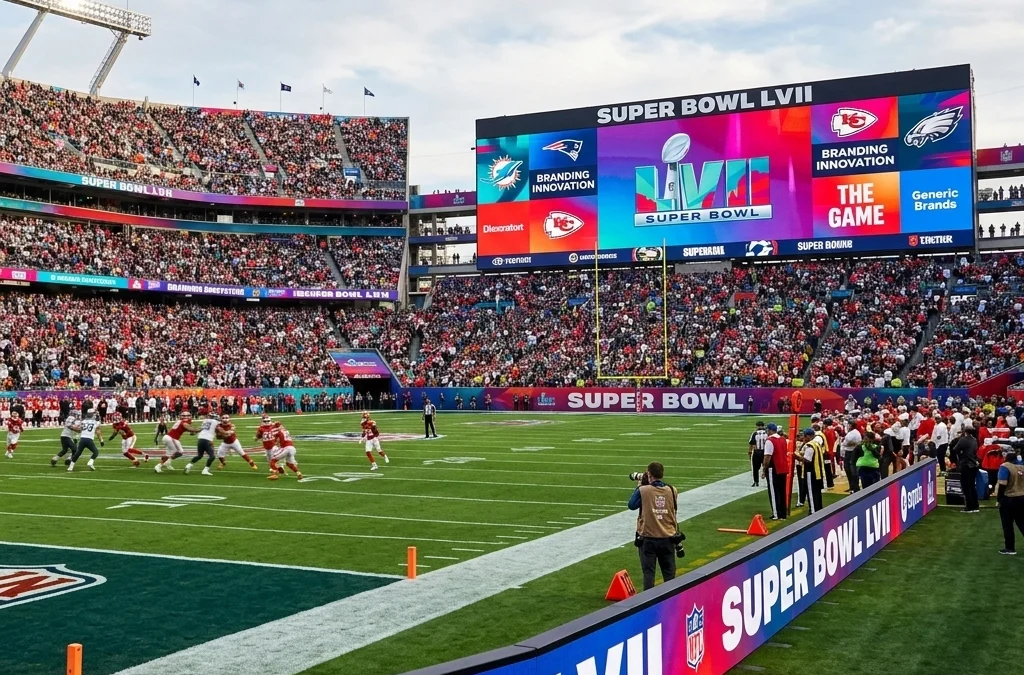
The Super Bowl remains the undisputed heavy hitter of the advertising world. As the 2026 season settles into the history books, the data shows a clear divide between brands that captured the spirit of the game and those that simply threw money at a screen. With 40 years of experience in the industry, OOH Sports has seen every trend come and go. From the rise of traditional billboards to the current dominance of programmatic digital out of home (DOOH), the fundamentals of success haven't changed. Yet, many advertisers continue to stumble over the same hurdles.
Advertising during the big game is more than just a 30 second television spot. It is an ecosystem that starts at the stadium gates, covers the floors, and stretches across the city skyline. When a brand fails to integrate these elements, the results are often costly. This analysis breaks down the seven most critical mistakes observed in Super Bowl branding and how four decades of innovation provide a roadmap for fixing them.
1. Overusing Artificial Intelligence Without Strategic Purpose
In the 2026 advertising cycle, AI moved from a backend optimization tool to a front facing gimmick. Several brands prioritized the novelty of AI over actual storytelling, leading to mixed results. A notable example involved a brand attempting to revive its history with entirely AI generated characters. The technology failed to render human anatomy correctly, leading to unsettling visuals that distracted from the product.
When AI is used as a shortcut rather than a tool, it creates a disconnect with the audience. High fidelity visuals should enhance the message, not become the message. OOH Sports focuses on using technology to drive real world engagement through data, ensuring that every digital screen serves a strategic purpose. For brands looking to maximize their share of the market, strategies must involve more than just a tech trend. This is further explored in the look at how DOOH sports advertising will hit $50 billion by 2030.
2. Chasing Quirk for the Sake of Quirkiness
There is a pervasive belief that Super Bowl ads must be weird to be memorable. However, when every brand adopts a random tone, the result is a sea of indistinguishable noise. One recent spot featured a K-pop star singing in a public bathroom. While the visual was distinct, it felt entirely disconnected from the product's core benefit of hydration.
Quirkiness must serve a strategic purpose. If a fan cannot remember what product was being sold, the ad has failed. Innovation in branding means finding a unique voice that actually resonates with the sports environment. Venue wide coverage, from floor graphics to massive digital displays, allows a brand to build a consistent narrative rather than relying on a single moment of weirdness.
3. Misaligning the Product with the Creative Concept
One of the most expensive errors is creating an entertaining short film that leaves viewers wondering what it was advertising. In the 2026 cycle, some commercials featured elaborate celebrity impersonations that garnered attention but failed to communicate the product's actual usage occasion.
The fix is a ladders up approach. Every creative element must ladder back to a core consumer benefit. Before a concept is greenlit, the question must be asked: could this ad work for any other brand? If the answer is yes, the concept is too generic. The product should be the hero, not a background prop.

4. Poor Celebrity Execution and Phoning It In
Celebrity cameos are a Super Bowl staple, but talent alone does not guarantee engagement. Recent spots featuring high profile actors felt uninspired, with critics noting that the performances lacked energy. When a celebrity is clearly just collecting a paycheck, the audience notices.
Choosing a celebrity whose personal brand genuinely aligns with the product is essential. A partner in the narrative is always more effective than just a face on the screen. Authenticity is the currency of the modern consumer, especially in a high stakes environment like a stadium.
5. Overt Product Placement Fatigue
While the product must be the hero, there is a fine line between brand awareness and excessive advertising. Some 2026 campaigns featured characters consuming products in a way that felt forced and desperate to sophisticated audiences. This disrupts the entertainment flow and can lead to brand fatigue.
Effective branding integrates the product into the storyline so seamlessly that viewers don't feel like they are being sold to. One or two impactful, organic product moments are more effective than repeated, forced placements. This is why stadium wide coverage is so effective. It allows the brand to exist in the fan's periphery through floor graphics and digital signage without being intrusive.
6. Ignoring the Uncanny Valley and Creepy Aesthetics
The rise of generative AI and heavy CGI has led to a disturbing trend of unsettling visuals. When an ad creates physical discomfort in a viewer, it creates a brand stain that is difficult to remove. In the age of high fidelity CGI, pre-testing is mandatory to gauge emotional reactions to character designs.
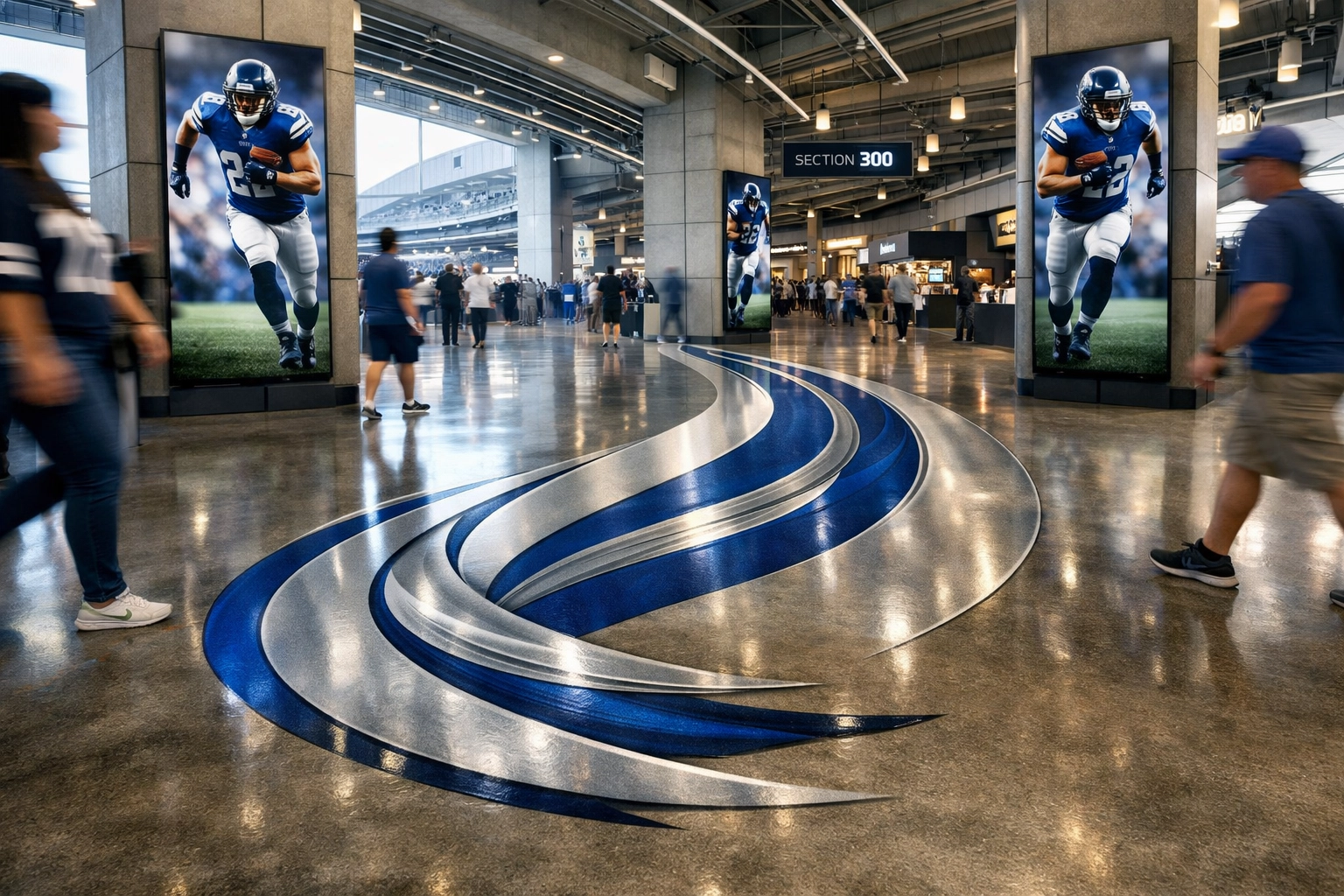
Innovation should feel human. OOH Sports utilizes its 40 years of leadership to ensure that digital placements feel natural within the physical environment of the stadium. Whether it is a billboard or a floor decal, the aesthetic must complement the fan experience. For more on how digital screens are evolving, check out the discussion on how 25,000 digital screens are changing sports marketing.
7. Losing Sight of ROI Amid Production Spectacle
Brands often spend so much on high profile directors and expensive effects that the actual marketing objective becomes obscured. A cluttered message wastes an $8 million production budget if it doesn't drive action.
Clarity on the marketing objective must be maintained throughout the production process. Spectacle should serve the core message, not overshadow it. Measurement is key to proving success. Many planners are shifting budgets toward platforms that offer better tracking and real time adjustments. Learn more about how 67% of media planners are shifting budgets by 2026.
The OOH Sports 40 Year Solution: Venue-Wide Dominance
To avoid these mistakes, OOH Sports leverages 40 years of innovation to provide venue wide coverage. This approach ensures that a brand's message is seen everywhere, from the stadium floors to the largest digital billboards in the city. By combining traditional out of home methods with modern programmatic technology, the gaps in branding are closed.
https://www.youtube.com/watch?v=l6J-0zileKE
Strategy: Omnichannel Stadium Integration
The objective of a successful Super Bowl campaign is to achieve 360 degree visibility. This is not limited to the television screen. The strategy involves:
- Floor Graphics: Utilizing high traffic areas within the stadium to catch the eyes of fans as they move through the venue.
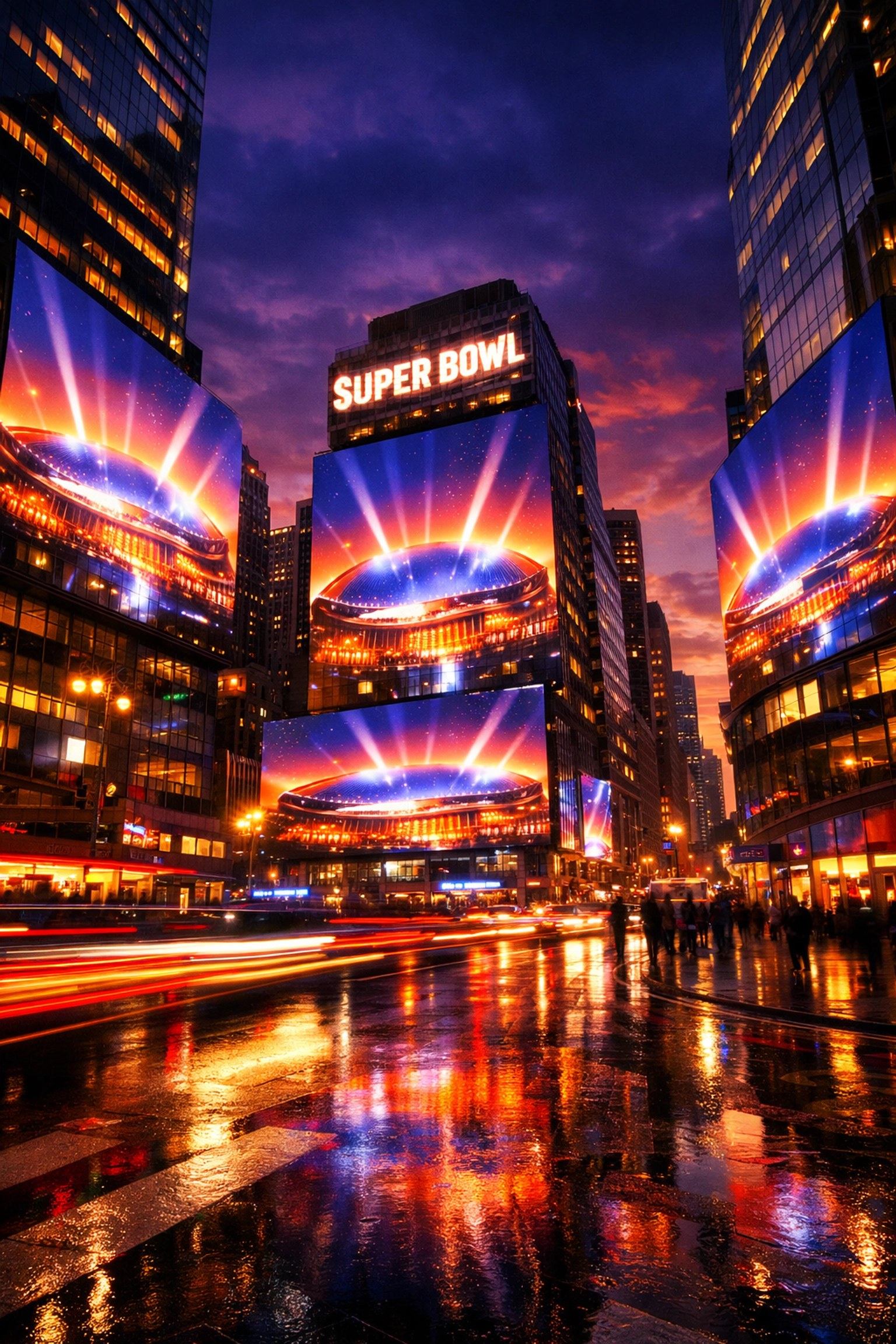
- Digital Billboards: Large scale displays that dominate the skyline and the stadium perimeter.
- Programmatic Targeting: Using real time data to adjust messaging based on game events or fan demographics. This fixes many of the errors related to generic messaging. For more details, see how stadium perimeter targeting fixes common DOOH mistakes.
Objective and Strategy
The primary goal is to move past the 30 second spot and create a lasting impression. OOH Sports focuses on the entire fan journey. By placing branding on the floors, walls, and screens, the message becomes part of the environment. This reduces the need for the quirky or unsettling gimmicks that often fail on TV.
Technology Partners
Collaboration with leading demand side platforms (DSPs) allows for seamless execution of these campaigns. By using advanced analytics, the impact of every screen is measured. This data driven approach ensures that the budget is spent on high impact areas rather than just spectacle.
Results and Impact
The results of venue wide coverage speak for themselves. Campaigns that utilize a mix of floor graphics and digital billboards see a significant lift in brand recall.
- Engagement: Fan engagement often increases by over 90% when geographically targeted strategies are used.
- Purchase Consideration: Brands have seen lifts in purchase consideration as high as 144% through coordinated DOOH efforts.
- Efficiency: Programmatic adjustments allow brands to pivot in under 24 hours, ensuring the message stays relevant to the game's outcome.
Conclusion
Super Bowl branding is a high stakes game where mistakes are magnified. By avoiding the pitfalls of AI gimmicks, misaligned creative, and excessive placement, brands can connect more effectively with fans. With 40 years of leadership, OOH Sports provides the tools and the venue wide coverage needed to turn a single moment into a lasting brand legacy. From the floors of the stadium to the digital billboards above, the right strategy makes all the difference.
For more information on how to optimize your sports marketing spend, explore the OOH Sports sitemap or visit the main website.