
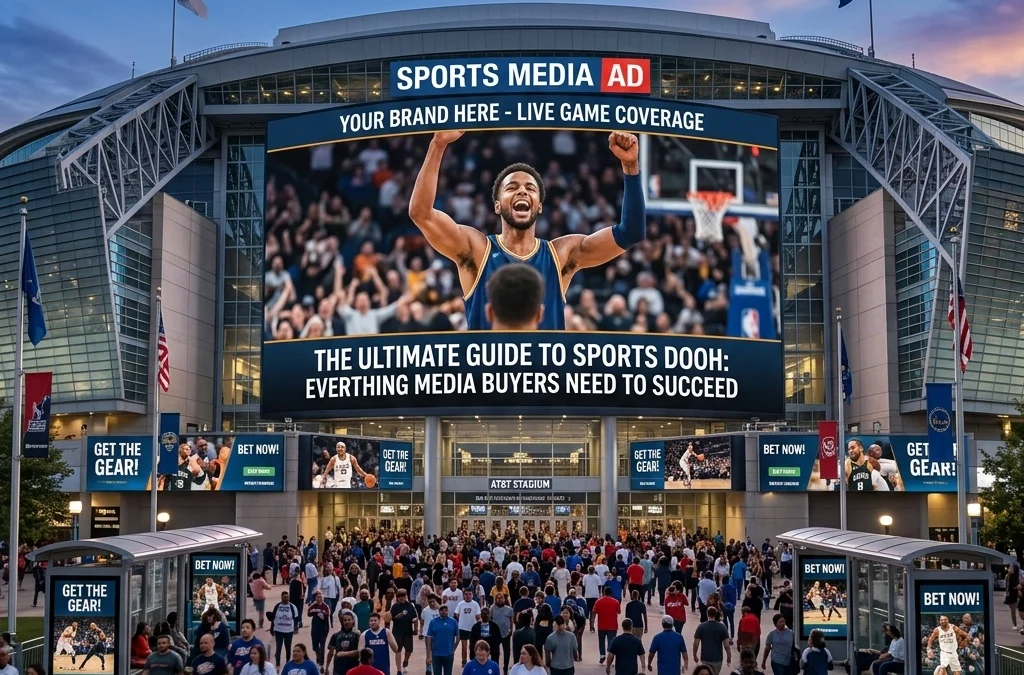
Sports marketing is undergoing a massive shift. While traditional television spots during live games remain a staple, the rising costs and fragmenting audiences are pushing media buyers to look for more efficient ways to reach fans. Digital Out-of-Home (DOOH) advertising has emerged as a powerhouse in this space. It offers the ability to reach fans where they live, play, and celebrate, often at a fraction of the cost of a national TV buy.
This guide explores the mechanics of sports DOOH, the strategic locations that drive results, and the technical innovations that allow brands to measure every dollar spent.
The Evolution of the Fan Experience
The modern sports fan does not just sit on a couch. They are mobile. They are in the stadium, at the sports bar, traveling through airports, and shopping for gear. This behavioral pattern creates multiple touchpoints for advertisers. Traditional stadium sponsorships, while prestigious, often come with price tags exceeding $2 million. For many brands, this is a barrier to entry.
Digital Out-of-Home provides a scalable alternative. By using a network of digital screens, brands can surround the sporting event without needing to be an official "anchor" sponsor. This approach allows for hyper-local targeting and real-time messaging that static billboards simply cannot match. Industry projections suggest that DOOH sports advertising will hit $50 billion by 2030, reflecting a massive shift in how media planners allocate their budgets.
Key Locations for Maximum Impact
Success in sports DOOH depends on being where the energy is. Media buyers should focus on high-traffic environments where fans congregate before, during, and after the game.
Stadiums and Arenas
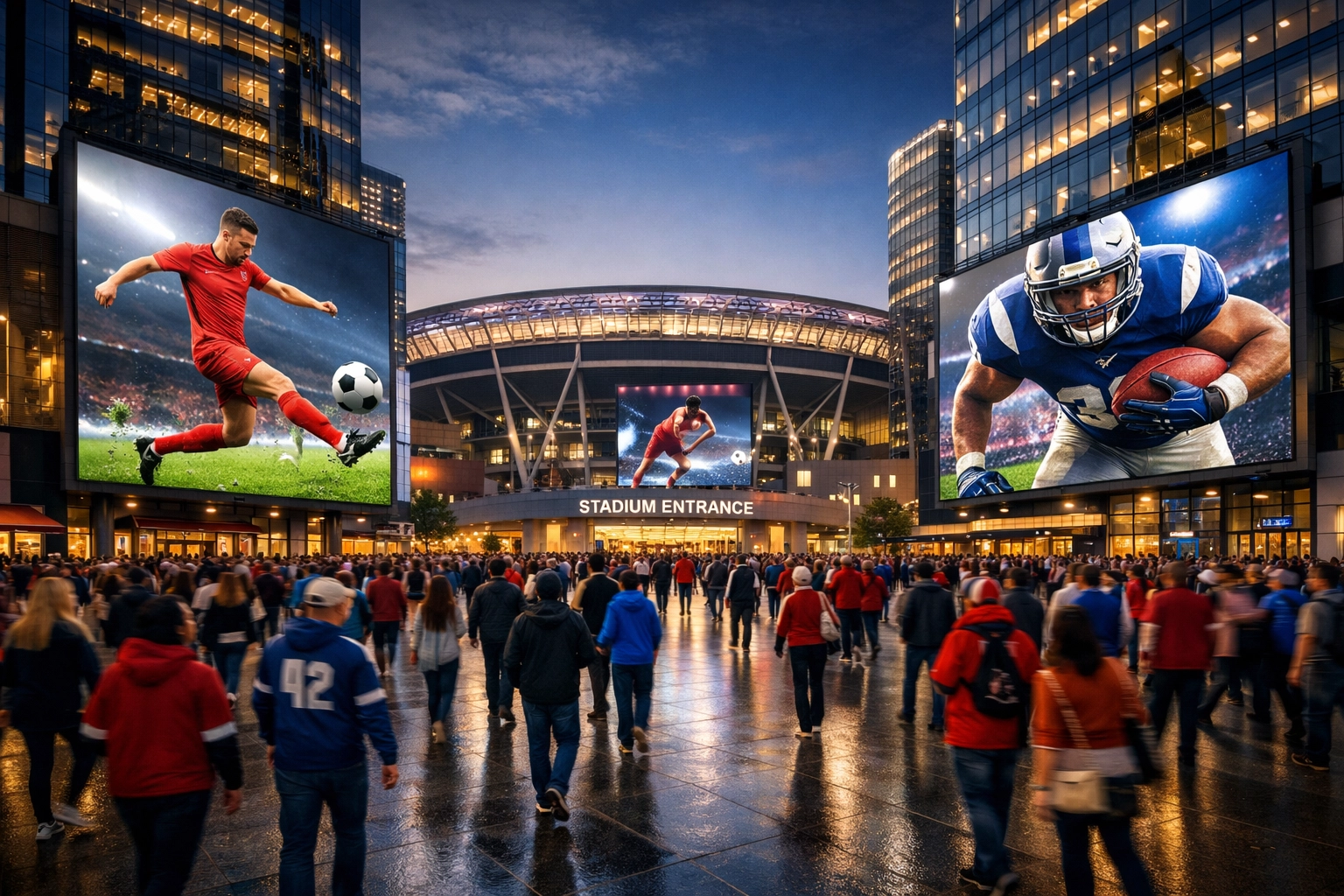
Fans arrive early and stay late. Digital screens in elevators, concourses, and near entry gates capture an audience that is already in a heightened emotional state. Networks like Vertical Impression provide access to screens inside major venues, while urban panels positioned just outside the stadium gates reach fans as they arrive. This proximity ensures the brand is top-of-mind the moment the game starts.
Sports Bars and Restaurants
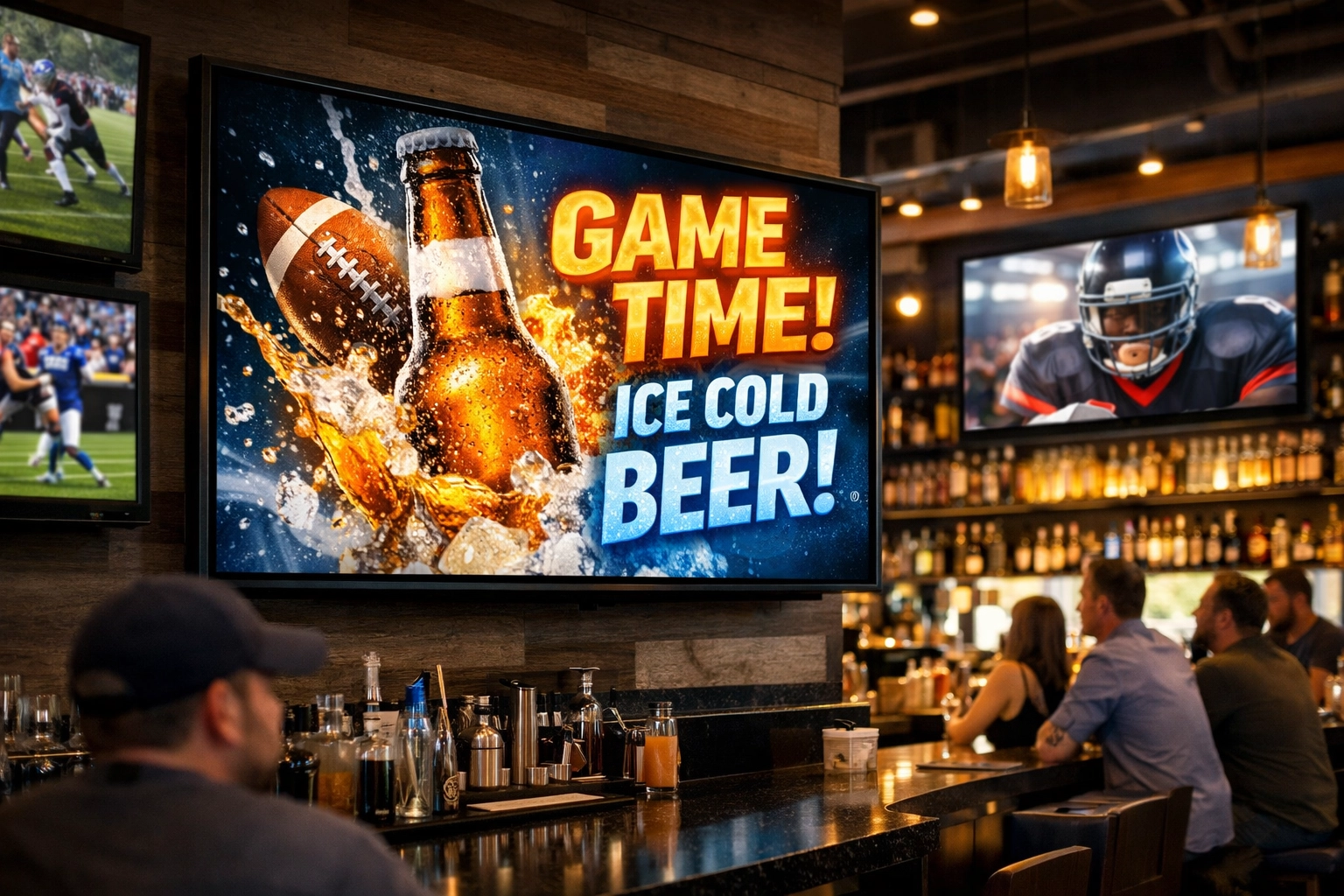
The "second screen" experience is not just about mobile phones. It is about the environment. Over 59,000 digital screens are available across independent bars and major chains like Buffalo Wild Wings. These locations are prime for brands in the beverage, snack, and sports betting categories. When a fan sees an ad for a specific beverage while they are already in a purchasing mindset, the conversion path is significantly shortened.
For instance, AB InBev’s Mike’s Hard Iced Tea saw a 119% lift in positive brand image by using programmatic DOOH to reach consumers in relevant social settings.
Transit and Travel Hubs
Major sporting events draw fans from across the country. Airports and train stations become temporary fan zones. Digital billboards and urban panels in these hubs allow brands to greet fans the moment they land. This is particularly effective for apparel brands and local tourism boards looking to capitalize on the influx of visitors.
Strategic Targeting Techniques
The real power of DOOH lies in its technical capabilities. Media buyers are no longer buying "space" but rather "audiences."
Geofencing and Proximity
By placing digital ads near specific arenas or training facilities, brands can ensure they are reaching a highly relevant demographic. This is often referred to as perimeter targeting. Instead of paying for a massive stadium naming rights deal, a brand can dominate the digital screens within a five-block radius of the venue. This strategy was famously used when Nike reached fans during the NYC Marathon without being an official sponsor, creating a dominant presence through strategic OOH placements.
Dynamic Creative Triggers
One of the most exciting aspects of DOOH is the ability to change creative content in real-time based on external data.
- Live Scores: Screens can update automatically to show the current score of a game.
- Weather Triggers: An apparel brand can switch from showing t-shirts to hoodies if the temperature at the stadium drops.
- Countdown Clocks: Building anticipation for a big kickoff or a championship game.
These dynamic elements ensure the content remains fresh and contextually relevant, which significantly boosts engagement rates.
Programmatic Efficiency
Programmatic DOOH (prDOOH) allows media buyers to purchase screen time using the same demand-side platforms (DSPs) they use for online ads. This automation makes it easy to scale a campaign across thousands of screens in multiple cities with a single click. It also provides the flexibility to pause or pivot a campaign based on performance or changing event schedules.
Measuring Success and ROI
The days of "spray and pray" advertising are over. Sports DOOH offers robust measurement tools that prove the effectiveness of a campaign.
Brand Lift and Awareness
Through mobile location data, advertisers can identify "exposed" audiences: those who were in the vicinity of a DOOH screen when an ad was playing. By comparing the behavior of this exposed group to a control group, brands can measure clear lifts in awareness and intent. Sea-Doo’s first digital OOH campaign resulted in a 144% increase in purchase consideration, proving that well-placed digital screens move the needle.
Retargeting Opportunities
When a fan’s mobile device ID is captured near a DOOH screen, that fan can be retargeted later on their mobile device or social media. This creates a multi-touchpoint journey. The fan sees a large-format digital billboard outside the stadium, and later that evening, they receive a targeted offer on their phone. This omnichannel approach reinforces the message and increases the likelihood of a sale. White Claw utilized this strategy for a vodka launch, driving a 74% lift in purchase consideration.
Cost Efficiency: DOOH vs. Traditional Sponsorships
For many brands, the question is not whether to advertise in sports, but how to do it without breaking the budget. Traditional stadium sponsorships often require multi-year commitments and massive upfront costs. In contrast, DOOH allows for flexibility. A brand can run a high-impact campaign for a single weekend or a specific tournament.
Smart brands are increasingly shifting budgets toward perimeter DOOH and smart scaling because it offers a similar reach for significantly less investment. This "lean" approach to sports marketing allows smaller and mid-sized brands to compete with industry giants on a level playing field.
Best Practices for Media Buyers
To succeed in the sports DOOH landscape, media buyers should follow a few core principles:
- Prioritize Context: Ensure the creative matches the environment. An ad in a sports bar should feel different than an ad in an airport terminal.
- Use Data to Inform Placement: Don't just guess where fans are. Use location data to identify the specific transit routes and retail hubs that over-index for sports fans.
- Keep Creative Simple: DOOH screens are often viewed in passing. The message should be clear, the branding should be bold, and the call to action should be immediate.
- Integrate with Mobile: Use DOOH as the "hook" and mobile as the "closer." The synergy between these two channels is where the highest ROI is found.
Looking Ahead
The integration of AI and real-time analytics is only going to make sports DOOH more powerful. As screens become more interactive and data feeds become more precise, the ability to deliver the right message to the right fan at the right moment will become the standard. For media buyers, the opportunity lies in embracing these digital tools to create memorable experiences that extend far beyond the final whistle.

By focusing on strategic placements, dynamic content, and measurable outcomes, brands can capture the excitement of the game and turn it into long-term customer loyalty. The sports marketing landscape is wide open, and DOOH is the key to winning the game.