

Fan engagement is the cornerstone of sports marketing. However, many brands struggle to move beyond simple brand awareness to create a meaningful connection with their audience. When a marketing strategy relies on outdated methods or fails to account for the way modern fans consume content, the results often fall short of expectations.
For Creative Directors and CMOs, the challenge is to break through the noise of a crowded stadium and a distracted digital landscape. Perimeter Out-of-Home (OOH) advertising offers a sophisticated solution to the common pitfalls that hinder fan engagement. By integrating digital technology with the physical environment of the stadium, brands can achieve measurable impact.
The Disconnect in Modern Fan Engagement
Traditional sports marketing often relies on static placements and broad-reach tactics. While these methods may offer high visibility, they frequently lack the precision and interactivity required to drive action. Research indicates that many fan engagement strategies fail because they do not account for the emotional and contextual environment of a live sporting event.
1. Over-Reliance on Static Logo Placement
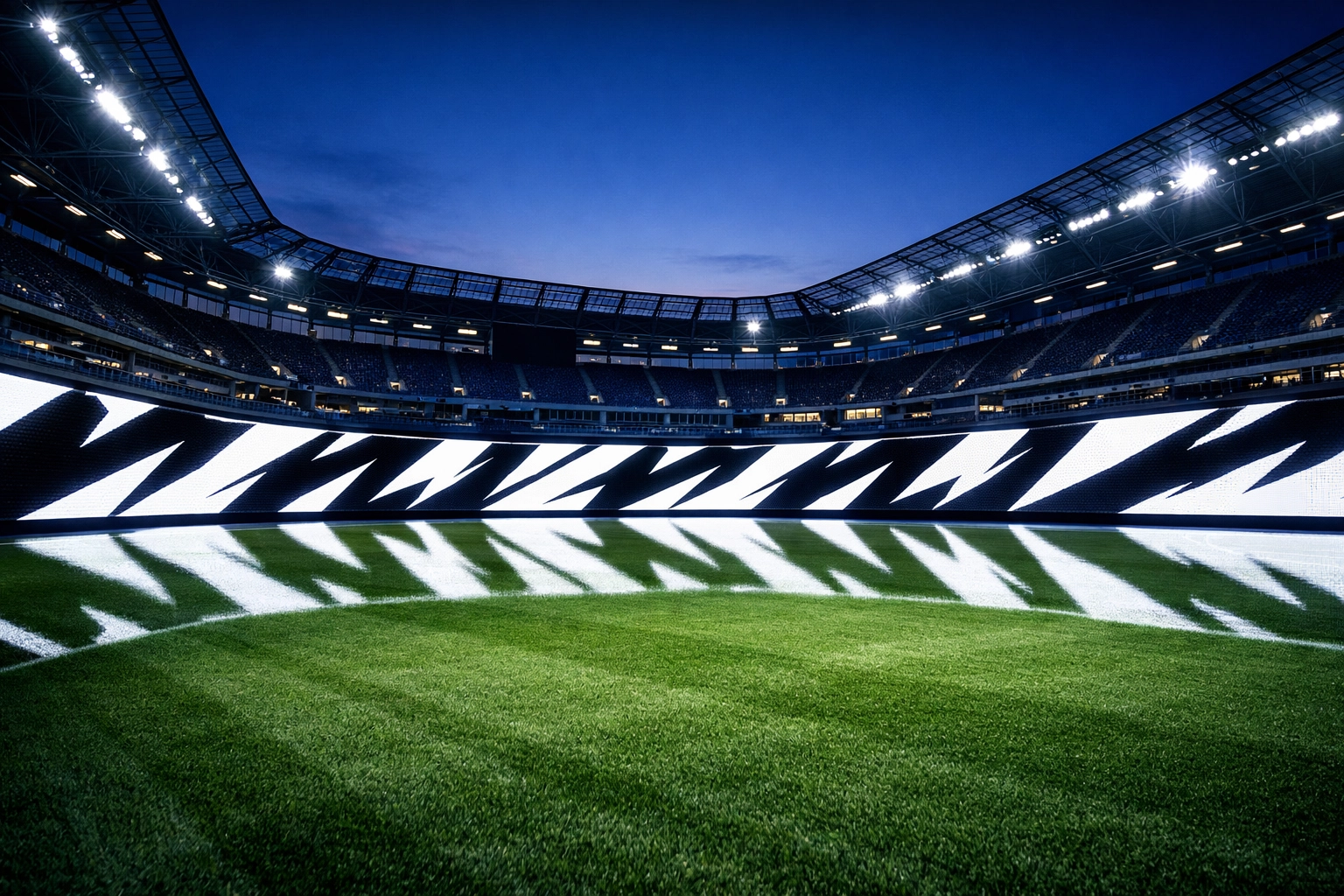
The most common mistake is treating a stadium as a giant billboard for a static logo. Fans are conditioned to ignore background noise. When a brand simply places a logo on a wall without any dynamic element or call to action, it becomes part of the scenery. Perimeter OOH fixes this by allowing for dynamic creative. Movement and color changes naturally draw the eye, ensuring the brand is noticed rather than overlooked.
2. Failure to Connect Data and Experience
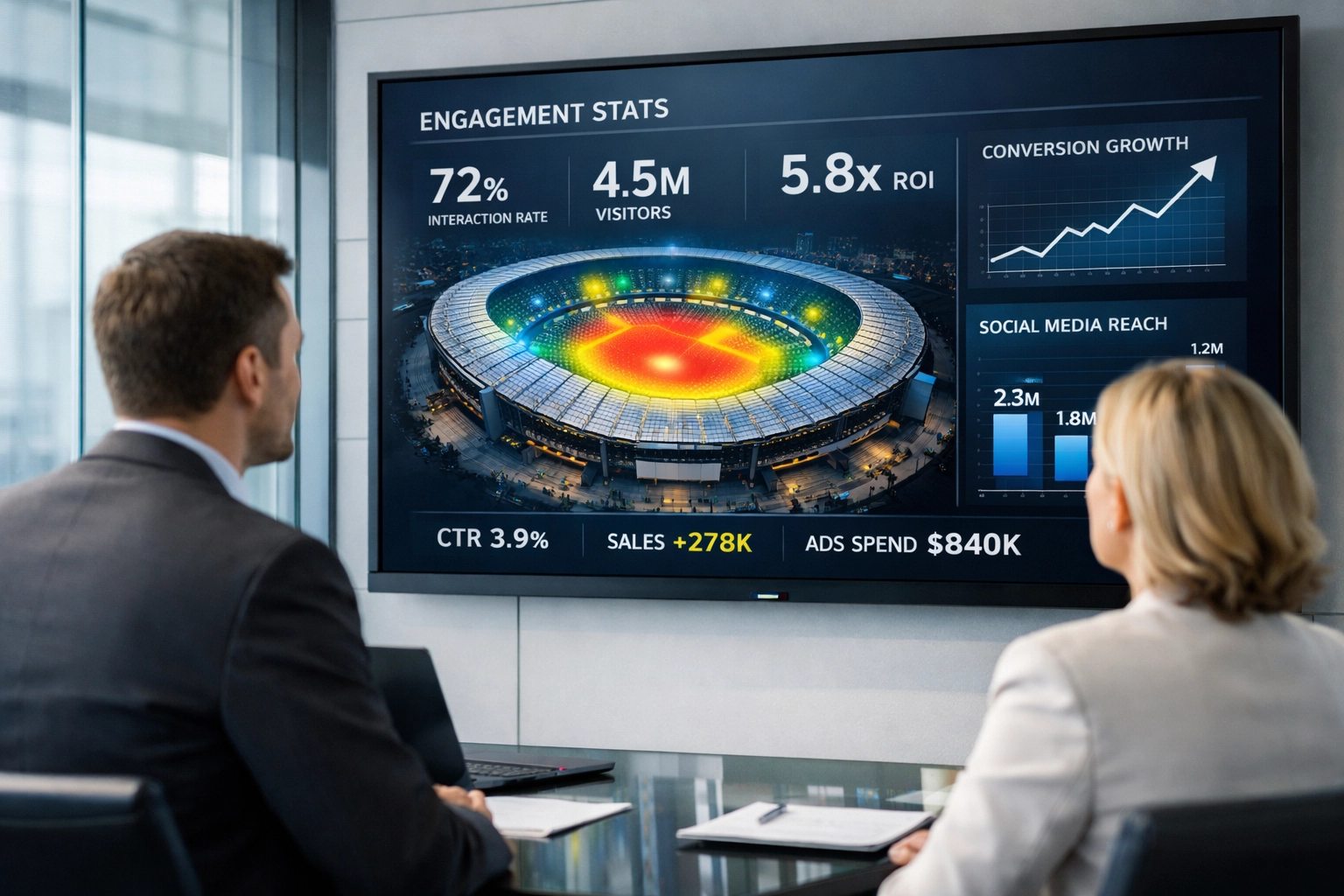
Many brands run campaigns without a clear way to measure how those campaigns influence fan behavior. Without data, it is impossible to understand which creative elements are working. Digital perimeter advertising platforms provide analytics that bridge the gap between physical exposure and digital action. This allows marketers to see a direct link between a stadium ad and a lift in brand sentiment or purchase consideration.
3. Treating Match Day as an Isolated Event
Engagement should not start and end with the whistle. A common failure is neglecting the fan journey before and after the game. Perimeter OOH can be synchronized with broader omnichannel campaigns, ensuring that the message fans see in the stadium reinforces the ads they see on their mobile devices or social media feeds. This creates a cohesive narrative that extends the life of the campaign.
4. Lack of Contextual Relevance
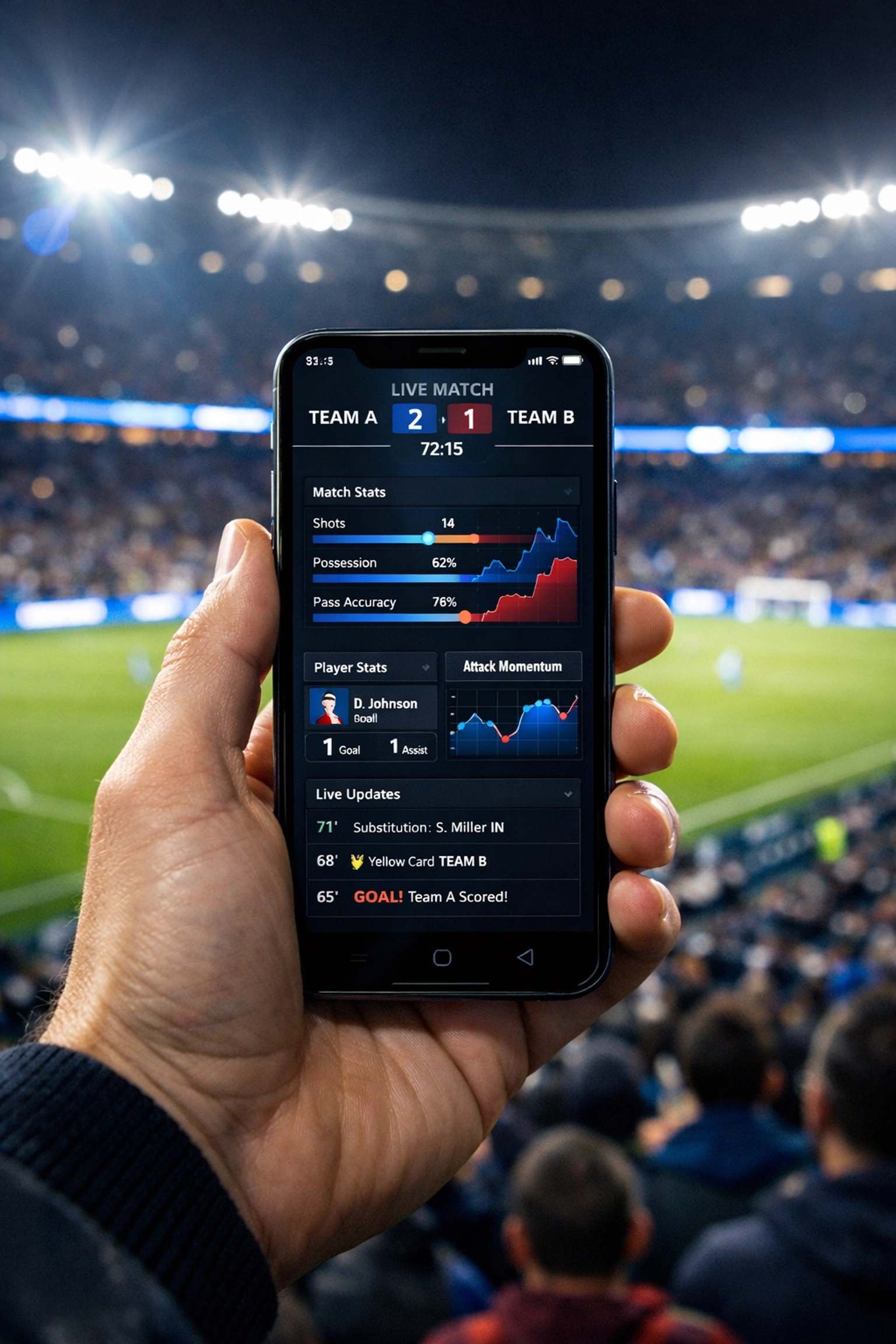
An ad for a cold beverage is more effective during a break in play on a hot afternoon than during a tense, high-stakes moment in the final minutes of a game. Many strategies fail because they deliver the same message regardless of the game state. Perimeter OOH allows for real-time adjustments. Brands can change their messaging based on scores, weather, or specific game events, making the advertisement feel like a part of the fan experience.
5. The "Wall of Noise" Problem
In a stadium filled with thousands of people and hundreds of advertisements, brands often get lost. The "wall of noise" makes it difficult for any single message to resonate. Targeted perimeter OOH uses high-resolution digital screens that stand out against traditional static boards. By using strategic timing and bold creative, brands can claim a larger share of the fan's attention.
6. Ignoring the Secondary Screen
Fans are constantly on their phones. A successful engagement strategy must account for the fact that fans are dual-screening. Perimeter OOH is highly "Instagrammable." When a brand creates a visually striking perimeter ad, it often ends up in the background of fan-generated photos and videos shared on social media. This provides organic reach that static boards rarely achieve.
7. High Costs and Low Entry Points
Historically, stadium advertising was reserved for brands with multi-million dollar budgets. This led to a lack of diversity in messaging and a predictable environment for fans. The shift toward programmatic digital out-of-home (DOOH) has lowered the barrier to entry. Brands can now buy specific triggers or time slots, making stadium advertising more accessible and varied. According to oohsports.com, smart brands are scaling with perimeter DOOH for significantly less than traditional sponsorships.
8. Static Content in a Dynamic Game
Sports are unpredictable and exciting. If the advertising is dull and repetitive, it creates a psychological mismatch. Perimeter OOH fixes this by allowing for storytelling through motion. Creative can evolve over the course of the game, keeping the audience engaged with new visuals and messages as the energy in the stadium shifts.
9. Poor Geographic Targeting
A national brand may have different goals in different regions. Running the same creative in every stadium ignores local nuances and fan preferences. Digital perimeter networks allow brands to customize their message based on the specific location of the game. This localization makes the brand feel more connected to the community.
10. Lack of Real-Time Measurement
Without real-time measurement, brands are flying blind. They cannot pivot if a campaign is underperforming. Modern AI-powered analytics fix this by providing immediate feedback on campaign success. This allows for the optimization of creative and placement in real-time, ensuring the highest possible ROI.

Strategy: Transitioning to Digital Perimeter OOH
To fix a failing fan engagement strategy, a shift in perspective is required. Marketers must move from a "broadcast" mindset to an "engagement" mindset. The strategy involves leveraging the unique advantages of perimeter digital screens to create a more immersive experience.
Objective & Strategy
The primary objective of using perimeter OOH is to capture high-intent attention in a high-emotion environment. The strategy should focus on three pillars:
- Visibility: Using high-brightness digital screens to ensure the message is clear from every angle in the stadium.
- Flexibility: Utilizing programmatic triggers to display ads during peak engagement moments, such as goal celebrations or halftime shows.
- Integration: Ensuring the OOH creative matches the look and feel of the brand's digital and social media presence.
By focusing on these pillars, brands can move away from the "logo slap" and toward a strategy that actually moves the needle on key performance indicators.
Technology Partners and Measurement
The success of a perimeter OOH campaign relies on the technology behind it. Digital platforms now allow for a level of precision that was previously impossible in outdoor advertising. By using programmatic DOOH, brands can automate the buying process and target specific demographics with surgical precision.
Measuring Success
The effectiveness of these campaigns is no longer a matter of guesswork. Several case studies demonstrate the power of this approach. For example, a programmatic DOOH campaign for White Claw saw a 74% lift in purchase consideration during a vodka launch. This data was captured through brand lift studies that compared exposed audiences to a control group. More details on this can be found at oohsports.com.
Similarly, AB InBev used programmatic DOOH for Mike’s Hard Iced Tea and observed a 119% lift in positive brand image. These results highlight the ability of digital OOH to not only drive awareness but also change how fans perceive a brand. Information on the AB InBev campaign is available at oohsports.com.
Results: The Impact of Stadium Perimeter Targeting
When executed correctly, perimeter OOH delivers results that far exceed traditional methods. The impact is seen across multiple metrics, including brand recall, purchase intent, and digital engagement.
Quantifiable Gains
- Purchase Consideration: Campaigns like the Sea-Doo digital OOH initiative have shown purchase consideration increases of up to 144%. This demonstrates that fans are not just looking at the ads, they are considering the products in their daily lives. Read more at oohsports.com.
- Brand Sentiment: The dynamic nature of perimeter ads allows brands to align themselves with the positive energy of the game, leading to significant boosts in brand favorability.
- Reach and Frequency: Because perimeter ads are visible throughout the game and during television broadcasts, the frequency of exposure is exceptionally high, which is a key driver of long-term brand memory.
Conclusion: A New Standard for Sports Marketing
The reasons why fan engagement strategies fail are often rooted in a lack of innovation and a failure to adapt to new technology. Perimeter OOH advertising offers a way for brands to regain their relevance in the stadium. By moving away from static, unmeasured placements and embracing the dynamic, data-driven world of digital OOH, brands can create lasting connections with fans.
For CMOs and Creative Directors, the path forward is clear. It involves a commitment to high-quality creative, real-time data integration, and a willingness to meet fans where they are, in the heat of the action. OOH Sports provides the platform and the expertise to transform these challenges into a competitive advantage. Explore more strategies and insights at oohsports.com.