
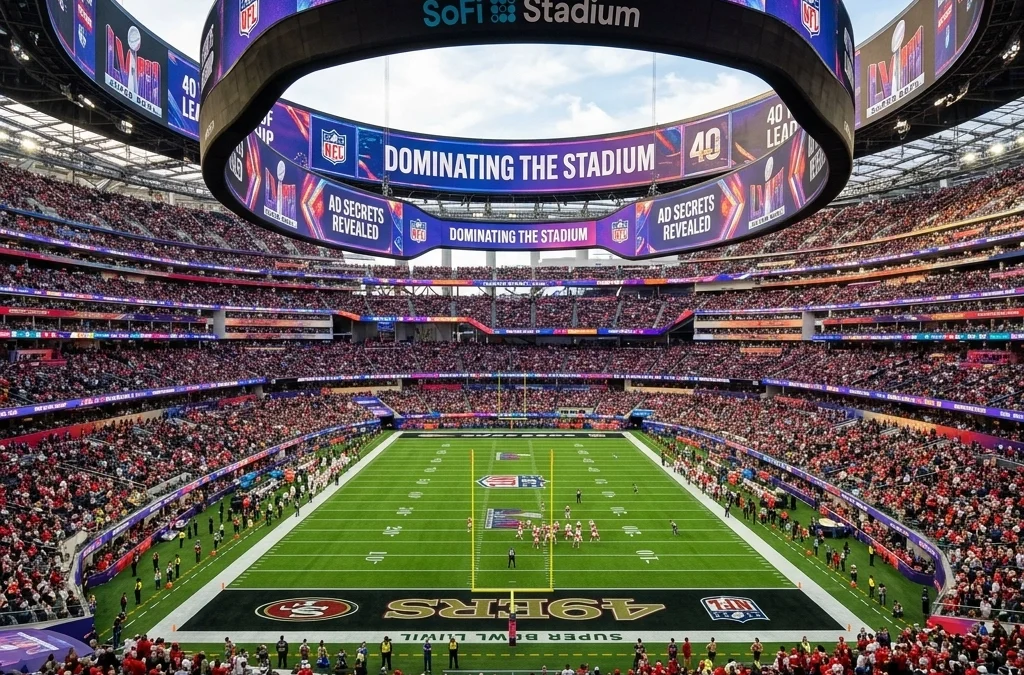
The Super Bowl represents the apex of the advertising calendar. In 2026, the stakes for capturing fan attention have reached an all-time high, with brands competing for every fraction of a second of engagement. While television commercials often garner the most headlines, the true battle for brand dominance happens on the ground, within the stadium, and across the host city. OOH Sports has spent four decades refining the science of venue-wide advertising, transforming stadiums into immersive brand ecosystems.
The strategy behind dominating the Big Game involves more than just buying a billboard. It requires an understanding of crowd flow, psychological triggers, and the seamless integration of digital and physical assets. By analyzing forty years of leadership in the sports marketing space, advertisers can uncover the secrets to controlling every square inch of the venue.
The Evolution of Venue-Wide Dominance
Forty years ago, stadium advertising was limited to static wooden boards and basic scoreboard mentions. Today, the landscape is unrecognizable. The transition from physical signage to programmatic digital out-of-home (DOOH) has allowed brands to stay agile, updating creative content in real time based on the game's progress.
Leadership in this sector is defined by the ability to anticipate how fans interact with their environment. OOH Sports has monitored these shifts since the mid-1980s, moving from simple logo placement to complex, data-driven campaigns that cover floors, walls, ceilings, and every digital screen in between. This long-term perspective provides a unique advantage in understanding which placements deliver actual ROI and which are merely decorative.

Objective and Strategy: The 360 Degree Approach
The primary objective for any brand during the Super Bowl is to achieve total mindshare. To accomplish this, the strategy must move beyond the "one and done" mentality of a single TV spot. The goal is to create a 360-degree loop where the fan sees the brand at every touchpoint of their journey.
Strategic Entry Points
The campaign begins long before the fan reaches their seat. It starts at the airport, continues through transit hubs, and intensifies as they approach the stadium perimeter. By leveraging geographically targeted DOOH, brands can boost fan engagement by significant margins. In 2025, campaigns using these real-time strategies saw engagement increases of up to 90 percent.
Internal Saturation
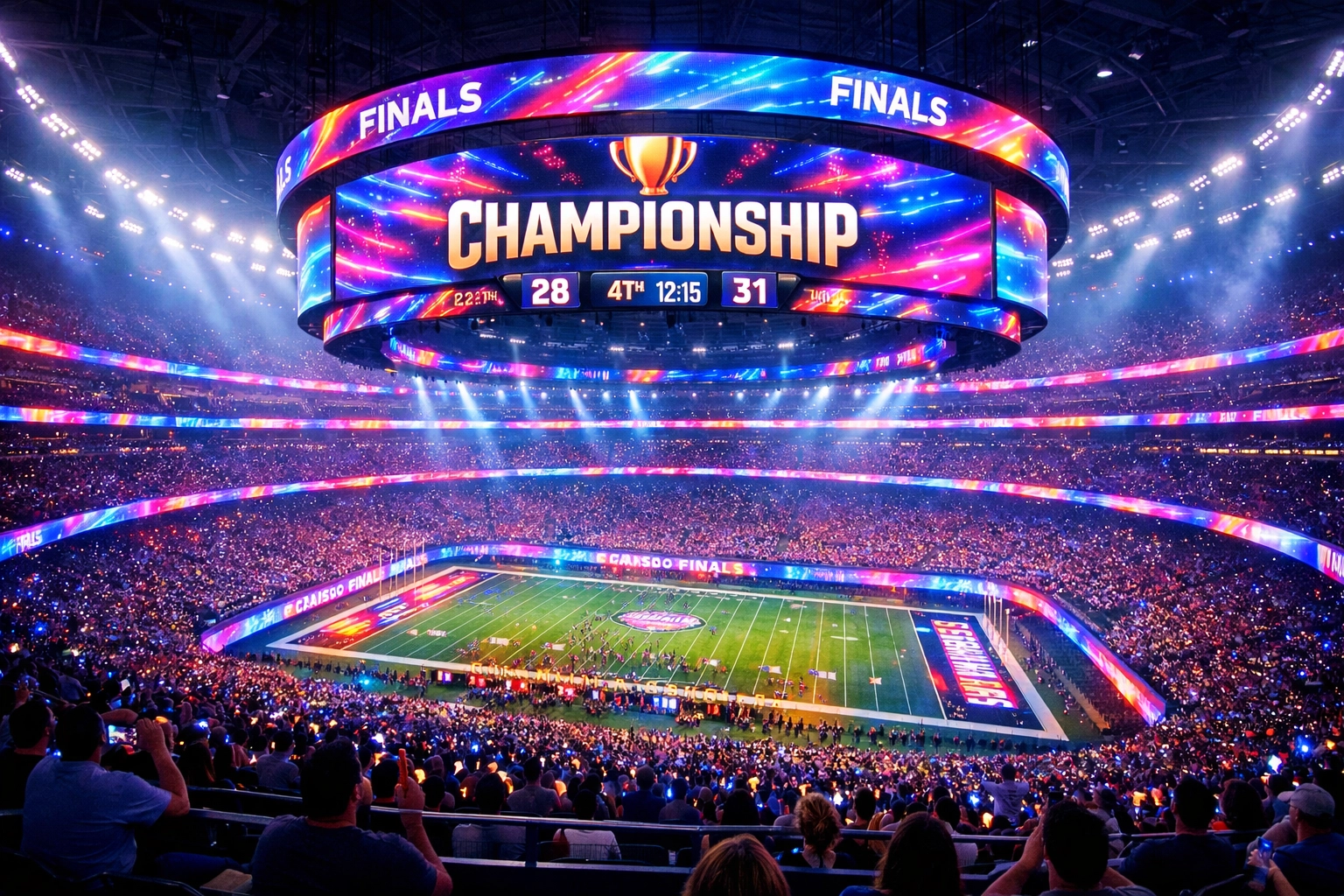
Inside the venue, the strategy shifts to saturation. This involves a mix of high-impact digital displays and unexpected physical placements. The leadership team at OOH Sports identifies high-traffic zones, such as concession lines and restrooms, to place advertisements where dwell time is highest.
A critical component of this strategy is the move away from traditional, multi-million dollar exclusive sponsorships that often lock brands into rigid, low-flexibility contracts. Many smart brands are now choosing to scale with perimeter DOOH for 80 percent less than the cost of official stadium sponsorships. This allows for broader coverage across multiple venues and digital touchpoints. More details on this shift can be found in the analysis of why traditional stadium sponsorships are evolving.
Tactical Execution: From Floors to Billboards
To dominate every square inch, the execution must be meticulous. The logistics of a Super Bowl campaign involve hundreds of individual assets.
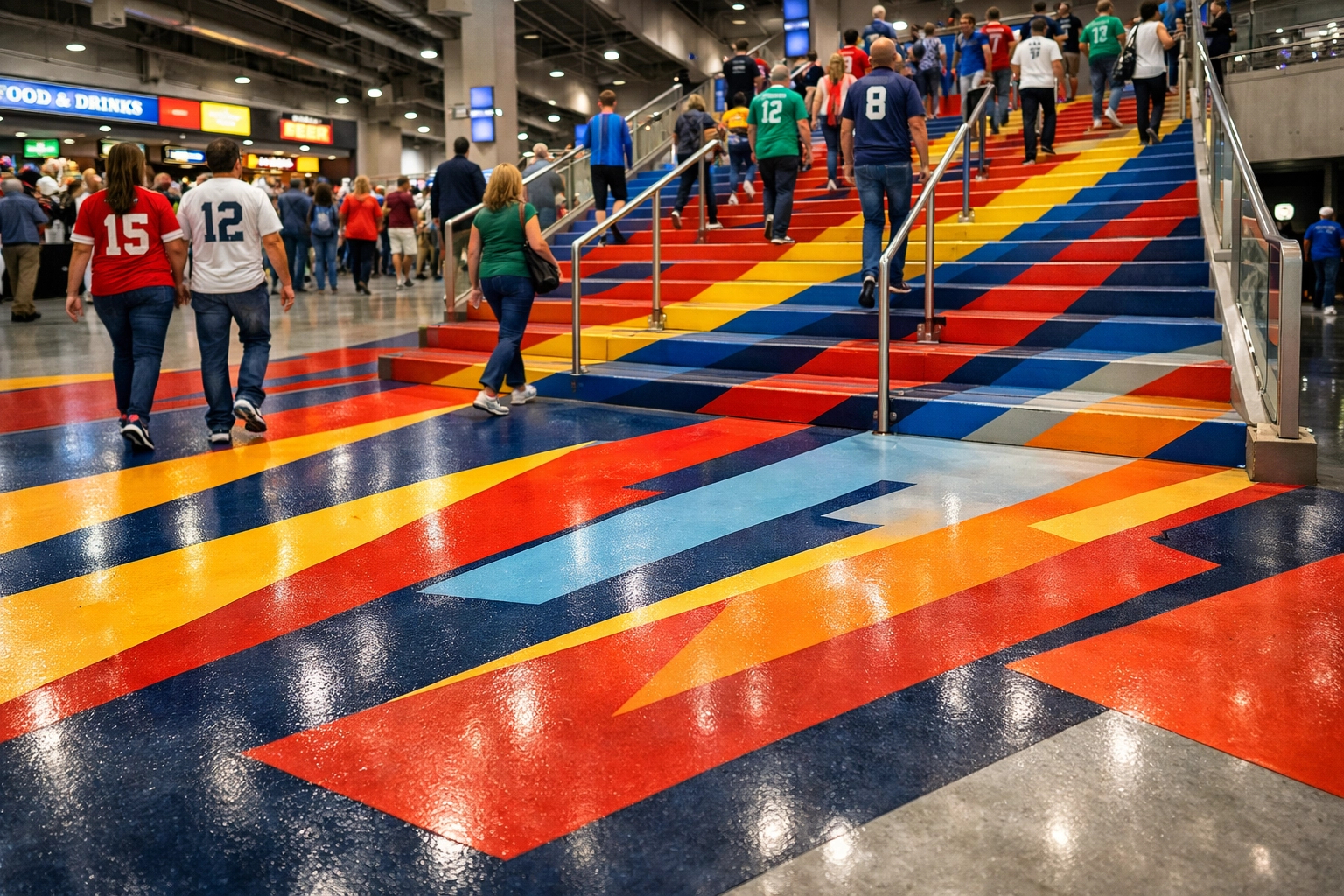
- Floor Graphics and Stair Wraps: These utilize high-durability vinyl to turn high-traffic walkways into branding opportunities. Fans looking down while navigating crowds are met with bold, clear messaging.
- Digital Perimeter Boards: These offer the highest visibility during the broadcast. Programmatic technology allows these boards to change based on the score, the quarter, or even specific player actions.
- Concourse Takeovers: By synchronizing every screen in a concourse to show the same creative simultaneously, a brand can create a powerful "tunnel" effect that is impossible to ignore.
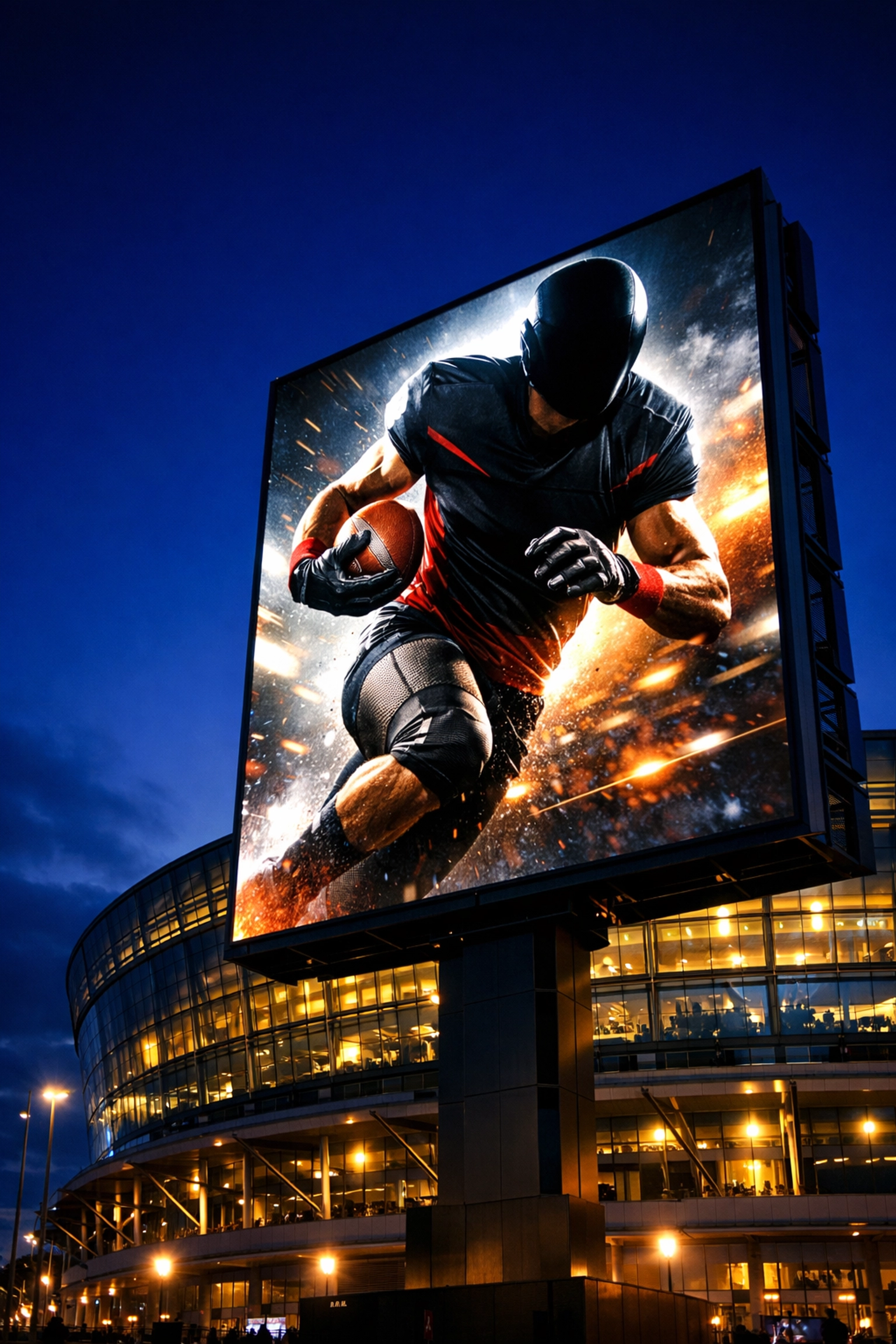
- Elevated Billboards: Large-format displays outside the stadium capture the attention of those arriving by car or foot, setting the tone for the event experience.
Technology Partners and Programmatic Integration
The backbone of modern venue dominance is technology. OOH Sports utilizes advanced Demand Side Platforms (DSPs) and Supply Side Platforms (SSPs) to manage inventory across thousands of screens. This programmatic approach ensures that the right message reaches the right fan at the optimal time.
The use of AI-powered analytics has replaced the guesswork that once plagued sports marketing. By analyzing device IDs exposed to specific advertisements, the leadership team can track the entire path to purchase. This methodology provides proof of success that was previously unattainable. For instance, brands can now see how many fans visited a retail location or downloaded an app after seeing a stadium ad.
To understand how these analytics function, consider the breakdown of AI-powered DOOH success metrics. This data-driven approach allows for the optimization of campaigns in the middle of the Super Bowl weekend, ensuring maximum efficiency of the advertising spend.
https://www.youtube.com/watch?v=l6J-0zileKE
Quantitative Results: Measuring the Impact
The success of a venue-wide campaign is measured through hard data. Recent years have shown that brands employing a comprehensive OOH strategy see a significant lift in both brand image and purchase intent.
Case Study: High-Impact Performance
Historical data from similar large-scale events highlights the effectiveness of this approach:
- White Claw: A programmatic DOOH campaign drove a 74 percent lift in purchase consideration during a high-profile launch. The campaign utilized strategic placements to reach consumers in social environments. More on this can be found in the White Claw campaign study.
- Mike’s Hard Iced Tea: By focusing on programmatic DOOH, the brand saw a 119 percent lift in positive brand image. This was achieved by aligning creative assets with the high-energy atmosphere of sports venues.
- Sea-Doo: Their first digital OOH campaign resulted in a 144 percent increase in purchase consideration. This proves that even for high-ticket items, OOH remains a dominant force.
Fan-Centric vs. Brand-Centric Creative
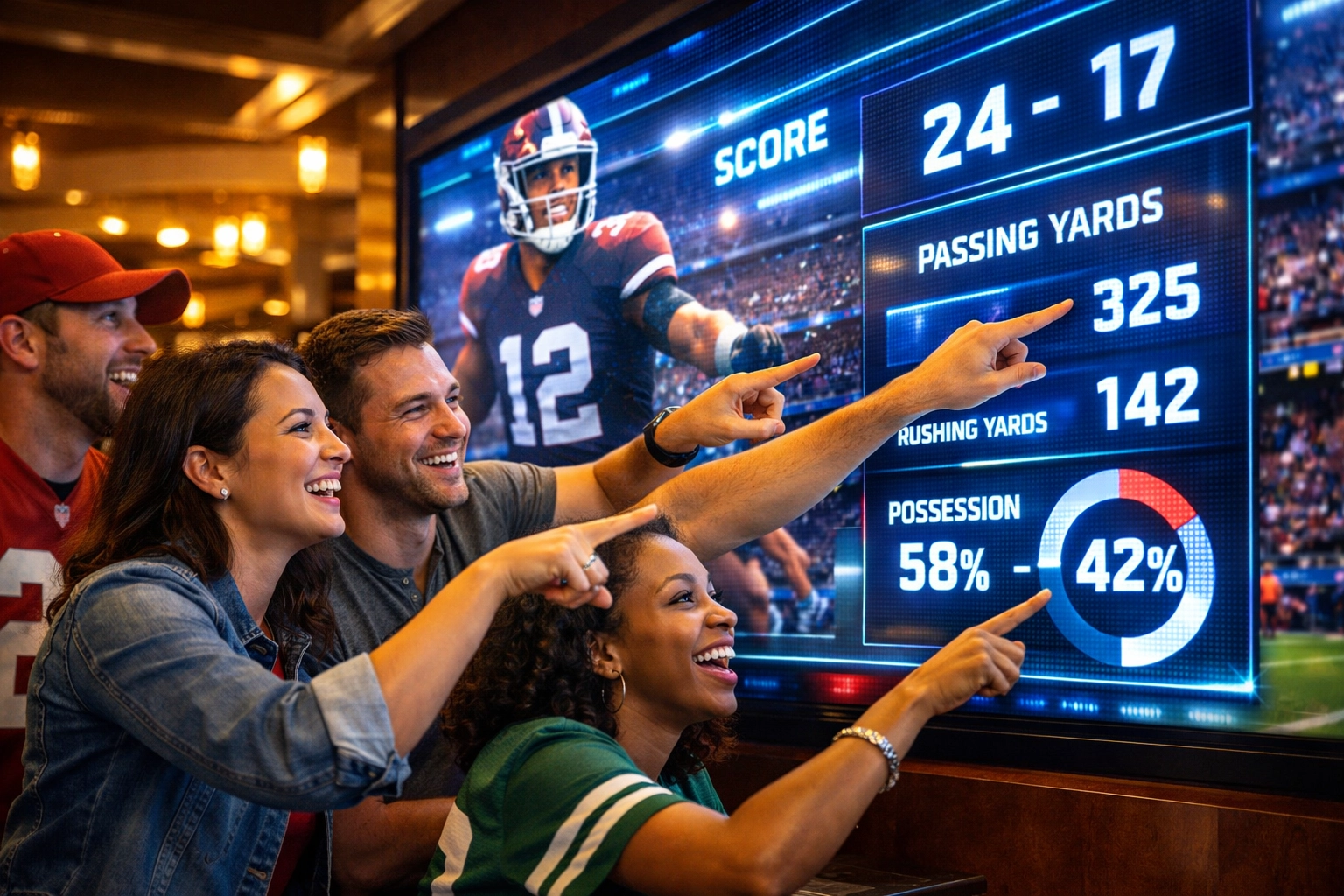
A key secret revealed over 40 years of leadership is the importance of the fan experience. Campaigns that focus solely on the brand often get tuned out. The most successful Super Bowl ads in 2026 are fan-centric. They provide value, such as real-time stats, wayfinding information, or interactive elements that enhance the game-day experience.
When an advertisement feels like a part of the event rather than an interruption, the psychological barrier to the message is lowered. This fan-centric approach is a cornerstone of the OOH Sports methodology, ensuring that the brand is viewed as a facilitator of the fan's passion.
The 2026 Outlook: A New Standard for OOH
As the Super Bowl in 2026 concludes, the data confirms that venue dominance is no longer optional for top-tier brands. The ability to control the environment from the floor to the highest billboard is what separates market leaders from participants.
The industry is currently experiencing a "gold rush" in sports DOOH. Reports indicate that 67 percent of media planners are shifting their budgets toward these digital stadium assets by the end of 2026. This shift is driven by the transparency of programmatic buying and the undeniable impact of physical presence in an increasingly digital world.
Strategic Choices for Future Campaigns
For advertisers looking to replicate this success, the path is clear. It requires a commitment to a multi-layered strategy that values technology as much as creative. By moving away from stagnant sponsorship models and embracing the flexibility of programmatic DOOH, brands can achieve a higher ROI and a more profound impact on their target audience.
The leadership of OOH Sports continues to pave the way, utilizing 40 years of experience to navigate the complexities of modern sports advertising. The secrets to Super Bowl success are no longer hidden. They are displayed on every square inch of the venue, powered by data, and executed with precision.