

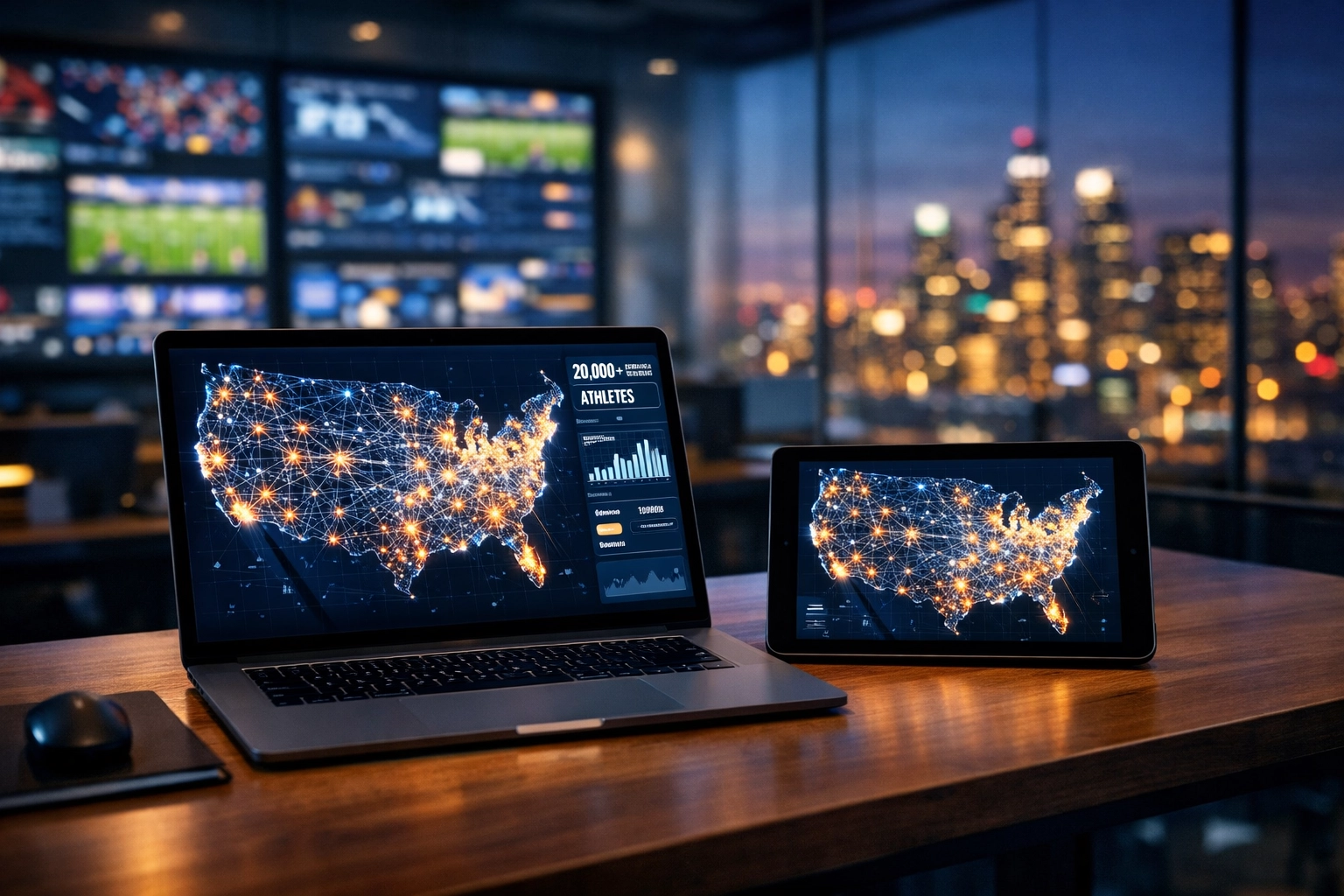
Super Bowl LX, held on February 8, 2026, represented a fundamental shift in how brands approach the most significant advertising window of the year. While the 30 second broadcast spot remains a cornerstone of traditional media, the 2026 season proved that Name, Image, and Likeness (NIL) campaigns deliver a level of sustained engagement that broadcast alone cannot replicate. Media buyers now have access to a network of over 20,000 student-athletes, offering a scalable way to reach younger demographics through authentic, trusted voices.
The data from the 2026 Super Bowl cycle indicates that NIL campaigns coordinated with athlete activations achieved 10 to 50 times greater engagement than traditional television advertising. This guide outlines the strategic framework required to harness the power of 20,000 athlete voices and the logistics of executing a high impact sports marketing campaign.
The Strategy: Moving Beyond the 30 Second Spot
Traditional Super Bowl advertising relies on a massive, singular moment of attention. In contrast, the 2026 NIL strategy utilized a distributed network of content creators who live within the target communities. Instead of one voice speaking to millions, 20,000 voices spoke directly to their specific, loyal followings.
The objective was to create a "surround sound" effect where a brand appeared across social feeds, campus events, and regional digital displays simultaneously. By leveraging student-athletes, media buyers tapped into the built-in trust these individuals have with Gen Z and Millennial audiences.
Three-Tier Athlete Architecture
Successful campaigns in 2026 did not rely on a single superstar. Instead, media planners utilized a three-tier architecture to ensure both broad reach and deep resonance.
Top-Tier Athletes (100,000+ Followers)
These athletes served as the campaign anchors. Their role was to provide high production value content that mirrored the quality of national television spots. They established the brand's presence at scale and provided the primary visual assets used in broader programmatic digital out-of-home (DOOH) campaigns.
Mid-Tier Athletes (10,000 to 100,000 Followers)
This group provided the necessary volume and geographic distribution. By selecting athletes from diverse regions and sports, brands ensured their message reached specific alumni networks and local fan bases. This tier was instrumental in driving mid-funnel metrics like brand consideration.
Micro-Athletes (Under 10,000 Followers)
The most significant shift in 2026 was the mass mobilization of micro-athletes. With over 20,000 athletes available, this tier provided hyper-local activation. Their content often felt like a peer to peer recommendation, which is a primary driver of purchase intent among younger consumers.
Campaign Execution and Logistics
Managing 20,000 athletes requires a sophisticated platform and a clear timeline. The 2026 cycle demonstrated that the most effective campaigns began planning at least 120 days before the game.
- 120 Days Prior: Define objectives and athlete selection criteria. This phase involves setting the budget for both NIL compensation and the supporting media spend, such as programmatic DOOH.
- 90 Days Prior: Execute recruitment and contract negotiations. Automated platforms allowed media buyers to send thousands of offers simultaneously, ensuring the roster was finalized before the competitive holiday window.
- 60 Days Prior: Content creation begins. Athletes receive brand guidelines but are encouraged to use their own voice to maintain authenticity.
- 30 Days Prior: Finalize testing and alignment with other media channels. This is when brands sync their NIL content with their stadium perimeter targeting and local ad buys.
The Three-Phase NIL Timeline
The Super Bowl is no longer a one-day event. To maximize ROI, media buyers structured their NIL activations across three distinct phases.
Phase 1: Pre-Game Hype (January 15 to February 7)
During this window, athletes focused on building anticipation. Content included behind the scenes looks at training, game day preparations, and "unboxing" brand products. This phase was critical for building retargeting pools that could be used during the game.
Phase 2: Game Week
This represented the peak of the activation. Athletes participated in real-time reactions and live commentary. For brands, this was the moment to trigger real-time sports betting DOOH campaigns or limited time offers.
Phase 3: Post-Game Momentum
The engagement did not stop when the clock hit zero. In the weeks following the Super Bowl, athletes shared recap content and sustained brand messaging, preventing the "post-game slump" common in traditional advertising.
Integrating NIL with Digital Out-of-Home (DOOH)
A key finding from 2026 was the synergy between NIL content and physical advertising. Brands that used athlete-generated content on digital billboards near campuses and stadiums saw significantly higher brand lift.
For example, a brand might use a micro-athlete's social media video and repurpose it for a geographically targeted DOOH campaign in that athlete's college town. This multi-channel approach ensures that the brand is visible where the audience lives, works, and plays.
https://www.youtube.com/watch?v=l6J-0zileKE
Content Guidelines and Authenticity
The primary challenge of managing 20,000 athletes is maintaining brand safety without stifling creativity. The most successful 2026 campaigns provided clear parameters rather than strict scripts. When athletes spoke in their own voice, the content felt less like an advertisement and more like a personal endorsement.
Media buyers focused on:
- Visual Consistency: Ensuring logos were used correctly.
- Key Messaging: Providing three core talking points for athletes to weave into their content.
- Creative Freedom: Allowing athletes to choose the setting and tone that best suited their personal brand.
Measurement and ROI
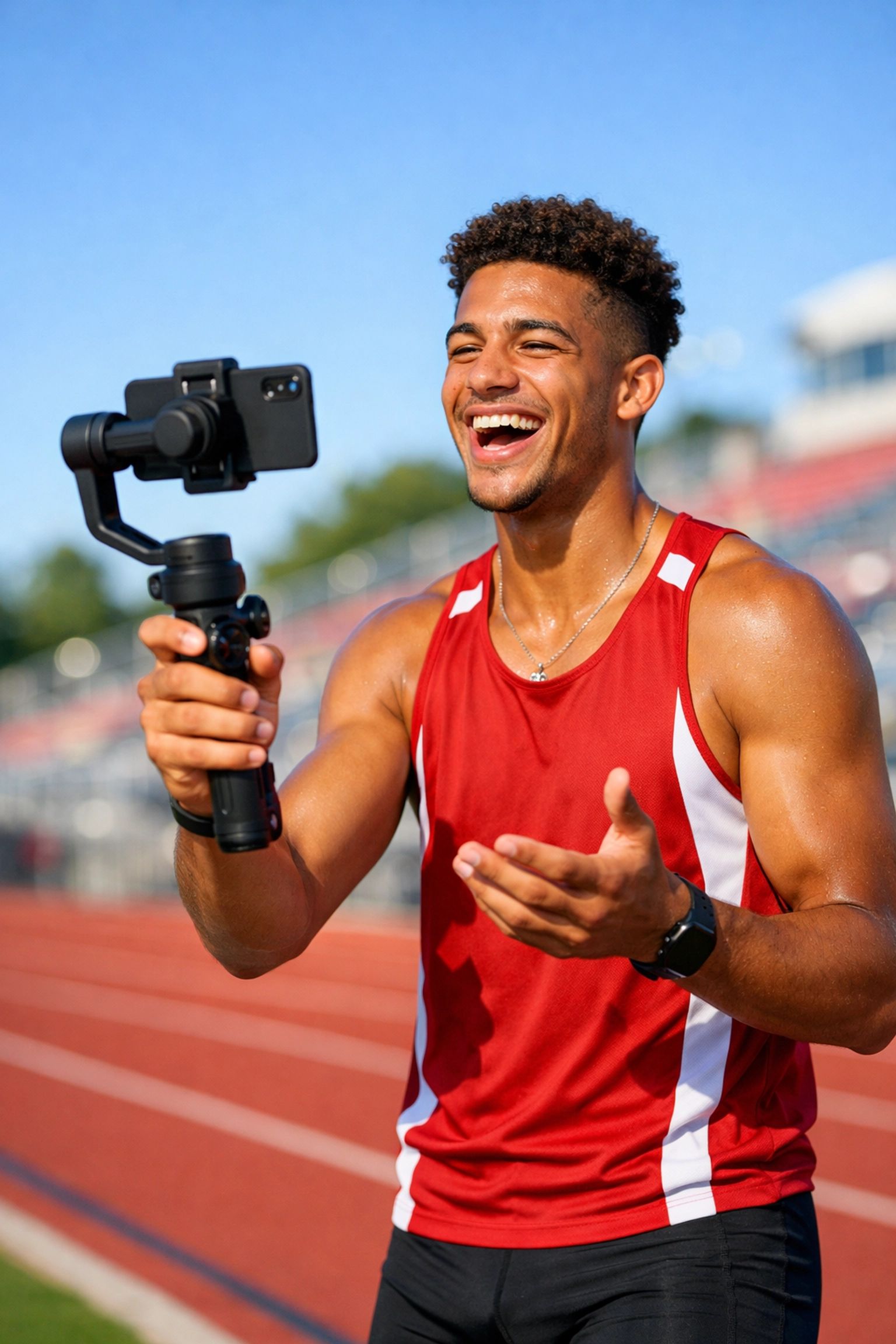
The shift toward NIL is driven by the ability to measure success with precision. Unlike traditional broadcast, which relies on estimated viewership, NIL campaigns provide granular data on engagement, sentiment, and conversion.
In 2026, brands utilized AI-powered analytics to track how NIL content influenced purchase behavior. Results showed that campaigns combining social amplification with programmatic DOOH drove a significant increase in purchase consideration. For instance, similar strategies used by brands like White Claw led to a 74% lift in purchase consideration during previous high profile launches.
Conclusion: The Future of Sports Media Buying
The 2026 Super Bowl established a new blueprint for sports marketing. By moving away from a reliance on a few celebrity faces and embracing a network of 20,000 authentic athlete voices, brands can achieve unprecedented scale and engagement.
The winning strategy for the next cycle involves integrating these voices into an omnichannel approach that includes both digital social platforms and AI-powered DOOH. As the sports advertising market continues to grow, the ability to coordinate thousands of individual voices into a single, cohesive brand message will be the defining skill of successful media buyers.
For more information on how to structure your next sports marketing campaign, view the OOH Sports sitemap for a full list of resources and case studies.