
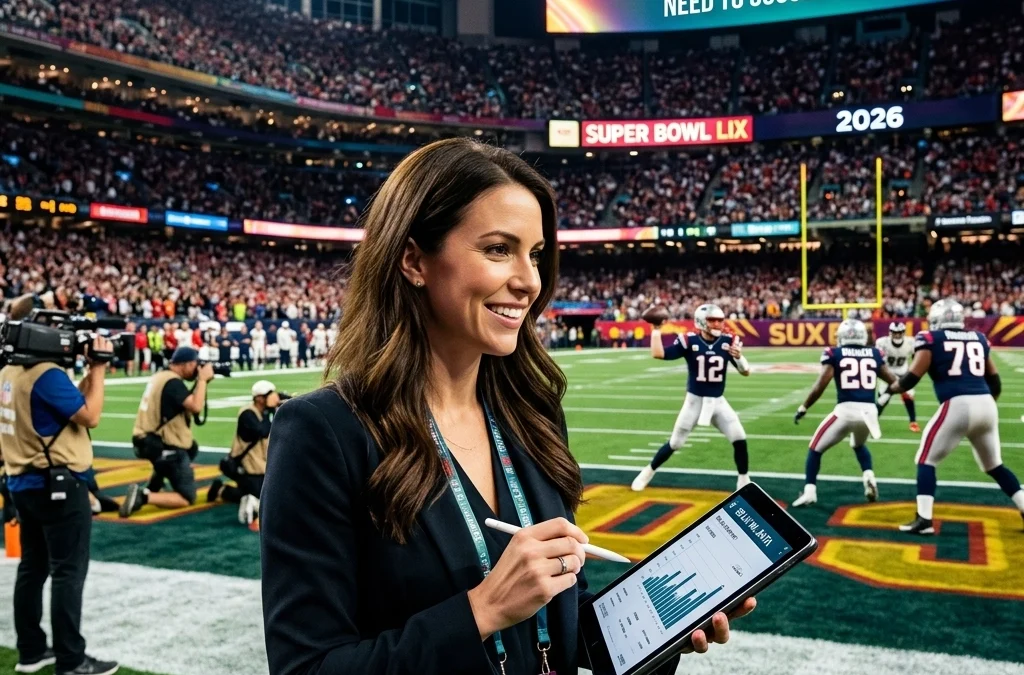
The landscape of sports advertising has shifted. While a 30-second television spot during the big game remains a massive investment, the real action is happening on the screens in the palms of viewers' hands. For media buyers in 2026, Name, Image, and Likeness (NIL) partnerships have moved from a "nice to have" to a central pillar of any successful Super Bowl campaign.
The traditional broadcast buy often comes with an $8 million price tag for just thirty seconds of airtime. When production and agency fees are added, the bill can easily climb to $50 million. In contrast, NIL platforms offer a way to saturate the market with authenticity and direct engagement at a fraction of the cost. The key to success in 2026 is leveraging the voices of over 20,000 student-athletes who hold the attention of Gen Z and Millennial audiences.
The Power of 20,000 Authentic Voices
Modern consumers can spot a forced endorsement from a mile away. Traditional celebrity cameos in Super Bowl ads often feel disconnected from the products they promote. Student-athletes offer something different: genuine influence within their local communities and among their dedicated social media followers.
OOH Sports provides access to a network of over 20,000 student-athletes. These individuals are not just influencers. They are relatable figures who share their daily lives, training sessions, and personal victories with their fans. When a media buyer activates a campaign across this many voices, the result is a massive, decentralized marketing machine. Instead of one message from one brand, the audience receives thousands of personalized messages that feel like recommendations from friends.

Strategy 1: Pre-Game Narrative Building
Successful Super Bowl NIL campaigns do not start on Sunday. They begin weeks in advance. Media buyers use this time to build a narrative. Student-athletes can create "get ready with me" content, share their game-day predictions, or showcase how a brand fits into their training routine leading up to the biggest sports weekend of the year.
This phase is about building trust. When an athlete consistently uses a product in the weeks before the game, the game-day promotion feels natural rather than disruptive. By the time the kickoff happens, the audience is already familiar with the brand association. This pre-game work sets the stage for high conversion rates when the "second screen" frenzy begins.
Strategy 2: Second-Screen Dominance on Game Day
Over 70 percent of Super Bowl viewers use a smartphone or tablet while watching the game. This behavior creates a massive opportunity for media buyers to capture attention during commercial breaks or during high-intensity game moments.
While the television screen features a high-budget commercial, the second screen can feature a student-athlete reacting to a play in real-time while wearing brand apparel or holding a product. This agility is something traditional television cannot match. If a viral moment occurs on the field, an NIL partner can post a reaction video within minutes, keeping the brand at the center of the cultural conversation.
https://www.youtube.com/watch?v=l6J-0zileKE
Integrating NIL with Digital Out of Home
NIL campaigns are most effective when they are part of an omnichannel strategy. Combining the digital reach of student-athletes with physical advertising creates a powerful reinforcement loop. For example, a campaign might feature an athlete on social media while simultaneously running programmatic digital out of home (DOOH) ads in high-traffic areas near the stadium or in the athlete's home city.
Previous data shows that this integrated approach works. A White Claw campaign saw a 74 percent lift in purchase consideration by utilizing programmatic DOOH. Similarly, brands like Mike’s Hard Iced Tea achieved a 119 percent lift in positive brand image using similar tactics. When media buyers sync NIL content with these physical touchpoints, the brand becomes unavoidable.

Strategy 3: Post-Game Saturation and Conversion
The marketing window does not close when the trophy is raised. In fact, some of the highest engagement occurs in the 48 hours following the game. This is the period for "recap" content, celebration posts, and direct-to-consumer offers.
Media buyers can provide student-athletes with unique promo codes or tracked links. This allows for precise measurement of ROI. Unlike a television ad where the impact is estimated through brand lift studies, NIL campaigns provide hard data on clicks, shares, and purchases. The post-game phase is where the "consideration" built in phases one and two is converted into actual sales.
Why 2026 is the Year of the Student-Athlete
The 2026 Super Bowl represents a tipping point. The technology for managing thousands of individual athlete contracts has matured, making it easier than ever for brands to scale their efforts. Media buyers no longer have to negotiate with 20,000 individuals one by one. Platforms like OOH Sports streamline the process, allowing for mass activation with a single campaign brief.
This scalability allows brands to target specific niches. A brand could choose to activate only female basketball players in the Midwest, or only walk-on football players who embody an underdog story. This level of granular targeting is impossible with a broad broadcast buy.
Technology and Logistics
Executing a campaign of this size requires a robust infrastructure. Media buyers must consider several logistical factors:
- Creative Assets: Providing athletes with flexible creative guidelines ensures they can maintain their personal voice while staying on brand.
- Compliance: Ensuring all content meets NIL regulations and NCAA guidelines is critical.
- Real-Time Analytics: Monitoring performance during the game allows buyers to shift focus to the athletes or platforms that are performing best.
- Attribution: Using device IDs and tracking pixels to see how many people who saw an athlete's post eventually visited a brand's website or made a purchase.

Lessons from Past Campaigns
Looking back at successful launches, like the Sea-Doo digital OOH campaign which saw a 144 percent increase in purchase consideration, it is clear that visibility is the first step. The second step is engagement. NIL provides the engagement that static or video ads sometimes lack. By putting the brand in the hands of a trusted figure, the message becomes a part of the viewer's social circle.
Even brands that are not official sponsors can dominate the conversation. For example, Nike's strategy during the NYC Marathon proved that a brand does not need an official title to be the most talked-about name at an event. They used a heavy presence in the city and social circles to own the moment. Media buyers can apply this same "ambush" logic to the Super Bowl by using a massive network of NIL athletes to create a "wall of sound" that rivals the official sponsors.
Measuring Success in the NIL Era
The metrics for Super Bowl success have evolved. While reach and frequency are still important, media buyers in 2026 are looking at:
- Engagement Rate: Are people commenting, sharing, and interacting with the athlete's content?
- Sentiment: Is the conversation around the brand positive and authentic?
- Direct Action: How many people used the athlete's specific link to visit the site or buy a product?
- Cost Per Engagement: How does the NIL spend compare to the cost of a traditional media buy on a per-interaction basis?

Final Thoughts for Media Buyers
The 2026 Super Bowl is an opportunity to break away from the traditional advertising mold. By focusing on a decentralized network of 20,000 student-athletes, brands can achieve a level of authenticity and engagement that a single television commercial cannot provide. The combination of pre-game storytelling, second-screen dominance on game day, and post-game conversion makes NIL the most versatile tool in a media buyer's arsenal.
For those looking to dive deeper into how sports and advertising intersect, the OOH Sports blog offers a wealth of case studies and strategy guides. Planning for the next big event starts today, and the brands that win will be the ones that listen to the authentic voices of the athletes their customers follow every day.
To learn more about how to get started with your next campaign, visit the OOH Sports contact page or explore our about section to see the full range of advertising solutions available.