
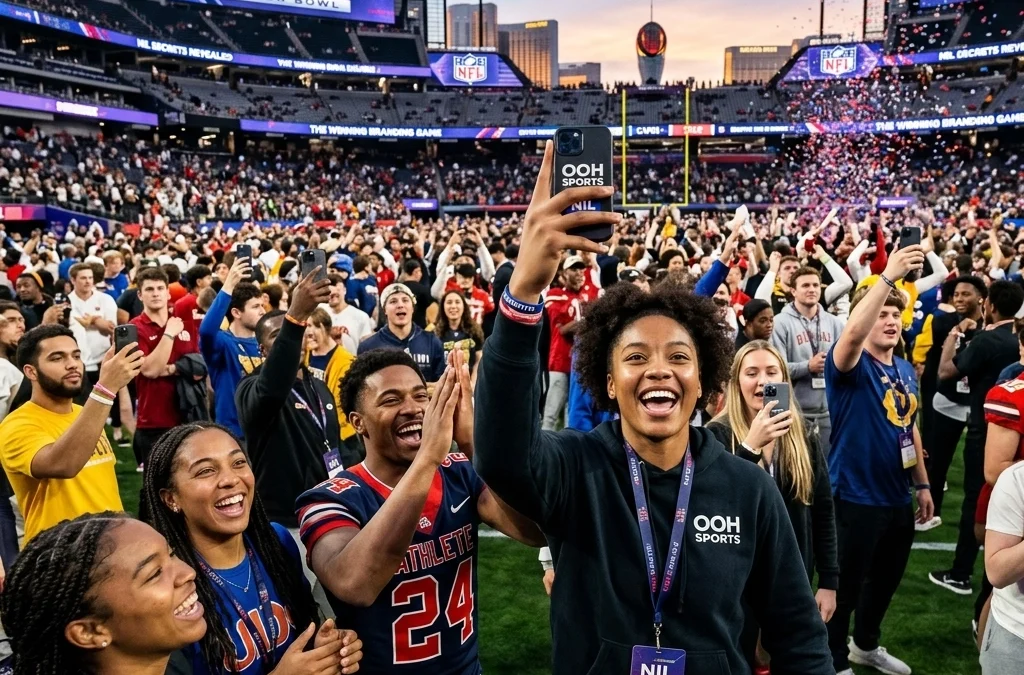
As the advertising landscape prepares for the 2026 Super Bowl, the traditional playbook is undergoing a significant transformation. For decades, the pinnacle of marketing success was a single 30-second television spot during the big game. However, a new strategy is emerging that prioritizes distributed influence over centralized broadcasting. The rise of Name, Image, and Likeness (NIL) has provided media buyers with a powerful alternative. Instead of relying on one celebrity or one high-priced commercial, brands are now leveraging the collective power of over 20,000 authentic student-athlete voices to win the branding game.
The shift is driven by a change in consumer behavior and a demand for genuine connection. While a $7 million television commercial offers massive reach, it often lacks the personalized engagement that modern audiences crave. By activating a massive roster of NIL athletes, brands can create a localized, relatable, and high-frequency presence that stays active long after the final whistle.
The Evolution of Super Bowl Advertising
The Super Bowl remains the most-watched television event in the United States, but the way viewers consume it has changed. A traditional commercial is a one-way communication. It is a brand speaking to an audience. In contrast, NIL marketing is a conversation. When 20,000 athletes share content related to a brand, it creates a ripple effect across social media platforms like TikTok, Instagram, and X.
This strategy moves away from the "all or nothing" approach of a single ad spot. Media buyers are recognizing that the same budget used for one television commercial can fund a massive, multi-channel campaign involving thousands of creators. These athletes are not just influencers. They are members of their communities with established trust and high engagement rates.

Scaling Authenticity: The 20,000 Athlete Benchmark
The true secret to success in the 2026 branding game is scale combined with authenticity. Reaching 20,000 athletes is no longer a logistical nightmare thanks to specialized NIL platforms. These platforms allow brands to manage thousands of relationships simultaneously, ensuring that messaging remains consistent while allowing for individual creative flair.
Authenticity is the most valuable currency in modern advertising. Gen Z and Millennial audiences are particularly adept at identifying and ignoring scripted, corporate content. A student-athlete showing how a product fits into their daily training routine feels real. It carries a level of social proof that a polished, high-production commercial cannot replicate. When 20,000 different athletes provide this proof, the brand becomes part of the cultural fabric of the game.
The Second Screen Dominance Strategy
One of the most compelling reasons to shift focus toward NIL is the second screen phenomenon. Statistics indicate that over 70 percent of Super Bowl viewers engage with a smartphone while the game is on. These viewers are checking scores, looking at social media, and participating in group chats.
While the television commercial might be playing in the background, the athlete-generated content is appearing directly in the viewer's hand. By timing NIL activations to coincide with key moments in the game, brands can dominate the digital conversation. This real-time engagement allows for a level of flexibility that traditional media lacks. If a specific player has a breakout performance, a brand with a large NIL roster can pivot and react within minutes.
https://www.youtube.com/watch?v=l6J-0zileKE
The Three Phase Campaign Architecture
Winning the Super Bowl branding game requires more than just a game-day push. Successful NIL strategies are structured into three distinct phases:
Phase 1: The Pre-Game Build
Starting in mid-January, brands can begin activating their NIL roster to build anticipation. Athletes can share behind-the-scenes content, training vlogs, and pre-game predictions. This phase establishes a connection with the audience early on. It creates a warm pool of consumers who are already familiar with the brand before the heavy competition of game day begins.
Phase 2: Game Day Activation
On the day of the Super Bowl, the 20,000 voices go live. This phase is about real-time interaction and taking over the second screen. Athletes can react to the halftime show, big plays, or even the commercials themselves. This coordinated effort creates a feeling of omnipresence. No matter where a consumer turns on social media, they see the brand represented by athletes they follow and trust.
Phase 3: Post-Game Saturation
The branding game does not end when the trophy is hoisted. The days following the Super Bowl are critical for capturing the emotional high of the event. Athletes can share recap content, "best of" reels, and offer exclusive discount codes to their followers. This phase extends the ROI of the campaign and helps transition game-day awareness into long-term customer loyalty.

Cost Efficiency and Measurable ROI
For media buyers, the economics of NIL are hard to ignore. A single Super Bowl spot is a massive financial risk. If the creative does not land or the game is a blowout, the investment may not deliver the expected return. In contrast, a distributed NIL campaign mitigates risk.
The cost per engagement for NIL athletes is significantly lower than traditional television. Furthermore, the longevity of the content is much greater. A television ad disappears after 30 seconds, but a social media post lives on, can be shared, and continues to generate impressions for weeks. Brands can also track specific athlete performance using promo codes and unique links, providing a clear picture of which voices are driving the most value. This data-driven approach allows for more precise marketing decisions in future campaigns.
Hyper-Local Targeting and Regional Domination
While the Super Bowl is a national event, many brands find more success with a regional approach. NIL allows for hyper-local targeting that television cannot match. A brand can choose to activate 500 athletes specifically in the home cities of the two competing teams.
This creates a high density of brand mentions in the markets where the game matters most. It also allows for regional messaging that resonates with specific fan bases. By leveraging the local hero status of student-athletes, brands can build deep community ties that national advertising often misses.

Integrating OOH with NIL for Omnichannel Success
To maximize the impact of 20,000 authentic voices, top-tier media buyers are integrating these social campaigns with Out-of-Home (OOH) advertising. Combining digital influence with physical presence creates a powerful omnichannel experience.
For example, a brand might feature their top NIL athletes on digital billboards in key urban centers during the week leading up to the game. When a consumer sees an athlete on a billboard and then sees that same athlete on their TikTok feed later that day, the brand's authority is reinforced. Using programmatic DOOH adoption allows brands to adjust their physical advertising in real-time to match the digital buzz generated by their NIL roster.
Tactical Takeaways for Media Buyers
To successfully implement a 20,000-voice strategy for the 2026 Super Bowl, media buyers should focus on several key tactics:
- Start Early: The best NIL talent is secured months in advance. Planning should begin in the fourth quarter of the previous year.
- Prioritize Diversity: A roster of 20,000 athletes should represent a wide range of sports, locations, and backgrounds to reach diverse audience segments.
- Encourage Creative Freedom: Brands should provide clear guidelines but allow athletes to create content that feels natural to their personal brand.
- Utilize a Centralized Platform: Managing scale requires technology. A robust NIL platform is essential for tracking content, payments, and compliance.
- Monitor Real-Time Data: Use game-day analytics to identify which athletes are gaining traction and amplify their content through paid social boosts.

The Future of Sports Branding
The Super Bowl will always be a major moment for advertising, but the "secrets" to winning are changing. The move toward NIL and the power of 20,000 authentic voices represents a fundamental shift in how brands build trust and awareness. By focusing on the second screen, leveraging the three phases of campaign architecture, and integrating with OOH, media buyers can achieve a level of impact that traditional commercials simply cannot provide.
As the industry looks toward 2026, the brands that embrace this distributed, authentic model will be the ones that truly own the conversation. To learn more about how to navigate this changing landscape, visit our blog or contact our team for a detailed strategy session. The game is changing, and it is time to put 20,000 voices to work.