
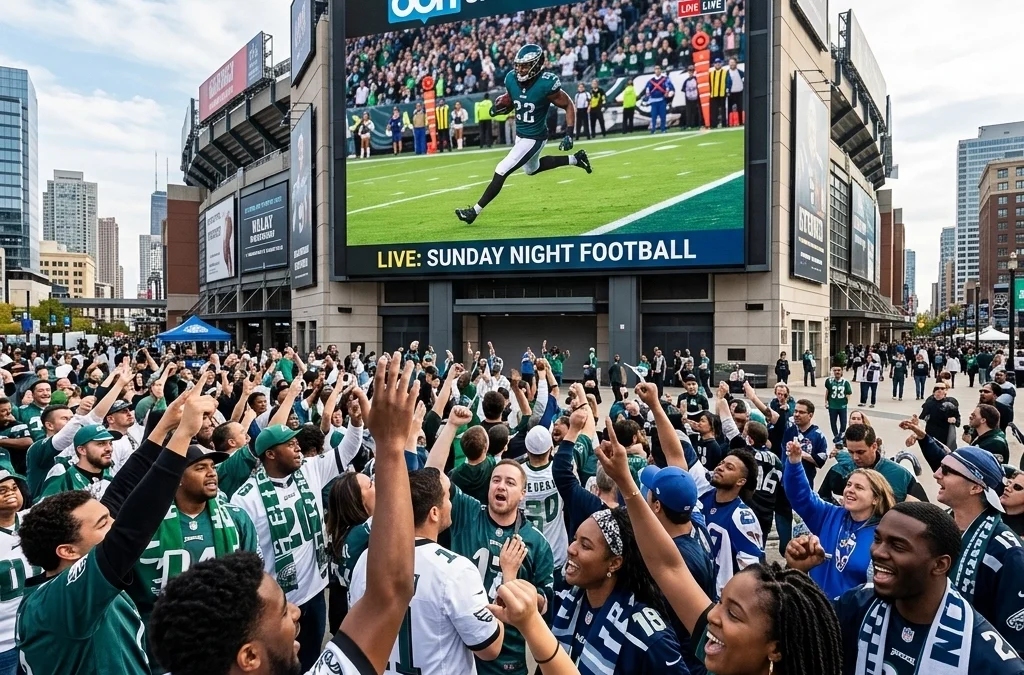
The landscape of sports advertising is undergoing a significant transformation as digital out of home (DOOH) technology integrates more deeply into the fan experience. OOH Sports has reached a major milestone in this evolution, expanding its network to include more than 25,000 digital screens across the United States. This expansion represents a fundamental shift in how brands can engage with sports audiences, moving beyond the confines of the stadium to capture attention throughout the entire fan journey.
For media buyers and industry news observers, this milestone signals a new era of scalability and precision in sports marketing. The network provides a unified infrastructure designed to eliminate the logistical complexities often associated with large scale outdoor advertising campaigns. By leveraging a vast footprint of strategically placed screens, brands can now maintain a consistent and high impact presence in the most relevant environments for sports enthusiasts.
The Backbone: Sporttron Digital Network
At the heart of this network expansion is the Sporttron Digital Network. This infrastructure serves as the technological foundation for the 25,000 plus screens, ensuring seamless content delivery and real time updates across diverse geographic locations. The Sporttron system is engineered to provide a surround sound advertising experience, meaning that a brand’s message is not just a singular touchpoint but a continuous narrative that follows the audience.
The network is strategically distributed across several key environments:
- Major airports and regional train stations.
- Rideshare drop off points and shuttle queues.
- Partner hotels and hospitality centers.
- High traffic transit corridors leading directly to major venues.
- In stadium displays and official fan zones.
- Post game celebration venues, including bars and restaurants.
This comprehensive coverage ensures that the brand remains top of mind from the moment a fan leaves their home or hotel until long after the final whistle has blown.

Strategic Advantage: The Extended Impression Window
Traditional sports marketing often relies on short, high cost windows of attention, such as a 30 second television spot or a static billboard inside a stadium. The OOH Sports network operates on a different principle: the extended impression window. Because the screens are located at every stage of the fan journey, the cumulative impact of the campaign is significantly higher.
A typical fan journey might begin at an airport or transit hub, where they encounter the brand message on large format digital displays. As they move toward their hotel or the stadium, the same message is reinforced through street level screens and transit displays. Once inside the venue or in the surrounding fan zones, the brand presence reaches its peak intensity. This multi touchpoint strategy ensures that the message is not just seen, but remembered.
The strategic placement of these screens takes advantage of the high dwell times found in transit hubs and hospitality environments. While a fan may only glance at a screen during a game, they often spend several minutes waiting for a flight, a train, or a rideshare vehicle, providing a prime opportunity for deeper brand engagement.
Geographic Scale and Consistency
One of the primary challenges for media buyers in the past was the fragmented nature of outdoor advertising. Coordinating a national campaign often required dealing with dozens of different vendors and varying technical specifications. The OOH Sports network solves this by providing a unified, national platform.
With 25,000 screens, the network offers national scale with local relevance. Whether a brand is targeting major metropolitan markets or mid sized sports towns, the infrastructure remains consistent. This allows for the execution of cohesive national campaigns that can be managed from a centralized platform. This level of scale ensures that a campaign can achieve high frequency and broad reach without the traditional logistical hurdles of regional coordination.

Technology and Programmatic Capabilities
The shift from traditional static signage to programmatic DOOH is a cornerstone of the OOH Sports strategy. Programmatic technology allows for a level of agility and precision that was previously impossible in outdoor advertising. Media buyers can now utilize data driven targeting to ensure their messages are seen by the right audience at the optimal time.
The network supports various real time triggers and conditional messaging, such as:
- Timing Triggers: Aligning creative content with kickoff times, halftime, or the conclusion of a game.
- Contextual Triggers: Changing messages based on live game outcomes or team milestones.
- Environmental Triggers: Adapting creative based on local weather conditions, such as promoting cold beverages when temperatures rise.
- Momentum Triggers: Running specific countdown sequences or high energy creative during peak emotional moments of a sports event.
This level of flexibility ensures that the advertising remains relevant and engaging, rather than becoming background noise. For more information on how this compares to traditional methods, industry professionals often consult the analysis of programmatic DOOH vs traditional stadium sponsorships.
Integration and Measurement
Modern marketing requires more than just visibility; it requires accountability. OOH Sports has integrated sophisticated measurement systems to provide media buyers with clear, data driven insights into campaign performance. By utilizing geofencing and device ID capture, the network can identify audiences that have been exposed to specific screens.
This data enables powerful omnichannel strategies:
- Retargeting: Audiences exposed to a physical screen can be retargeted with follow up digital messaging on their mobile devices.
- Attribution: Brands can track the path from an initial OOH impression to an online search, website visit, or physical store entry.
- Brand Lift Studies: Working with specialized partners, the network can measure changes in purchase consideration, brand preference, and awareness.
This bridge between the physical and digital worlds ensures that OOH advertising is no longer an isolated channel, but a fully integrated component of a broader marketing strategy.

Proven Results and Impact
The effectiveness of the OOH Sports network is documented through rigorous case studies and performance data. High profile brands in the beverage, automotive, and apparel sectors have already utilized the network to achieve measurable business outcomes.
For example, a campaign for White Claw Vodka utilized the network to reach fans in high traffic zones. The results of a subsequent brand lift study indicated a 74 percent increase in purchase consideration among the target audience. Similarly, Mike’s Hard Iced Tea leveraged the network’s reach to enhance its brand image, resulting in a 119 percent lift in positive brand perception.
These results highlight the power of high impact, vibrant creative delivered in a contextually relevant environment. When fans are in a positive, high energy state, they are more receptive to brand messaging, particularly when that messaging is integrated into the excitement of the sporting event. Detailed examples of these outcomes can be found in the OOH Sports case study section.
Implementation Strategy for Media Buyers
To maximize the potential of the OOH Sports network, media buyers should follow a structured approach to campaign planning. Success in this space is not just about the number of screens, but about how those screens are utilized to tell a story.
Step 1: Mapping the Journey
Identify the specific geographic hotspots where the target audience is most likely to congregate. This includes not just the stadium itself, but the transit hubs, hotels, and hospitality zones that define the fan experience.
Step 2: Creative Optimization
Move beyond static images. The 25,000 screens in the network are high resolution, color rich digital displays. Creative should be designed to take advantage of these capabilities, using motion and vibrant visuals to capture attention in competitive environments.
Step 3: Strategic Alignment
Align the campaign schedule with the sports calendar. This means identifying peak traffic periods and ensuring that the most impactful creative is delivered during these high value windows. Coordination with stadium perimeter branding can also create a powerful synergy.

Audience Perception and Industry Sentiment
Consumer research indicates that OOH advertising is one of the most well received forms of marketing. According to industry studies, such as the Media Reactions survey by Kantar, consumers often view OOH as less intrusive than digital pop ups or skippable video ads. Because the screens are integrated into the physical environment, they are perceived as a natural part of the fan experience rather than an interruption.
In the context of sports, this positive perception is amplified. Fans are often looking for information, entertainment, and a sense of community. The OOH Sports network provides a platform where brands can contribute to that atmosphere, providing high energy content that matches the mood of the crowd.
Conclusion
The expansion of the OOH Sports network to over 25,000 digital screens marks a pivotal moment for sports branding. By combining massive geographic scale with the precision of programmatic technology and the accountability of modern measurement, the network offers an unparalleled platform for reaching sports fans.
For brands and media buyers looking to establish a dominant presence in the sports world, this network provides the infrastructure, technology, and strategic placement necessary to achieve significant results. As the boundaries between physical and digital advertising continue to blur, the OOH Sports network stands as a leading example of how to connect with audiences in a meaningful, impactful, and measurable way.