
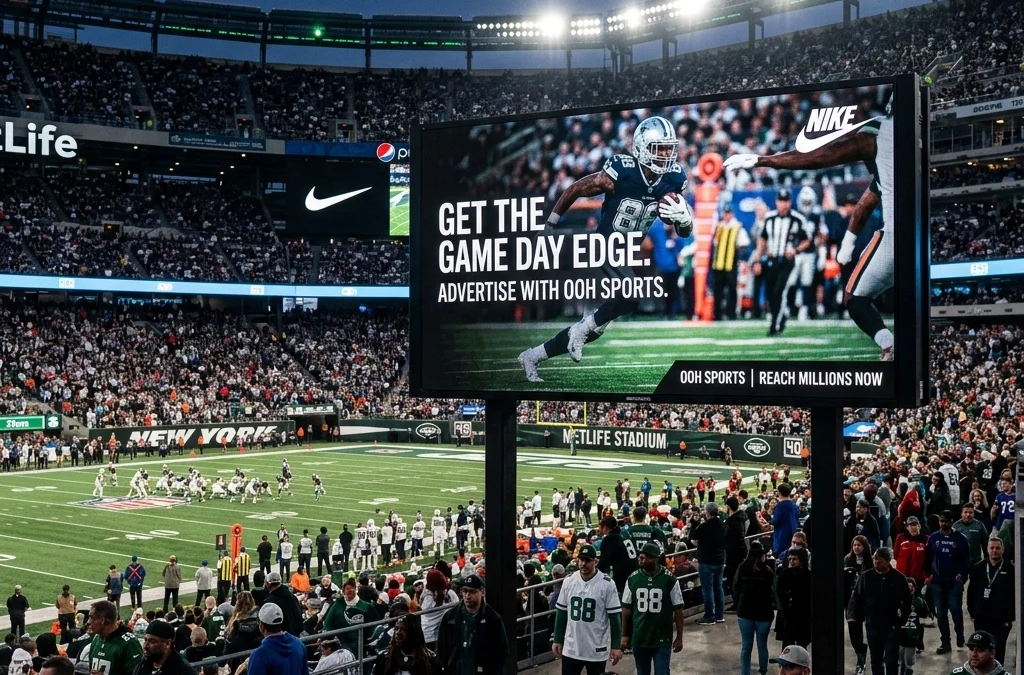
Digital Out-of-Home (DOOH) advertising within the sports industry is undergoing a significant transformation. As stadium technology advances and audience data becomes more granular, the opportunity to connect with highly engaged fans has never been greater. However, many brands still operate using outdated strategies that fail to capitalize on the unique environment of a live sporting event. Success in this space requires a move away from static, broad-reach tactics toward dynamic, data-driven execution.
By identifying common pitfalls and implementing modern solutions, advertisers can significantly improve the return on investment for their sports marketing budgets. This analysis explores seven prevalent mistakes in DOOH sports advertising and provides actionable strategies for optimization.
1. Treating Sports Fans Like Generic Consumers
A frequent strategic error is the application of general consumer advertising principles to a sports environment. Sports fans are not a passive audience, they are emotionally invested participants. Using one-size-fits-all messaging that ignores the specific context of the game often leads to low engagement and brand irrelevance.
The Fix: Implement Contextual Relevance
Advertisers must leverage programmatic technology to deliver messages that resonate with the specific event, the teams playing, and the current state of the game. For example, a beverage brand might display different creative content based on whether the home team is winning or losing. Aligning the brand message with the collective mood of the crowd ensures that the advertisement becomes an integrated part of the event narrative rather than an interruption. Data-driven targeting allows for a more personalized experience, which is essential for building authentic connections with tribal fan bases.
2. Over-Reliance on Social Media for Live Engagement
While social media is a powerful tool for sports marketing, relying on it as the primary driver for live engagement is a mistake. During high-intensity moments of a game, fans are focused on the field or the court. This "heads-up" focus means that mobile-based "heads-down" engagement often goes ignored during the most critical parts of the event.
The Fix: Prioritize Perimeter Branding
To capture attention during peak emotional moments, brands should utilize stadium perimeter ads. These digital boards command attention without requiring the fan to look away from the action. This strategy capitalizes on the shared experience of the live event. When thousands of fans react simultaneously to a play, the perimeter branding is visible in their direct line of sight. This creates a high-impact association between the brand and the excitement of the game. For more details on this approach, advertisers can explore the ultimate guide to stadium perimeter branding.

3. Ignoring the Power of Emotional Peaks
Many campaigns are scheduled based on simple time slots, often resulting in ads running during low-leverage moments like halftime or pre-game warmups. While these slots have value, they do not offer the same psychological impact as the high-excitement intervals that occur during live play.
The Fix: Sync Creative with Game Milestones
Digital Out-of-Home platforms allow for strategic positioning during live play and broadcast replays. By triggering specific creatives during high-excitement moments, such as goals, touchdowns, or home runs, brands can link positive emotional responses directly to their products. The goal is to maximize the "emotional halo" that occurs during these peaks. When a fan feels a surge of dopamine from a scoring play, seeing a brand's message in that exact moment reinforces a positive association that is difficult to replicate in any other medium.
4. Maintaining a Static Messaging Strategy
Running the same creative for an entire season is a common mistake that leads to "ad blindness." Even the most compelling visual loses its impact after multiple exposures within the same environment. In the fast-paced world of sports, static messaging feels dated and disconnected from the real-time nature of the competition.
The Fix: Deploy Dynamic Creative Across Networks
Modern DOOH infrastructure supports dynamic creative that can be updated instantly. Brands should utilize networks that offer extensive digital screen coverage to showcase different products or update messages based on real-time news. For instance, a sports apparel brand might switch creative to feature the jersey of a player who just broke a record. Refreshing content keeps the audience engaged throughout a long season and ensures the brand remains relevant to the ongoing conversation. Innovation in this area is key to staying ahead of the competition, as noted in the discussion on why sports DOOH innovation is changing fan connections.

5. Underestimating the Prestige of Perimeter Positioning
Some advertisers view perimeter boards as background noise rather than premium placements. This perspective ignores the psychological authority that comes with being physically present at the site of the competition.
The Fix: Leverage Implied Endorsement
Positioning a brand at the courtside or on-pitch level carries an implied endorsement from the venue, the league, and the teams involved. Fans subconsciously associate these premium positions with professional authority and financial stability. This is particularly effective for lifestyle and beverage brands. Case studies have shown that high-level placement can result in a significant lift in positive brand image. For example, Mike’s Hard Iced Tea observed a 119% increase in brand favorability by utilizing premium sports DOOH placements. This prestige factor is one of the industry secrets that high-level media buyers use to build long-term brand equity.
6. Neglecting Real-Time Contextual Triggers
A "set it and forget it" approach to campaign scheduling ignores the environmental factors that influence fan behavior. Factors such as weather conditions, traffic patterns, and even real-time betting odds can drastically change the effectiveness of an advertisement.
The Fix: Implement Trigger-Based Advertising
Programmatic DOOH allows for the implementation of triggers that respond to external data feeds. If a game is delayed due to rain, the creative can automatically switch to messaging that acknowledges the delay or promotes indoor activities. Similarly, if betting odds shift significantly, a sports betting platform can update its offers in real-time on the stadium screens. This level of adaptability ensures that the advertising is always appropriate for the current circumstances, reducing waste and increasing the likelihood of conversion.

7. Not Making Your DOOH Programmatic
The final and perhaps most significant mistake is sticking to traditional, manual buying processes. Manual buys are often rigid, requiring long lead times and offering limited flexibility for optimization once the campaign is live.
The Fix: Transition to Programmatic DOOH
Programmatic technology enables advertisers to optimize campaigns based on time of day, audience density, and performance metrics in real-time. This approach moves away from the static, "buy-and-hope" model toward a more analytical and result-oriented framework. When comparing programmatic DOOH vs traditional stadium ads, the programmatic model consistently delivers better ROI due to its precision and efficiency. It allows for the automated adjustment of bids and creative delivery, ensuring that the budget is spent on the most impactful impressions.
Technology and Measurement
To fix these mistakes effectively, brands must utilize the right technology and measurement frameworks. The shift toward digital platforms allows for the collection of data that was previously unavailable in the out-of-home space.
Advanced Targeting and Logistics
Executing a high-level DOOH campaign involves sophisticated logistics. Technology partners now offer the ability to track device IDs exposed to specific screens, enabling retargeting across mobile and desktop devices. This omnichannel approach ensures that the impact of the stadium ad extends beyond the physical venue. By creating a custom audience of fans who were present at a specific game, brands can continue the conversation through social media or display advertising long after the final whistle.
Quantifiable Results
Measurement is no longer limited to estimated "eyeballs." Brands can now conduct brand lift studies to measure changes in brand preference, awareness, and purchase intent. Data-driven attribution models can link DOOH exposure to website traffic, app downloads, and even in-store visits.
In a recent campaign analysis, the use of targeted DOOH within sports venues resulted in a 35% higher engagement rate compared to standard outdoor placements. Furthermore, the halo effect of being associated with a major sporting event often leads to a measurable increase in organic search volume for the brand. For those looking to optimize their spend, understanding which delivers better ROI between different sponsorship models is a critical step in the planning process.

Strategic Summary
The evolution of Digital Out-of-Home sports advertising presents a significant opportunity for brands to move beyond traditional boundaries. By avoiding the common mistakes of generic messaging, static creative, and manual buying processes, advertisers can create campaigns that are as dynamic and engaging as the sports themselves.
The focus must remain on the fan experience. When advertising adds value to the event: whether through timely information, emotional resonance, or sheer visual prestige: it ceases to be an intrusion and becomes a part of the sporting culture. Utilizing programmatic triggers, dynamic creative, and precise measurement will ensure that every dollar spent in the stadium contributes to meaningful brand growth and measurable business outcomes. For those ready to take the next step in their marketing journey, visiting the OOH Sports marketing page or reviewing a case study can provide further insight into successful executions.