
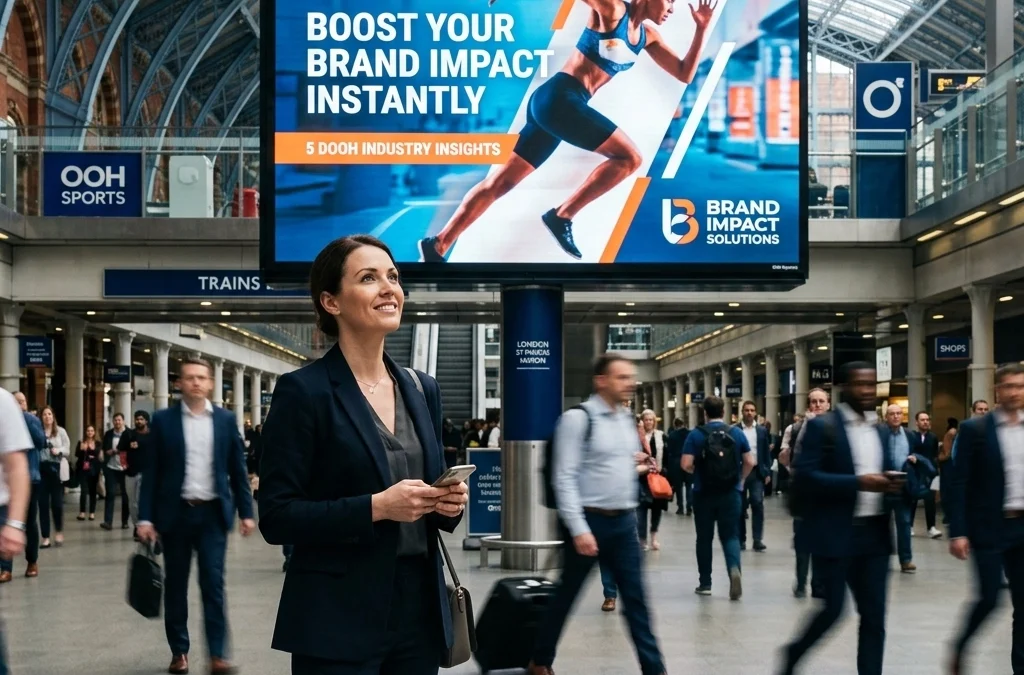
Digital out-of-home (DOOH) advertising has transitioned from a traditional broadcast medium into a sophisticated, data-driven channel. Within the sports marketing landscape, this evolution provides brands with unique opportunities to connect with high-intent audiences in real time. As technology integrates further into the physical world, the ability to deliver relevant, timely, and measurable messaging becomes a primary driver of marketing success.
The following five industry insights highlight how brands can leverage DOOH to maximize impact, optimize spend, and achieve significant lifts in consumer consideration.
1. Transitioning from Static to Dynamic Creative
One of the most significant shifts in the industry involves the move away from static imagery toward dynamic, data-triggered content. Traditional out-of-home advertising often required long lead times and static creative that remained unchanged for the duration of a campaign. In contrast, modern DOOH allows for real-time updates based on external data feeds.
Strategy and Execution
Dynamic creative uses automation to swap assets or text based on specific triggers. In a sports context, this might include live game scores, weather conditions, or local inventory levels. When a message aligns with the immediate environment or the emotional state of a fan, the perceived value of the advertisement increases.
A campaign for Mike’s Hard Iced Tea demonstrated the effectiveness of this approach. By utilizing programmatic DOOH with dynamic creative elements, the brand saw a 119 percent lift in positive brand image. The content was not viewed as an interruption but rather as part of the surrounding entertainment experience.
Implementation Tactics
- Integrate live data feeds to show "Game-day only" promotions when local teams are active.
- Adjust messaging based on temperature thresholds, such as promoting cold beverages when the weather exceeds a specific degree.
- Rotate creative themes by time of day to match consumer mindsets, focusing on commuter value in the morning and social entertainment in the evening.

2. Utilizing Programmatic DOOH for Precision and Scale
The adoption of programmatic buying in the out-of-home space has revolutionized how brands manage their physical presence. Programmatic DOOH (pDOOH) allows advertisers to purchase screen time with the same flexibility and data-driven precision seen in online display or social media advertising.
Objective and Strategy
The primary objective of pDOOH is to eliminate the manual, time-consuming booking cycles associated with traditional outdoor media. Brands can now set specific parameters for when and where their ads appear, ensuring that every impression is delivered to a relevant audience at the right time.
According to industry research, DOOH sports advertising is projected to reach a market value of 50 billion dollars by the end of the decade. This growth is driven by the move toward automated, scalable platforms that allow brands to bid on screens near high-traffic areas like stadiums, gyms, and retail hubs. More information on this trajectory can be found at oohsports.com/2025/03/29/dooh-sports-advertising-will-hit-50-billion-by-2030-7-strategies-to-capture-your-share.
Technical Advantages
- Near Real-Time Control: Campaigns can be paused, adjusted, or scaled up instantly based on performance or changing business needs.
- Audience Targeting: Rather than buying a specific billboard, brands buy access to specific audience profiles across a network of screens.
- Optimized ROI: Programmatic platforms like StackAdapt facilitate the integration of DOOH into broader omnichannel campaigns, improving overall efficiency. For a comparison of these methods, visit oohsports.com/2025/04/30/programmatic-dooh-vs-traditional-stadium-ads-which-delivers-better-roi-for-sports-marketing-2.
3. Orchestrating DOOH with Mobile and Digital Channels
DOOH is most effective when it functions as a component of a multi-screen consumer journey. By synchronizing physical screens with mobile devices, brands can create a continuous narrative that follows the consumer from the stadium to their smartphone.
Strategy for Omnichannel Integration
The integration of DOOH with mobile retargeting leverages location data to bridge the gap between physical awareness and digital conversion. When a consumer is exposed to a high-impact screen, their mobile device ID can be captured within a geo-fenced area. This allows the brand to serve a follow-up ad or special offer directly to that user's phone.
Measurable Results
A campaign for White Claw utilized programmatic DOOH to launch a new product line, resulting in a 74 percent lift in purchase consideration. By targeting specific venues and following up with digital touchpoints, the brand effectively moved consumers through the marketing funnel. Detailed findings from this campaign are available at oohsports.com/2024/09/21/white-claws-programmatic-digital-out-of-home-campaign-drives-74-lift-in-purchase-consideration-for-vodka-launch.

Execution Steps
- Deploy DOOH assets near key retail or event locations to build top-of-funnel awareness.
- Use geo-fencing to identify devices in the vicinity of the screens.
- Retarget those devices with a direct call to action, such as a QR code or a limited-time digital coupon, to close the loop.
4. Designing for Context and Audience Mindset
The success of a DOOH campaign depends heavily on the context of the environment. High-impact placements in sports venues, known as sportrons, allow brands to reach fans when they are most engaged and receptive to messaging.
Understanding the Daily Journey
Effective DOOH strategies map out the audience's daily movement. By placing ads where people dwell, such as transit hubs, gas stations, or stadiums, brands can align their message with the consumer's current activity. Contextual relevance transforms an impression into a moment of intent.
In the case of Sea-Doo, the brand's first digital OOH campaign focused on specific geographic regions and seasonal mindsets. This strategic alignment resulted in a 144 percent increase in purchase consideration. This success story is detailed at oohsports.com/2024/11/21/how-sea-doos-first-digital-ooh-campaign-increased-purchase-consideration-by-144.
Strategic Considerations
- Venue Selection: Choose environments with high dwell times to allow for more complex messaging or brand storytelling.
- Mindset Matching: Deliver health-focused messaging near fitness centers or value-based offers near college campuses.
- Ambush Marketing: High-profile events can be leveraged even without official sponsorship by placing DOOH assets in the surrounding areas where fans congregate.

5. Implementing Robust Measurement and Attribution
The historical challenge of measuring out-of-home advertising has been addressed through advanced attribution models. Today, DOOH is as measurable as any other digital channel, providing clear data on brand lift, foot traffic, and actual sales.
Technology and Partners
Modern measurement relies on a combination of industry standards and proprietary data. By linking screen exposure to retail visitation data or app usage, brands can quantify the direct impact of their DOOH investment. This shift toward accountability allows for continuous optimization based on hard evidence rather than estimates.
For example, Nike utilized DOOH during major sporting events to drive brand preference even when not serving as the primary sponsor. This data-backed approach ensured that resources were allocated to the most effective locations. Further insights into this strategy can be found at oohsports.com/2025/01/21/nike-wasnt-an-official-sponsor-of-the-nyc-marathon-but-youd-never-know-it.
Key Performance Indicators (KPIs)
- Store Visits: Measuring the increase in foot traffic at specific retail locations following ad exposure.
- Brand Lift: Utilizing surveys and digital tracking to measure changes in brand awareness and favorability.
- Sales Attribution: Comparing sales data in ZIP codes with DOOH coverage against control groups without exposure.

Summary of Implementation
To maximize the impact of DOOH in the current advertising landscape, brands must move beyond static placements and embrace a data-centric approach. By incorporating dynamic creative, programmatic buying, and cross-channel orchestration, the medium becomes a powerful tool for driving both awareness and action.
For brands seeking to refine their approach to sports marketing and digital advertising, further resources and case studies are available at the OOH Sports marketing page and the company blog. Strategic planning combined with these industry insights allows for a more efficient and impactful use of advertising budgets.
To discuss specific campaign strategies or to learn more about venue opportunities, interested parties may visit oohsports.com/contact. For a comprehensive overview of the company's methodologies and success stories, the about page provides additional context on the mission and capabilities of OOH Sports.