
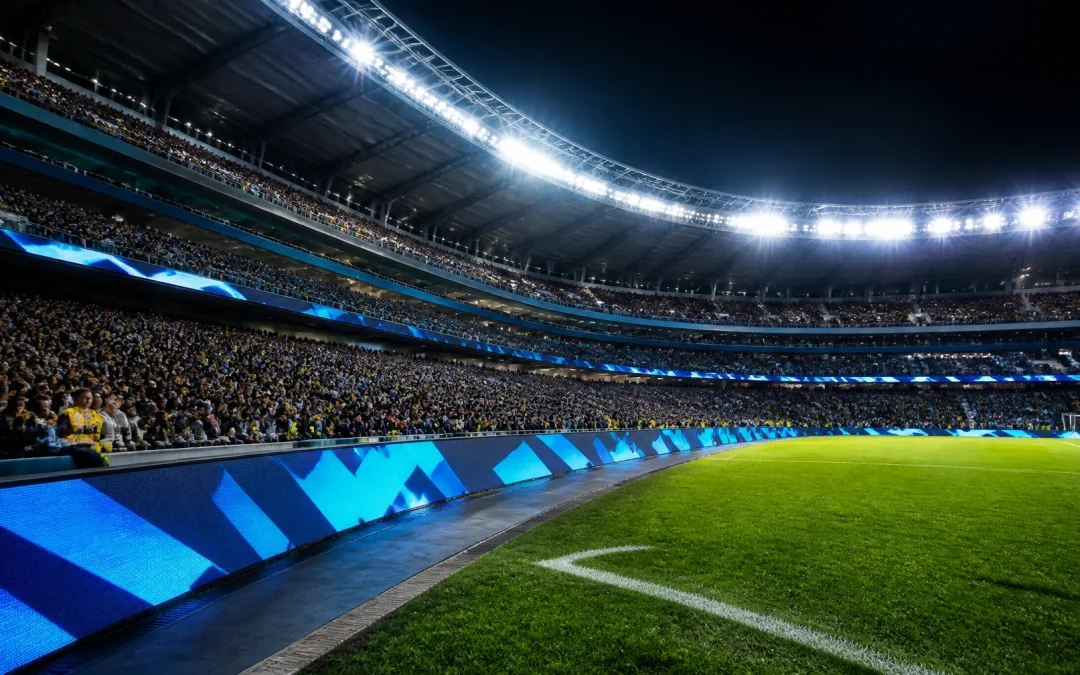
Traditional sports marketing often relies on legacy methods that fail to capture the attention of the modern, digitally connected fan. While stadium sponsorships have long been a staple of brand building, the shift toward digital out-of-home (DOOH) advertising has exposed significant flaws in conventional fan engagement strategies.
Many brands continue to invest heavily in static placements, missing the opportunity to interact with fans in real time. The following analysis identifies seven common mistakes in fan engagement and explores how perimeter DOOH, specifically within a strategically targeted radius of sports venues, provides a sophisticated solution.
1. Confusing Passive Reach with Active Engagement
A common strategic error is prioritizing raw impression counts over actual fan participation. Many campaigns focus on how many eyes might see a logo rather than how many fans interact with the brand. This leads to high visibility but low emotional connection or data acquisition.
Perimeter DOOH solves this by transforming passive viewing into an interactive experience. By utilizing dynamic screens that prompt participation through polls, contests, or social media integrations, brands can transition from being a background element to a core part of the gameday experience. This shift from reach to engagement is essential for building long-term brand loyalty.
2. Ignoring the Gameday Bubble
Fan engagement does not begin and end at the stadium gates. Many marketers fail to account for the "gameday bubble," a critical 10-mile radius around the arena where fans congregate before and after the event. Restricting advertising to the interior of the stadium misses hours of high-intent consumer behavior in bars, restaurants, and transit hubs.

Objective & Strategy: The 10-Mile Perimeter
The strategy for OOH Sports involves securing access to digital video advertising boards in every category within a 10-mile perimeter of sports venues. This hyper-local targeting ensures that a brand’s message follows the fan throughout their entire journey. Whether a fan is grabbing a drink at a local sports bar or commuting to the stadium, the perimeter DOOH network maintains a consistent brand presence where it matters most.
3. Utilizing Static Creative in a High-Energy Environment
Sports environments are characterized by rapid shifts in momentum, emotion, and action. Deploying static, unchanging creative in such a dynamic setting is a missed opportunity. Fans are naturally drawn to movement and real-time relevance; a static billboard often fades into the background noise of the stadium.
Programmatic DOOH allows for real-time creative triggers. Messaging can change instantly based on the score, a specific player’s performance, or even weather conditions. For example, a beverage brand can trigger an ad for a cold drink during a high-tension timeout or a celebratory message immediately following a goal. This relevance ensures the creative remains aligned with the fan's current emotional state.
4. Treating a Diverse Fanbase as a Monolith
One-size-fits-all messaging is a significant hurdle to effective engagement. A stadium contains a diverse mix of season-ticket holders, casual attendees, and corporate guests, each with different interests and spending habits. Generic messaging fails to resonate with any specific group deeply.
Technology partners in the programmatic space allow for sophisticated audience segmentation. By leveraging mobile location data and historical behavior, DOOH campaigns can display tailored creative that speaks to specific segments. In-stadium perimeter boards can even be synchronized with mobile retargeting to deliver personalized offers to fans based on the specific section of the stadium they are seated in.
5. Failing to Bridge the Physical and Digital Divide
Many fan engagement tactics remain siloed, with no clear path from a physical advertisement to a digital conversion. If a fan sees a compelling ad on a perimeter board but has no immediate way to act on it, the conversion window likely closes the moment the play resumes.

Technology Partners and Integration
Perimeter DOOH acts as the ultimate bridge between the physical world and digital platforms. By incorporating clear, high-contrast QR codes or short URLs, brands can drive immediate traffic to landing pages, app downloads, or sign-up forms.
According to data from OOH Sports, integrating digital screens with mobile triggers significantly increases the effectiveness of the omnichannel funnel. This strategy allows marketers to capture device IDs of fans exposed to the boards, enabling precise retargeting once the fan leaves the stadium.
6. Poor Timing and Narrative Irrelevance
Timing is everything in sports. A common mistake is running high-energy, promotional content during moments of stadium-wide disappointment or controversy. Conversely, missing the window of peak excitement after a victory results in lost momentum.
A sophisticated DOOH strategy employs a match-day content schedule that aligns with game phases.
- Pre-match: Focus on brand awareness, app downloads, and membership drives.
- In-play: Use minimalist, high-impact visuals that do not distract from the action but capitalize on breaks.
- Halftime: Execute longer-form creative and complex calls-to-action when fans have the time to scan and engage.
- Post-match: Transition to celebratory or "thank you" messaging that reinforces the positive association with the brand.
7. Lack of Data-Driven Measurement and Attribution
The final and perhaps most critical mistake is the inability to quantify the impact of fan engagement efforts. Traditional stadium ads are often viewed as "top-of-funnel" brand awareness plays with no clear ROI. Without data, creative directors and CMOs cannot justify shifting budgets toward these channels.

Results and Performance Metrics
Modern DOOH measurement has moved far beyond simple "opportunity to see" metrics. By partnering with specialized attribution firms, OOH Sports provides detailed brand lift studies and foot traffic attribution.
Recent campaigns have demonstrated the power of this data-driven approach:
- Brand Consideration: A programmatic DOOH campaign for White Claw resulted in a 74% lift in purchase consideration for their vodka launch.
- Brand Image: An AB InBev campaign for Mike’s Hard Iced Tea saw a 119% lift in positive brand image by utilizing real-time stadium perimeter targeting.
- Purchase Intent: A campaign for Sea-Doo increased purchase consideration by 144% by focusing on high-intent sports fans through a digital-first approach.
These results are detailed further in the OOH Sports case studies, proving that perimeter DOOH is not just a visibility tool but a performance engine.
Conclusion: The Perimeter Advantage
Effective fan engagement requires a departure from static, unmeasured tactics. By addressing these seven mistakes, brands can move toward a more dynamic, localized, and data-driven strategy. The use of perimeter DOOH within a 10-mile radius of sports venues ensures that messaging is not only seen but acted upon.
As the industry moves toward a 50 billion dollar valuation by 2030, the transition to programmatic digital platforms is no longer optional. It is the definitive method for etching a brand's message into the hearts of fans across America.