
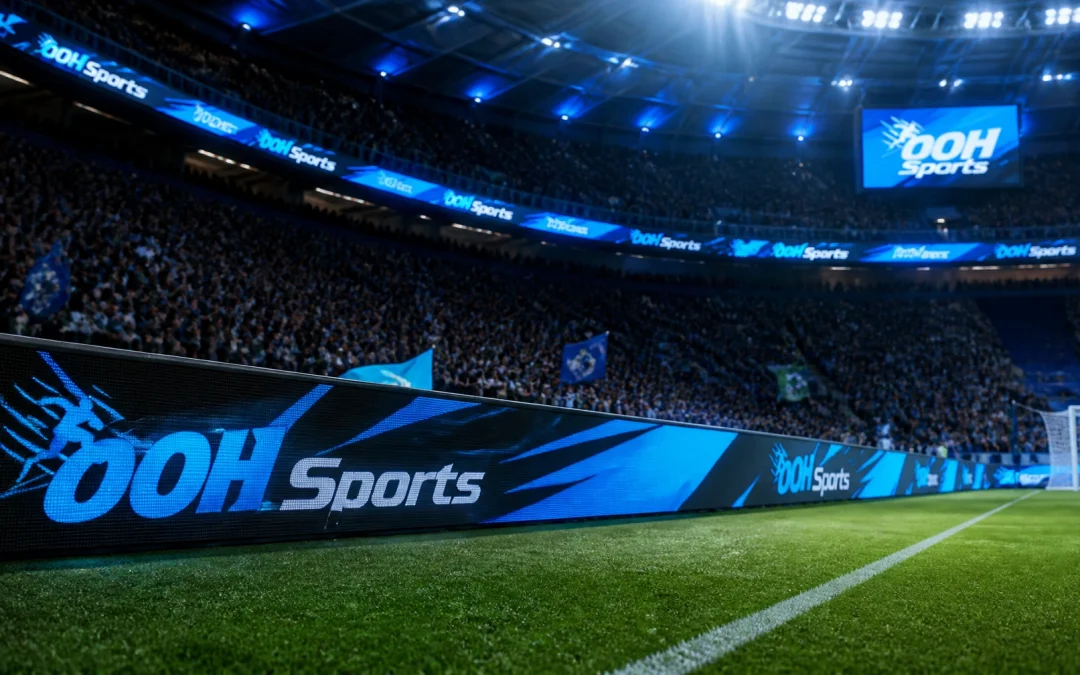
The landscape of sports marketing has shifted from static placements to dynamic, real-time engagement. For creative directors and chief marketing officers, the stadium perimeter is no longer just a row of logos. It is a powerful digital frontier that captures attention at the height of emotional engagement. Building fan loyalty in the modern era requires more than just visibility; it demands a strategic presence that resonates during the most memorable moments of a game.
Stadium perimeter advertising, particularly through digital out of home (DOOH) networks, offers a unique opportunity to align a brand with the passion of sports. This evolution in advertising technology allows for a level of precision and impact that traditional media often fails to deliver. By understanding the mechanics of this medium, brands can transform a simple sponsorship into a lasting connection with a highly loyal audience.
The Strategic Shift to Digital Perimeters
Traditional static boards provided consistent visibility, but they lacked the flexibility to adapt to the flow of a live event. The transition to LED perimeter systems has changed the objective of stadium advertising. Instead of passive exposure, the goal is now active participation in the fan experience.
Digital perimeters allow for high-definition, animated content that can be updated instantly. This capability ensures that the messaging remains relevant throughout the various phases of an event. From the anticipation of the pre-game ceremonies to the intensity of the final whistle, the perimeter acts as a responsive canvas. OOH Sports provides access to these digital video advertising boards across every major category, ensuring that a brand’s message is integrated into the core of the action.

Objective and Strategy: Leveraging Emotional Peaks
The primary objective of perimeter advertising is to capitalize on the "emotional stickiness" of live sports. Fans in a stadium environment experience heightened states of excitement and focus. When a brand appears on the perimeter during a pivotal play, such as a game-winning goal or a crucial defensive stop, the brand becomes mentally associated with that positive experience.
The strategy involves more than just displaying a logo. It requires a deep understanding of the fan journey. By deploying context-aware creative, brands can mirror the energy of the crowd. For instance, a celebratory animation triggered immediately following a home team score creates a shared moment between the brand and the fan. This alignment fosters a sense of community and support, which is the foundation of long-term loyalty.
Technology Partners and Programmatic Execution
Modern stadium campaigns rely heavily on sophisticated technology and programmatic platforms. The use of specialized Demand Side Platforms (DSPs), such as StackAdapt, has streamlined the way these placements are bought and managed. Programmatic DOOH allows for automated buying, real-time optimization, and precise targeting.
Execution processes often include geofencing and audience synchronization. A brand can target a 10-mile radius around a sports venue, ensuring that the message reaches fans not only inside the stadium but also those in nearby bars, restaurants, and transit hubs. This omnichannel approach creates a cohesive brand story that follows the fan throughout their entire game-day experience.

Driving Action Through Integrated Engagement
One of the most significant changes in perimeter advertising is the ability to drive direct action. The inclusion of digital elements like QR codes and unique promotional prompts turns a brand impression into a measurable lead. Fans are increasingly using their smartphones as "second screens" during live events, making them highly receptive to interactive calls-to-action.
Tactics such as "scan to win" or exclusive game-day discounts encourage fans to engage with the brand in real time. This shift from brand awareness to brand interaction provides valuable data on fan behavior and preference. By tracking redemptions and app downloads, marketers can quantify the direct impact of their stadium presence. This level of attribution was previously difficult to achieve in the out of home space, but it is now a standard component of a high-performing campaign.

Measurable Results and Brand Lift
The success of stadium perimeter DOOH is backed by significant data. Case studies have shown that these campaigns deliver substantial increases in key performance indicators. For example, brands in the beverage industry have seen a 74 percent lift in purchase consideration following targeted programmatic DOOH campaigns. Other sectors, such as consumer goods, have reported a 119 percent lift in positive brand image.
These results are often measured through comprehensive brand lift studies. These studies compare exposed audiences, those who were in the vicinity of the digital boards, against unexposed control groups. The data consistently highlights that the high-frequency, high-impact nature of stadium advertising leads to improved brand recall and a higher likelihood of future purchase. In one notable instance, a campaign for sea-based recreational vehicles led to a 144 percent increase in purchase consideration, demonstrating that the medium is effective across diverse industries.

Strategies for Creative and Talent
To maximize the impact of perimeter advertising, the creative must be both visually striking and strategically aligned with the brand's identity. The use of notable talent or recognizable campaign taglines can further reinforce the message. When talent is featured on the perimeter boards, it should be done in a way that feels organic to the sports environment.
Simplicity is key in creative execution. Because the boards are often viewed from a distance or during fast-moving action, the design should focus on bold typography and high-contrast visuals. The goal is to ensure the message is delivered "smooove" and without distraction, allowing the fan to absorb the brand essence while remaining focused on the game.
The Long-Term Value of the Fan Connection
Building fan loyalty is a marathon, not a sprint. The stadium perimeter serves as a consistent anchor for a brand's sports marketing efforts. By maintaining a presence throughout the season, a brand becomes a familiar part of the team's ecosystem. This visibility builds legitimacy and trust, especially when the brand is seen as a supporter of the club and the community.
The perimeter also offers dual reach. While the primary audience is the tens of thousands of fans in the venue, the secondary audience includes millions of viewers watching through broadcast, streaming, and social media highlights. The digital boards are frequently captured in the background of replays and viral clips, extending the life of the campaign far beyond the live event.
Conclusion
Stadium perimeter advertising has evolved into a sophisticated tool for building deep, data-driven fan loyalty. By combining the emotional power of live sports with the precision of programmatic DOOH, brands can achieve levels of engagement and attribution that were once impossible. For media buyers and planners, the opportunity lies in treating the perimeter as a dynamic, interactive channel that connects with fans at their most passionate.
As the industry continues to advance, the integration of real-time data, mobile interactivity, and high-impact creative will remain the standard for success. Those who leverage these strategies effectively will not only see an increase in brand metrics but will also forge a lasting bond with one of the most loyal audiences in the world. For more insights on optimizing these campaigns, exploring case studies from successful sports marketing initiatives can provide a clear roadmap for future growth.