
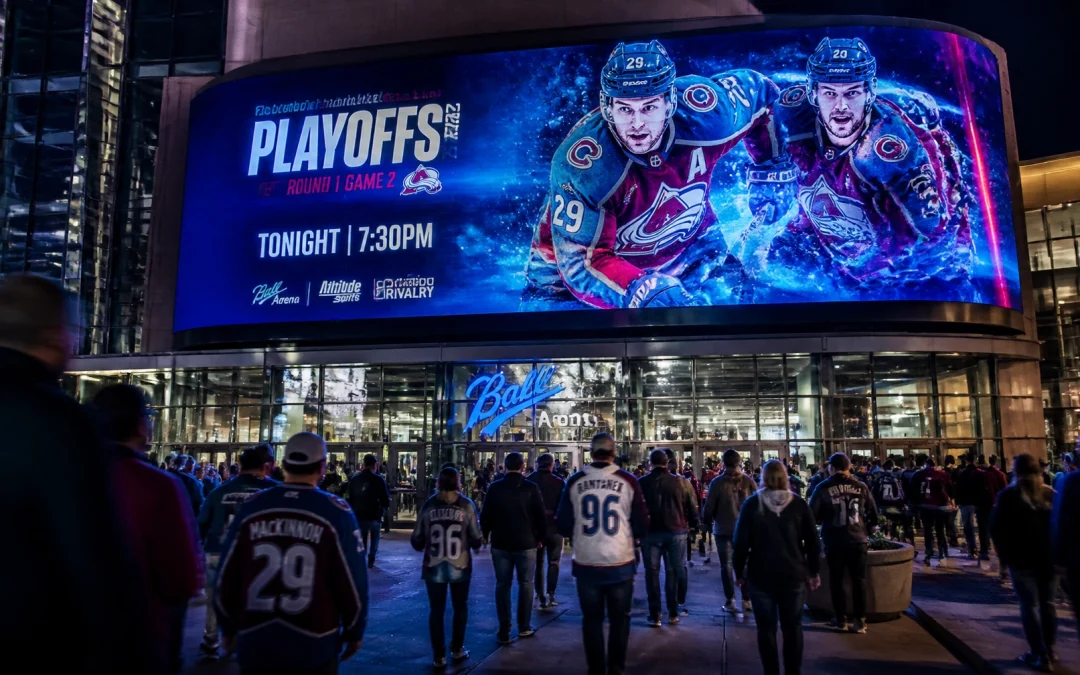
The landscape of sports marketing has evolved beyond traditional broadcast slots and static stadium signage. Digital Out-of-Home (DOOH) advertising has emerged as a cornerstone for brands seeking to engage fans within the high-emotion environment of professional athletics. For media buyers and brand managers, mastering arena marketing requires a sophisticated understanding of how technology, location, and timing converge to drive measurable outcomes.
OOH Sports provides a comprehensive network that bridges the gap between digital precision and physical presence. By leveraging the OOH Sports network, advertisers gain access to a vast array of digital video boards strategically placed to capture fan attention where it is most concentrated.
The Strategy of the Stadium Surround
Effective arena marketing extends far beyond the seats inside the stadium. The "Stadium Surround" strategy focuses on the entire fan journey, beginning hours before kickoff and continuing long after the final whistle. This approach acknowledges that the modern fan experience is a multi-stage process involving transit, dining, and social interaction.
The 10-Mile Perimeter Advantage
A primary tactic for dominating a sports market is the establishment of a 10-mile radius around the target arena. This perimeter serves as a high-intent zone where fans are most likely to spend time and money.
- Commuter Pathing: Digital screens along major highways and transit routes leading to the venue ensure the brand is the first message a fan sees during their commute.
- Retail and Dining Proximity: Placing ads near sports bars, restaurants, and convenience stores allows brands to influence immediate purchase decisions, such as beverage choices or last-minute fan gear.
- Residential Density: Targeting digital screens in residential lobbies within the 10-mile zone captures the attention of fans living in high-propensity neighborhoods before they even leave home.
By saturating this perimeter, a brand can achieve a sense of dominance and perceived sponsorship, even without being an official league partner. This tactical placement ensures that every fan entering or exiting the venue has been exposed to the brand message multiple times.
Technology and Programmatic Innovation
The shift toward programmatic Digital Out-of-Home (pDOOH) has transformed how media is bought and optimized in the sports sector. Rather than purchasing fixed boards for set periods, media buyers can now use data-driven triggers to activate screens in real time.
Programmatic DOOH (pDOOH) Mechanics
Using specialized Demand-Side Platforms (DSPs), such as StackAdapt, planners can execute campaigns with the same level of granularity found in online advertising. The benefits of pDOOH in a sports context include:
- Audience Targeting: Utilizing mobility data and device IDs to identify screens with a high concentration of sports enthusiasts or bettors.
- Efficiency: The ability to pause or shift budget instantly based on performance or changing market conditions.
- Scale: Accessing inventory across multiple categories, from Sportrons to transit hubs, through a single interface.

Dynamic Creative Optimization (DCO)
Dynamic creative allows advertisements to react to real-time data feeds, making the content significantly more relevant to the viewing audience. In a sports setting, creative can be programmed to change based on specific triggers:
- Game State: Ads can update automatically to show the current score, the quarter, or major highlights like a touchdown or a goal.
- Weather Conditions: If rain is forecasted near the stadium, creative can shift to promote rain gear or delivery services.
- Live Odds: For sports betting brands, displaying live, fluctuating odds on digital screens near the arena provides a direct call to action for fans looking to engage with the game.
This level of relevance increases ad recall and ensures that the brand remains integrated into the actual excitement of the event.
Key Environments for Maximum Impact
To achieve a comprehensive presence, media planners must diversify their placement across several key environments within the sports ecosystem.
On-Premise and Social Hubs
A significant portion of sports fans watch games at "on-premise" locations like sports bars and restaurants. This environment is ideal for beverage and Quick Service Restaurant (QSR) brands. Digital screens in these locations capture fans when they are in a relaxed, social state and ready to consume.
Transit and Hubs
Large-scale digital spectaculars at airports, train stations, and rideshare pickup zones serve as high-traffic touchpoints. These locations are particularly effective during major tournaments or playoff series when out-of-town fans are traveling into the city.

Retail and Point of Sale
DOOH screens located at grocery stores and convenience stores within the arena perimeter are critical for driving last-minute sales. For instance, a beer brand can run localized ads near specific retailers to drive foot traffic directly to the refrigerated aisle before the tailgate begins.
Category Use Cases and Results
The efficacy of Sports DOOH is evidenced by the substantial lift in key performance indicators across various industries. Analyzing historical data from the OOH Sports case study library reveals the strategic value of this medium.
Beverage and Alcohol
Beverage brands often utilize pDOOH to drive brand preference and purchase consideration. In a recent campaign, Mike's Hard Iced Tea achieved a 119 percent lift in positive brand image by utilizing programmatic DOOH. The strategy focused on targeting screens in high-traffic social areas and near points of sale during peak social hours. Detailed results of this execution can be found in the Mike's Hard Iced Tea case study.
Outdoor and Recreation
For brands in the outdoor and recreation sector, DOOH provides a way to target specific lifestyle segments. Sea-Doo implemented its first digital OOH campaign and saw purchase consideration increase by 144 percent. This was achieved by aligning the creative with outdoor-centric environments and utilizing data to reach potential buyers during their daily routines. Further details are available in the Sea-Doo campaign analysis.
Sports Betting and Gaming
The sports betting industry relies heavily on real-time engagement. By placing dynamic odds on digital boards near arenas and in sports bars, betting apps can drive immediate app downloads and bet placements. The ability to hyper-localize ads down to the Zip+4 level allows these brands to focus spending on the most profitable geographical clusters.
Measurement and Attribution
A critical component of modern arena marketing is the ability to quantify impact. Modern measurement frameworks go beyond simple impression counts to provide deep insights into consumer behavior.
- Brand Lift Studies: By using exposed versus control groups, researchers can measure changes in ad recall, brand awareness, and purchase intent.
- Foot Traffic Attribution: Leveraging anonymous mobility data allows advertisers to see if individuals exposed to a DOOH ad actually visited a specific retail location or stadium.
- Device ID Retargeting: Media buyers can identify mobile devices that were in the vicinity of a digital screen and retarget those users with mobile or social media ads to reinforce the message.

Planning Checklist for Media Buyers
When developing a Sports DOOH strategy, the following steps ensure a logical and effective execution:
- Define the Perimeter: Identify the core stadiums and establish a 10-mile radius for screen selection.
- Select Technology Partners: Choose a DSP capable of handling programmatic DOOH with robust data triggers.
- Develop Dynamic Creative: Create a set of "if-then" rules for creative changes based on game scores or weather.
- Integrate Mobile: Include QR codes or geofencing to turn a passive viewing experience into an active interaction.
- Establish Measurement KPIs: Determine whether the primary goal is brand lift, foot traffic, or digital conversions before the flight begins.
The integration of DOOH into the sports marketing mix provides an unparalleled opportunity for brands to become a part of the fan's emotional journey. By combining the scale of outdoor advertising with the precision of digital technology, media buyers can master the arena environment and deliver superior results for their clients.