
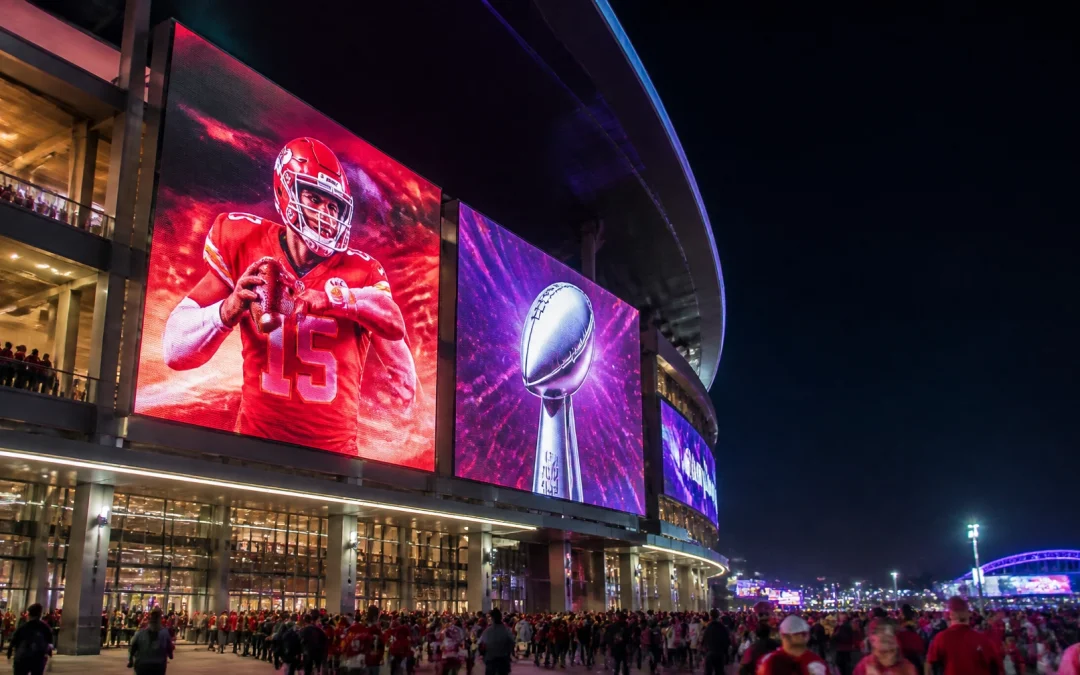
The landscape of sports marketing is undergoing a significant transformation as the industry approaches Super Bowl LX in 2026. For media buyers and brand managers, the challenge of standing out during the most crowded advertising window of the year requires a departure from traditional high-cost, single-point television buys. The emergence of Name, Image, and Likeness (NIL) regulations has created a new frontier. Brands can now leverage the authentic voices of student-athletes to create a multi-layered presence that resonates far beyond the stadium seats of Levi’s Stadium in Santa Clara.
This guide outlines the strategic integration of NIL platforms with digital out-of-home (DOOH) networks to build a comprehensive, high-impact campaign for the 2026 Super Bowl.
Objective and Strategy
The primary objective for any Super Bowl campaign is to achieve maximum visibility and brand resonance during a period of peak consumer attention. In 2026, the strategy centers on "The Power of Many." Rather than relying on a single pro-athlete spokesperson, brands are now deploying campaigns featuring a network of over 20,000 student-athletes. This approach provides a level of authenticity and regional reach that traditional celebrity endorsements often lack.
The strategy involves a two-pronged approach. First, brands utilize a specialized NIL platform to coordinate content creation across a vast demographic of athletes. Second, this content is amplified through a strategic DOOH perimeter strategy, ensuring the brand message is visible within a 10-mile radius of the championship venue and key fan zones across the San Francisco Bay Area.

The NIL Platform: Scaling Authenticity
Connecting with 20,000 authentic student-athlete voices requires a sophisticated technological backbone. Media buyers must move away from manual negotiations and toward automated NIL platforms that allow for rapid scaling. These platforms facilitate the identification of athletes who align with specific brand values, whether they are high-profile quarterbacks or influential stars in niche sports like volleyball or gymnastics.
By 2026, the NIL marketplace has shifted from a disorganized landscape into a structured environment where media buyers can purchase athlete "packages." These packages provide standardized usage rights and creative deliverables, making it possible to execute national campaigns with localized precision. For a media buyer, the value lies in the high-performing assets generated by these athletes. These assets, often in the form of short-form video or lifestyle photography, can be repurposed across social channels, CTV, and DOOH.
The following video illustrates the impact of integrating such voices into a broader sports media strategy:
https://www.youtube.com/watch?v=l6J-0zileKE
Strategy: The 10-Mile Perimeter DOOH Network
A critical component of mastering the Super Bowl is dominating the physical space surrounding the event. For Super Bowl LX, the focus is on the 10-mile radius around Levi’s Stadium and the high-traffic corridors of San Jose and San Francisco. Digital out-of-home advertising boards, including Sportrons, offer a way to reach fans as they travel to and from the stadium, attend fan fests, or visit local hospitality hubs.
The perimeter strategy ensures that the brand remains "top of mind" during the entire Super Bowl week, not just the four hours of the game. By using programmatic DOOH, media buyers can trigger specific creative to appear based on time of day, local traffic patterns, or even real-time game scores. This level of agility is essential for maintaining relevance in a fast-paced event environment.

Key Tactics for the Perimeter Strategy:
- Identify high-dwell time locations such as transit hubs, shopping centers, and popular dining areas within the 10-mile radius.
- Deploy localized creative that references the San Francisco Bay Area to build a connection with the host city.
- Synchronize DOOH creative with the social media posts of student-athletes to create a unified omnichannel experience.
- Utilize mobile retargeting to capture device IDs exposed to the DOOH boards, allowing for follow-up messaging on digital platforms.
Technology Partners and Integration
Execution of a large-scale NIL and DOOH campaign requires a robust ecosystem of technology partners. The integration of specialized NIL marketplaces with Demand-Side Platforms (DSPs) like StackAdapt allows for seamless programmatic buying. This connectivity ensures that the data gathered from athlete engagement can inform the bidding strategies for the DOOH boards.
These technology partners provide the necessary transparency and reporting that media buyers require. Dashboards provide real-time metrics on campaign health, from the number of athlete posts to the total impressions delivered across the digital signage network. This data-driven approach removes the guesswork from sports marketing, replacing it with a precise, analytical methodology.

Creative Strategy: From Polished to Purposeful
The creative for a 2026 Super Bowl campaign must bridge the gap between the polished aesthetic of the big game and the purposeful, authentic style of student-athlete content. The goal is to create a visual narrative that feels organic to the athlete’s own brand while still maintaining the high-resolution standards of professional OOH displays.
Brands should prioritize User-Generated Content (UGC) styles that have been professionally edited for high-impact screens. When a fan sees a student-athlete they follow on social media appearing on a large-scale digital billboard near the stadium, the resulting brand trust is significantly higher than that of a standard corporate advertisement. This strategy turns the athlete into a bridge between the digital world and the physical environment of the Super Bowl.
Logistics and Execution
The logistics of a campaign involving thousands of athletes and hundreds of digital boards are complex. Successful execution depends on a clear timeline and well-defined deliverables. Media buyers should initiate the planning process at least six months prior to the February 8, 2026, game date.
- Selection Phase: Use the NIL platform to vet and select athletes based on engagement rates and audience demographics.
- Creative Development: Distribute brand guidelines and creative briefs to the athletes to ensure consistency.
- DOOH Planning: Map out the digital video advertising boards within the 10-mile perimeter and secure inventory through programmatic channels.
- Campaign Launch: Coordinate the rollout of student-athlete content with the activation of the DOOH network during the week leading up to the game.
- Real-Time Optimization: Monitor performance and shift budget to the highest-performing athletes and billboard locations.
Results and Measurement: Quantifying the Impact
The success of a Super Bowl NIL and DOOH campaign is measured through a combination of brand lift studies and digital attribution. Previous campaigns have demonstrated the power of this integrated approach. For instance, White Claw’s programmatic DOOH campaign achieved a 74 percent lift in purchase consideration, a metric that highlights the effectiveness of reaching consumers in high-intent environments.
Similarly, other major brands have seen significant shifts in brand perception by utilizing dynamic digital media. One study focused on Mike’s Hard Iced Tea showed a 119 percent lift in positive brand image through programmatic DOOH. For media buyers planning for 2026, these benchmarks provide clear evidence that a localized, athlete-driven strategy can deliver a higher return on investment than traditional methods.
Metrics to Track:
- Total Reach and Frequency: Combined data from the NIL platform and DOOH network.
- Engagement Rate: Interaction levels on athlete-posted content.
- Brand Lift: Measured through pre- and post-campaign surveys focusing on awareness and purchase intent.
- Foot Traffic: Analysis of anonymized location data to determine the increase in visits to retail locations within the 10-mile radius.
Conclusion
Mastering the 2026 Super Bowl requires media buyers to think beyond the television screen. By combining the authentic influence of a student-athlete NIL platform with the strategic reach of a DOOH perimeter network, brands can create an immersive experience that resonates with fans on multiple levels. The transition from a single voice to 20,000 voices, backed by a 10-mile radius of digital advertising, represents the next evolution in sports marketing. As the industry moves toward Super Bowl LX, those who leverage these integrated technologies will be best positioned to capture the hearts and minds of the sports world.