
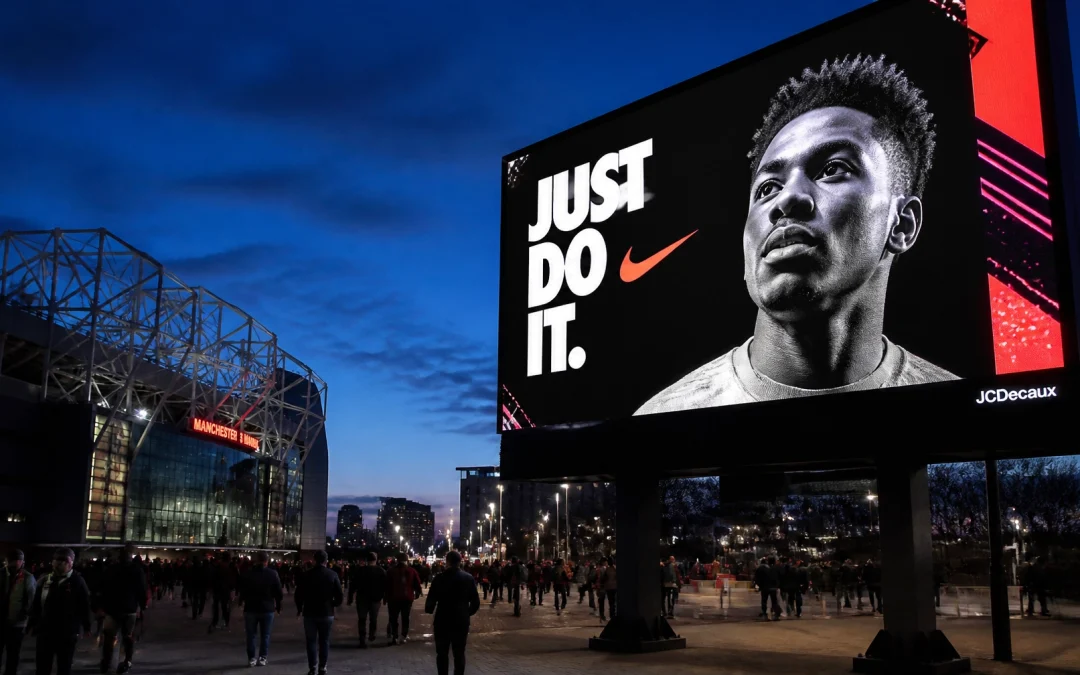
The landscape of sports marketing is undergoing a significant transformation. Traditional advertising methods, while still relevant, are being augmented and in some cases replaced by more agile, data-driven solutions. Among these, Digital Out-of-Home (DOOH) advertising has emerged as a frontrunner, specifically within the sports sector. This shift is not merely about changing the medium from paper to pixels; it represents a fundamental change in how brands interact with fans. By leveraging technology, real-time data, and strategic placement, sports DOOH has become a critical tool for media buyers and brand managers seeking to cut through the noise of a crowded digital marketplace.
The Strategic Shift: From Static to Dynamic
For decades, sports advertising was synonymous with static billboards and stadium signage that remained unchanged for entire seasons. While these placements provided visibility, they lacked the flexibility to respond to the fast-paced nature of sports. The introduction of programmatic DOOH has corrected this imbalance. Today, OOH Sports provides a platform where advertisements can be adjusted in real-time based on game scores, weather conditions, or specific fan behaviors.
This evolution is driven by the demand for hyper-relevance. Modern consumers, particularly sports fans, expect content that reflects their current reality. When a brand can trigger an advertisement the moment a home team scores or a championship is won, the emotional connection with the audience is amplified. This level of synchronization was previously impossible with traditional out-of-home media.
The Perimeter Advantage: The 10-Mile Strategy
One of the most effective innovations in this space is the concept of perimeter-based targeting. Rather than spreading a budget thin across an entire metropolitan area, strategic campaigns now focus on a high-impact zone around sports venues. Specifically, a 10-mile radius around arenas and stadiums has proven to be a high-conversion environment.

This strategy captures the fan journey from start to finish. It begins as fans commute to the game, continues as they congregate in nearby sports bars and restaurants, and remains active as they depart. This 10-mile perimeter serves as a "fan hub," where the concentration of the target demographic is at its highest. By saturating this specific area with digital video advertising boards, brands can maintain a consistent and dominant presence during peak engagement periods.
Objective and Strategy: Leveraging Specialized Inventory
The objective of most modern sports DOOH campaigns is twofold: maximizing reach among a specific high-intent audience and driving measurable brand lift. To achieve this, the OOH Sports Network utilizes a diverse array of digital assets. These are not limited to large-scale billboards. The inventory includes:
- Digital screens in sports bars and transit hubs.
- In-gym displays where active fans spend their pre-game or post-game time.
- Street-level urban panels that catch foot traffic in entertainment districts.
- Perimeter signage that surrounds the primary sports venue.
By diversifying the types of screens used, a campaign can achieve multiple touchpoints. A fan might see a brand on a highway billboard while driving to the stadium, then see the same brand on a digital screen while ordering a drink at a nearby bar, and finally see a mobile retargeting ad that reinforces the message.
Technology Partners and Programmatic Integration
The backbone of this innovation is the integration of programmatic technology. Collaborative efforts with specialized platforms, such as the StackAdapt DSP, have made DOOH as easy to buy and optimize as online display ads. Programmatic DOOH allows media buyers to set specific triggers for their campaigns.
For instance, a brand can choose to only display ads when the local temperature exceeds a certain degree, which is ideal for beverage companies. Alternatively, ads can be set to "burst" during the two hours before and after a major rivalry game. This level of control ensures that no portion of the advertising budget is wasted on low-impact time slots.
Real-Time Creative and Moment Marketing
Dynamic Creative Optimization (DCO) is another pillar of sports DOOH innovation. This technology allows the creative elements of an ad, such as the text, imagery, or call-to-action, to change automatically based on data feeds. In the context of sports, this means a brand can display the live score of an ongoing game or celebrate a victory in real-time.

This "moment marketing" approach ensures that the advertisement feels like a part of the event rather than an interruption. When a brand's message is perfectly timed with a significant sporting moment, it benefits from the "halo effect" of the positive emotions associated with the game. This strategy has been instrumental in changing DOOH from a passive medium to an active participant in the fan experience.
Results: Quantifying the Impact
The success of these strategies is supported by significant data from various campaigns. By examining case studies, it becomes clear that the combination of proximity targeting and programmatic flexibility delivers superior ROI.
- White Claw Campaign: When launching a new vodka product, White Claw utilized programmatic DOOH to target high-traffic areas near sports and entertainment venues. The results showed a 74% lift in purchase consideration.
- Sea-Doo Activation: In its first major digital OOH campaign, Sea-Doo targeted specific lifestyle locations and sports hubs. This effort resulted in a 144% increase in purchase consideration.
- AB InBev (Mike’s Hard Iced Tea): By focusing on programmatic DOOH, this campaign achieved a 119% lift in positive brand image, demonstrating that DOOH is highly effective for shifting consumer perception.
These results are measured using advanced attribution methods, such as tracking device IDs exposed to the ads and following their subsequent actions, whether that is a website visit or a physical store entry. This level of accountability is what has finally brought DOOH into the core media mix for many major brands.
Implementation: A Guide for Media Buyers
For those looking to enter the sports DOOH space, the process has been streamlined into a few logical steps:
- Define the Perimeter: Identify the sports venues and surrounding areas that align with the target audience.
- Establish Triggers: Determine which external factors (score, weather, time) should activate the advertisements.
- Coordinate Creative: Develop dynamic creative assets that can adapt to real-time data feeds.
- Omnichannel Integration: Ensure that DOOH efforts are synced with mobile and CTV campaigns for a unified narrative.
- Monitor and Optimize: Use the data provided by programmatic platforms to adjust the campaign mid-flight for maximum performance.

By following this framework, media buyers can move away from the "set it and forget it" mentality of traditional outdoor advertising and instead manage their campaigns with the precision of a digital performance marketer.
The Future of Sports Out-of-Home
The innovation in sports DOOH is not slowing down. As more screens become digitized and AI-driven automation becomes more sophisticated, the opportunities for brands to engage with fans will only grow. The integration of augmented reality and more granular audience measurement tools will further refine how these campaigns are executed.
The conversation around sports DOOH is growing because the medium has finally caught up with the digital expectations of modern brands. It offers the scale of traditional outdoor media combined with the precision and flexibility of the internet. For any brand looking to capture the attention of the passionate and loyal sports demographic, this innovation is no longer optional. It is the new standard for effective sports marketing.