
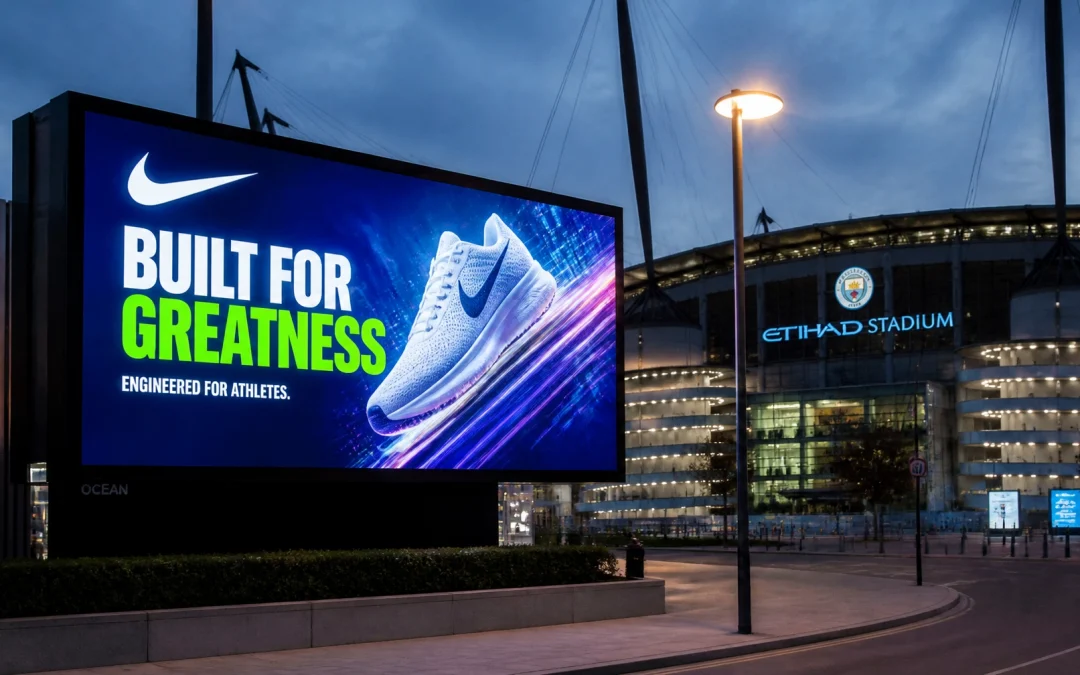
The landscape of sports marketing is undergoing a significant transformation as digital out-of-home (DOOH) advertising reaches new levels of scale and precision. OOH Sports has officially announced the expansion of its network to over 25,000 digital screens across North America. This milestone positions the company as a primary provider for media buyers, brand managers, and chief marketing officers who seek to reach high-value sports audiences with unparalleled frequency and geographic density.
By moving beyond the traditional confines of the stadium, this network growth provides a comprehensive solution for brands that want to stay connected with fans throughout their entire journey. The expansion is not just about the quantity of screens but the strategic placement and technological capabilities that allow for more sophisticated, data-driven campaigns.
Objective and Strategy
The primary objective of this network expansion is to solve a common challenge in sports marketing: the limitation of physical boundaries. While in-stadium signage offers high visibility during a game, it often fails to reach the fan before they arrive or after they depart. The strategy deployed by OOH Sports involves saturating a 10-mile radius around major sports venues with high-impact digital video boards.
This approach creates a surround-sound effect for brand messaging. By securing inventory in every major category, including transit hubs, retail locations, and high-traffic thoroughfares near arenas, the network ensures that a brand’s presence is felt long before the opening kickoff. The goal is to bridge the gap between physical advertising and digital performance, making out-of-home sports campaigns as measurable and optimized as online display ads.

Technology Partners and Programmatic Integration
The effectiveness of a 25,000-screen network relies heavily on the underlying technology that drives ad delivery. OOH Sports utilizes advanced programmatic digital out-of-home (pDOOH) platforms to offer media buyers flexibility and precision. Through partnerships with industry-leading demand-side platforms (DSPs), such as StackAdapt, the network allows for real-time bidding and automated execution of campaigns.
Programmatic integration enables several key tactics:
- Geofencing and Proximity Targeting: Advertisements can be triggered when specific audience segments are detected within the 10-mile radius of a venue.
- Dayparting: Brands can synchronize their creative to run during peak fan travel times, such as the hours leading up to a game or the immediate aftermath of a victory.
- Dynamic Creative Optimization: Messaging can change based on live sports data, such as real-time scores, weather conditions, or local event schedules.
This technological framework transforms traditional billboards into dynamic assets that respond to the environment and the audience in real-time. For more details on the specific assets available, readers can explore the Sportrons page.
The Fan Journey: Beyond the Arena
The modern sports fan does not exist in a vacuum. Their experience begins at home, continues through their commute, and extends to post-game celebrations. The expansion to 25,000 screens is designed to follow this exact trajectory. By placing marketing assets at key touchpoints, OOH Sports provides brands with multiple opportunities to influence consumer behavior.
For instance, a fan traveling to a stadium may encounter a brand message on a digital spectacular along the highway, see it again on a kiosk near the venue entrance, and engage with it once more at a sports bar within the 10-mile radius. This repetition builds brand familiarity and drives higher recall rates compared to isolated ad placements. The high-density placement ensures that the message is unavoidable without being intrusive, blending naturally into the excitement of the game day atmosphere.

Network Logistics and Asset Diversity
A critical component of this growth is the diversity of the screens within the network. OOH Sports does not rely on a single format. Instead, it offers a mix of large-format spectaculars, street furniture, and place-based media. This variety allows for a tiered creative strategy where different formats serve different roles in the marketing funnel.
- Large Format Spectaculars: These serve as the "hero" placements, designed for high impact and brand awareness.
- Transit and Street Furniture: These screens capture the attention of fans during their commute, providing high dwell time and frequency.
- Retail and Lifestyle Screens: Placed in environments where fans congregate, such as sports bars and retail centers, these screens are ideal for driving immediate purchase consideration.
The logistical coordination required to manage 25,000 screens involves sophisticated inventory management and a commitment to maintaining high-resolution, professional-grade displays. This ensures that every brand message is delivered with clarity and impact, regardless of the screen's location or size.
Quantifiable Results and Impact Measurements
The success of the OOH Sports network is best demonstrated through the data collected from recent campaigns. The ability to measure brand lift and attribution has become a standard feature of the network's offering. By leveraging mobile device IDs and exposure data, OOH Sports can provide media buyers with concrete evidence of a campaign's effectiveness.
Recent case studies highlight the magnitude of these results:
- White Claw: A programmatic DOOH campaign for the brand's vodka launch resulted in a 74% lift in purchase consideration.
- Mike's Hard Iced Tea: This campaign saw a 119% lift in positive brand image by targeting fans in high-energy environments.
- Sea-Doo: The brand's first digital OOH campaign led to a 144% increase in purchase consideration, demonstrating the power of reaching fans in relevant contexts.
These results are measured through rigorous brand lift studies and attribution modeling, allowing brands to see the direct correlation between screen exposure and consumer action. The expansion to 25,000 screens only increases the sample size and geographic reach available for these studies, providing even more robust data for future planning.

Strategic Alignment with Industry Trends
The growth of OOH Sports aligns with broader trends in the advertising industry. Total out-of-home advertising revenue has reached record levels, with digital formats serving as the primary engine for growth. As programmatic adoption continues to rise, the demand for large-scale, specialized networks has never been higher.
Media buyers are increasingly looking for ways to integrate OOH into their omnichannel strategies. A network of 25,000 sports-focused screens offers a unique opportunity to align OOH spend with digital, social, and television efforts. By focusing specifically on the sports vertical, OOH Sports provides a level of context that general OOH networks cannot match. This specialization is a key reason why the about section of the company emphasizes its role as a storyteller in the sports marketing world.
Execution and Media Buying Efficiency
The process of buying sports media has traditionally been fragmented, requiring separate deals for different stadiums or regions. The 25,000-screen expansion simplifies this process by providing a single point of access for a national network. Media planners can now execute large-scale campaigns with a single buy, reducing administrative overhead and ensuring consistency in campaign delivery.
The network’s scale also allows for better pricing efficiency. By managing a vast array of assets, OOH Sports can offer competitive rates while maintaining high standards for visibility and performance. This efficiency is particularly valuable for brands with large-scale national presence that need to maintain a local feel in every sports market.

Conclusion
The expansion to 25,000 digital screens marks a pivotal moment for OOH Sports and the sports marketing industry at large. By combining massive scale with the precision of programmatic technology, the network offers a new way for brands to connect with the most passionate audiences in the world. The focus on a 10-mile radius around venues, the diversity of screen formats, and the ability to provide quantifiable results make this growth a game-changer for media buyers.
As the network continues to evolve, the focus remains on delivering brand messages in a way that is as dynamic and high-energy as the sports themselves. For brands looking to make a lasting impression on fans, the OOH Sports network provides the reach, the technology, and the data necessary to succeed in a competitive landscape.