
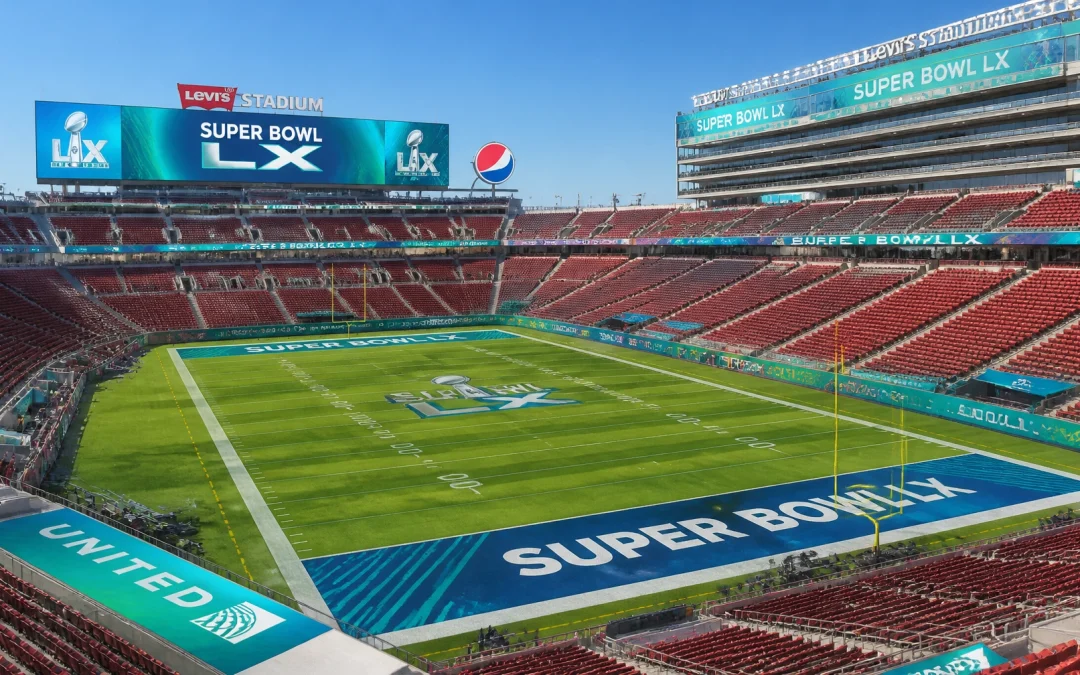
The landscape of sports marketing is undergoing a significant transformation as the industry prepares for Super Bowl LX. Scheduled for February 2026 at Levi’s Stadium in Santa Clara, California, this event represents more than just a championship game. It is a pinnacle for brand visibility and audience engagement. For media buyers and brand managers, achieving a measurable return on investment (ROI) requires a strategy that moves beyond traditional 30-second television spots.
Success in this high-stakes environment is built on a foundation of experience. With forty years of leadership in the sports advertising sector, OOH Sports and the Sports Media Inc. family have refined the mechanics of high-impact branding. The evolution from static stadium signage to a fully integrated digital out-of-home (DOOH) network allows brands to maintain a constant presence in the lives of fans. This guide outlines five essential tips for maximizing ROI through venue-wide and perimeter-based branding strategies tailored for the 2026 season.
Objective and Strategy
The primary objective for any Super Bowl campaign is to achieve "domination" within a specific geographic and digital footprint. For Super Bowl 2026, the strategy centers on the San Francisco Bay Area, specifically the ten-mile radius surrounding Levi’s Stadium. The goal is to create a seamless brand experience that begins long before a fan enters the stadium gates and continues through the post-game celebration.
A multi-layered approach is required. This involves securing high-visibility assets such as digital billboards, transit displays, and venue-specific inventory like floor graphics and concourse screens. By layering these physical touchpoints with programmatic digital buying, brands can ensure their message is seen at the right time and in the right context.
1. Execute Comprehensive Perimeter Targeting
One of the most effective ways to boost ROI is to capture the attention of the "unfiltered" audience in the surrounding area. While only a limited number of fans hold tickets to enter the stadium, hundreds of thousands more descend upon the host city for related festivities.
Effective perimeter targeting involves securing digital video advertising boards within a ten-mile radius of the sports venue. This covers key transit corridors, hotel districts, and fan zones. By utilizing a network that encompasses all digital video categories, a brand can maintain a frequency of message that builds significant brand recall. In the Bay Area, this means dominating the routes from San Francisco International Airport (SFO) to Santa Clara, ensuring the brand is the first and last thing travelers see.
2. Implement Venue-Wide Integration from Floors to Billboards
Inside the venue, the competition for attention is fierce. To stand out, a brand must move beyond the jumbotron. Comprehensive venue-wide branding involves a "floor-to-ceiling" philosophy.

Strategic placement includes:
- Floor Graphics: High-impact vinyl graphics in high-traffic concourse areas and entry points. These are often overlooked but offer a unique, "unblockable" vantage point for fans moving through the stadium.
- Concourse Digital Screens: Utilizing the internal television networks and digital displays within the stadium to run synchronized messaging during game breaks.
- Digital Ribbons: Continuous LED displays that encircle the stadium bowl, providing a backdrop for every major play and fan celebration.
When these elements are coordinated, the brand becomes part of the stadium architecture itself. This level of integration ensures that the brand is present in the background of thousands of fan photos and social media posts, extending the reach far beyond the physical attendees.
3. Leverage Forty Years of Advertising Leadership
Experience is a critical asset when navigating the complexities of a Super Bowl campaign. The sports marketing industry is filled with logistics, from NFL style guide compliance to local permitting. Forty years of experience in the field provides a significant advantage in securing premium inventory and understanding the nuances of fan behavior.

OOH Sports operates as a specialized arm of the Sports Media Inc. family, bringing a legacy of storytelling to the modern digital landscape. This history allows for better negotiation with venue operators and a deeper understanding of which placements actually drive results. For a media buyer, partnering with an entity that has managed four decades of sports cycles provides a layer of security and expertise that new entrants cannot replicate.
4. Utilize Programmatic DOOH for Real-Time Flexibility
The ability to adapt in real time is a major factor in modern ROI. Programmatic digital out-of-home (pDOOH) technology allows brands to change their creative based on live game data, weather conditions, or local events.

For Super Bowl 2026, programmatic buying allows for:
- Moment-Based Triggering: Deploying specific creative if a certain team scores or at the exact moment the halftime show begins.
- Dynamic Content: Updating scores or social media feeds directly on billboards in the Santa Clara area.
- Efficient Spend: Moving budget in real time to the locations where fan density is highest, such as shifting focus from the airport to the stadium gates as game time approaches.
This technology eliminates the waste associated with static signage and ensures that the brand remains relevant throughout the shifting dynamics of the event week.
5. Prioritize Measurement and Multi-Touch Attribution
The final tip for boosting ROI is to treat OOH branding as a measurable digital channel. Advanced tracking methods now allow companies to measure the direct impact of stadium and perimeter advertising.

By using device ID tracking and geofencing, it is possible to identify users who were exposed to a specific billboard or stadium display and subsequently visited a website or made a purchase. This data-driven approach moves OOH from a "brand awareness" line item to a performance marketing channel.
Key metrics to monitor include:
- Foot Traffic Lift: Measuring the increase in visits to retail locations or fan zones following exposure to OOH ads.
- Brand Sentiment Shift: Utilizing post-event surveys to quantify the impact of the venue-wide presence on brand perception.
- Digital Correlation: Analyzing the spike in search volume and social engagement in the San Francisco DMA during the campaign period.
Technology Partners and Execution
Execution at this scale requires a robust network of technology partners. OOH Sports utilizes a proprietary network that provides access to over 25,000 digital screens across the nation, with a specialized focus on the areas surrounding major sports arenas. By integrating with leading demand-side platforms (DSPs), the company allows media buyers to plan and execute complex campaigns with precision.
The process begins with a detailed mapping of the Bay Area's digital landscape. This includes every category of digital display, from transit hubs to retail centers. The result is a comprehensive "Digital Sports Network" that provides a perimeter of protection and promotion for the brand.
https://www.youtube.com/watch?v=l6J-0zileKE
Results and ROI Expectations
When these strategies are implemented correctly, the results are significant. Historical data from similar high-profile sports campaigns indicates that integrated venue-wide branding can lead to a 30 percent to 40 percent increase in brand recall compared to isolated television advertising.
Furthermore, by capturing the audience in the "last mile" before they enter the stadium, brands often see a higher correlation with immediate digital actions, such as app downloads or social media follows. The combination of forty years of experience and modern programmatic tools ensures that every dollar spent is optimized for maximum visibility and impact.
Conclusion
Super Bowl 2026 presents a unique opportunity for brands to dominate the conversation in a tech-forward market. By focusing on venue-wide coverage, leveraging decades of industry expertise, and utilizing the latest in programmatic DOOH technology, media buyers can achieve an ROI that far exceeds traditional methods. The move from simple billboards to a comprehensive "floor-to-ceiling" and perimeter-wide strategy is the hallmark of a modern, successful sports marketing campaign.
For those looking to build a digital out-of-home sports network, the path to success lies in detailed planning, strategic placement, and a commitment to measurable outcomes. As the road to Santa Clara begins, the time to secure a place in the hearts and minds of fans is now.