
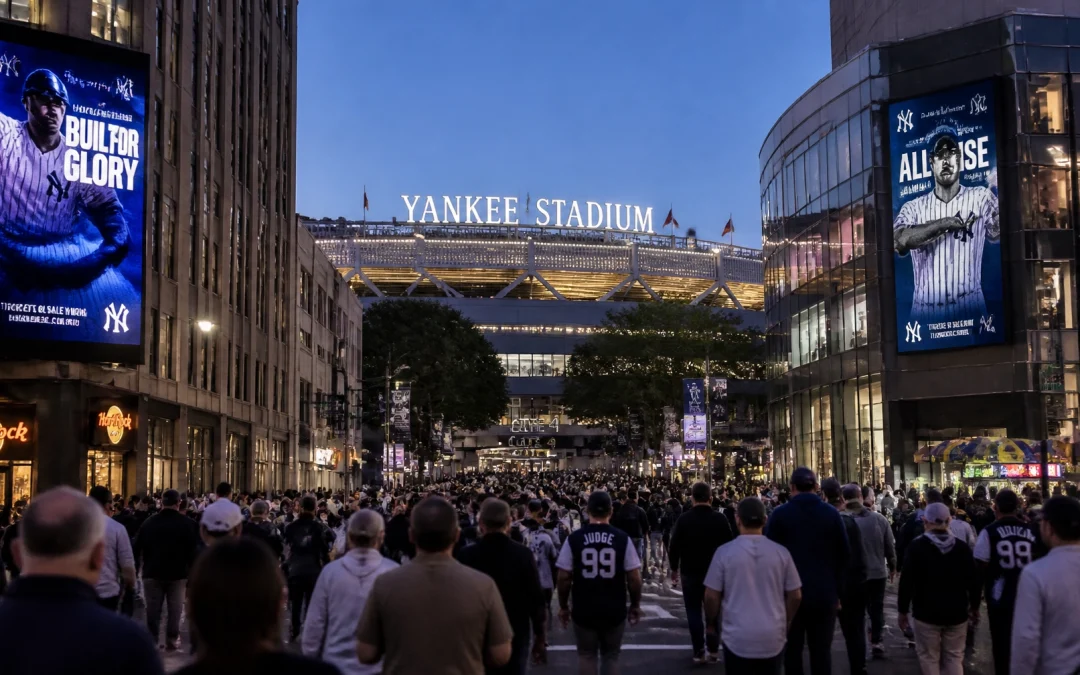
The landscape of sports marketing is undergoing a significant transformation as digital out-of-home (DOOH) advertising moves beyond the stadium walls. OOH Sports, a leader in the sports media sector, has announced a massive expansion of its network, providing media buyers and brand managers with unprecedented access to fans. This expansion is designed to bridge the gap between high-energy game moments and the daily lives of consumers.
By scaling its footprint and integrating advanced programmatic technology, the network now offers a "surround-sound" advertising experience. This strategy ensures that a brand’s message is present throughout the entire fan journey, from the moment a supporter leaves their home to the final post-game celebration. For those looking to maximize media impact in a competitive market, understanding the mechanics of this expansion is essential.
Strategy: Capturing the Full Fan Journey
The core strategy behind the OOH Sports expansion is rooted in the concept of movement. While traditional sports advertising often focuses on the duration of the game, this network targets the high-density traffic patterns that occur before and after the whistle blows. By placing digital screens in the places where fans congregate, eat, and travel, the network creates multiple touchpoints that reinforce brand recall.
The objective is to move from static, isolated impressions to a dynamic, omnichannel layer. This approach recognizes that sports fans are a unique demographic, often characterized by high engagement and emotional investment. The expansion leverages these traits by ensuring advertisements appear in contextually relevant environments, such as sports bars and fitness centers, where the fan mindset is already active.

10 Things to Know About the OOH Sports Expansion
1. A New 10-Mile Perimeter Standard
The most significant shift in the network’s strategy is the adoption of a 10-mile radius around major stadiums and arenas. Previously, many outdoor sports campaigns focused on a tighter three-mile window. Research into fan behavior indicated that the journey to a game often begins much further out. The 10-mile perimeter captures commuters, shoppers, and fans visiting local hospitality hubs, ensuring a brand is the first and last thing they see on game day.
2. Growth to 25,000 Digital Screens
Scale is a primary driver of media impact. The network has expanded to include over 25,000 digital screens across North America. This vast inventory allows for high-reach national campaigns or hyper-local executions. Whether a brand needs to dominate a single city during a championship or maintain a presence across every major sports market, the sheer volume of screens provides the necessary infrastructure.
3. Full Programmatic Integration
Modern media buying requires flexibility and speed. The expanded network is fully integrated with leading programmatic DOOH (pDOOH) platforms like StackAdapt. This allows media planners to buy, manage, and optimize their campaigns in real-time. Programmatic access means that sports inventory can now be managed with the same precision as digital display or CTV, including audience segmenting and dayparting.
4. Diversity of Venue Types
To reach fans where they live and play, the expansion includes a wide variety of venue categories. Brands can now place their creative in:
- Sports bars and casual dining establishments
- High-end gyms and fitness centers
- Office buildings and urban pedestrian panels
- Quick Service Restaurants (QSRs)
- Transportation hubs and transit centers

5. Synergy with the Sportrons Network
While OOH Sports dominates the perimeter, its sister network, Sportrons, handles the interior. The expansion facilitates a seamless transition between external DOOH and internal stadium screens. This combination allows a brand to "own" the entire ecosystem of a game, following the fan from the parking lot to the concourse and eventually to their seat.
6. Data-Driven Audience Targeting
The network utilizes sophisticated data collection, including device ID capture and geofencing. This technology allows advertisers to build detailed audience profiles of the fans exposed to their ads. By understanding who is seeing the screens, brands can execute retargeting campaigns on mobile and social media, creating a closed-loop marketing system that extends far beyond the physical billboard.
7. Contextual Real-Time Triggers
The expansion includes the ability to use real-time sports data to trigger specific creative assets. Advertisements can change based on the score of a game, a specific player’s performance, or even the weather. For instance, if a home team wins, the screens across the 10-mile perimeter can immediately switch to celebratory messaging, tapping into the positive emotional state of the fan base.
8. Flexible CPM-Based Pricing
To accommodate various budget levels, the network operates on a flexible CPM (cost per thousand impressions) basis. Rates typically range from $5 to $30, depending on the venue type and location. This allows media buyers to scale their investment according to their specific goals, whether they are looking for broad awareness or high-intent conversions in premium locations like office buildings or gyms.

9. Rainout and Event Protection
One of the logistical challenges of sports marketing is the unpredictability of live events. The expanded network includes automated protections for outdoor venues. If a game is rained out or cancelled, the campaign is automatically paused, ensuring that ad spend is not wasted on empty stadium perimeters. This level of automation provides peace of mind for brand managers who need to ensure every dollar is spent effectively.
10. Measurable Attribution and Results
The shift from "traditional OOH" to "performance DOOH" is a key theme of this expansion. The network provides detailed analytics that measure impressions, engagement, and even footfall traffic. By linking screen exposure to real-world actions, such as visiting a retail location or downloading an app, OOH Sports provides the hard data required to prove ROI in a modern marketing mix.
Technology Partners and Execution
The success of the expansion relies on a robust technological foundation. By partnering with major adtech providers, OOH Sports has simplified the execution process for media planners. Campaigns can be launched with minimal lead time, and creative can be updated across the entire 25,000-screen network simultaneously.
This technological agility is particularly useful for brands participating in NIL (Name, Image, and Likeness) deals. As athlete-driven content becomes more prevalent, the ability to deploy time-sensitive, athlete-focused creative near stadiums is a significant competitive advantage.

Results and Impact
Initial data from the expanded network suggests a marked increase in consumer action. According to internal reports, fans reached through the multi-touchpoint, 10-mile perimeter strategy are 60 percent more likely to take action compared to those exposed to a single ad format. This suggests that the "surround-sound" approach significantly lowers the barrier to conversion.
Furthermore, brands utilizing the programmatic integration have reported a 25 percent average increase in ROI. This is attributed to the ability to optimize campaigns on the fly and target specific audience segments rather than relying on broad, untargeted impressions. The network currently delivers over 50 million monthly impressions, making it one of the most powerful tools available for sports-focused branding.
Conclusion: The Future of Sports Media
The expansion of the OOH Sports network represents a new standard for how brands interact with fans. By moving beyond the 3-hour game window and the immediate stadium vicinity, the network has created a pervasive media layer that captures the lifestyle of the sports enthusiast.
For media buyers and CMOs, the message is clear. To achieve maximum impact, one must look at the entire fan journey. With 25,000 screens, a 10-mile reach, and programmatic precision, OOH Sports provides the scale and technology needed to turn every game day into a major branding success.
As the industry continues to evolve, those who leverage data-driven, perimeter-based strategies will be best positioned to win the hearts and minds of America’s most passionate consumers. For more insights on optimizing your strategy, visit the OOH Sports media planning guide.
