
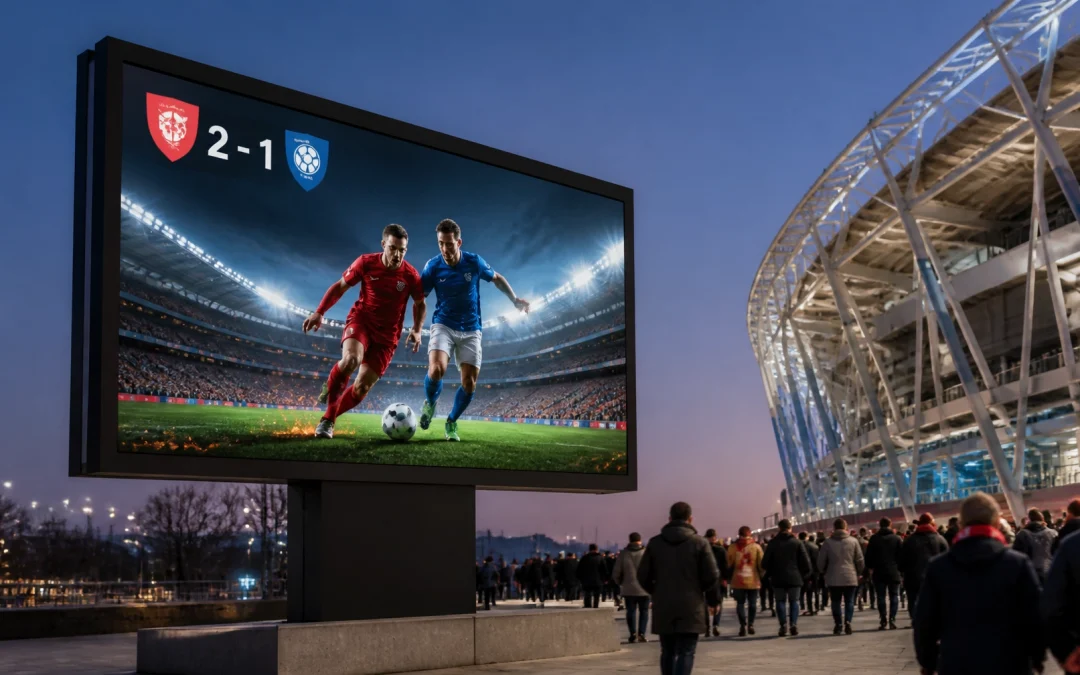
The landscape of sports marketing is undergoing a significant transformation. As traditional advertising channels face increasing fragmentation, digital out of home (DOOH) advertising has emerged as a cornerstone for brands looking to capture the attention of a highly engaged and mobile audience. This digest explores the latest innovations, strategic methodologies, and data driven opportunities within the OOH Sports Network, providing a roadmap for media buyers and brand managers to excel in the current sports media environment.
The Strategic Shift to Programmatic DOOH
The transition from manual buying to programmatic digital out of home (pDOOH) represents one of the most critical shifts in the industry. By 2026, programmatic adoption has moved from an experimental phase to a standard operational requirement. The ability to purchase premium sports media inventory through automated platforms allows for a level of agility and precision that was previously unattainable.
Objective and Strategy
The primary objective of a modern sports DOOH campaign is to establish a dominant presence where fans live, work, and play. This is achieved through a multi layered strategy:
- The 10-Mile Perimeter Strategy: By securing all digital video advertising boards within a 10 mile radius of sports venues, a brand can create a high frequency "surround sound" effect. This ensures that the message is the first and last thing a fan sees on their journey to and from the arena.
- Audience-Centric Planning: Rather than simply buying a location, planners now focus on audience segments. This includes targeting individuals who have recently visited stadiums, downloaded sports apps, or frequent high traffic fan zones.
- Omnichannel Integration: Successful campaigns now treat DOOH as a bridge to mobile and social channels. By retargeting device IDs exposed to a billboard, brands can drive secondary actions such as app installs or website visits.

Technology Partners and Creative Innovation
The integration of real time data is the engine behind the success of the OOH Sports Network. Technology partners now provide the infrastructure for Dynamic Creative Optimization (DCO), which allows advertisements to change based on external triggers.
The Power of Real-Time Triggers
Static images are no longer the industry standard for high impact campaigns. Brands are now utilizing live data feeds to update creative in real time. Examples of these triggers include:
- Live Score Updates: Boards that update instantly as a goal is scored or a home run is hit.
- Game Phases: Changing the messaging from "Pre Game Hype" to "Mid Game Celebration" or "Post Game Victory."
- External Factors: Adjusting creative based on weather conditions (e.g., promoting cold drinks on a hot game day) or traffic levels near the stadium.
According to industry reports, while only a small percentage of marketers were utilizing DCO a few years ago, the adoption rate is expected to surge by 2026. This technology ensures that the content remains relevant to the fan’s immediate experience, which significantly increases brand recall.
Tactics: Mastering the Fan Routine
To maximize impact, a campaign must look beyond the stadium walls. The concept of "Routine Based Marketing" involves identifying the key touchpoints in a sports fan’s daily life. The OOH Sports Network provides access to digital screens in environments where fans spend 99% of their time outside of the arena.
Key Placement Categories
- Sports Bars and Entertainment Districts: These are high dwell time environments where fans are primed for sports related content.
- Gyms and Fitness Centers: Ideal for targeting health conscious fans and athletes.
- Transit Hubs and Commute Routes: Capturing the attention of fans during their morning and evening routines.
- Retail and Shopping Centers: Influencing purchasing decisions at the point of sale.
By diversifying placements across these categories, a brand ensures continuous visibility throughout the fan journey, not just during the four hours of a game. For more insights on how these trends are revolutionizing the industry, read about the 4 trends revolutionizing DOOH.

Measurement and Quantifiable Results
In the current media landscape, accountability is non negotiable. The move toward programmatic buying has brought with it sophisticated measurement tools that allow media planners to track the effectiveness of their DOOH spend with the same rigor as online advertising.
Tracking Impact
Campaigns executed within the OOH Sports Network focus on several key performance indicators (KPIs):
- Brand Lift Studies: Measuring the increase in brand awareness and preference among exposed audiences compared to a control group.
- Footfall Attribution: Using mobile location data to track how many people visited a specific retail location or stadium after being exposed to a DOOH ad.
- Mobile Retargeting Performance: Measuring the click through rates and conversion rates of mobile ads served to the same audience segments targeted via DOOH.
Data indicates that adults who recall seeing an out of home ad for a major sporting event are 90% more likely to take an action, such as watching the game or engaging with the brand on social media. This high level of engagement makes DOOH one of the most effective top of funnel strategies available to modern marketers.
Future Outlook: The 2026 Landscape
The future of sports DOOH is defined by deeper integration and greater accessibility. One of the most anticipated developments is the full programmatic rollout of in stadium and in arena inventory. This will allow brands to buy screens inside the venue using the same digital workflows they use for citywide billboards.
Furthermore, the rise of women’s sports has opened new avenues for targeting. Programmatic DOOH allows for the rapid scaling of visibility around women’s leagues and tournaments, providing brands with an opportunity to connect with a rapidly growing and passionate audience. To understand the strategic advantages of this approach, explore why programmatic DOOH is changing sports targeting.

Actionable Takeaways for Partners
For brands and media planners ready to leverage the power of the OOH Sports Network, the following steps are recommended:
- Adopt a "Surround" Mentality: Look for inventory within 10 miles of key venues to maximize frequency and impact.
- Prioritize Dynamic Creative: Invest in DCO to ensure that messaging is always relevant to the current state of play.
- Sync DOOH with Digital: Ensure that out of home efforts are supported by a robust mobile retargeting strategy.
- Focus on the Routine: Reach fans in their natural habitats (gyms, bars, transit) to build a long term connection.
The OOH Sports Network continues to lead the way in connecting brands with the heart of sports culture. By combining the power of the Sports Media Inc. family with the latest in programmatic technology, it is possible to create campaigns that are not only seen but felt by fans across the nation.
To learn more about the team and mission behind these innovations, visit the About OOH Sports page.