
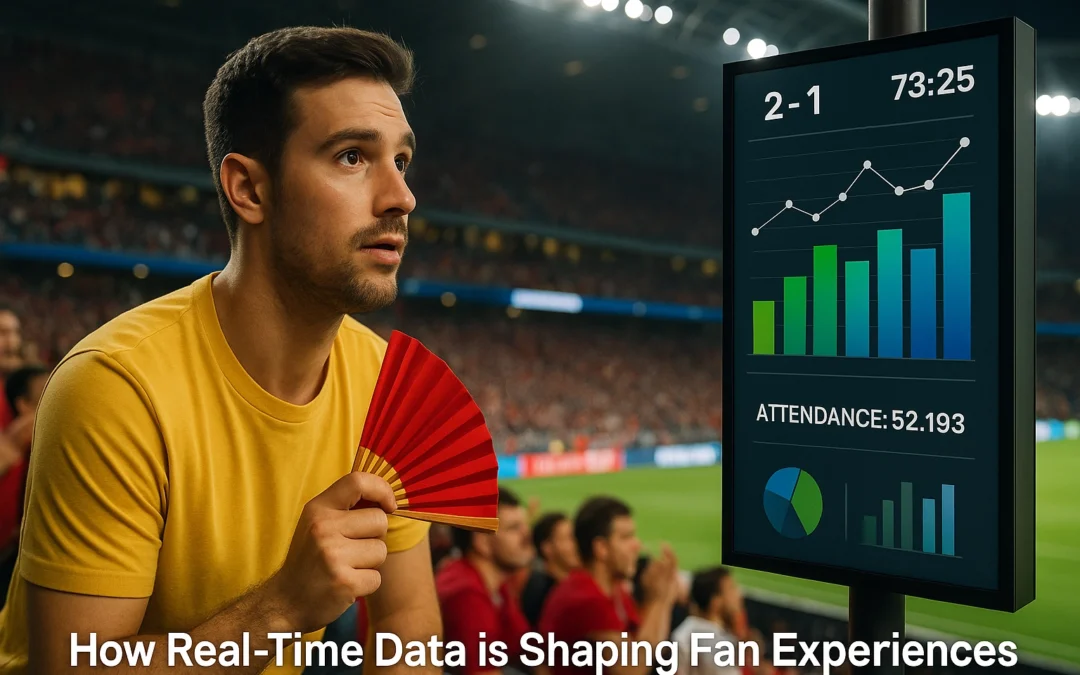
The sports entertainment landscape has undergone a fundamental transformation as real-time data integration revolutionizes Digital Out-of-Home (DOOH) advertising strategies. Traditional static displays have evolved into dynamic, responsive platforms that deliver personalized content based on live game events, audience location, and fan preferences. This data-driven approach creates immersive experiences that blur the boundaries between advertising and entertainment, establishing new benchmarks for fan engagement and campaign effectiveness.
Sports organizations and advertisers now leverage sophisticated data streams to trigger content changes in milliseconds, responding to player statistics, game outcomes, weather conditions, and audience demographics. The integration of real-time data transforms passive viewing experiences into interactive moments that resonate with fans on emotional and practical levels, driving measurable business outcomes for brands and venues alike.
Dynamic Content Creation and Live Event Response
Real-time data enables DOOH campaigns to synchronize content delivery with live sporting events, creating moments of peak relevance that capture fan attention during heightened emotional states. Sports venues utilize player performance data, historical statistics, and live game feeds to trigger dynamic content that celebrates achievements, highlights milestones, and contextualizes current events within broader athletic narratives.

The PPG Paints Arena exemplifies this approach through integrated player statistics displays that activate automatically during games. When players achieve specific performance thresholds, the system triggers historical data presentations showcasing career achievements and milestone comparisons. This strategy creates premium advertising inventory while enhancing the fan experience through informative, contextually relevant content.
Research indicates that 72% of sports enthusiasts prioritize quick access to live score updates, positioning DOOH as the essential "third screen" that complements television and mobile consumption. Networks like T-Mobile's Octopus screen deployment across 40,000+ rideshare vehicles demonstrate scalable real-time content delivery, keeping passengers informed with live game previews, recaps, and scoring updates throughout their journeys.
Dynamic creative optimization extends beyond game statistics to include environmental triggers such as temperature changes, precipitation forecasts, and venue capacity metrics. Brands can modify messaging instantaneously based on these variables, ensuring content relevance across diverse conditions and audiences.
Location-Based Personalization and Targeting
Geographic data integration allows DOOH networks to deliver highly targeted content based on audience location, local team affiliations, and regional preferences. This precision targeting transforms generic advertising messages into locally relevant communications that acknowledge fan loyalty and geographic pride.
Networks such as Atmosphere and ReachTV utilize location intelligence to customize content for specific venues, incorporating live statistics, betting lines, and team-specific messaging for travelers in airports and diners in restaurants. This approach ensures that content resonates with local fan bases while maintaining broad appeal for diverse audiences.

Advanced audience segmentation capabilities enable brands to identify high-affinity fan groups through movement patterns and venue attendance data. Marketing teams can target devoted followers of specific teams, attendees of particular venues, or fans demonstrating specific behavioral patterns, ensuring message delivery during moments of peak receptivity.
The spatial intelligence capabilities extend to demographic overlay data that combines location information with audience characteristics, enabling sophisticated targeting strategies that account for age, income, and lifestyle factors alongside geographic preferences.
Real-Time Engagement and Fan Interaction
Interactive DOOH experiences leverage real-time data to create participatory moments that transform passive advertising consumption into active fan engagement. These systems respond to crowd reactions, social media activity, and mobile app interactions to deliver personalized content that acknowledges individual fan preferences and behaviors.
Sports venues implement countdown timers, live polls, and social media integration to create communal experiences that unite fans around shared moments of excitement. The technology enables immediate response to fan-generated content, incorporating hashtags, photos, and comments into display presentations that celebrate community participation.
Mobile integration allows fans to influence DOOH content through app interactions, creating feedback loops that personalize the viewing experience based on individual preferences and engagement history. This bidirectional communication establishes ongoing relationships between fans and brands that extend beyond single event interactions.
The immediacy of real-time response systems creates opportunities for spontaneous engagement that capitalizes on unexpected game developments, weather changes, or crowd reactions. Brands can acknowledge and celebrate these moments instantaneously, demonstrating responsiveness and cultural awareness that strengthens fan relationships.
Revenue Generation Through Data-Driven Campaigns
Real-time data integration directly impacts monetization strategies by enabling brands to capitalize on moments of peak emotional engagement through precisely timed promotional offers. When fans witness exciting plays or milestone achievements, automated systems can trigger personalized offers delivered through mobile notifications, creating immediate purchasing opportunities while emotions remain elevated.
Research demonstrates that 91% of consumers respond more favorably to brands delivering meaningful, relevant offers in real time, highlighting the revenue potential of data-driven DOOH strategies. Banking partners sponsoring basketball "fast-break" moments can trigger on-screen offers as plays unfold, with immediate redemption tracking that provides precise ROI attribution.

Dynamic pricing strategies utilize real-time demand data to optimize promotional offers based on inventory levels, audience composition, and competitive pricing intelligence. Flash deals and limited-time promotions activate based on specific audience segments or game events, creating urgency that drives immediate action.
Campaign optimization occurs continuously throughout events rather than post-game analysis, allowing marketing teams to adjust tactics based on real-time engagement metrics. Low-performing promotions receive immediate modifications, while successful campaigns scale automatically to maximize impact during optimal moments.
Technology Implementation and Practical Applications
Successful real-time DOOH campaigns require robust technical infrastructure that supports rapid data processing, content delivery, and performance monitoring. API integrations with sports databases, weather services, and social media platforms enable seamless content updates that maintain accuracy and relevance across all displays.
The NBA's 75th Playoffs season campaign demonstrated comprehensive real-time integration by incorporating live scoring, social media feeds, and historical statistics into unified display experiences. Budweiser's Montreal campaign utilized direct database connections to pull game scores into advertising creative throughout the season, maintaining brand presence during peak engagement moments.

Content management systems designed for real-time DOOH deployment feature automated triggers, conditional logic, and fallback scenarios that ensure consistent performance regardless of data availability or technical challenges. These systems prioritize content delivery speed while maintaining creative quality standards that reflect brand identity and campaign objectives.
Measurement and attribution technologies track engagement metrics, conversion rates, and audience response patterns to provide comprehensive campaign performance data. This intelligence informs future campaign strategies while demonstrating clear ROI to stakeholders and sponsors.
Strategic Campaign Timeline Integration
Real-time data applications extend across the complete fan experience timeline, from pre-game anticipation through post-event celebration. Pre-game campaigns utilize countdown timers, weather forecasts, and transportation updates to build excitement while providing practical information that enhances venue experiences.
Game-day strategies integrate live scoring, player performance data, and social commentary to position brands within the narrative of unfolding events. This approach creates authentic brand associations with memorable moments while providing value to fans seeking information and entertainment.
Post-game messaging celebrates victories through congratulatory content while offering time-sensitive promotions on merchandise, concessions, and future event tickets. The emotional resonance of victory or the disappointment of defeat creates distinct opportunities for brand communication that acknowledges fan emotions and provides appropriate responses.
Seasonal campaign strategies adapt to tournament schedules, playoff progressions, and championship events, ensuring content relevance throughout extended competition periods. These long-term approaches build cumulative brand awareness while maintaining flexibility to respond to unexpected developments and opportunities.
The integration of real-time data into DOOH strategies represents a fundamental shift toward responsive, personalized advertising that acknowledges the dynamic nature of sports entertainment. Brands that master these technologies create competitive advantages through enhanced fan relationships, improved campaign performance, and measurable business outcomes that justify premium advertising investments.