
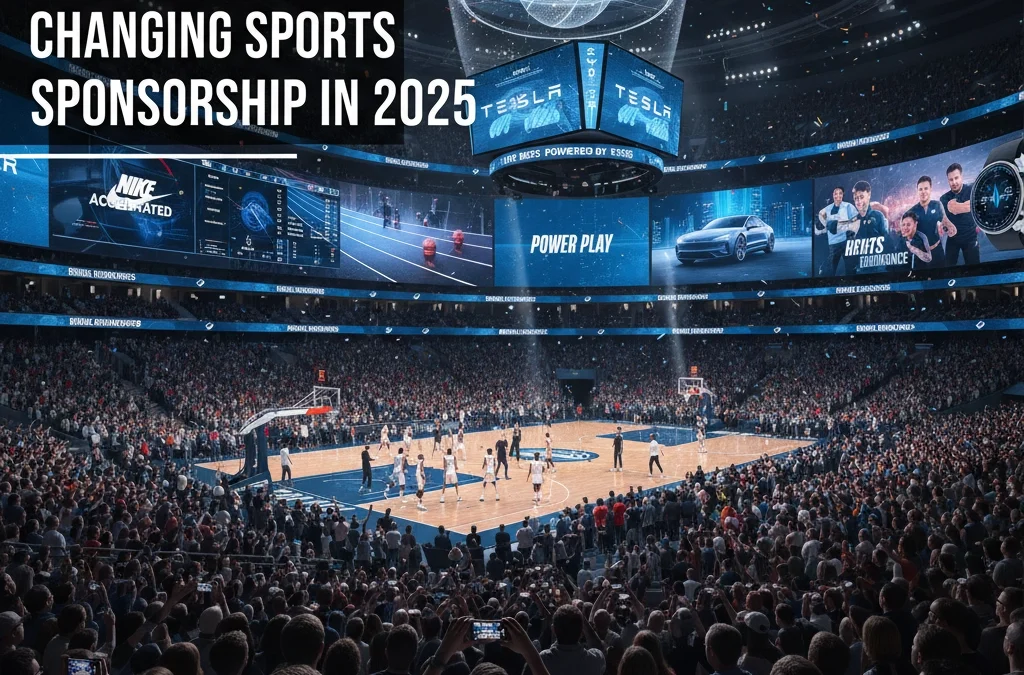
Digital out-of-home (DOOH) advertising has reached a critical inflection point in sports sponsorship, fundamentally altering how brands connect with audiences during the most engaging moments in sports. With DOOH representing 36.3% of total out-of-home revenues and growing 9.4% year-over-year, the technology has evolved beyond static billboards to become a sophisticated, data-driven platform that delivers measurable results for sports sponsors.
The convergence of programmatic buying capabilities, real-time content management, and advanced targeting technologies has created unprecedented opportunities for brands to engage sports audiences with precision and impact. Major sporting events are accelerating this transformation, driving infrastructure investments that position DOOH as the primary medium for sports advertising activation.
Real-Time Dynamic Content Management During Live Events

DOOH technology enables brands to execute dynamic creative campaigns that respond instantly to live sporting events as they unfold. This capability transforms traditional sponsorship from static brand placement to interactive, moment-driven advertising that aligns with real-time game developments.
Dynamic creative optimization allows sponsors to update messaging based on specific game events, player performances, or match momentum. When a sponsored athlete scores, brands can instantly deploy congratulatory messaging across venue screens. During rain delays or overtime periods, sponsors can adjust content to maintain relevance and engagement with audiences experiencing the same live moments.
This real-time responsiveness extends beyond venues to surrounding infrastructure. Transit stations, retail locations, and urban screens can synchronize messaging with live sports events, creating a connected advertising ecosystem that follows fans throughout their journey. The technology requires sophisticated content management systems capable of automated triggers based on live data feeds, enabling sponsors to scale personalized messaging across multiple touchpoints simultaneously.
The measurable impact of dynamic DOOH campaigns demonstrates significant improvements in brand recall and engagement metrics compared to static alternatives. Brands utilizing real-time creative updates report 40-60% increases in message relevance scores and demonstrate stronger correlation between advertising exposure and subsequent purchase behavior during sports seasons.
Data-Driven Hyper-Personalization and Audience Targeting
The integration of artificial intelligence and fan data analytics has revolutionized DOOH targeting capabilities in sports sponsorship. Brands can now deploy ultra-personalized content strategies that segment audiences based on team preferences, attendance history, demographic profiles, and real-time behavioral signals captured through mobile device interactions and venue check-ins.
Programmatic DOOH platforms utilize device ID matching and geofencing technology to identify audience composition at specific venues during game times. This data enables sponsors to deliver tailored messaging that reflects local team loyalties, regional preferences, and historical engagement patterns. A beverage sponsor can adjust creative content based on whether the audience primarily consists of home team supporters or visiting fans, optimizing message resonance for each segment.

Advanced analytics platforms measure engagement through multiple attribution models, tracking audience exposure to DOOH campaigns and correlating this data with downstream conversion events. Sponsors can analyze foot traffic patterns, dwell time metrics, and subsequent purchase behavior to calculate precise return on advertising spend for DOOH investments.
The sophistication of audience targeting extends to weather-based triggers, time-of-day optimization, and competitive event scheduling. DOOH campaigns automatically adjust creative content and media placement based on external factors that influence audience behavior, ensuring message delivery occurs during optimal engagement windows.
Fan data integration allows sponsors to create lookalike audiences for programmatic DOOH buying, expanding reach beyond venue-based targeting to capture similar audience segments across urban environments. This approach increases campaign efficiency by focusing spend on high-probability conversion audiences identified through sports engagement patterns.
Sports Infrastructure Monetization and Venue Transformation
Major sporting events are catalyzing comprehensive digital infrastructure development that transforms public spaces into monetizable media platforms. The construction of new transportation systems, venues, and stadiums for events like the Olympics and FIFA World Cup incorporates DOOH technology from initial design phases, creating integrated advertising ecosystems that extend far beyond traditional venue boundaries.
Stadium construction projects now prioritize digital signage integration across concourses, entrance areas, and surrounding infrastructure. These installations create premium advertising inventory that commands significantly higher rates than traditional billboard placements due to guaranteed audience engagement and extended exposure duration during events.
Transportation infrastructure connected to sports venues represents a particularly valuable advertising opportunity for sponsors. Airport terminals, subway stations, and dedicated event shuttles feature synchronized DOOH campaigns that create a continuous brand experience from arrival to venue entry. This infrastructure monetization model generates substantial revenue streams that help offset construction costs while providing sponsors with comprehensive audience coverage.

The architectural integration of DOOH technology enables creative executions impossible with traditional signage. Curved LED installations, interactive surfaces, and building-integrated displays create immersive advertising environments that blur the distinction between venue architecture and brand messaging. Sponsors can utilize these installations for large-scale brand activations that become integral components of the sports experience rather than peripheral advertising elements.
Digital infrastructure investments driven by sports events create lasting advertising assets that continue generating value beyond the initial sporting occasion. Venues equipped with comprehensive DOOH systems can host multiple events throughout the year, providing sponsors with flexible inventory options and enabling dynamic pricing models based on event significance and audience size.
Immersive Phygital Brand Activation Platforms
DOOH technology has enabled the emergence of phygital brand activations that combine physical venue experiences with digital engagement platforms. These hybrid experiences utilize virtual reality, augmented reality, and interactive display technologies to create multi-dimensional brand encounters that extend sponsor visibility beyond traditional advertising boundaries.
Interactive DOOH installations allow fans to engage directly with brand content through touch screens, motion sensors, and mobile device integration. Sponsors can create gamified experiences that encourage audience participation while collecting valuable engagement data for subsequent marketing efforts. These installations typically generate 3-5 times higher engagement rates than passive display advertising and create shareable content that extends campaign reach through social media amplification.
Augmented reality integrations transform venue spaces into branded environments where fans can interact with virtual elements overlaid on physical locations. Sponsors utilize AR-enabled DOOH displays to create photo opportunities, product demonstrations, and interactive games that enhance the overall event experience while reinforcing brand messaging through memorable interactions.

Virtual reality activations connected to DOOH displays enable sponsors to transport audiences to branded environments that showcase products or experiences beyond the physical venue limitations. These installations create exclusive content opportunities and generate extended engagement duration that traditional advertising cannot achieve.
The measurement capabilities of phygital activations provide sponsors with comprehensive performance analytics including interaction duration, content sharing rates, and subsequent social media engagement. This data enables precise ROI calculation and optimization strategies for future campaign deployments.
Mobile device integration creates seamless transitions between physical DOOH interactions and digital follow-up campaigns. Fans who engage with interactive displays can be retargeted through mobile advertising, email campaigns, and social media platforms, extending campaign impact beyond the initial venue exposure.
Programmatic Growth and Market Expansion
The programmatic DOOH market is experiencing unprecedented growth within sports advertising, with ad spend projected to increase 23% in 2025. This expansion reflects the maturation of automated buying platforms that enable sophisticated targeting and real-time optimization capabilities previously unavailable in traditional out-of-home advertising.
Programmatic platforms facilitate omnichannel campaign execution that synchronizes DOOH placements with mobile, social media, and connected TV advertising. Sports sponsors can create unified campaigns that deliver consistent messaging across multiple touchpoints while optimizing spend allocation based on real-time performance metrics and audience engagement data.
Supply-side platform development has created standardized inventory management systems that enable efficient campaign scaling across multiple venue networks. Sponsors can execute national sports sponsorship campaigns through single platform interfaces, accessing inventory from hundreds of sports venues while maintaining granular control over targeting parameters and creative deployment.

The integration of artificial intelligence in programmatic DOOH buying enables predictive optimization that adjusts campaign parameters based on historical performance data and real-time audience signals. Machine learning algorithms identify optimal placement timing, creative rotation schedules, and budget allocation strategies that maximize campaign effectiveness across diverse sports properties.
Header bidding implementation in DOOH platforms has increased inventory monetization efficiency while providing sponsors with access to premium placement opportunities through competitive auction mechanisms. This technology ensures optimal pricing for both buyers and sellers while maintaining campaign delivery standards required for sports sponsorship commitments.
The projected growth trajectory positions DOOH as a dominant component of sports marketing budgets, with industry forecasts indicating the segment will reach $19.08 billion in 2025. This expansion creates opportunities for innovative campaign strategies and comprehensive audience engagement approaches that leverage the unique capabilities of digital out-of-home technology.
Strategic Implications for Sports Sponsors
The transformation of DOOH technology represents a fundamental shift from visibility-based sponsorship metrics to performance-driven campaign evaluation. Sponsors can now measure concrete outcomes including brand lift, purchase intent, and direct sales attribution through sophisticated analytics platforms that connect DOOH exposure to conversion events.
The evolution toward programmatic buying and real-time optimization enables more efficient budget allocation and improved return on advertising spend compared to traditional sponsorship models. Brands can adjust campaign parameters continuously based on performance data, ensuring optimal resource utilization throughout sports seasons and major events.
As DOOH technology continues advancing, sports sponsors must adapt strategies to leverage dynamic content capabilities, sophisticated targeting options, and immersive activation platforms. The organizations that successfully integrate these technologies into comprehensive sponsorship strategies will achieve significantly enhanced audience engagement and measurable business outcomes in the evolving sports marketing landscape.