
Share this post: LinkedIn | Facebook | Instagram | X
Executive Summary
Traditional stadium sponsorships are experiencing a fundamental transformation rather than extinction. The sports marketing landscape has evolved from static billboard advertising to dynamic, technology-enabled experiences driven by over 25,000 digital screens across major sporting venues. This shift represents a $58 billion market opportunity by 2030, with digital out-of-home (DOOH) campaigns delivering measurable engagement improvements and ROI optimization for forward-thinking brands.
The Evolution of Stadium Sponsorship Assets
The transition from traditional stadium marketing represents a comprehensive industry evolution. Sports marketing historically relied on television commercials, print media, and static sponsorship placements at live events. The contemporary focus has shifted toward digital platforms that enable real-time interaction and personalized fan experiences.
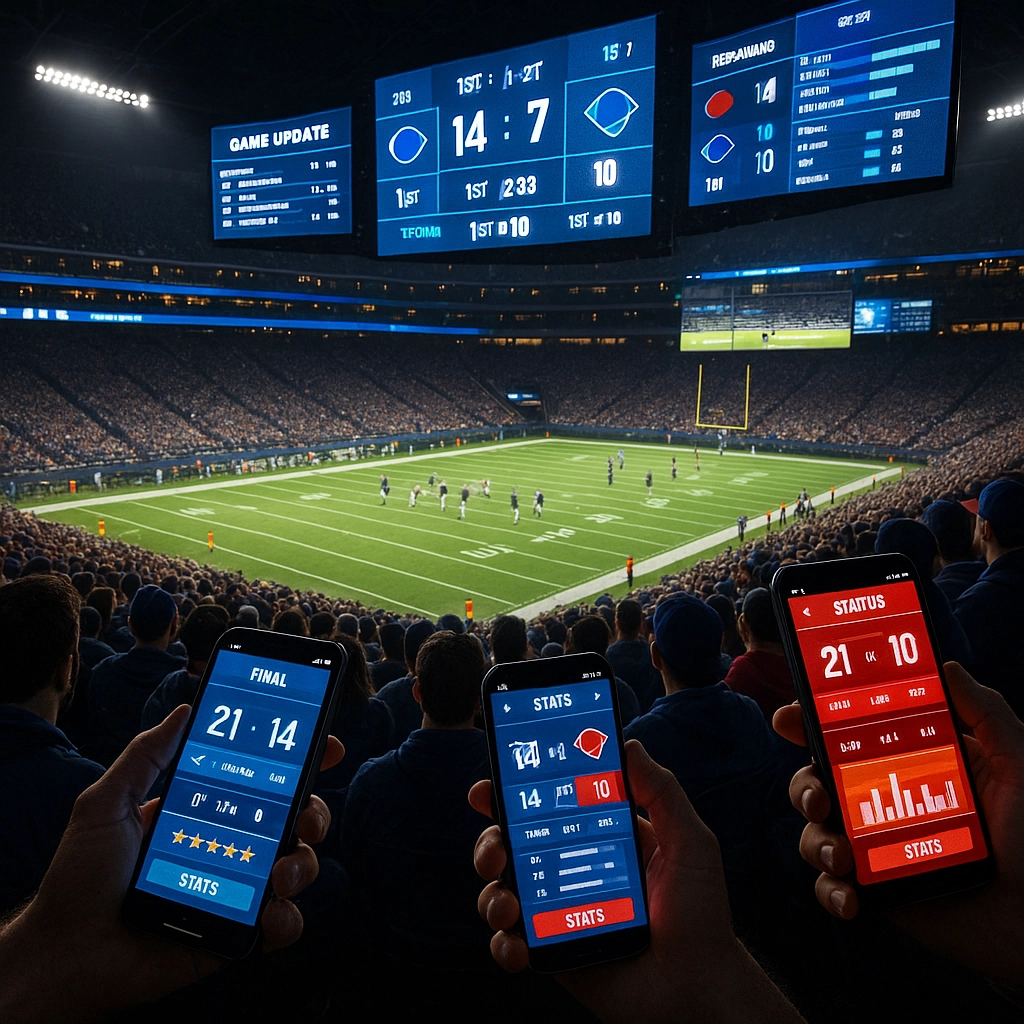
Modern sports venues integrate sophisticated mobile applications that provide fans with real-time scores, exclusive content, interactive games, and direct player access. These platforms create integrated branding opportunities that reach audiences through highly targeted methodologies, moving beyond the broad-reach limitations of traditional stadium signage.
Technology-Enabled Fan Engagement
Mobile devices function as secondary screens during live broadcasts, enabling interactive content consumption and dynamic engagement with other fans, industry experts, and influencers. This evolution transforms passive sports consumption into active participatory experiences, creating new avenues for sponsor activation and brand integration.
Key Technology Integration Points:
- Real-time data collection and audience analytics
- Personalized content delivery based on fan preferences
- Interactive gaming and contest participation
- Social media integration and user-generated content campaigns
- Location-based messaging and proximity marketing
Digital Infrastructure Investment Trends
The sports industry is experiencing unprecedented infrastructure development, with over 300 global sports stadiums expected to begin renovations or new construction projects in 2025. Nearly 50% of these developments are concentrated in North America and Europe, with European projects primarily focused on soccer stadiums designed to attract new fan demographics and provide revenue diversification opportunities.
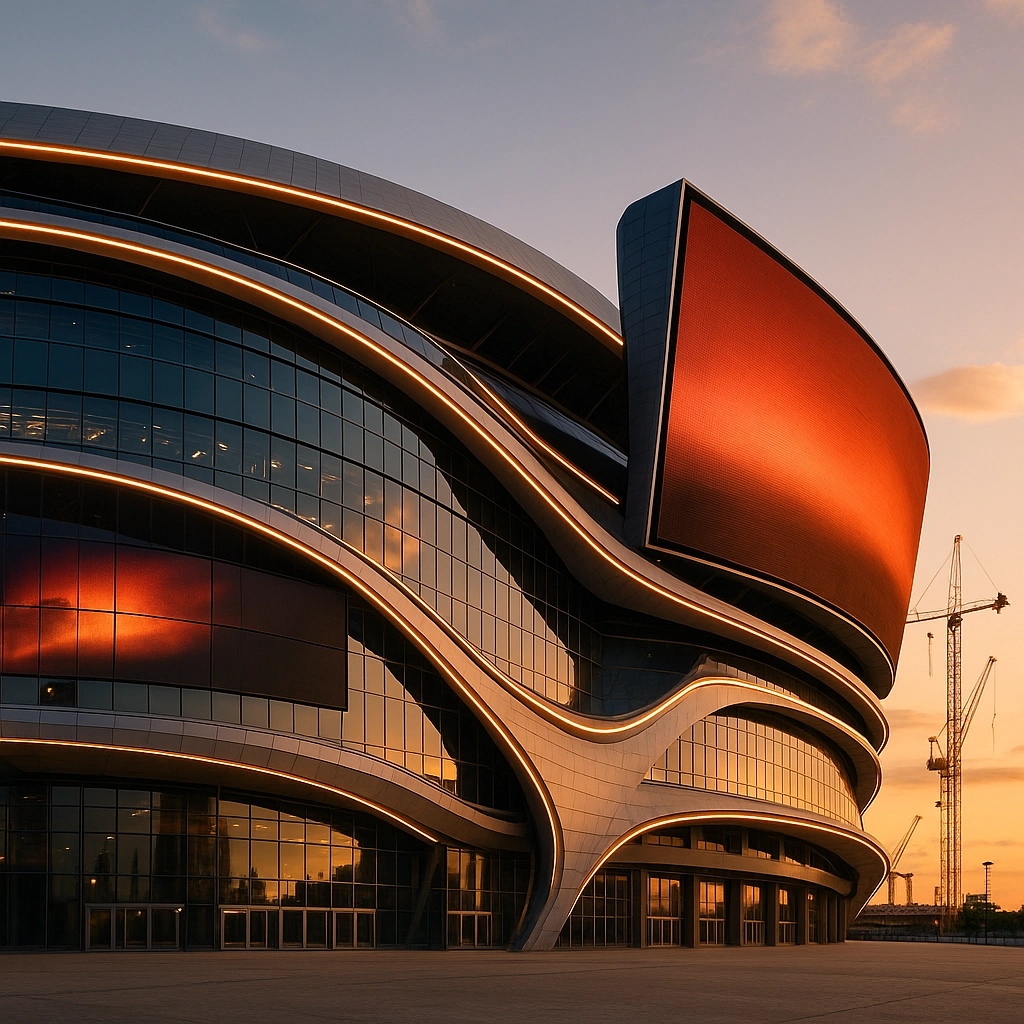
These infrastructure investments extend beyond simple renovations, incorporating flexible, multi-use designs that support community engagement and year-round venue utilization. Modern stadiums function as comprehensive entertainment complexes rather than single-purpose sports venues, creating continuous sponsorship opportunities throughout the calendar year.
Stadium Technology Integration Statistics:
- 25,000+ digital screens deployed across major sporting venues globally
- 74% increase in fan engagement through programmatic DOOH campaigns
- 119% improvement in positive brand perception for technology-enabled activations
- $58 billion projected market value for sports DOOH by 2030
Augmented Reality and Immersive Sponsorship Experiences
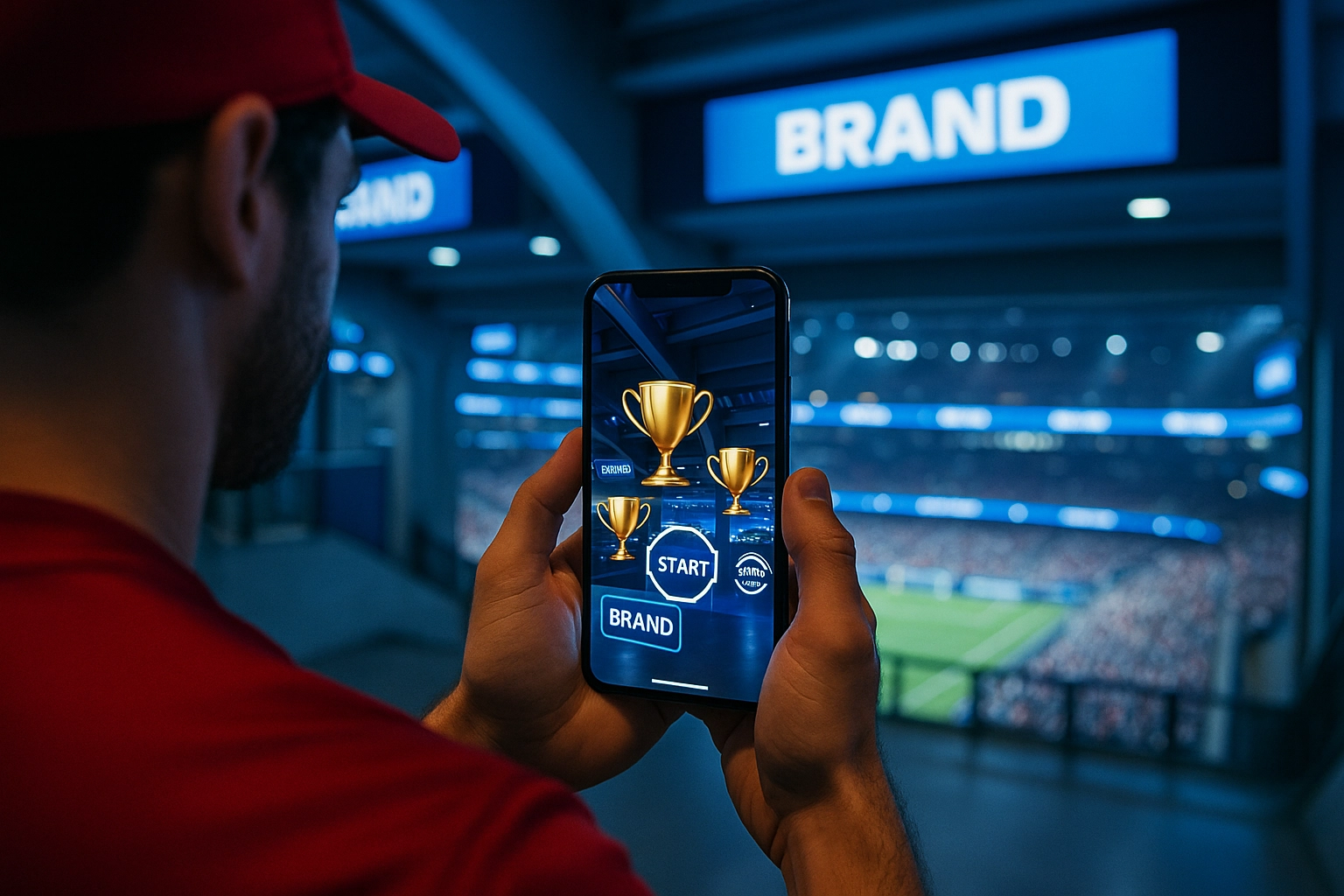
Augmented Reality (AR) technology represents one of the most significant developments in contemporary sports sponsorship strategy. Mobile AR capabilities enable sponsors to create immersive activations for both stadium attendees and remote viewers, including virtual merchandise experiences and interactive brand engagements linked to live events.
A notable implementation occurred at the 2023 US Open, where luxury brand Tiffany partnered with Snap Inc. to create an AR-powered activation, allowing fans to interact with virtual trophies and tennis equipment enhanced with digital design elements. This approach demonstrates the potential for premium brand integration through innovative technology platforms.
Location-Based Targeting Capabilities
Location-based targeting has emerged as a foundational element of modern sponsorship strategies, enabling sponsors to deliver contextually relevant messaging based on fans' real-time geographic positions. This precision targeting capability represents a significant advancement over traditional broad-reach stadium advertising methodologies.
Targeting Precision Benefits:
- Geo-fenced messaging within specific venue zones
- Real-time offer deployment based on fan location
- Post-event retargeting for continued engagement
- Cross-venue audience building and segmentation
- Attribution tracking for campaign performance measurement
Corporate Hospitality Transformation
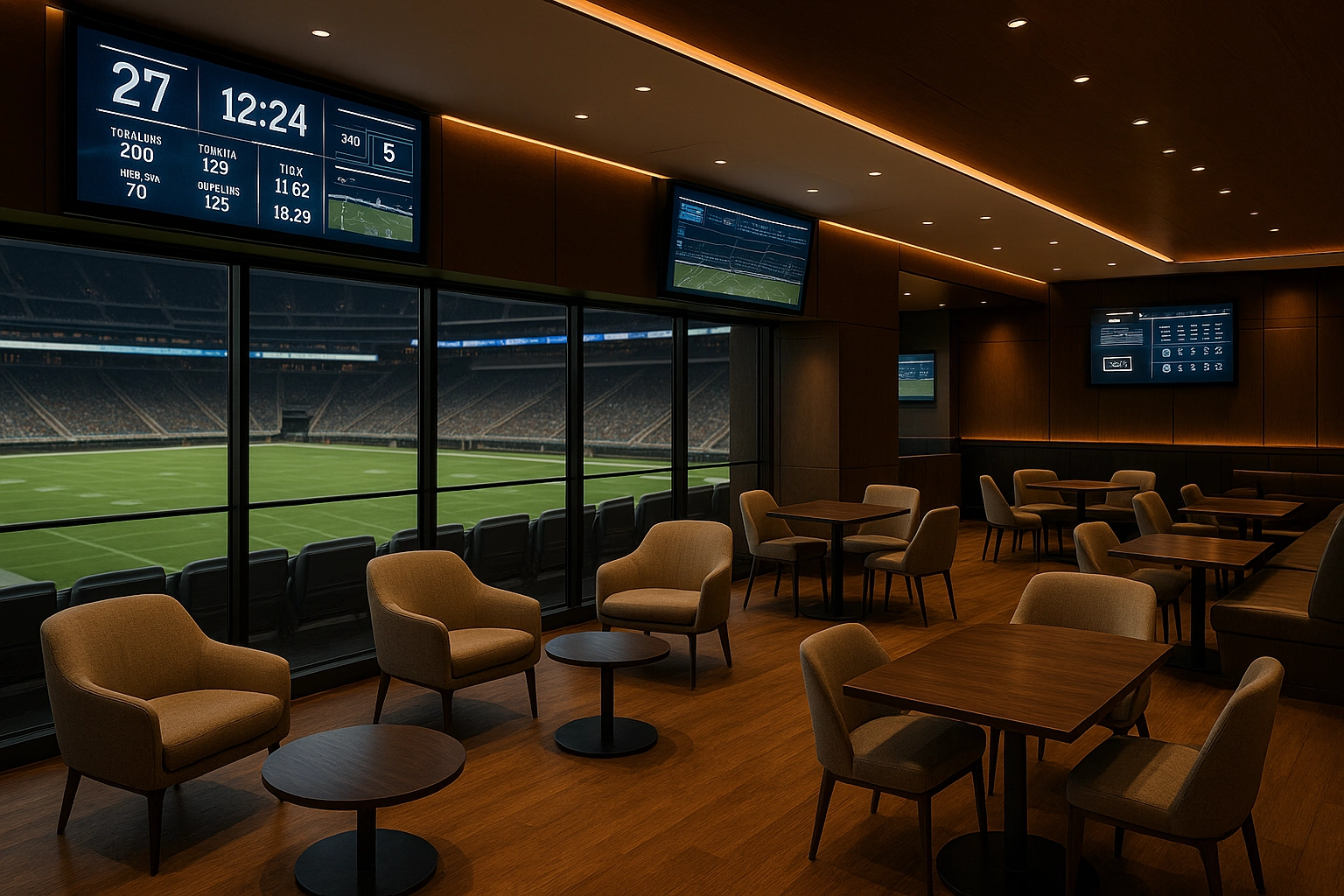
The corporate hospitality landscape is experiencing substantial transformation patterns. Traditional corporate suites are declining in popularity as corporate clients increasingly invest in high-specification retrofitting and middle-tier club spaces. This shift reflects changing expectations regarding business engagement with sports properties.
Younger demographic segments attend fewer games while spending more on creating distinctive experiences during attendance. This behavioral pattern drives the development of loyalty programs that extend beyond traditional club membership models, with corporate partnerships similar to airline frequent flyer programs becoming more prevalent in stadium environments.
Market Pressures and Emerging Opportunities
Significant market corrections are creating new sponsorship opportunities across major sports leagues. The English Premier League faces impending gambling sponsorship restrictions, presenting opportunities for non-gambling brands to access Premier League sponsorship at reduced investment levels. This regulatory shift is expected to lower entry barriers for brands previously unable to compete with gambling industry spending levels.
Luxury brand investment is emerging as a notable trend, with companies including LVMH, Chanel, and Louis Vuitton targeting sports sponsorships. This diversification of sponsor categories demonstrates the evolving perception of sports as premium marketing platforms suitable for high-end brand positioning.
Purpose-Driven Sponsorship Strategy
Contemporary sponsorship decisions are increasingly purpose-driven, with both brands and rights holders focusing on authentic relationship development and shared value alignment. Consumer activism influences sponsorship choices, with fans becoming more vocal regarding preferred sponsor support.
Rights holders must demonstrate clear corporate social responsibility and environmental, social, and governance values to secure funding from purpose-conscious brands. This requirement creates additional evaluation criteria beyond traditional audience reach metrics.
Future Sponsorship Landscape Projections
Digital technology amplifies and enhances existing sponsorship assets while creating entirely new engagement categories. The integration of data collection capabilities and personalized marketing through digital platforms provides sponsors with unprecedented insights into fan behavior patterns and preference indicators.

Stadium sponsorships are evolving into comprehensive, technology-enabled partnerships that extend beyond physical signage limitations. The combination of mobile technology, AR experiences, data analytics, and purpose-driven marketing creates a sophisticated sponsorship ecosystem benefiting fans, teams, and sponsors through measurable engagement improvements.
Projected Industry Developments:
- Continued integration of AI-powered personalization
- Expansion of blockchain-based fan loyalty programs
- Growth in sustainable technology partnerships
- Development of cross-platform attribution models
- Implementation of predictive analytics for fan behavior
Strategic Implementation for Modern Sports Marketing
The transformation of stadium sponsorships requires strategic adaptation rather than complete replacement of traditional elements. Successful campaigns integrate digital innovation with established sponsorship foundations, creating layered experiences that maximize brand exposure and fan engagement across multiple touchpoints.
Dan Kost, CEO of OOH Sports, emphasizes that organizations must embrace this technological evolution to remain competitive in the sports marketing landscape. The companies that successfully navigate this transition will establish dominant market positions as digital transformation continues accelerating across the sports industry.
For organizations seeking to optimize their sports marketing strategy through innovative DOOH solutions, OOH Sports provides comprehensive campaign development and execution services. Contact their AI Receptionist at +1 (970) 703-0102 to explore advanced sports marketing opportunities.
How is your organization adapting to the digital transformation of sports marketing? Share your experiences and challenges in implementing technology-enabled sponsorship strategies.
#Motivation #Branding #Strategy #Marketing #AdvertisingAndMarketing #digitalmarketing #Innovation #Sports