

Stadium perimeter advertising represents one of the most powerful yet underutilized tools in sports marketing. While creative directors and CMOs focus significant resources on digital campaigns and social media strategies, top sports brands have quietly mastered the art of leveraging perimeter boards to drive measurable fan engagement and brand recall.
The difference between average campaigns and exceptional ones lies not in budget size but in strategic execution. Leading brands understand that stadium perimeter advertising succeeds through a combination of psychological timing, non-intrusive positioning, and data-driven optimization.
Strategic Placement Creates Psychological Impact
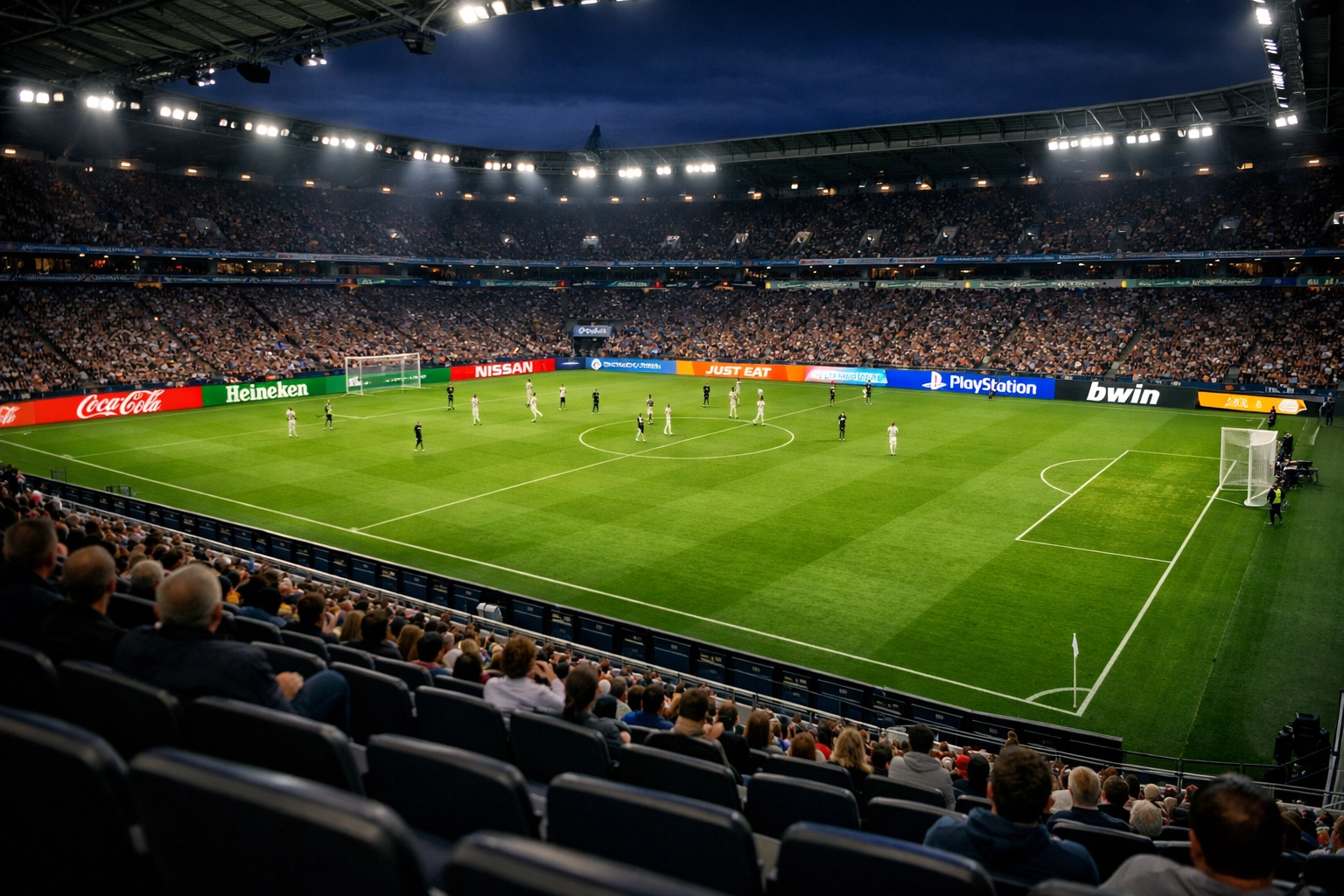
The placement of perimeter boards directly correlates with viewer attention and emotional engagement. Successful brands position advertisements strategically across the stadium to capture attention during high-impact moments rather than relying on random placement.

Boards positioned behind goals capitalize on celebration moments that replay countless times across social media and highlight reels. These locations benefit from organic amplification as fans share game-winning moments, inadvertently spreading brand visibility across digital platforms. Corner flag areas receive heightened attention during set-piece situations, while centre-pitch boards capture wide shots and tactical overviews during broadcast coverage.
The timing of LED rotations requires careful coordination with natural breaks in play. Top brands synchronize message changes with moments when viewers' eyes naturally drift from the action, maximizing attention without competing with gameplay. This strategic timing ensures advertisements register during periods of heightened receptivity rather than being ignored during intense action sequences.
Non-Intrusive Integration Drives Positive Reception
Stadium perimeter advertising succeeds because it integrates seamlessly into the viewing experience without interrupting the flow of the game. This non-intrusive nature generates more favorable reception compared to traditional advertising formats that pause or interrupt content consumption.
Research indicates that fans view sponsorships more favorably than overt advertising, particularly when brands position themselves as supporters of the club rather than external advertisers. This psychological distinction proves critical for brand perception. Younger and more educated viewers demonstrate the most positive perception of stadium advertising, making perimeter boards particularly effective for reaching these valuable demographic segments.
The visual integration of perimeter boards within the stadium environment creates a subconscious association between the brand and the sport itself. Unlike commercial breaks that signal a departure from the action, perimeter advertising remains present throughout the experience, building familiarity through consistent exposure.
Dynamic Messaging Targets Specific Audiences
Advanced perimeter advertising systems enable dynamic, audience-targeted messaging that adjusts based on specific viewer segments or game situations. This capability allows brands to deliver different advertisements to different markets watching the same match, creating more relevant communication with specific viewer segments.
Marriott demonstrated the power of dynamic LED boards during NFL games by incorporating QR codes that enabled immediate mobile interaction. The campaign resulted in a 22% increase in last-minute hotel bookings, proving that real-time, actionable messaging converts viewers into customers. Similarly, a regional restaurant chain achieved a 15% rise in weekday foot traffic by combining stadium perimeter billboards with geo-fenced mobile advertisements.
Timing advertisements around pivotal moments such as halftime and scoring plays leverages heightened fan enthusiasm for enhanced emotional resonance. When fans experience peak excitement, brand messages delivered during these moments benefit from stronger emotional encoding, leading to improved brand memorability and recall.
Simple Visual Elements Build Recognition Through Repetition
Effective perimeter campaigns prioritize simplicity over complexity. Clear brand names and logos paired with repetition throughout the match prove more effective than complex messaging that requires extended viewing time to process.

The principle of "less is more" applies directly to perimeter board design. Important advertising elements should fill most of the perimeter height for clear recognition, even at greater viewing distances. Strong contrasts and bright colours combined with weather-resistant materials ensure visibility across various broadcast conditions and lighting scenarios.
Repetition throughout the match builds familiarity without requiring conscious attention from viewers. As the same visual elements appear repeatedly at strategic moments, brand recognition accumulates gradually, creating lasting impression without overwhelming fans with aggressive messaging.
Cross-Platform Amplification Multiplies Reach
Savvy brands design LED board content with social media sharing in mind, understanding that the true value of perimeter advertising extends far beyond the stadium. A single perimeter advertisement can potentially reach millions of viewers across digital channels long after the final whistle.
This cross-platform integration multiplies advertising reach exponentially. When fans capture and share memorable moments from the game, perimeter boards appear organically in user-generated content, creating authentic brand exposure that carries more credibility than paid social media advertisements.
Advanced analytics now track specific board performance, measuring screen time during broadcasts, social media mention frequency, and geographic reach. These metrics provide concrete data for ROI calculation, moving perimeter advertising from a brand awareness tool to a measurable performance channel.
Interactive Elements Create Offline-to-Online Conversions
Leading brands incorporate interactive elements such as QR codes and mobile calls-to-action to encourage immediate fan interaction. These features transform passive viewing into active engagement, creating measurable conversion events that connect stadium presence with digital outcomes.
The integration of interactive elements requires careful execution to maintain the non-intrusive nature of perimeter advertising. QR codes must be visible without dominating the visual space, and calls-to-action should offer clear value rather than generic promotional messaging.
Data-driven approaches track engagement metrics including brand recall studies, social media analysis, and correlation with sales data to understand investment returns precisely. This measurement capability allows brands to optimize campaigns iteratively, improving performance based on concrete data rather than assumptions.
Measurement Drives Continuous Optimization
The evolution of stadium perimeter advertising from static billboards to dynamic LED systems has enabled unprecedented measurement capabilities. Brands can now track exactly which messages generate the most screen time during broadcasts, which placements drive the highest social media engagement, and which campaigns correlate with measurable business outcomes.
Attribution models connect device IDs exposed to perimeter advertising with subsequent online behavior and purchase activity. This level of precision transforms perimeter advertising from an awareness play into a performance channel with clear ROI metrics.
Brand lift studies measure changes in brand awareness, consideration, and preference among audiences exposed to perimeter advertising compared to control groups. These studies provide statistical validation of campaign effectiveness, supporting budget allocation decisions with concrete evidence rather than intuition.
Strategic Implications for Marketing Leaders
For creative directors and CMOs evaluating stadium perimeter advertising opportunities, the evidence points to several strategic imperatives. Success requires moving beyond simple logo placement toward sophisticated campaigns that leverage psychological timing, dynamic messaging, and cross-platform integration.
The brands achieving the strongest results treat perimeter advertising as part of an integrated marketing ecosystem rather than an isolated tactic. They design campaigns specifically for perimeter formats, optimize placement based on viewership data, and measure performance using multiple attribution methods.
As sports marketing budgets face increasing scrutiny, the measurable nature of modern perimeter advertising provides a compelling case for investment. The combination of broad reach, favorable reception, and concrete attribution makes stadium perimeter advertising one of the most efficient channels available for brands targeting sports audiences.
The secret that top sports brands understand is straightforward: stadium perimeter advertising delivers exceptional results when executed with strategic precision, measured rigorously, and integrated seamlessly into broader marketing initiatives. The opportunity exists for brands willing to approach perimeter advertising with the same sophistication applied to other digital channels.